
Have you ever noticed how a simple evening skincare routine can transform not just your complexion, but your entire mental state? The connection between evening skincare for nervous system wellness is far more profound than most people realize. When we mindfully care for our skin before bed, we’re actually sending powerful signals to our brain that it’s time to relax, unwind, and prepare for restorative sleep.
In our hyper-connected, always-on world, finding moments of genuine calm has become increasingly challenging. However, creating a ritual that combines the physical benefits of skincare with nervous system regulation offers a beautiful solution. This practice isn’t just about vanity—it’s about self-care, stress reduction, and giving your body the signal that you’re safe and worthy of nurturing attention.
While many of us rush through our nighttime routine, treating it as just another task to check off before bed, there’s immense therapeutic value in slowing down. By approaching your evening skincare with intention, you’re essentially creating a evening self-care practice that supports both your skin health and mental wellbeing simultaneously.
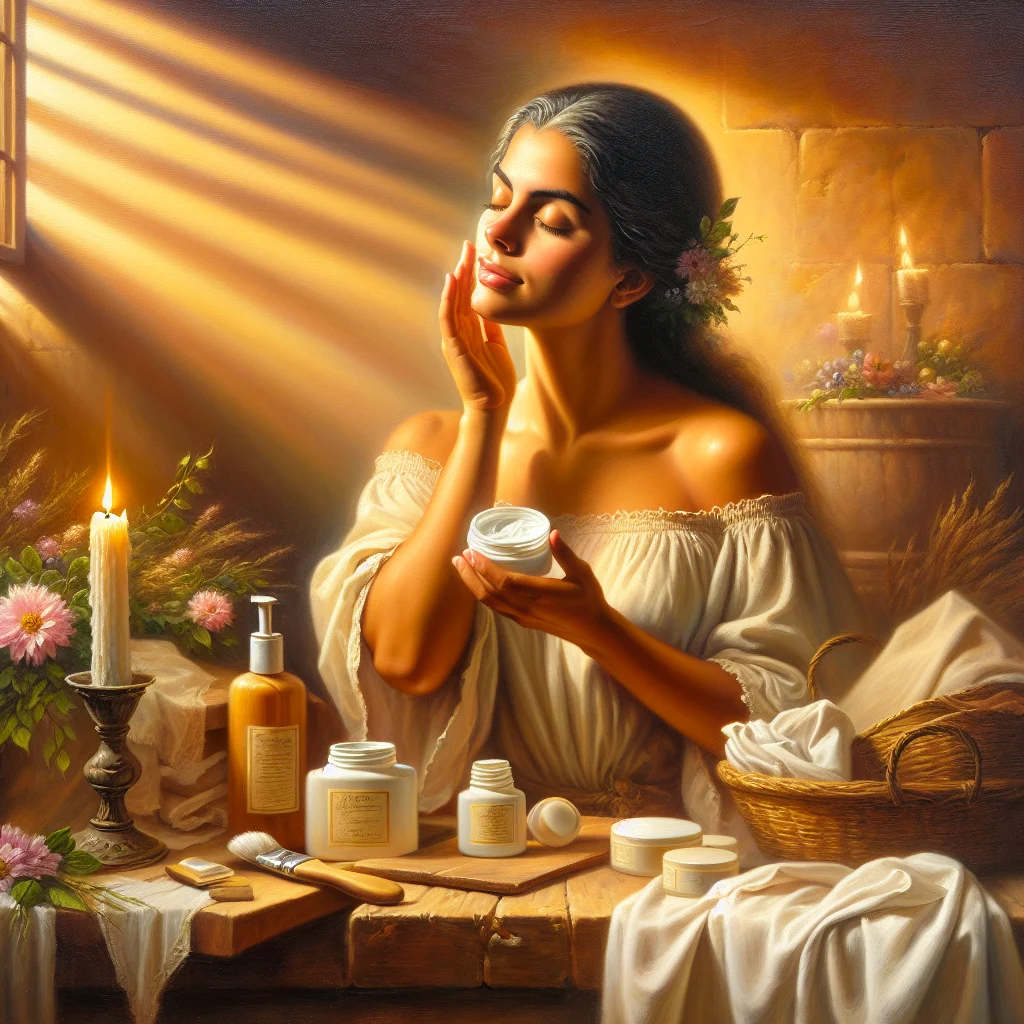
Understanding the Skin-Brain Connection
The relationship between our skin and nervous system runs deeper than most people imagine. Our skin is actually our largest organ and contains millions of nerve endings that communicate constantly with our brain. When we touch our face gently during skincare, we’re activating the parasympathetic nervous system—the part responsible for rest, digestion, and healing.
According to research published by the National Center for Biotechnology Information, gentle touch and self-massage can significantly reduce cortisol levels while increasing oxytocin, often called the “bonding hormone.” This biochemical shift helps transition your body from a stressed state to one of calm and safety.
The Vagus Nerve and Facial Touch
The vagus nerve, which plays a central role in regulating our nervous system, has extensive branches throughout the face and neck. When we perform gentle, mindful movements during our skincare routine, we’re actually stimulating this crucial nerve. As a result, we activate the body’s natural relaxation response, lowering heart rate and promoting a sense of wellbeing.
Furthermore, the repetitive, rhythmic motions involved in applying serums, moisturizers, and treatments create a meditative quality. These movements help quiet racing thoughts and bring us into the present moment—a key component of mindfulness practices that support mental health.
Creating Your Nervous System-Friendly Evening Skincare Ritual
Transforming your evening skincare from a rushed routine into a nervous system reset doesn’t require expensive products or hours of time. Instead, it’s about bringing intention, awareness, and gentle touch to the process. Let me walk you through how to structure this powerful practice.
Setting the Environment
Before you even touch your skin, consider your bathroom environment. Harsh overhead lighting can keep your nervous system in an activated state, so try these adjustments:
- Dim the lights or use candles to signal to your brain that daytime is over
- Play soft instrumental music or nature sounds at a low volume
- Ensure the room temperature is comfortable—not too hot or cold
- Consider using a calming essential oil like lavender or chamomile
- Remove your phone from the space to avoid digital distractions
These small environmental changes send powerful cues to your nervous system that this is a time for decompression and care, not productivity or stimulation.
The Cleansing Phase: Washing Away Stress
Begin with a gentle, mindful cleanse. Rather than rushing through this step, approach it as a symbolic act of releasing the day’s tensions. Use lukewarm water—not hot, which can be stimulating—and focus on these techniques:
- Breathe deeply before you begin, taking three slow breaths to center yourself
- Apply cleanser with slow, circular motions, spending at least 60 seconds on this step
- Pay attention to the sensations—the temperature, texture, and scent
- When rinsing, imagine washing away not just makeup and impurities, but also stress and worry
This intentional approach turns a mundane task into a grounding practice that anchors you in the present moment. In addition, the physical act of cleansing creates a mental transition from daytime to evening mode.
Toning and Essence: The Transition Layer
After cleansing, apply a toner or essence using gentle patting motions rather than rubbing. This technique, popular in Korean skincare traditions, offers multiple benefits for nervous system regulation. The repetitive patting creates a soothing rhythm, while the light pressure stimulates blood flow and lymphatic drainage.
As you pat the product into your skin, try synchronizing the movements with your breath. For example, pat for four counts while inhaling, then four counts while exhaling. This breathing synchronization enhances the calming effect and helps quiet an anxious mind.
Therapeutic Touch Techniques for Evening Skincare
The way you apply your skincare products matters tremendously when you’re using this routine as a nervous system tool. Let’s explore specific touch techniques that maximize the calming benefits.
Facial Massage for Vagus Nerve Stimulation
When applying serums and oils, incorporate these simple massage movements that target areas rich in vagal nerve endings:
- Temples: Use gentle circular motions with your fingertips for 30 seconds on each side
- Jawline: Sweep from chin to ear with light to moderate pressure, releasing tension
- Under eyes: Very gently tap along the orbital bone, moving from inner to outer corner
- Forehead: Smooth upward strokes from eyebrows to hairline, releasing worry lines
- Neck: Stroke downward from jaw to collarbone, following lymphatic pathways
According to facial massage experts, these movements not only improve product absorption and skin appearance but also signal safety to your nervous system. Consequently, you’ll likely notice feeling calmer and more grounded after just a few minutes.
The Power of Gua Sha and Jade Rolling
While not essential, tools like gua sha stones or jade rollers can amplify the nervous system benefits of your routine. The cool temperature and smooth glide of these tools provide additional sensory input that many people find deeply soothing.
When using these tools, move slowly and deliberately. The goal isn’t efficiency—it’s creating a meditative experience that allows your mind to settle. Keep your movements gentle, never pulling or tugging the delicate facial skin.

Product Ingredients That Support Nervous System Health
Beyond technique, certain skincare ingredients offer additional benefits for nervous system regulation. While topical application doesn’t provide the same effects as internal use, the aromatherapeutic properties and skin-soothing qualities of these ingredients enhance the overall calming experience.
Calming Botanical Ingredients
Look for evening skincare products containing these nervine botanicals:
- Chamomile: Known for centuries as a calming herb, its scent alone can reduce anxiety
- Lavender: Studies show its aroma reduces cortisol and promotes relaxation
- Rose: Contains compounds that may help regulate mood and reduce inflammation
- Blue tansy: A lesser-known but powerful calming botanical for sensitive, reactive skin
- Calendula: Gently soothes both skin irritation and frazzled nerves
Moreover, many of these ingredients possess anti-inflammatory properties that address the skin manifestations of chronic stress—like redness, sensitivity, and breakouts.
Textures and Sensory Experiences
The sensory experience of your products also matters for nervous system regulation. Rich, luxurious textures that require warming between your palms and slow application naturally force you to slow down. In contrast, quick-drying products that require fast application don’t offer the same meditative quality.
Consider incorporating a facial oil as your final step. The act of warming oil between your palms, inhaling its aroma, and then pressing it into your skin creates a beautiful closing ritual that signals completion and safety to your nervous system.
The Science of Evening Routines and Sleep Quality
Establishing a consistent evening skincare for nervous system practice doesn’t just feel good in the moment—it actually improves your sleep quality over time. Research from the Sleep Foundation shows that regular bedtime routines help establish circadian rhythms and signal to your body when it’s time to sleep.
When you perform the same sequence of calming actions each evening, your brain begins to anticipate sleep. This conditioned response makes falling asleep easier and can improve overall sleep quality. As a result, you wake feeling more refreshed and better able to handle daily stressors.
Timing Your Routine for Maximum Benefits
For optimal nervous system support, begin your evening skincare routine 60-90 minutes before bed. This timing allows the calming effects to take hold without the routine becoming so close to bedtime that you’re too tired to perform it mindfully.
Additionally, this timing separates your routine from other stimulating evening activities. It creates a clear boundary that helps your mind transition from wakefulness to sleep readiness. Many people find that following their skincare routine with other calming activities—like reading, gentle stretching, or journaling—creates a powerful wind-down sequence.
Combining Skincare with Other Nervous System Practices
Your evening skincare routine becomes even more powerful when integrated with other holistic practices that support nervous system health. Consider these complementary approaches:
Breathwork During Application
Rather than letting your mind wander during your routine, use each product application as an opportunity for intentional breathing. Try this simple pattern:
- Inhale slowly through your nose while warming the product in your hands (4 counts)
- Hold briefly at the top of the breath (2 counts)
- Exhale slowly through your mouth while applying to your face (6 counts)
- Pause before beginning the next inhale (2 counts)
This extended exhale activates the parasympathetic nervous system, amplifying the calming effects of your skincare routine. Because the exhale is longer than the inhale, you’re signaling to your body that there’s no threat present.
Gratitude and Affirmations
As you look at yourself in the mirror during your routine, practice self-compassion rather than criticism. Consider pairing each step with a gentle affirmation or expression of gratitude:
- “I’m grateful for my body and all it does for me”
- “I deserve this time to care for myself”
- “I release the stress of today”
- “My nervous system is safe and calm”
These positive affirmations combine with the physical routine to create a comprehensive practice that addresses both body and mind. Furthermore, regularly viewing yourself with kindness gradually rewires neural pathways associated with self-perception.
Adapting Your Routine for Different Nervous System States
Not every evening feels the same. Some nights you’re mildly tired, while others you might feel anxious, overstimulated, or depleted. Your evening skincare for nervous system practice can be adapted to meet your current state.
For Anxious, Activated States
When you’re feeling wired or anxious, emphasize these elements:
- Extended cleansing time with cooler water to help reduce internal heat
- More repetitions of calming massage movements, especially on temples and jawline
- Longer holds on lymphatic drainage points to promote physical release
- Stronger focus on extended exhale breathing
- Additional cooling tools like jade rollers stored in the refrigerator
For Depleted, Exhausted States
When you’re running on empty, your routine should be simplified but not skipped:
- Streamline to essential steps only—cleanser, hydrator, moisturizer
- Use warmer water and heavier textures for grounding
- Focus on gentle pressure and self-compassion
- Permit yourself to do a shorter version without guilt
- Consider sitting down during your routine if standing feels like too much
Remember that even a five-minute routine performed with presence offers nervous system benefits. The consistency matters more than the length or complexity.
Common Mistakes That Undermine Nervous System Benefits
While establishing an evening skincare routine is beneficial, certain habits can actually work against your nervous system regulation goals. Be aware of these common pitfalls:
Rushing Through the Process
The most frequent mistake is treating skincare as another task to complete quickly. However, rushing activates your sympathetic nervous system—the opposite of what you’re trying to achieve. If time is genuinely limited, do fewer steps slowly rather than all steps quickly.
Using Your Phone During the Routine
Checking messages or scrolling social media while applying products completely negates the nervous system benefits. The blue light exposure, information overload, and divided attention all keep your system in an activated state. Instead, make your bathroom a phone-free zone during this time.
Harsh or Irritating Products
Using products that sting, burn, or irritate your skin sends stress signals to your nervous system. While some active ingredients cause temporary tingling, genuine discomfort isn’t supportive of nervous system regulation. Choose gentle formulations, especially for evening use when the goal is calming rather than stimulating.
Building Consistency: Making It Sustainable
The benefits of evening skincare for nervous system support compound over time with consistency. However, maintaining any new practice requires strategy. Here’s how to make this routine stick:
Start small with just three products and five minutes. It’s better to maintain a simple routine than to abandon an elaborate one. Additionally, keep your products visible and easily accessible—out of sight often means out of mind.
Consider creating a visual cue that reminds you to begin. This might be setting out your products each morning, placing a note on your bathroom mirror, or linking your routine to an existing habit like brushing your teeth.
Track your routine for 30 days using a simple calendar check-off system. Research shows that seeing your progress builds motivation and helps cement new habits. Moreover, you’ll likely notice improvements in both your skin and stress levels that provide intrinsic motivation to continue.
The Broader Impact: Ripple Effects of Evening Self-Care
When you consistently practice evening skincare for nervous system regulation, the benefits extend far beyond your complexion and bedtime stress levels. This simple practice creates positive ripple effects throughout your life.
Many people notice improved emotional regulation during the day. Because you’re getting better quality sleep and starting each day with a calmer baseline, you respond to stressors more effectively. Furthermore, the daily practice of self-compassion and mindful touch gradually improves your relationship with your body.
This routine also models healthy self-care for others in your household, particularly children who absorb far more than we realize. When they see you prioritizing your wellbeing without guilt, they learn that self-care is valuable and necessary, not selfish or optional.
Finally, establishing one consistent wellness practice often inspires additional positive changes. The discipline and self-awareness you develop through this routine may naturally extend to other areas—nutrition, movement, or emotional processing.
Conclusion: Your Invitation to Begin Tonight
The connection between evening skincare and nervous system health offers a beautiful opportunity to combine practical self-care with profound stress reduction. You don’t need expensive products, extensive time, or special skills—just the willingness to slow down and bring presence to something you’re likely already doing.
Tonight, I invite you to transform your evening skincare from a rushed obligation into a sacred ritual of self-care. Dim the lights, set aside your phone, and approach each step with gentleness and intention. Notice how your body responds to this kindness.
Remember that this practice isn’t about perfection or doing it exactly right. Some evenings will feel deeply calming while others might feel distracted or rushed. That’s completely normal and part of the process. What matters is showing up for yourself consistently, meeting yourself exactly where you are.
Your nervous system deserves this support. Your skin deserves this attention. And you deserve these moments of peace carved out from the chaos of daily life. The simple act of caring for your skin with intention can become a powerful anchor—a daily reminder that you’re worthy of gentleness, presence, and care.

