
Introduction: Finding Inner Peace for Kids in a Noisy World
Modern life can be overwhelming, even for children. With busy schedules, overstimulation from technology, academic expectations, and social pressures, many kids experience stress at surprisingly young ages. That’s why helping our children discover inner peace isn’t just a nice idea—it’s essential to their long-term emotional well-being, development, and happiness.
In this blog post, we’ll explore how mindfulness, simple habits, and intentional practices can guide children toward a deeper sense of calm. Whether your child is struggling with anxiety or you just want to support their emotional balance, you’ll discover accessible tools to build lasting peace from the inside out.
Explore our guide “Everyday Calm: A Beginner’s Guide to Daily Meditation” for more resources perfect for families just starting their mindfulness journey.
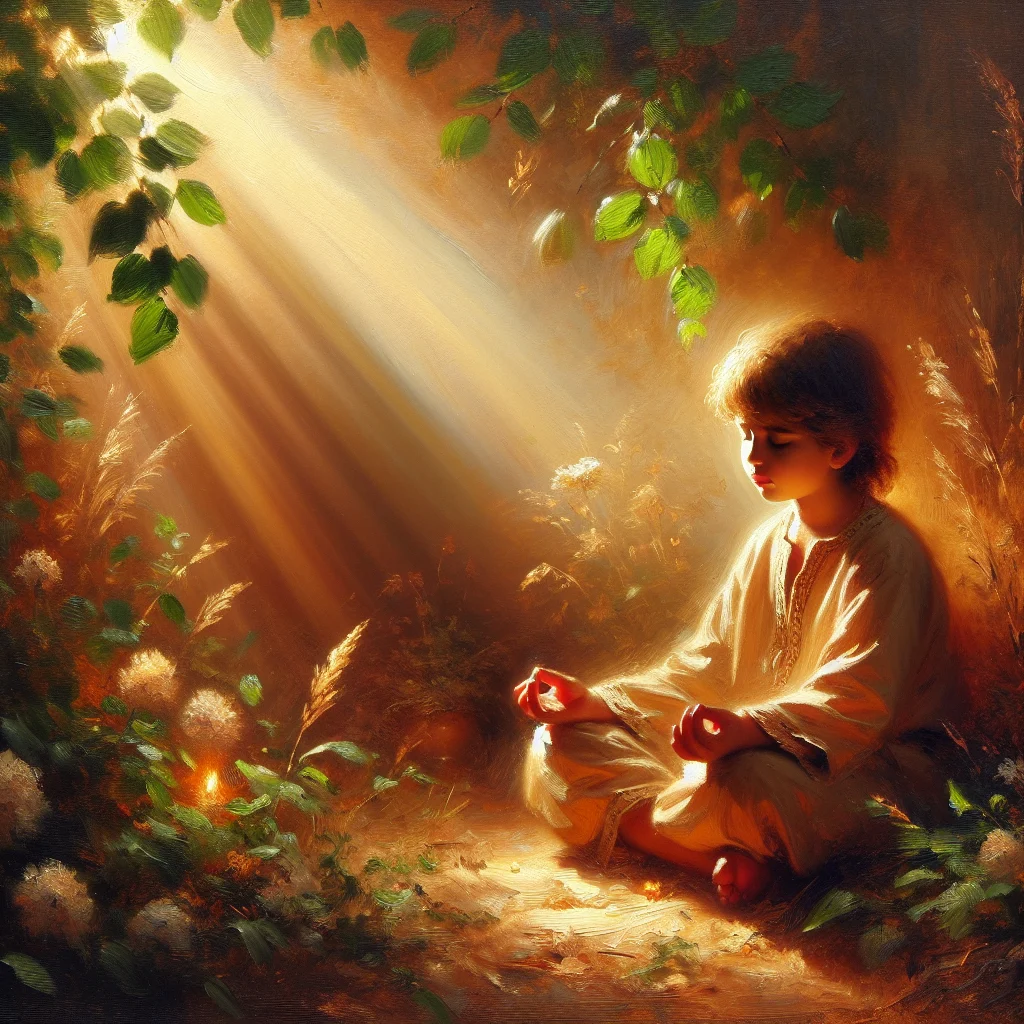
The Importance of Inner Peace for Kids
Inner peace isn’t reserved for monks or spiritual gurus. In fact, it’s something every child can learn. When kids develop emotional awareness and mental stillness early on, the benefits ripple through every part of their lives—from academic success to improved relationships and self-confidence.
According to the Wikipedia definition of mindfulness, it’s about “paying attention in a particular way: on purpose, in the present moment, and non-judgmentally.” When children practice this kind of intentional awareness, it helps reduce stress, improve focus, and foster resilience in difficult situations.
The goal isn’t to remove life’s difficulties but to give children tools to respond calmly to them. Kids who know how to tune into their breath, name their emotions, and pause during overwhelm develop a unique sense of inner control—even when the outer world is chaotic.
How to Introduce Inner Peace to Kids
1. Start with Breath Awareness
One of the simplest ways to introduce inner peace for kids is through breathing exercises. You don’t need a fancy setup or long sessions—it can take just a minute. Ask your child to sit comfortably, close their eyes if they want, and slowly inhale for four counts, then exhale for four counts. Do this together to build comfort and confidence.
Add visualization: “Let’s pretend we’re smelling a flower… now blowing out a candle.” These creative connections help make abstract concepts more relatable.
2. Make Mindfulness Playful
Children respond better to mindfulness when it feels playful and inviting. Introduce games like the “5 Senses Safari,” where they stop and name what they can see, hear, feel, smell, and taste around them. It sharpens their presence and helps them connect to the moment without pressure.
You can use toys or nature objects like leaves and stones for tactile grounding. This makes abstract practices feel more real for young participants.
3. Create Peaceful Daily Routines
Children thrive on routine, and building peaceful habits into daily life reinforces inner calm. Start the morning with soft music, stretching, or a few quiet moments before the rush begins. End the day with bedtime reflections or soft guided meditations.
Use mindfulness as a pause, not a punishment. If a child is acting out, pausing to breathe or reflect on emotions should be seen as a helpful tool, not a time-out.
The Role of Environment in Supporting Calm
Environment plays a bigger role than we often realize. Think about your child’s spaces—bedroom, study corner, even the car. Are they cluttered or calming? Adding natural light, open windows, minimal noise, calming colors, or soft materials can create a sense of peace.
Incorporate nature as much as possible. Whether it’s a walk in the park, a backyard picnic, or going barefoot in the grass, nature has scientifically proven benefits for calming the nervous system and supporting mindfulness in children. A study by the APA shows that regular exposure to green spaces helps reduce anxiety in children and improves focus.
Crystals and Inner Peace for Kids
Another surprisingly effective tool on a child’s journey to peace is using crystals. Crystals have been used for centuries to balance energy and promote well-being—and children often connect with them intuitively. Gemstones like amethyst, rose quartz, and lepidolite are known for their calming and heart-centered energies. These make perfect “peace stones” for kids to hold, play with, or keep under their pillow.
Curious about how crystals can enhance your child’s emotional health? Learn more in our article Best Crystal for Inner Peace.
You might also explore helpful resources in our Spirituality & Inner Work or Mindfulness & Meditation categories to find tools that align with your family’s journey.
Affirmations: Empowering Kids from Within
Positive affirmations are short, powerful statements that help shape beliefs. For children, they can boost self-esteem and reinforce calm thoughts. Some examples include:
- “I am safe and calm.”
- “I can handle anything that comes my way.”
- “Peace begins inside me.”
Let your child choose their favorite affirmation and repeat it at the start of the day or before bed. You can even write them on colorful sticky notes around their space.
Helping Kids Handle Big Feelings
Inner peace doesn’t mean avoiding emotions. It means acknowledging feelings and learning to sit with them. Teach your children that it’s okay to feel sad, angry, or scared. The key is what they do with these feelings.
Help them name their emotions. You might say: “It seems like you’re feeling frustrated—is that right?” This gives emotional language that connects feelings to behavior. Also, talk about strategies like drawing, movement, or talking to a trusted adult to process emotions.
Many kids going through spiritual growth or identity formation can become especially sensitive. For older children, emotional distress connected to deeper awareness can be surprisingly common. If this resonates with your child’s experience, you might appreciate reading Why Are Spiritual Awakenings So Painful?

Final Tips to Encourage Lifelong Calm
As with any practice, consistency is key. Don’t worry about getting it perfect—the most important thing is showing up with presence and care. Let inner peace be modeled, not mandated. When kids see you taking time to pause, breathe, and regulate your emotions, they’ll follow your lead.
Make peace a family value. Whether it’s through story time, outdoor rituals, or weekly “quiet time,” these shared experiences become the seeds of lifelong mindfulness.
Above all, remember that every child’s journey is unique. Some will embrace these practices quickly; others may resist or need more time. Stay patient, encouraging, and open-hearted.
Ready to create deeper bonds and emotional wellness? Discover “The Self-Love Reset” today.

