
In a world that constantly pushes us to move faster, achieve more, and pack every moment with productivity, the Japanese concept of slow living offers a refreshing alternative. This philosophy invites us to pause, breathe deeply, and reconnect with what truly matters. Rather than racing through life, slow living encourages us to savor each experience, find beauty in simplicity, and cultivate a deeper sense of presence. The Japanese have perfected this art through centuries of cultural wisdom, creating frameworks that help us navigate modern life with more grace and intention.
Slow living isn’t about doing everything at a snail’s pace or abandoning your responsibilities. Instead, it’s about being deliberate with your time, energy, and attention. For example, when you drink tea, you’re fully present with that experience rather than scrolling through your phone simultaneously. This approach to life has roots in various Japanese traditions and philosophies that emphasize mindfulness, simplicity, and harmony with nature.
If you’re looking to deepen your mindfulness practice while exploring slow living principles, consider Everyday Calm: A Beginner’s Guide to Daily Meditation. This resource can help you develop the awareness needed to truly embrace a slower, more intentional lifestyle.
Understanding the Japanese Philosophy Behind Slow Living
The Japanese concept of slow living draws from several interconnected philosophies that have shaped the culture for generations. One of the most significant is “ma,” which refers to the space between things—both physical and temporal. This isn’t empty space but rather a meaningful pause that allows experiences to breathe and moments to resonate. When we embrace ma, we stop filling every second with activity and instead appreciate the natural rhythm of life.
Another fundamental principle is “ichigo ichie,” which translates to “one time, one meeting.” This concept reminds us that each moment is unique and will never occur again in exactly the same way. Therefore, we should treasure every encounter and experience as precious and unrepeatable. This philosophy naturally leads to more mindful engagement with daily activities, whether you’re having coffee with a friend or walking through a park.
The practice of “wabi-sabi” also influences the Japanese approach to slow living. This aesthetic philosophy finds beauty in imperfection, impermanence, and incompleteness. Rather than striving for polished perfection, wabi-sabi teaches us to appreciate things as they are—weathered, flawed, and authentic. Consequently, this perspective reduces stress and helps us accept the natural flow of life without constant resistance.
“Mottainai” represents another crucial element, expressing regret over waste and encouraging us to recognize the inherent value in everything. This mindset promotes gratitude and careful consideration before discarding anything, whether it’s food, objects, or time. By practicing mottainai, we develop a deeper appreciation for resources and become more intentional about our consumption patterns.
Finally, the concept of “kintsugi”—the art of repairing broken pottery with gold—teaches us that breakage and repair are part of an object’s history rather than something to hide. Similarly, our struggles and imperfections make us more beautiful and valuable. This philosophy encourages self-compassion and patience, both essential qualities for anyone seeking to understand the slow living definition and incorporate it into their lives.
These philosophies work together to create a comprehensive framework for living more slowly and intentionally. Moreover, they offer practical wisdom that remains remarkably relevant in our fast-paced modern world. Understanding these concepts provides a foundation for implementing slow living practices in meaningful ways.
How Traditional Japanese Practices Support Slow Living
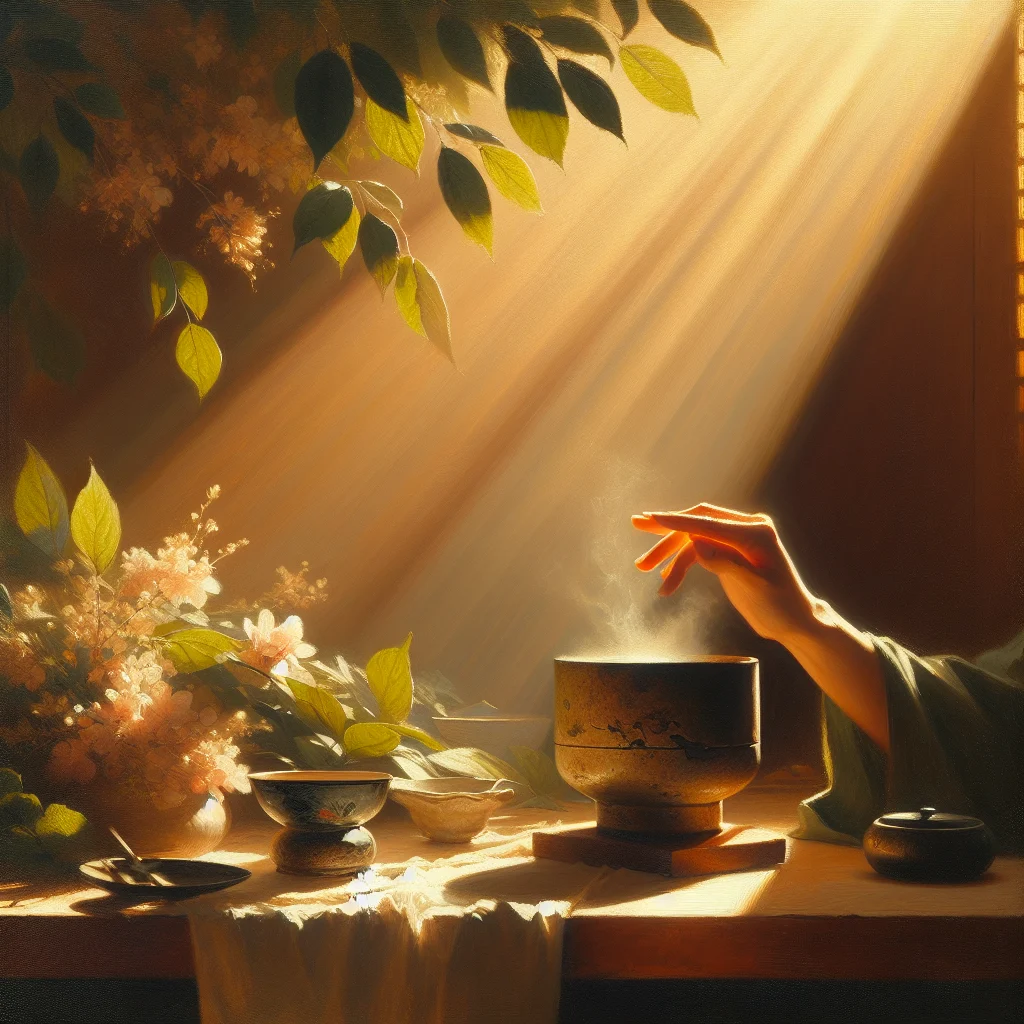
Japanese daily rituals beautifully embody slow living principles. The tea ceremony, or “chanoyu,” exemplifies this perfectly. Every movement is deliberate and mindful, from the way you hold the cup to how you appreciate its design. This practice isn’t simply about drinking tea; rather, it’s about creating a meditative space where you can fully engage with the present moment.
Forest bathing, known as “shinrin-yoku,” represents another traditional practice that supports slow living. This involves spending time in nature, absorbing the forest atmosphere through all your senses. Unlike hiking with a destination in mind, forest bathing encourages wandering without purpose, simply being present with the natural environment. Research has shown that this practice reduces stress hormones, improves mood, and enhances overall wellbeing.
The Japanese approach to meals also reflects slow living values. “Kaiseki” dining presents multiple small courses, each prepared with seasonal ingredients and served with artistic presentation. This style of eating encourages you to savor each dish slowly, appreciating the flavors, textures, and visual beauty. Even everyday meals in Japan often involve multiple small dishes that invite mindful eating rather than hurried consumption.
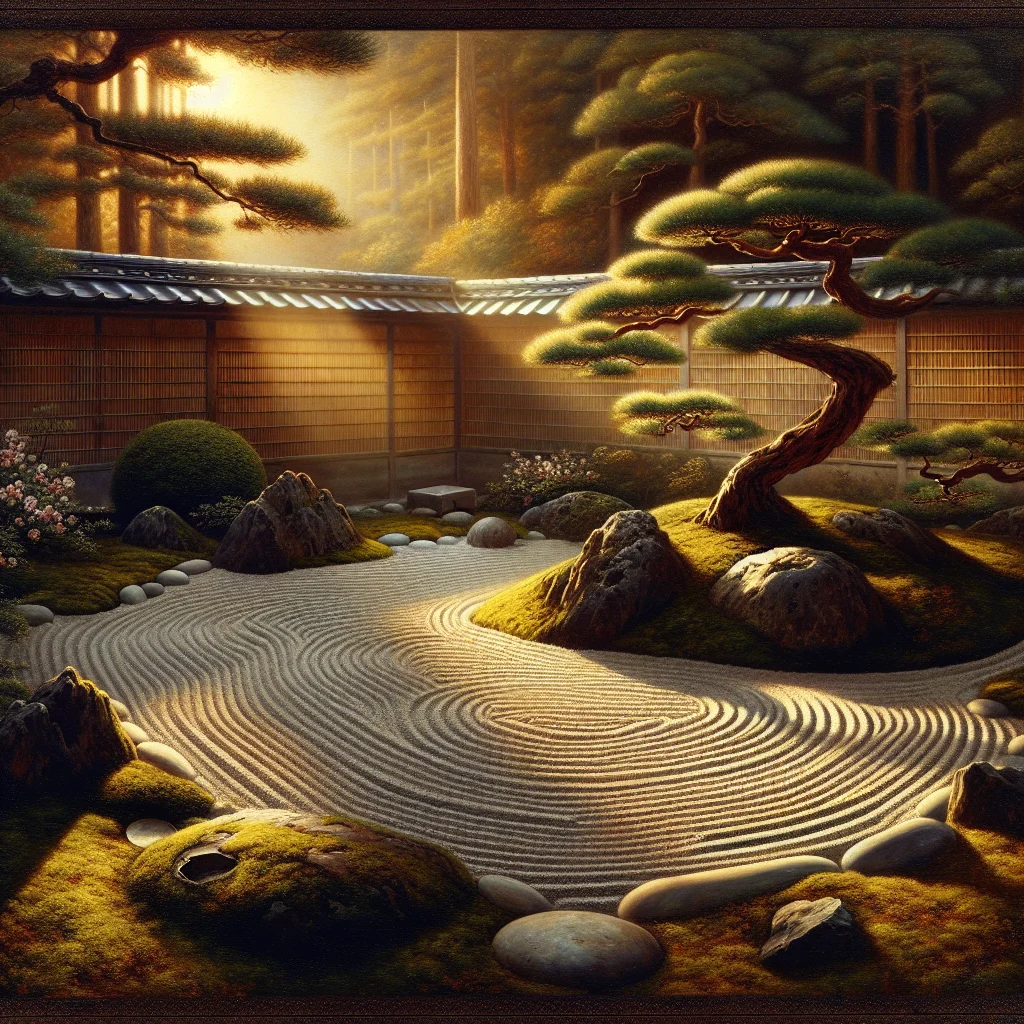
Additionally, traditional Japanese gardens are designed to promote contemplation and tranquility. These spaces incorporate natural elements like water, stones, and carefully pruned plants to create miniature landscapes that invite slow observation. Walking through such gardens teaches patience and attention to subtle details—skills that translate beautifully into daily life when you’re seeking to slow down.
Practical Ways to Incorporate Japanese Slow Living Into Modern Life
Bringing the Japanese concept of slow living into your contemporary routine doesn’t require moving to Japan or completely overhauling your lifestyle. Instead, you can start with small, manageable changes that gradually shift your relationship with time and presence. For instance, begin your day with a simple morning ritual that grounds you before the day’s demands take over. This might involve sitting quietly with tea, writing in a journal, or simply sitting by a window observing the morning light.
Creating dedicated spaces for single activities helps cultivate the focus that slow living requires. Rather than constantly multitasking, designate specific areas for specific purposes—a reading corner, a meditation spot, or a crafting table. When you enter these spaces, commit to doing only that one activity with full attention. This practice honors the Japanese principle of ma by creating both physical and mental space around your activities.
Adopting a seasonal mindset connects you more deeply with natural cycles, another key aspect of Japanese slow living. Pay attention to what foods are in season and incorporate them into your meals. Notice the changing light, temperature, and natural beauty around you. This awareness helps you move with life’s natural rhythm rather than constantly pushing against it. Furthermore, seasonal living reduces the sense of every day being identical, bringing more variety and appreciation into your experience.
The practice of “omotenashi,” or wholehearted hospitality, can transform how you approach relationships and interactions. This isn’t about formal entertaining but rather about giving your full, genuine attention to others. When someone speaks to you, put down your phone and truly listen. When you prepare food for others, do so with care and consideration. These small acts of mindful attention strengthen connections and slow down the quality of your interactions.
Simplifying your physical environment also supports slow living. The Japanese aesthetic of minimalism isn’t about stark emptiness but rather about keeping only what serves a purpose or brings joy. Each item in your space should have meaning and contribute to a sense of calm. By reducing visual clutter and surrounding yourself only with meaningful objects, you create an environment that naturally encourages slower, more intentional living.
Moreover, establishing boundaries around technology use helps protect the slower pace you’re cultivating. Designate tech-free times or spaces in your home where devices aren’t allowed. This might include meal times, the first hour after waking, or your bedroom. Without constant digital stimulation, you’ll find it easier to engage more deeply with physical activities and in-person connections, which are central to the Japanese approach to slow living.
Integrating Slow Living Principles Into Your Work Life
Many people assume that slow living contradicts productive work, but the Japanese concept actually enhances effectiveness rather than diminishing it. The practice of “kaizen,” or continuous improvement through small changes, demonstrates how slow, steady progress often yields better results than frantic rushing. Instead of overwhelming yourself with massive projects, break work into smaller, manageable tasks that you can complete with full attention and care.
The principle of “shokunin kishitsu,” or craftsman’s spirit, emphasizes taking pride in your work regardless of how mundane it might seem. Whether you’re writing an email, preparing a presentation, or organizing files, approach each task with the mindset of a master craftsman. This attitude naturally slows you down in beneficial ways, as you focus on quality rather than simply checking items off a list. As a result, your work becomes more satisfying and often produces better outcomes.
Learning more about how these principles can transform your professional life might be valuable. The article on slow living and work explores this topic in greater depth, offering specific strategies for maintaining a mindful approach even in demanding work environments.
The Benefits of Embracing Japanese Slow Living Philosophy
Adopting the Japanese concept of slow living offers profound benefits that extend far beyond simply feeling less rushed. Research consistently shows that chronic stress and constant hurrying contribute to numerous health problems, including cardiovascular disease, weakened immune function, and mental health challenges. By intentionally slowing down, you give your nervous system permission to shift out of constant fight-or-flight mode and into a more restorative state.
Mental clarity improves significantly when you stop fragmenting your attention across multiple tasks simultaneously. The Japanese approach to doing one thing at a time with full presence allows your brain to work more efficiently. You’ll likely find that you make better decisions, solve problems more creatively, and remember information more easily. Additionally, the constant mental chatter that often accompanies our rushed modern lives tends to quiet down, creating more inner peace and stability.
Relationships deepen when you bring slow living principles into your interactions with others. Because you’re more present and less distracted, conversations become more meaningful and connections strengthen. The quality of time you spend with loved ones matters far more than the quantity, and slow living helps you maximize that quality. People in your life will notice when you’re truly present with them rather than physically there while mentally elsewhere.
Creativity flourishes in the spaciousness that slow living creates. When you’re constantly rushing from one thing to the next, there’s no room for the daydreaming, wondering, and playful exploration that feeds creative thinking. By contrast, incorporating ma—those meaningful pauses—into your schedule allows ideas to percolate and unexpected connections to form. Many people find that their most innovative thinking happens during activities that embrace slowness, such as walking, gardening, or simply sitting quietly.
The practice of slow living also enhances your appreciation for everyday experiences. When you rush through meals, they become mere fuel rather than sensory pleasures. When you hurry through nature, you miss the intricate details that make it beautiful. By slowing down, ordinary moments transform into sources of joy and wonder. This shift in perspective can dramatically improve your overall life satisfaction without requiring any external changes in circumstances.
Furthermore, living more slowly often leads to more sustainable and ethical choices. When you practice mottainai and carefully consider the value of everything, you naturally consume less and waste less. This benefits both your wallet and the environment. The thoughtfulness that slow living cultivates extends to considering where products come from, how they’re made, and whether you truly need them—leading to more conscious consumption patterns.
Scientific Support for Slow Living Practices
Modern neuroscience increasingly validates what Japanese culture has understood for centuries. Studies show that mindfulness practices, which form the foundation of slow living, actually change brain structure in beneficial ways. According to research from Harvard Medical School, mindfulness meditation can reduce anxiety and mental stress while improving focus and emotional regulation.
The concept of “nature deficit disorder,” though not an official diagnosis, describes the negative consequences of spending too little time in natural environments. Japanese forest bathing addresses this directly, and research published in peer-reviewed journals demonstrates measurable physiological benefits including reduced cortisol levels, lower blood pressure, and improved immune function. These findings confirm that slowing down and connecting with nature isn’t just pleasant—it’s medicinal.
Understanding how slow living society movements are growing globally can provide inspiration and connection with others on similar journeys. This shift represents a collective recognition that our rushed modern lifestyle isn’t serving our wellbeing, and that alternative approaches rooted in ancient wisdom offer viable solutions.
Creating Your Personal Japanese-Inspired Slow Living Practice
Developing your own slow living practice requires patience and self-compassion—ironically, you can’t rush into slowing down. Start by identifying one area of your life that feels particularly hurried or stressful. This might be mornings, mealtimes, your commute, or work tasks. Rather than trying to transform everything at once, focus your initial efforts on this single area. For example, if mornings feel chaotic, you might create a simple ritual that helps you start the day with intention rather than panic.
Observation is a powerful tool in developing your practice. Spend time noticing your current patterns without judgment. When do you feel most rushed? What triggers your sense of time pressure? What activities do you genuinely enjoy versus those you do purely out of obligation? This awareness creates the foundation for meaningful change because you can’t shift patterns you haven’t fully recognized. Moreover, this process of observation itself embodies slow living principles by encouraging present-moment awareness.
Experimentation with different Japanese-inspired practices helps you discover what resonates most deeply with your personality and circumstances. You might try a formal tea practice one week, forest bathing the next, and then explore creating a small zen garden. Not every practice will feel equally meaningful to you, and that’s perfectly fine. The goal isn’t to adopt all aspects of Japanese culture but rather to find elements that enhance your personal journey toward a slower, more intentional life.
Creating supportive structures makes your slow living practice more sustainable. This might involve setting phone-free zones, establishing morning and evening rituals, scheduling regular time in nature, or designating one day per week as a “slow day” with minimal commitments. These structures shouldn’t feel restrictive but rather supportive—scaffolding that holds space for the kind of life you want to cultivate. Additionally, visual reminders can help, such as meaningful objects placed where you’ll see them that prompt you to pause and breathe.
Community support significantly enhances your ability to maintain slow living practices in a culture that doesn’t always value them. Seek out others who share similar intentions, whether through local groups, online communities, or friends who want to explore this lifestyle together. When you’re surrounded by people who constantly rush and glorify busyness, maintaining a different pace requires considerable energy. However, when you connect with others who understand and support your choices, the path becomes much easier.
Regular reflection helps you assess what’s working and what needs adjustment in your practice. Set aside time weekly or monthly to review your slow living journey. Are you feeling more present and peaceful? Which practices have been most beneficial? Where are you still struggling? This ongoing evaluation allows you to refine your approach continuously, embodying the Japanese principle of kaizen—gradual, continuous improvement through small, thoughtful changes.
Resources can support your journey significantly. Consider exploring Manifest Your Dreams: A Practical Guide to the Law of Attraction to understand how intentional living connects with creating the life you truly desire. Additionally, the category on Holistic Living offers numerous articles that complement slow living philosophy with related approaches to wellbeing.
Overcoming Common Challenges in Slow Living
One of the most significant obstacles people face when adopting slow living is the guilt that arises from going against cultural norms. When everyone around you is busy and constantly doing, choosing to slow down can feel selfish or lazy. However, it’s essential to recognize that this guilt is socially constructed rather than inherently valid. Taking time to live intentionally doesn’t make you less productive or valuable; in fact, it often makes you more effective and present in the activities you do choose to pursue.
External pressure from work, family, or social obligations can also challenge your commitment to slow living. Not everyone will understand or support your choices, and some may actively resist them. In these situations, clear communication about your values and boundaries becomes crucial. You don’t need to convince others to adopt slow living themselves, but you do need to maintain your own practice despite their skepticism. Finding language that helps others understand your choices without being defensive can make these conversations more productive.
The practical reality of financial obligations and responsibilities can seem incompatible with slow living. However, the Japanese concept doesn’t require dropping out of mainstream society or abandoning your responsibilities. Instead, it’s about bringing a different quality of attention and intention to whatever you’re doing. You can fulfill your obligations while still practicing mindfulness, simplifying where possible, and protecting time for restoration. Furthermore, many people find that slow living actually improves their financial situation by reducing unnecessary consumption and helping them make more intentional career choices.
For additional perspectives and inspiration, exploring resources on Mindfulness & Meditation can deepen your understanding of the awareness practices that support slow living. These complementary approaches work together to create a more balanced, intentional lifestyle.
Conclusion: The Lifelong Journey of Slow Living
The Japanese concept of slow living offers a profound antidote to the stress and disconnection many of us experience in modern life. Through principles like ma, ichigo ichie, wabi-sabi, and mottainai, this philosophy provides practical wisdom for creating a more meaningful, present, and satisfying existence. Rather than being a destination you reach, slow living is an ongoing practice that deepens over time as you become more skilled at recognizing and savoring the richness of each moment.
Remember that embracing slow living doesn’t mean perfection or completely eliminating busyness from your life. There will still be rushed days, stressful periods, and moments when you fall back into old patterns. What matters is your overall direction and your willingness to keep returning to intentional presence when you notice yourself speeding up unnecessarily. Each time you choose to pause, breathe, and engage fully with what’s in front of you, you strengthen your capacity for slow living.
The benefits of this practice extend far beyond personal wellbeing. As more people embrace slower, more intentional living, we collectively create space for different values to emerge in our communities and society. This shift toward quality over quantity, presence over productivity, and meaning over constant achievement can transform not just individual lives but the cultural context we all share.
If you’re ready to deepen your journey toward greater self-awareness and intentional living, The Self-Love Reset: A Journey to Rediscover Yourself offers valuable guidance for developing the inner foundation that supports sustainable slow living practices. This compassionate approach to personal growth aligns beautifully with Japanese slow living philosophy.
Ultimately, the Japanese concept of slow living invites us to reconsider what constitutes a life well-lived. Rather than measuring success by how much we accomplish or accumulate, it asks us to value how fully we engage with our experiences, how deeply we connect with others, and how much beauty and meaning we can find in the ordinary moments that make up our days. This shift in perspective has the power to transform not just how we spend our time, but how we experience being alive.

