
In today’s fast-paced world, the concept of a slow living society has emerged as a powerful antidote to the relentless hustle culture that dominates modern life. More people are realizing that constantly rushing through days, multitasking endlessly, and chasing productivity metrics isn’t leading to genuine happiness or fulfillment. Instead, a growing movement is encouraging us to step back, breathe deeply, and reconsider what truly matters. The slow living society represents a collective shift toward intentionality, mindfulness, and finding joy in life’s simple moments.
This movement isn’t about being lazy or unproductive. Rather, it’s about making conscious choices that align with your values and well-being. When you embrace slow living principles, you’re essentially joining a global community of individuals who prioritize quality over quantity, experiences over possessions, and presence over perpetual motion. The slow living society challenges the conventional narrative that busier equals better and invites us to create lives filled with meaning rather than just activity.
For anyone feeling overwhelmed by constant demands and digital noise, exploring this lifestyle can be transformative. In fact, resources like Everyday Calm: A Beginner’s Guide to Daily Meditation can help you start incorporating mindful practices that align perfectly with slow living principles. As we delve deeper into what defines this movement, you’ll discover practical ways to integrate these values into your everyday routine.
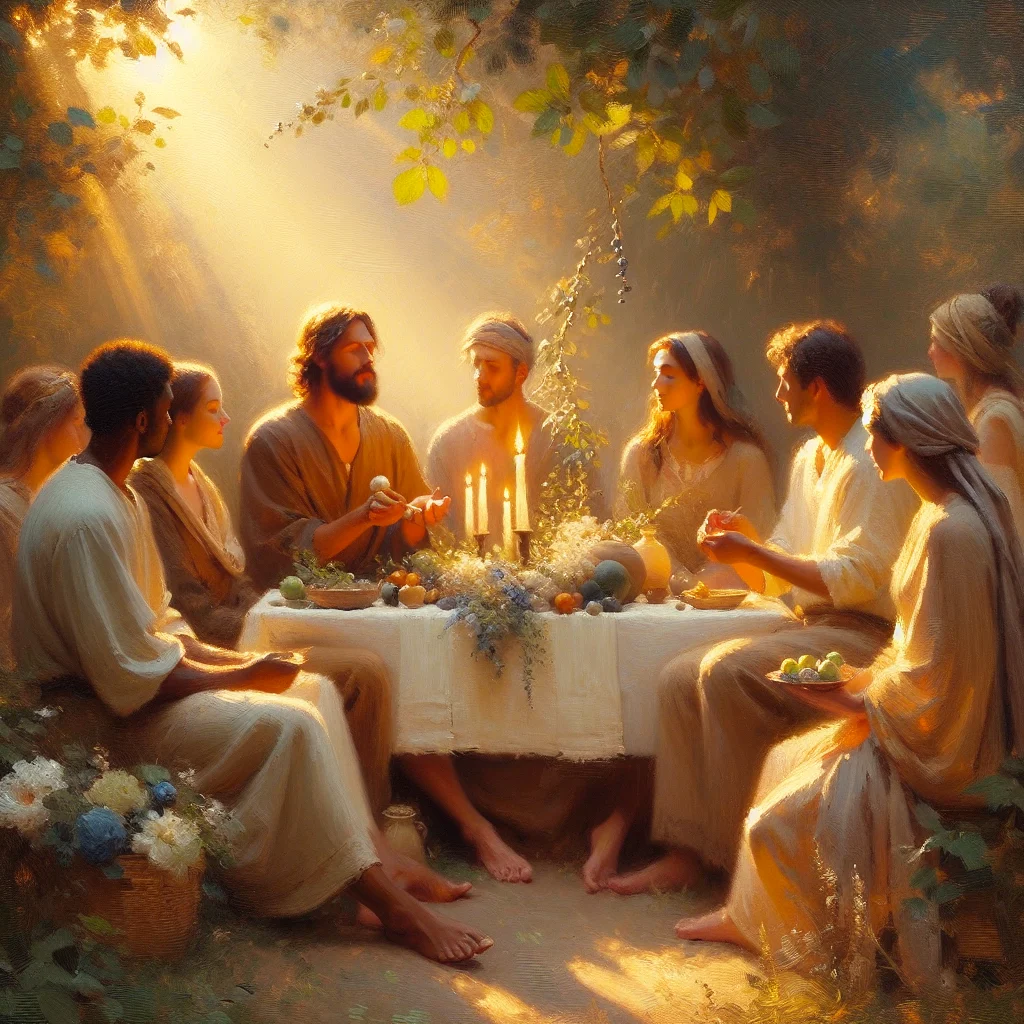
Understanding the Slow Living Society Movement
The slow living society didn’t appear overnight. Its roots trace back to the Slow Food movement that began in Italy during the 1980s as a protest against fast food culture. However, the philosophy has since expanded far beyond cuisine to encompass all aspects of daily life. Today, it represents a comprehensive approach to living that emphasizes sustainability, community connection, and personal well-being.
At its core, this movement questions the assumption that faster is always better. While technology has brought incredible conveniences, it has also created an expectation of constant availability and immediate responses. The slow living society pushes back against this pressure, suggesting that we have the right—and perhaps the responsibility—to set our own pace. This isn’t about rejecting modernity entirely but rather about being selective and intentional with how we engage with it.
One fascinating aspect of this community is its diversity. You’ll find urban professionals who’ve restructured their careers around flexibility, families who’ve moved to rural areas seeking simpler lifestyles, and young people who’ve rejected traditional career trajectories in favor of more meaningful work. What unites them is a shared commitment to living deliberately. For those curious about the foundational concepts, exploring the slow living definition can provide valuable context about how this philosophy has evolved.
Core Principles That Define Slow Living
Several key principles form the foundation of the slow living society. First and foremost is mindfulness—the practice of being fully present in each moment rather than constantly planning the next task. When you eat, you actually taste your food instead of scrolling through your phone. When you spend time with loved ones, you’re genuinely engaged rather than mentally reviewing your to-do list. This presence transforms ordinary experiences into sources of joy and connection.
Another essential principle is intentionality. Members of the slow living society make deliberate choices about how they spend their time, energy, and resources. This might mean saying no to commitments that don’t align with your values, even when social pressure suggests otherwise. It could involve choosing quality items that last rather than constantly purchasing cheap, disposable products. Intentionality extends to relationships as well, prioritizing deep connections over superficial social networking.
Sustainability also plays a crucial role. Because slow living encourages reduced consumption and greater appreciation for what you already have, it naturally aligns with environmental consciousness. Many advocates grow their own food, repair items instead of replacing them, and support local businesses. This isn’t just about personal benefit—it’s about recognizing our interconnectedness with the planet and future generations. Additionally, the movement emphasizes self-sufficiency and developing practical skills that reduce dependence on complex supply chains.
The Psychological Benefits of Slowing Down
Research increasingly supports what slow living advocates have long known intuitively: slowing down benefits mental health significantly. Studies on mindfulness demonstrate that practices central to slow living reduce stress, improve emotional regulation, and enhance overall psychological well-being. When you’re not constantly rushing, your nervous system can shift from fight-or-flight mode to a calmer state where creativity and problem-solving flourish.
Furthermore, the slow living society approach helps combat the epidemic of burnout affecting workers across industries. By establishing boundaries around work hours, prioritizing rest, and refusing to glorify exhaustion, practitioners create sustainable rhythms that support long-term productivity rather than short-term hustle. This perspective aligns closely with concepts explored in Mental Health & Wellbeing resources that emphasize balance over constant achievement.
The movement also addresses the loneliness crisis affecting many modern societies. Because slow living emphasizes quality relationships and community engagement, participants often report feeling more connected and supported. Instead of having hundreds of superficial online connections, they invest in fewer but deeper relationships. These meaningful bonds provide emotional resilience during difficult times and enhance joy during celebrations. In essence, slow living creates space for the human connections that make life truly rich.
Practical Ways to Join the Slow Living Society
Transitioning to a slower pace doesn’t require dramatic life overhauls or moving to a remote cabin. In fact, small, consistent changes often prove more sustainable than radical transformations. The beauty of the slow living society is that it’s highly adaptable to individual circumstances, whether you’re a busy parent, a corporate professional, or a student juggling multiple responsibilities. The key is starting where you are and making adjustments that feel authentic to your situation.
One of the most accessible entry points is examining your daily routines. Consider which activities genuinely add value to your life and which you do out of habit or obligation. Perhaps you spend an hour each evening scrolling social media when you’d actually prefer reading or taking a walk. Maybe you rush through breakfast when you could wake up twenty minutes earlier to enjoy a peaceful morning meal. These small shifts create pockets of intentionality throughout your day, gradually changing your overall relationship with time.
Another practical approach involves what many call “single-tasking”—the opposite of multitasking. When working on a project, close unnecessary browser tabs and silence notifications. When cooking dinner, focus on the sensory experience rather than simultaneously watching television. This focused attention not only improves the quality of your work but also makes everyday activities more satisfying. You might find inspiration in approaches outlined in resources like the slow living planner, which helps structure days around priorities rather than constant productivity.
Creating a Slow Living Home Environment
Your physical environment significantly impacts your ability to embrace slow living principles. A cluttered, chaotic space makes it difficult to relax and be present. Consequently, many people in the slow living society adopt minimalist approaches—not necessarily extreme minimalism, but thoughtful curation of belongings. This means keeping items that serve a purpose or bring genuine joy while releasing things that create visual noise or require excessive maintenance.
The process of simplifying your space can itself be a mindful practice. Rather than frantically decluttering in a weekend marathon, approach it gradually. Spend time considering each item’s role in your life. Does it support the lifestyle you want to create? Does it hold meaningful memories, or is it just taking up space? This reflective approach transforms decluttering from a chore into an opportunity for self-discovery. Moreover, living with less means less time spent cleaning, organizing, and maintaining possessions—time you can redirect toward activities you actually enjoy.
Beyond decluttering, consider how you can make your home a sanctuary that supports slower rhythms. This might involve creating cozy reading nooks, establishing a meditation corner, or simply improving lighting to reduce harsh fluorescent glare. Natural elements like plants, natural light, and organic materials help create calming atmospheres. Some adherents of slow living even incorporate practices from holistic health healing, using their homes as spaces for restoration and renewal rather than just functional housing.
Slow Living in Your Professional Life
While it might seem counterintuitive, embracing slow living principles can actually enhance professional success. When you’re less scattered and more focused, the quality of your work improves dramatically. Many people find they accomplish more in fewer hours when they work with intention rather than simply staying busy. This shift requires setting clear boundaries—perhaps not checking email after certain hours or batching similar tasks together rather than constantly switching contexts.
The slow living society also encourages rethinking what professional success means. Does it have to involve climbing corporate ladders and maximizing income? Or could it mean finding work that aligns with your values, allows for flexibility, and leaves energy for personal pursuits? Some discover satisfaction in slow living jobs that pay well while still offering work-life balance. Others reduce expenses to require less income, trading higher salaries for more time and autonomy.
Additionally, the movement promotes skill development and craftsmanship over efficiency alone. Whether you’re a graphic designer, writer, accountant, or teacher, there’s value in taking pride in quality work rather than rushing to produce maximum quantity. This approach often leads to greater professional satisfaction and recognition. Clients and colleagues appreciate thoroughness and attention to detail, even in our rapid-fire business culture. Furthermore, by modeling sustainable work practices, you might inspire positive changes in your workplace culture that benefit everyone.
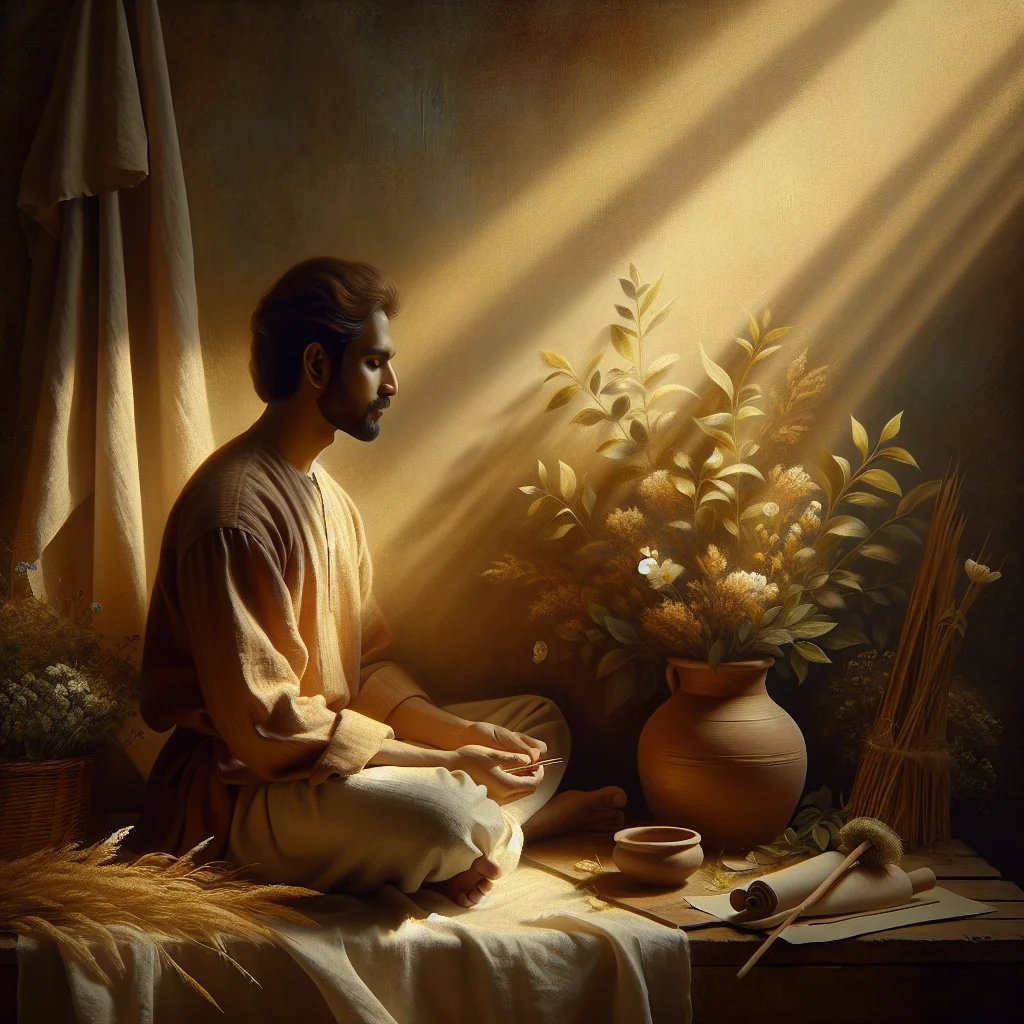
Building Community Around Slow Living Values
One of the most rewarding aspects of the slow living society is discovering like-minded individuals who share your values. While mainstream culture often pressures us toward constant busyness, finding a community that celebrates intentional living provides validation and support. These connections remind you that you’re not alone in questioning conventional priorities and seeking more meaningful alternatives. In fact, community might be the secret ingredient that transforms slow living from an individual practice into a sustainable lifestyle.
Fortunately, slow living communities exist both online and in physical spaces. Social media groups, forums, and blogs connect people across geographical boundaries, allowing you to share experiences, ask questions, and find inspiration. Many cities also have local groups that organize activities like clothing swaps, community gardens, skill-sharing workshops, and potluck dinners. These gatherings embody slow living principles by emphasizing connection, sustainability, and shared experiences over commercial entertainment.
Creating or joining such communities doesn’t require grand gestures. You might start by inviting neighbors for a casual get-together, organizing a book club focused on intentional living, or simply having deeper conversations with friends about what matters most. As you discuss concepts from resources like writings by Carl Honoré on slow living, you’ll likely find others who’ve been thinking similarly but hadn’t articulated it. These relationships become networks of mutual support that make slow living more sustainable during challenging times.
Slow Food and Mindful Eating Practices
Given its origins in the Slow Food movement, it’s no surprise that food plays a central role in the slow living society. This approach to eating goes far beyond simply cooking at home—it encompasses how food is grown, prepared, consumed, and shared. Rather than viewing meals as fuel to be consumed quickly between tasks, slow living treats eating as a sacred act worthy of attention and appreciation. This shift can dramatically improve both your relationship with food and your overall health.
Mindful eating practices encourage you to engage all your senses during meals. Notice the colors, textures, and aromas of your food. Chew slowly, paying attention to flavors and how they evolve. Put down your fork between bites. This deliberate approach helps you recognize satiety signals, reducing overeating while increasing satisfaction. Moreover, when you’re truly present during meals, even simple food becomes more enjoyable. A perfectly ripe tomato or freshly baked bread can provide immense pleasure when you’re paying attention.
Many in the slow living society also prioritize knowing where their food comes from. This might mean shopping at farmers markets, joining CSA programs, or growing herbs and vegetables at home. These practices reconnect you with natural cycles and seasons while often providing fresher, more nutritious options. Additionally, cooking from scratch becomes a meditative practice rather than a chore when approached with the right mindset. The rhythmic motions of chopping vegetables or kneading dough can be genuinely relaxing, transforming meal preparation into self-care rather than just another task.
Embracing Natural Rhythms and Seasonality
The slow living society encourages alignment with natural rhythms rather than fighting against them. Modern life often disconnects us from seasonal cycles—we eat strawberries in December, work the same hours year-round regardless of daylight, and maintain climate-controlled environments that eliminate weather awareness. However, reconnecting with these patterns can enhance well-being and create a more grounded experience of time.
This might mean adjusting your schedule with the seasons when possible. Perhaps you wake earlier in summer to enjoy long, light-filled mornings, while in winter you embrace coziness and earlier bedtimes. You might plan more social activities during pleasant weather months and reserve winter for introspective projects. Eating seasonally not only provides better-tasting, more nutritious food but also creates a comforting rhythm throughout the year as you anticipate favorite seasonal treats.
For those interested in deeper connection with natural cycles, exploring traditions from various cultures can be enlightening. Many spiritual practices align with seasonal changes, offering rituals and observances that mark transitions throughout the year. These don’t require adherence to any particular belief system—they simply provide frameworks for acknowledging and celebrating natural patterns. This perspective aligns well with approaches found in Spirituality & Inner Work resources that emphasize connection to something larger than individual concerns.
Overcoming Challenges in Slow Living Practice
While the slow living society offers tremendous benefits, transitioning to this lifestyle isn’t without challenges. One of the most significant obstacles is external pressure from a culture that glorifies busyness. When colleagues brag about working seventy-hour weeks or friends fill every weekend with activities, choosing a slower pace can feel countercultural. You might face questions or judgment about your priorities, especially if people misinterpret slow living as laziness or lack of ambition.
Developing confidence in your choices helps navigate these situations. Remember that you’re not obligated to justify your lifestyle to others. However, when you do discuss it, focusing on positive aspects—what you’re gaining rather than what you’re rejecting—often resonates better. Explain that you’re choosing depth over breadth, quality over quantity. Many people respond positively when they understand slow living as intentional rather than passive. Additionally, as you experience benefits like reduced stress and improved relationships, your embodiment of these principles becomes its own argument.
Another challenge involves the practical realities of modern life. Bills need paying, children have school schedules, and certain commitments can’t be eliminated. The key is recognizing that slow living exists on a spectrum. You don’t need to achieve some perfect ideal to benefit from the philosophy. Even small changes—a technology-free hour each evening, one slow meal per week, or monthly nature walks—can shift your overall experience. Progress matters more than perfection, and experimenting with what works for your circumstances is part of the journey.
Technology and the Slow Living Society
Technology presents unique challenges for slow living practitioners. On one hand, digital tools enable wonderful connections, learning opportunities, and efficiencies. On the other, they’re deliberately designed to capture attention and create compulsive use patterns. Notifications, infinite scrolling, and algorithm-driven content feeds work against the intentionality central to slow living. Therefore, developing a thoughtful relationship with technology becomes essential.
Many in the slow living society adopt what’s called “digital minimalism”—being selective about which technologies serve your goals and eliminating those that don’t. This might mean deleting social media apps from your phone while keeping access on your computer for intentional, time-limited use. It could involve turning off all non-essential notifications or designating technology-free zones in your home. Some people observe regular digital sabbaths, unplugging completely for a day each week to reset their relationship with devices.
The goal isn’t necessarily to reject technology entirely but to ensure it serves you rather than the reverse. Ask yourself: Does this tool help me live according to my values? Does it connect me meaningfully with others, or does it leave me feeling empty? Am I choosing to use it, or am I compulsively reaching for it out of habit? These questions help distinguish between beneficial and detrimental technology use. When thoughtfully integrated, technology can even support slow living—connecting you with community, providing access to resources like documentaries on the movement, or helping organize simplified routines.
Financial Considerations and Slow Living
Contrary to popular assumption, slow living doesn’t necessarily require financial sacrifice. In fact, many practitioners find they spend less money when they adopt these principles. Reduced consumption, cooking at home, and finding joy in free activities like nature walks naturally decrease expenses. Additionally, the emphasis on quality over quantity often means buying fewer but better items that last longer, ultimately saving money despite higher initial costs.
However, some aspects of transitioning to slow living may require upfront investment. If you’re moving from a high-stress job to more fulfilling but lower-paying work, you’ll need to adjust your budget accordingly. Creating a home environment that supports slower rhythms might involve some purchasing, though creativity and secondhand options can minimize costs. The key is approaching financial decisions with the same intentionality you bring to other areas—spending money on what genuinely enhances your life while eliminating expenses on things that don’t.
For those concerned about long-term financial security, it’s worth noting that slow living doesn’t mean abandoning financial planning. Rather, it means defining security on your own terms. Perhaps you need less savings if your lifestyle requires less income. Maybe your security comes partly from practical skills that reduce dependence on purchased services. Some find that country slow living significantly reduces housing costs, freeing up resources for other priorities. The movement encourages questioning conventional financial narratives while still maintaining responsibility toward your future needs.
The Future of the Slow Living Society
As burnout rates climb, environmental concerns intensify, and people increasingly question whether conventional success delivers fulfillment, the slow living society continues gaining momentum. What began as a niche movement now attracts attention from mainstream media, academic researchers, and even some corporations recognizing that overworked employees aren’t effective employees. This growing awareness suggests we might be at a cultural inflection point where slower, more intentional living becomes not just accepted but celebrated.
Younger generations particularly embrace these values, perhaps recognizing that previous generations’ paths—climbing corporate ladders, accumulating possessions, constant productivity—haven’t necessarily produced happiness. Many prioritize flexibility, meaningful work, and work-life integration over traditional markers of success. This shift has implications for everything from urban planning to employment practices, potentially reshaping society in significant ways. As more people demand workplaces that respect boundaries and communities designed for connection rather than just efficiency, systemic changes become possible.
Looking ahead, the slow living society may evolve to address emerging challenges like climate change, technological advancement, and economic uncertainty. The movement’s emphasis on sustainability, community resilience, and reduced consumption offers practical responses to environmental crises. Its focus on human connection and meaning provides antidotes to isolation in increasingly digital societies. Rather than being nostalgic or backward-looking, slow living might represent a sophisticated, adaptive approach to modern challenges—one that honors both tradition and innovation.
Resources for Continued Exploration
If you’re inspired to explore slow living further, numerous resources can support your journey. Books by authors who’ve deeply investigated this lifestyle provide both philosophical grounding and practical advice. Documentaries on slow living offer visual inspiration and introduce you to diverse practitioners worldwide. Podcasts dedicated to intentional living provide ongoing motivation and community connection as you navigate your own path.
Additionally, consider exploring related philosophies that complement slow living principles. Concepts from Holistic Living emphasize the interconnection between physical, mental, and spiritual well-being. Practices like meditation, which you can learn more about through guides such as Manifest Your Dreams: A Practical Guide to the Law of Attraction, deepen the mindfulness central to slow living. Some practitioners also incorporate alternative healing modalities like those explored in resources about self-healing stones as part of their holistic approach.
Remember that joining the slow living society isn’t about achieving perfection or following rigid rules. It’s about questioning assumptions, making conscious choices, and creating a life aligned with your deepest values. Some days will feel more rushed and chaotic than others—that’s simply reality. What matters is the overall trajectory toward greater intentionality and presence. As you experiment with these principles, you’ll discover what works for your unique circumstances, gradually building a lifestyle that feels authentic and sustainable.
Taking Your First Steps Today
The beauty of slow living is that you can begin immediately, regardless of your current situation. You don’t need permission, significant resources, or major life changes to start. In fact, beginning with small, manageable adjustments often proves more successful than attempting dramatic transformations. Consider choosing just one area to focus on initially—perhaps your morning routine, meal times, or technology use. Make a simple change and observe how it affects your well-being.
As you develop confidence in these practices, you might explore additional resources that support your growth. Tools like The Self-Love Reset: A Journey to Rediscover Yourself can complement slow living by helping you develop the self-compassion necessary to resist cultural pressures and honor your own pace. Similarly, exploring content in Mindfulness & Meditation provides practical techniques for cultivating the presence that makes slow living meaningful.
Ultimately, joining the slow living society means giving yourself permission to live differently. It means recognizing that your time, attention, and energy are precious resources deserving of protection. It means believing that you don’t have to earn rest, that relationships matter more than productivity, and that life’s richness comes from depth rather than breadth. These aren’t radical ideas—they’re actually quite simple and intuitive. Yet in our current cultural moment, they feel revolutionary. As you embrace them, you’ll likely find not only personal transformation but also connection with a growing global community committed to living with greater intention, meaning, and joy.

