
What Is Mediation Meditation—and How Can It Help You?
We live in an age of distractions. Notifications buzz constantly, calendars are overloaded with meetings, and stress is just a part of modern life. In the midst of this relentless pace, many people are turning to mediation meditation—a practice that combines conflict resolution techniques with the calming effects of mindfulness—to find clarity and peace.
Mediation meditation isn’t just a trendy spiritual buzzword. It’s a grounded practice with real-life impact. Whether you’re trying to resolve tension in a relationship or simply manage the storm inside your own head, this hybrid approach offers tools you can apply every day.
To truly begin your mindfulness journey, check out Everyday Calm: A Beginner’s Guide to Daily Meditation.

The Power of Combining Mediation and Meditation
At first glance, mediation and meditation may seem unrelated. One is often used in the legal or relational world to resolve disputes, while the other is traditionally a spiritual or mental health practice. However, when integrated purposefully, they support each other in meaningful ways.
Emotional Regulation Enhances Conflict Resolution
Meditation teaches emotional self-regulation. Through breathwork, mindful awareness, and habitual pause, you train your brain to respond rather than react. This awareness becomes critical when navigating conflicts, whether at work, in families, or with yourself. Mediation strategies, like active listening and reframing problems, benefit enormously when practiced by someone who has the calm and focus that mindfulness brings.
For example, during conflict resolution, someone who meditates regularly may notice when their body is tensing up or when thoughts are spiraling into blame. That moment of awareness can make all the difference between reacting defensively or pausing to choose patience.
Accessing Inner Clarity
Meditation fosters clarity—an essential aspect of good decision-making. In traditional mediation, especially transformative or restorative approaches, understanding your own needs and values before reaching out to others is vital. You can’t resolve a conflict you don’t fully understand yourself. With regular mindfulness practice, individuals gain insight into their emotions, triggers, and values. This self-knowledge empowers more honest, yet compassionate, communication with others.
Practical Application: A Sample Technique
Here’s a simple practice that integrates both:
- Begin with five minutes of mindful breathing.
- Reflect on a current disagreement or area of tension in your life.
- Notice bodily reactions without judgment.
- Ask yourself: “What do I need in this situation? What might the other person need?”
- Return to the breath and end with a silent intention to meet the situation with clarity and compassion.
This approach borrows elements from guided meditation scripts for relaxation and perspective—a cornerstone of many mindfulness routines.
Who Can Benefit from Mediation Meditation?
One of the most exciting aspects of mediation meditation is its accessibility. You don’t need to be a monk or a professional mediator. From teachers to parents, corporate leaders to teenagers, everyone can benefit.
At Work
Conflicts between coworkers, miscommunication with management, or internal stress about performance can all create tension. By incorporating mediation meditation techniques, employees and HR professionals alike are better equipped to hold space, listen actively, and reduce emotional escalation.
In Families
Family relationships are often the most emotionally charged. Using tools like self-reflection and meditation before engaging in difficult conversations sets a neutral emotional tone. It can also help children and teens learn how to process feelings in healthy ways.
During Self-Conflict
We often think of conflict as being “between” people. But internal conflict—between our desires and responsibilities, our values and temptations—is just as common. Mediation meditation provides space to become your own compassionate mediator, navigating choices from a centered place.
How to Get Started With Mediation Meditation
Starting this practice doesn’t require fancy equipment or a special course, although guided materials can certainly help. Here are some first steps:
1. Build a Meditation Habit
Begin with short, daily sessions—even five minutes can create change over time. Choose a quiet space, sit comfortably, and focus on your breath or a simple mantra.
2. Learn Basic Mediation Techniques
Look into books or courses that teach frameworks like Nonviolent Communication (NVC) or transformative mediation. These teach how to frame language around needs rather than blame—a skill that becomes more natural with mindfulness.
3. Combine the Two Intentionally
During or after your meditation, reflect on any emotional tensions or relational conflicts. Write down your thoughts or practice visualization techniques; for example, imagine yourself listening calmly to someone you disagree with. Returning to the breath in times of stress strengthens your brain’s “pause” muscle.
4. Practice Regularly and Reflect
Consistency is key. Keep a journal, track your responses during conversations, and acknowledge progress. Over time, you’ll notice how your inner peace becomes a foundation for handling outer challenges more gracefully.
Related reading: Explore how journaling and mindfulness can deepen this reflective practice.
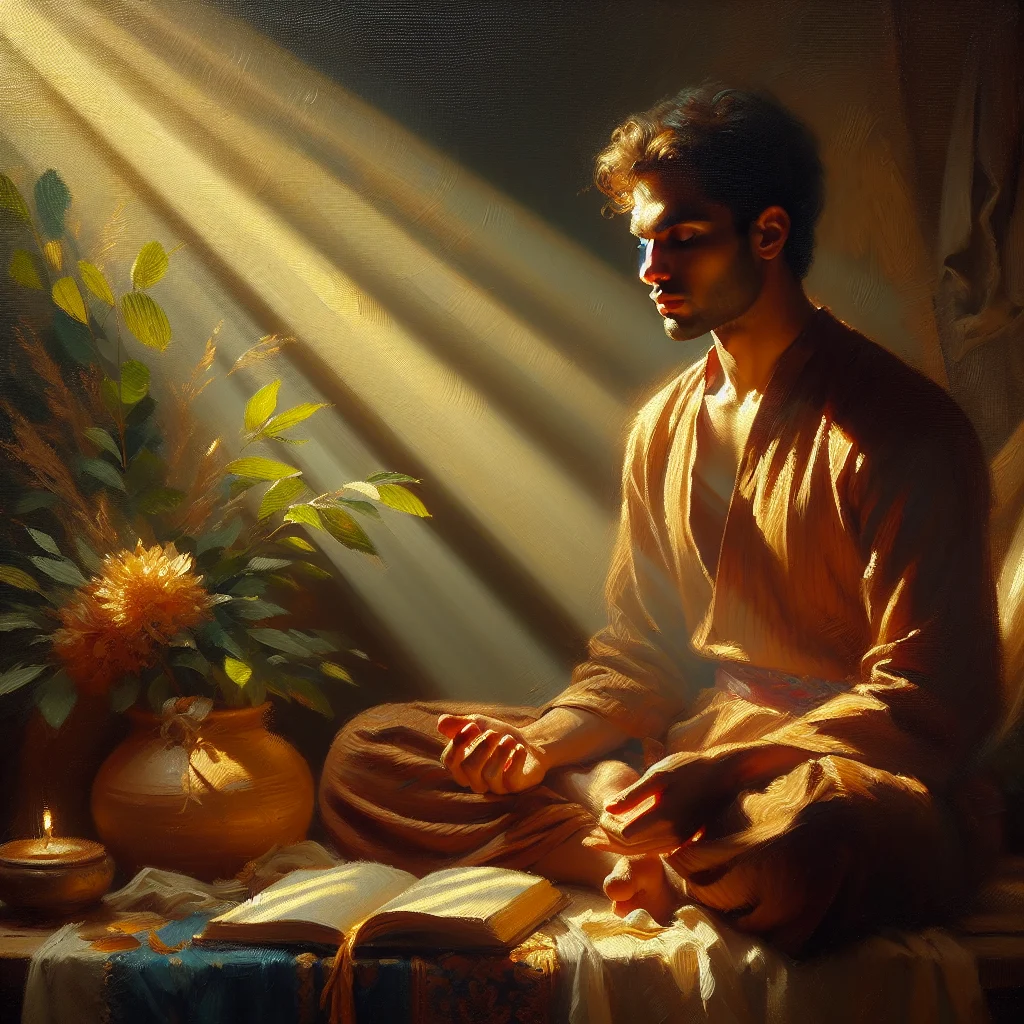
Making Mediation Meditation Part of Your Lifestyle
When practiced consistently, mediation meditation isn’t just a technique—it becomes a lifestyle. It shifts the way you relate to others and to yourself. You may breathe more consciously during a tense meeting, or pause to think before replying to a heated text. These small evolutions ripple out into larger personal transformation.
For many, this journey also includes cultivating mindfulness across different aspects of daily life. Whether it’s through yoga and inner balance, breathwork, or spiritual reflection, these methods reinforce and complement the skills learned through mediation meditation.
If you’re looking to explore deeper self-awareness beyond mediation techniques, discover The Self-Love Reset: A Journey to Rediscover Yourself.

