
Discovering the Power of Self Reflection and Meditation
In a world that’s constantly in motion, many of us crave moments of calm and clarity. Self reflection and meditation offer exactly that — a sanctuary to pause, observe, and reconnect with ourselves. These practices, when done consistently, not only reduce stress but also open doors to deeper self-awareness and personal transformation. Whether you’re just beginning or already on your mindfulness journey, understanding how reflection works in tandem with meditation can make a world of difference.
Start your practice today with Everyday Calm: A Beginner’s Guide to Daily Meditation.

What Is Self Reflection and Meditation?
Let’s begin by defining the two. Self reflection is the intentional process of examining your thoughts, feelings, behaviors, and experiences to gain insight. It allows you to recognize patterns in your life — the ones that empower you, and the ones that hold you back. On the other hand, meditation is a technique, often rooted in mindfulness, that helps quiet the mind through focused attention, bringing you into the present moment.
Although different in function, self reflection and meditation complement each other beautifully. When practiced together, they create a powerful inner dialogue — one where awareness meets understanding. In fact, studies show that mindfulness meditation improves emotional regulation and cognitive flexibility (source), both of which enhance our reflective capacity.
Why Combine Self Reflection with Meditation?
Meditation brings awareness. Self reflection turns that awareness into insight. By pairing the two, you magnify your ability to grow and evolve. For example, after a meditation session, when your mind is calm and present, reflection allows you to explore questions like:
- Why do I react negatively in certain situations?
- What core beliefs are influencing my choices?
- How can I act more in alignment with my values?
In addition, reflection grounds your meditation practice in purpose. Rather than aimless silence, your alone time becomes a tool for problem-solving, healing, and gaining clarity about your life path.
How to Start Your Practice of Self Reflection and Meditation
1. Create the Right Environment
You don’t need a mountaintop to do this work — just a quiet space where you can be still and undisturbed. Light a candle, play soothing music, or simply close your eyes in silence. The setting doesn’t have to be perfect; it just needs to feel safe and calming.
2. Start with Mindful Breathing
Begin your meditation session with a few minutes of deep breathing. Focus fully on your inhale and exhale. This anchors your attention and relaxes the nervous system, making the mind more receptive to inner inquiry.
3. Introduce Reflective Questions
Once relaxed, you can gently introduce a prompt. A few good ones to get started include:
- What am I feeling right now?
- What thoughts keep recurring for me?
- What am I avoiding or resisting internally?
Keep a journal nearby to jot down insights that surface. Sometimes, the act of writing helps distill thoughts that may otherwise remain scrambled in the mind.
4. Be Consistent, but Gentle
You don’t need an hour every day — even five to ten minutes can bring meaningful change. In fact, a gentle morning meditation routine can set a positive tone for the entire day. The key is to be consistent with your practice and generous with your patience.
Simple Practices to Deepen Your Self Inquiry
If you’re eager to explore more, here are a few trusted techniques that blend meditation with reflective depth:
- Body scan meditation — Focus on different parts of your body and observe what sensations or emotions arise. This uncovers hidden tension or unresolved feelings.
- Visualization — Picture yourself in a situation that challenges you emotionally. What arises? What truths can you take from that image?
- Mantra meditation — Repeating a mantra like “I am aware” or “I allow truth” while meditating can reinforce a reflective state of mind. Learn more with our article on the Best Mantra for Transcendental Meditation.
Overcoming Common Challenges
“My mind won’t stop racing.”
This is one of the most frequent concerns, especially among beginners. Remember, the goal of meditation isn’t to stop thinking — it’s to notice your thoughts without getting pulled into them. Like clouds drifting in the sky, observe your thoughts as mental weather, not permanent truths.
“I don’t have time.”
Let’s rethink this. We often find time for social media scrolling, yet claim not to have time for five minutes of stillness. Building meditation and reflection into your routine is a form of self-respect. And if time is tight, consider a guided meditation to help streamline the process.
“I don’t know if I’m doing it right.”
There’s no one-size-fits-all answer here. Meditation and reflection are deeply personal. What matters is that you show up and stay curious. Over time, this practice will naturally begin to feel more intuitive.
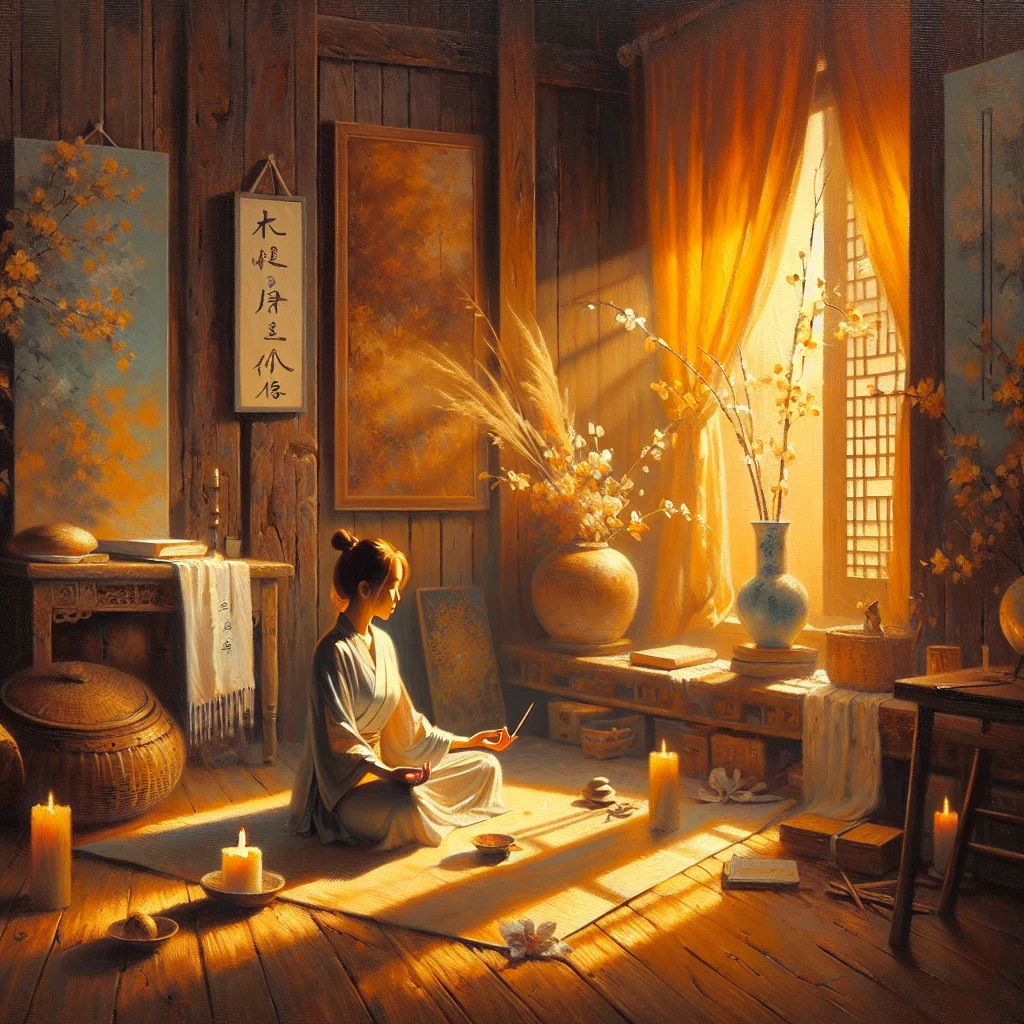
The Deeper Rewards of Reflection and Meditation
When practiced regularly, self reflection and meditation can help you:
- Develop emotional resilience
- Strengthen your intuition
- Erase negative thought patterns
- Clarify personal goals and values
- Find meaning in both challenges and joy
Over time, your inner world becomes a place of strength rather than confusion. As a result, relationships improve, decision-making becomes clearer, and your daily experience feels more aligned and intentional.
And if you’re looking to explore this spiritual growth further, consider our curated guide on guided meditation for self-discovery, which provides structured inner exploration.
Conclusion
Blending self reflection and meditation doesn’t require special skills or mystical training. It simply requires the courage to sit with yourself. While the outer world can be chaotic, your inner landscape holds wisdom, peace, and transformative power. By committing to this practice — even for a few minutes a day — you’re building the foundation for a clearer, calmer you.
Need help reconnecting with yourself? Explore The Self-Love Reset: A Journey to Rediscover Yourself.
Dive deeper into similar topics by exploring our categories on Mindfulness & Meditation and Spirituality & Inner Work.

