
Starting a meditation practice can feel overwhelming, especially if you’re new to the concept of sitting still and quieting your mind. That’s where meditation follow along sessions come into play. These guided experiences offer a structured approach that makes meditation accessible to everyone, regardless of experience level. By simply pressing play and following the instructor’s voice, you can begin cultivating mindfulness without the pressure of doing it “right.”
Unlike traditional solo meditation, follow along sessions provide real-time guidance that helps you stay focused and engaged. The instructor walks you through each step, from initial breathing exercises to body scans and visualization techniques. This format removes much of the guesswork and self-doubt that often discourages beginners from establishing a consistent practice.
If you’re ready to deepen your understanding and build a sustainable meditation routine, check out Everyday Calm: A Beginner’s Guide to Daily Meditation. This comprehensive resource will complement your follow along practice beautifully.
What Makes Meditation Follow Along Sessions Different?
The primary distinction between self-guided meditation and follow along sessions lies in the active guidance you receive throughout the entire practice. While traditional meditation often requires you to maintain focus independently, follow along formats provide continuous support that keeps your mind from wandering too far off course.
These sessions typically include verbal cues that direct your attention to specific areas of awareness. For example, an instructor might guide you to notice the sensation of breath entering your nostrils, then moving down into your lungs, and finally exiting your body. This level of detail helps anchor your awareness in the present moment.
Furthermore, follow along meditations often incorporate timing elements that remove decision-making from your practice. You don’t need to wonder how long to hold a particular focus or when to transition to the next phase. The instructor handles all of this, allowing you to surrender completely to the experience.
The Science Behind Guided Meditation
Research from institutions like Harvard Medical School demonstrates that guided meditation produces measurable changes in brain activity. Specifically, regular practice increases gray matter density in regions associated with learning, memory, and emotional regulation.
In addition to structural changes, meditation follow along sessions activate the parasympathetic nervous system, which triggers your body’s relaxation response. This physiological shift reduces cortisol levels, lowers blood pressure, and decreases heart rate—all indicators of reduced stress.
However, the benefits extend beyond immediate relaxation. Consistent practice rewires neural pathways, making it easier to access calm states even when you’re not actively meditating. This neuroplasticity demonstrates why regular follow along sessions can create lasting improvements in mental wellbeing.
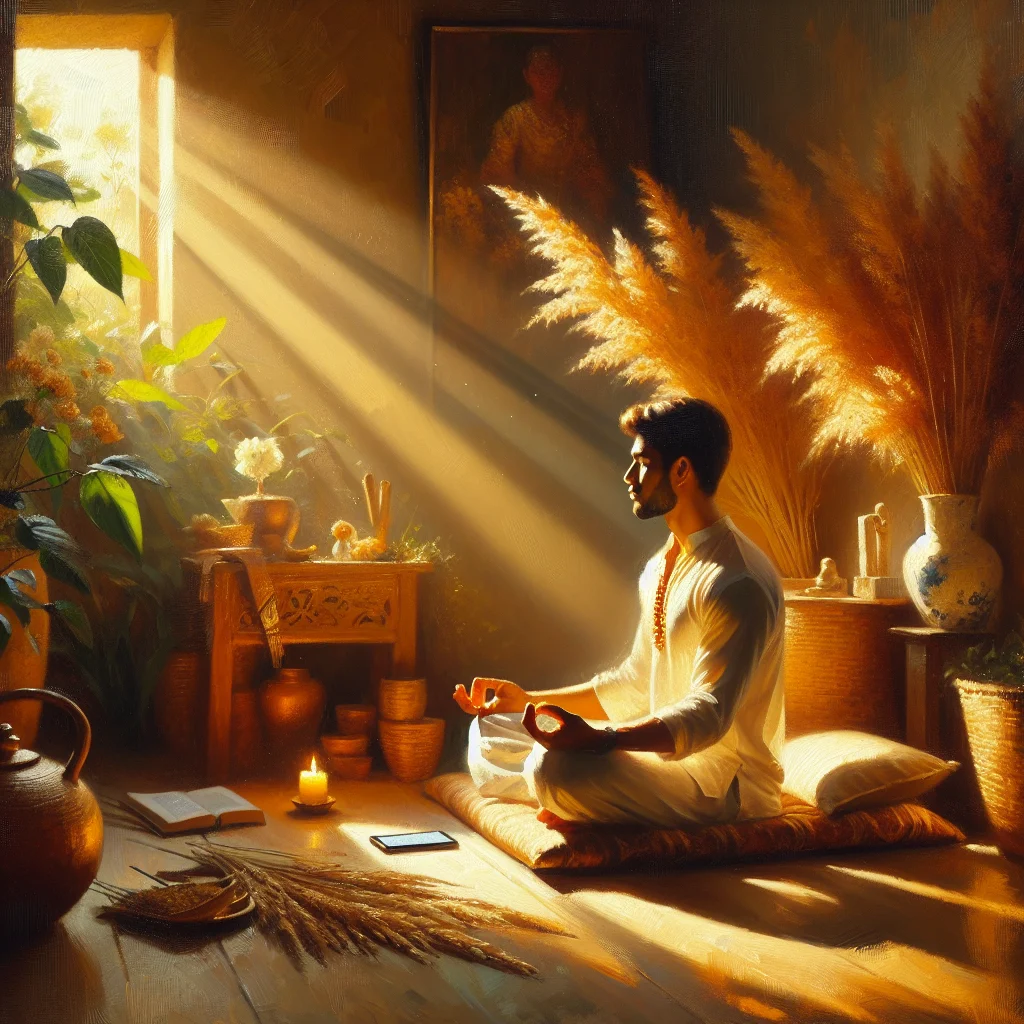
Types of Meditation Follow Along Practices
The world of guided meditation offers tremendous variety, allowing you to find practices that resonate with your personal preferences and goals. Understanding the different types helps you select sessions that will best support your journey toward greater mindfulness and inner peace.
Breath Awareness Follow Along
This foundational practice centers entirely on observing your natural breathing pattern without attempting to change it. The instructor guides your attention to various aspects of the breath—its rhythm, depth, temperature, and the physical sensations it creates in your body.
Breath-focused sessions work particularly well for beginners because breathing provides a concrete anchor for your awareness. When your mind wanders (which it inevitably will), the instructor gently redirects you back to the breath. This process strengthens your ability to notice distraction and return to the present moment.
Moreover, breath awareness serves as an excellent stress management tool. Because breathing connects directly to your autonomic nervous system, consciously attending to it can rapidly shift you from anxious states into calmer ones. Many people find these sessions helpful during moments of acute stress or anxiety.
Body Scan Meditation Follow Along
Body scan practices systematically guide your attention through different regions of your physical form, typically starting from your toes and moving upward toward your head. The instructor directs you to notice sensations, tension, temperature, and other physical phenomena without judgment.
This approach offers several benefits, including improved somatic awareness—the ability to recognize what’s happening in your body before physical symptoms become severe. By regularly checking in with your physical self, you become more attuned to early warning signs of stress, illness, or emotional distress.
Additionally, body scans promote deep relaxation by encouraging you to consciously release tension you may not have realized you were holding. As the instructor moves through each body region, you can actively soften muscles and let go of chronic tightness. For those interested in this connection between mindfulness and physical healing, explore mindfulness healing practices.
Loving-Kindness Follow Along Sessions
Also known as metta meditation, loving-kindness practices guide you through generating feelings of compassion and goodwill. The instructor typically leads you to direct these positive intentions first toward yourself, then progressively toward loved ones, neutral people, difficult individuals, and finally all beings.
Research published in peer-reviewed journals shows that regular loving-kindness meditation increases positive emotions and social connection while decreasing self-criticism. These sessions can be particularly valuable if you struggle with self-judgment or interpersonal conflicts.
While the practice may feel awkward initially, especially when directing kindness toward yourself or challenging people, consistency gradually softens resistance. The follow along format supports you through these uncomfortable moments, providing encouragement and structure when your natural inclination might be to quit.
Visualization and Guided Imagery
These sessions use descriptive language to help you create mental images of peaceful scenes, healing light, or symbolic journeys. The instructor paints vivid pictures with words, guiding you through imaginary landscapes that promote relaxation and insight.
Visualization practices tap into your brain’s inability to completely distinguish between imagined and actual experiences. When you vividly imagine yourself in a calm forest or on a quiet beach, your nervous system responds as if you’re actually there, producing genuine relaxation responses.
Furthermore, symbolic journeys can facilitate emotional processing and personal insight. By exploring internal landscapes through guided imagery, you may access wisdom and perspectives that remain hidden during ordinary thinking. These sessions often incorporate elements from various spiritual traditions while remaining accessible to secular practitioners.
How to Get Started with Meditation Follow Along
Beginning a follow along meditation practice requires minimal preparation, but a few key considerations will enhance your experience and increase the likelihood of establishing a sustainable routine.
Creating Your Meditation Space
While you don’t need an elaborate setup, designating a specific area for practice signals to your brain that it’s time to transition into a meditative state. Choose a location that’s relatively quiet and free from major distractions. This doesn’t mean complete silence—some background noise is perfectly acceptable.
Consider these elements when setting up your space:
- Comfortable seating: Use a cushion, chair, or meditation bench that supports your body without causing discomfort
- Temperature control: Ensure you won’t become too cold or hot during your session
- Lighting: Soft, natural light works well, though some prefer dimmer settings for deeper relaxation
- Personal touches: Add meaningful objects like plants, candles, or images that create a calming atmosphere
However, don’t let the absence of a perfect space prevent you from practicing. Many successful meditators began their journey following along with sessions during lunch breaks at work, in parked cars, or in shared living spaces. The key is starting rather than waiting for ideal conditions.
Choosing the Right Session Length
As a beginner, you might feel tempted to jump into longer sessions, but this approach often leads to frustration and abandonment. Instead, start with five to ten-minute follow along meditations and gradually increase duration as your capacity expands.
Shorter sessions offer several advantages for newcomers. They feel less intimidating, fit more easily into busy schedules, and allow you to experience success rather than struggle. Many people find that consistently completing shorter practices builds more momentum than occasionally attempting longer ones.
In addition to considering length, think about the time of day that works best for your lifestyle. Morning sessions can set a positive tone for the entire day, while evening practices help you unwind and improve sleep quality. Experiment with different timing to discover what supports your individual needs. Those struggling with nighttime restlessness might benefit from exploring meditation in sleep techniques.
Finding Quality Follow Along Resources
The abundance of available meditation content can feel overwhelming, but several factors distinguish high-quality resources from less effective ones. Look for instructors whose voices and pacing feel comfortable to you—personal preference matters significantly in this area.
Consider these criteria when selecting follow along sessions:
- Clear audio quality: Poor sound can distract from the practice
- Appropriate pacing: The instructor should allow sufficient silence between cues
- Authentic presentation: Effective guides speak naturally rather than adopting overly affected tones
- Structured progression: Good sessions include clear beginnings, middles, and endings
- Accessible language: Avoid overly esoteric terminology that creates confusion
Popular platforms like Headspace and Insight Timer offer extensive libraries of follow along meditations across various styles and durations. Many provide free content alongside premium options, allowing you to explore before committing financially.

Common Challenges and How to Overcome Them
Even with the support of guided instruction, you’ll likely encounter obstacles as you develop your meditation follow along practice. Understanding these common challenges and having strategies to address them increases your chances of maintaining consistency.
The Wandering Mind Problem
Perhaps the most universal complaint among new meditators is the incessant mental chatter that persists despite their best intentions. You might find yourself planning dinner, rehearsing conversations, or making to-do lists rather than following the instructor’s guidance.
Here’s the crucial insight: mind wandering is not failure. In fact, noticing that your attention has drifted and gently returning it to the present moment is the actual practice. Each time you recognize distraction and redirect your focus, you’re strengthening your awareness muscles.
The follow along format particularly helps with this challenge because the instructor’s voice serves as a regular reminder to return to the present. Rather than berating yourself for losing focus, simply acknowledge the distraction and tune back into the guidance. Over time, you’ll notice the gaps between wandering episodes gradually lengthen.
Physical Discomfort During Practice
Many people experience physical discomfort when they first begin sitting for meditation. Your back might ache, your legs may fall asleep, or you might feel restless and fidgety. These sensations can dominate your attention and make the practice feel unpleasant.
First, distinguish between discomfort that signals harm versus simple unfamiliarity. Sharp pain or numbness that doesn’t resolve requires attention and possibly adjusting your position. However, mild discomfort often reflects your body adapting to stillness—something many of us rarely experience in our movement-filled lives.
Consider these adjustments if physical sensations become overwhelming:
- Experiment with different sitting positions—chairs work just as well as floor cushions
- Use additional support like blankets or bolsters to prop your body
- Try lying down for body scan meditations (though be aware you might fall asleep)
- Remember that subtle movement is acceptable; you don’t need to remain completely frozen
Additionally, body-focused follow along sessions can transform discomfort into an object of mindful awareness. Rather than fighting against unpleasant sensations, you can explore their qualities with curiosity—their location, intensity, and how they change over time.
Unrealistic Expectations
Many beginners approach meditation with specific goals, expecting to immediately achieve profound calm, spiritual insights, or complete mental silence. When reality doesn’t match these expectations, disappointment and discouragement often follow.
The truth is that meditation benefits accumulate gradually through consistent practice rather than appearing dramatically in single sessions. Some days you’ll feel peaceful and focused; others will involve constant mental noise and physical restlessness. Both types of sessions contribute to your development.
Furthermore, the goal isn’t to stop thinking or eliminate all discomfort. Instead, you’re cultivating a different relationship with your thoughts and sensations—one characterized by observation rather than reactive identification. This shift happens subtly over time, often becoming noticeable only when you look back at how you’ve changed. For deeper exploration of this philosophical approach, consider reading about stoic mindfulness practices.
Building a Consistent Meditation Follow Along Routine
Establishing regularity is perhaps the most important factor in reaping meditation’s benefits. While occasional practice offers some value, consistent daily sessions create the neural changes and psychological shifts that transform your relationship with stress, emotions, and awareness.
The Power of Small Commitments
Rather than committing to lengthy sessions you might struggle to maintain, start with an achievable goal that feels almost too easy. Research on habit formation suggests that consistency matters more than duration, especially in the beginning stages.
Try this approach: commit to just five minutes daily for the first two weeks. This modest investment feels manageable even on your busiest days, reducing the likelihood of skipping sessions. As the practice becomes embedded in your routine, you can naturally extend the duration.
Moreover, linking your meditation follow along practice to an existing habit strengthens the new behavior. You might meditate immediately after brushing your teeth, before your morning coffee, or right when you arrive home from work. This “habit stacking” technique leverages established routines to support new ones.
Tracking Your Progress
While meditation emphasizes being present rather than achievement-oriented, tracking your practice can provide motivation during challenging periods. Simple methods work best—a checkmark on a calendar or notes in a journal create visible evidence of your commitment.
Consider recording these elements after each session:
- Duration of the practice
- Type of meditation follow along session
- Any notable observations or insights
- Your general state before and after
However, avoid judgment about the quality of individual sessions. Some days will feel easier than others, and that variability is completely normal. The goal is simply to show up consistently, regardless of how the practice unfolds.
Joining a Community
While meditation is ultimately a personal journey, connecting with others who share this interest can provide valuable support and encouragement. Online forums, local meditation groups, and virtual follow along sessions with live participants create accountability and shared experience.
Many practitioners find that participating in group sessions—even virtually—generates a collective energy that enhances individual practice. Knowing others are simultaneously engaged in the same activity can deepen commitment and focus.
Additionally, community connections provide opportunities to discuss challenges, share resources, and celebrate milestones. These interactions remind you that difficulties are universal rather than personal failings, normalizing the ups and downs of developing a meditation practice. Those wanting structured support might appreciate resources like the 7-day meditation challenge.
Advanced Meditation Follow Along Techniques
As your practice matures, you might feel drawn to explore more sophisticated approaches that challenge and expand your capabilities. These advanced techniques build upon foundational skills while introducing new dimensions to your meditation experience.
Extended Duration Sessions
Once shorter practices feel comfortable, gradually extending your sitting time opens new territories of awareness. Sessions lasting 30 minutes to an hour allow you to move through initial restlessness into deeper states of concentration and calm.
Longer follow along meditations typically include distinct phases—beginning with settling techniques, moving into the core practice, and concluding with integration. This structure supports you through the natural arc of deepening awareness that extended practice enables.
However, length alone doesn’t guarantee depth. A focused ten-minute session often proves more valuable than a distracted hour. The key is finding the sweet spot where duration challenges you without overwhelming your capacity.
Silent Retreats and Intensive Practice
For those seeking profound transformation, multi-day silent retreats offer immersive meditation experiences. These intensive formats typically include numerous follow along sessions throughout the day, interspersed with periods of walking meditation and contemplative activities.
Retreats remove the distractions of daily life, creating conditions where deeper insights and emotional processing can emerge. The extended silence and continuous practice often surface material that remains hidden during shorter sessions. Many participants describe retreats as accelerated personal growth experiences.
That said, retreats require significant time commitments and can be psychologically challenging. They’re best approached after establishing a solid daily practice and ideally with guidance from experienced teachers. Resources like 10-day meditation retreats provide information for those considering this path.
Integrating Mindfulness into Daily Life
The ultimate goal of meditation practice extends beyond formal sitting sessions into moment-to-moment awareness throughout your day. Advanced practitioners work to maintain the quality of attention cultivated during follow along sessions while engaged in ordinary activities.
This integration might involve bringing mindful awareness to routine tasks like washing dishes, walking, or eating. Rather than operating on autopilot, you engage fully with present-moment experience—noticing sensations, thoughts, and emotions as they arise.
Furthermore, challenging situations become opportunities for practice. When stress, anger, or anxiety emerge, you can apply meditation skills to observe these states without being overwhelmed by them. This application represents the practical fruits of consistent follow along practice. Learn more about incorporating these principles through mindfulness practice techniques.
Complementary Practices to Enhance Your Journey
While meditation follow along sessions form an excellent foundation, combining them with related practices creates a more comprehensive approach to wellbeing and personal development.
Journaling and Reflection
Writing after meditation sessions helps process insights and track patterns over time. You might notice recurring thoughts, emotional themes, or physical sensations that provide valuable self-knowledge. This reflection deepens the awareness you cultivate during formal practice.
Your journal doesn’t need to be elaborate. Simple notes about what you observed during the session or how you’re feeling afterward suffice. Over weeks and months, these entries reveal your evolution and remind you of the progress that might otherwise go unnoticed.
Movement Practices
Gentle physical activities like yoga, tai chi, or mindful walking complement seated meditation beautifully. These practices cultivate body awareness and help release physical tension that might accumulate during stillness.
Many practitioners alternate between seated meditation follow along sessions and movement practices, finding that this variety maintains engagement while addressing different aspects of wellbeing. The combination creates a holistic approach that honors both body and mind.
Reading and Study
While direct experience forms the heart of meditation practice, studying teachings from various traditions can deepen understanding and provide inspiration during challenging periods. Books, articles, and courses offer frameworks for interpreting your experiences and guidance for navigating obstacles.
However, balance study with practice—intellectual understanding alone doesn’t create the transformation that consistent meditation produces. Think of reading as supporting rather than replacing your follow along sessions. If you’re seeking additional structured guidance, Manifest Your Dreams: A Practical Guide to the Law of Attraction offers complementary techniques for personal transformation.
Conclusion: Your Path Forward with Meditation Follow Along
Embarking on a meditation follow along journey represents a profound commitment to your wellbeing and personal growth. This accessible approach removes many barriers that prevent people from establishing regular practice, providing structure and guidance that support you through the challenges inherent in developing mindfulness.
Remember that meditation is not about achieving perfection or reaching some idealized state. Instead, it’s about showing up consistently, observing your experience with curiosity and compassion, and gradually cultivating a different relationship with your thoughts, emotions, and sensations.
The benefits unfold gradually—you might notice improved sleep quality, reduced reactivity to stress, or increased emotional resilience. These changes emerge naturally from regular practice rather than forced effort. Trust the process, maintain consistency, and allow transformation to occur at its own pace.
As you continue your journey, explore different styles and teachers to find what resonates most deeply with your temperament and needs. Your practice will evolve over time, reflecting your growth and changing life circumstances. This adaptability represents one of meditation’s greatest strengths—it meets you wherever you are.
Finally, consider deepening your practice with additional resources like The Self-Love Reset: A Journey to Rediscover Yourself. This comprehensive guide complements your meditation follow along practice by addressing the emotional foundations that support lasting transformation.
Whether you’re taking your first steps into meditation or seeking to revitalize an existing practice, follow along sessions offer a welcoming entry point and sustainable long-term approach. Begin today with just five minutes, and watch as this simple commitment ripples outward, touching every aspect of your life with greater awareness, peace, and presence.

