
Reaching midlife brings unique opportunities for personal growth and self-discovery. For women over 45, meditation retreats offer a transformative experience that addresses the specific challenges and transitions of this life stage. Whether you’re navigating menopause, reassessing life priorities, or simply seeking deeper inner peace, a dedicated retreat can provide the sanctuary and guidance you need.
More women than ever are turning to meditation retreats as a way to reconnect with themselves during perimenopause and beyond. In fact, research shows that mindfulness practices can significantly reduce menopausal symptoms while improving overall wellbeing. However, finding the right retreat that understands your unique needs as a woman in this age group makes all the difference.
This comprehensive guide explores everything you need to know about choosing and experiencing meditation retreats specifically designed for women over 45. From understanding the benefits to selecting the perfect location, we’ll walk you through this journey of self-care and transformation.
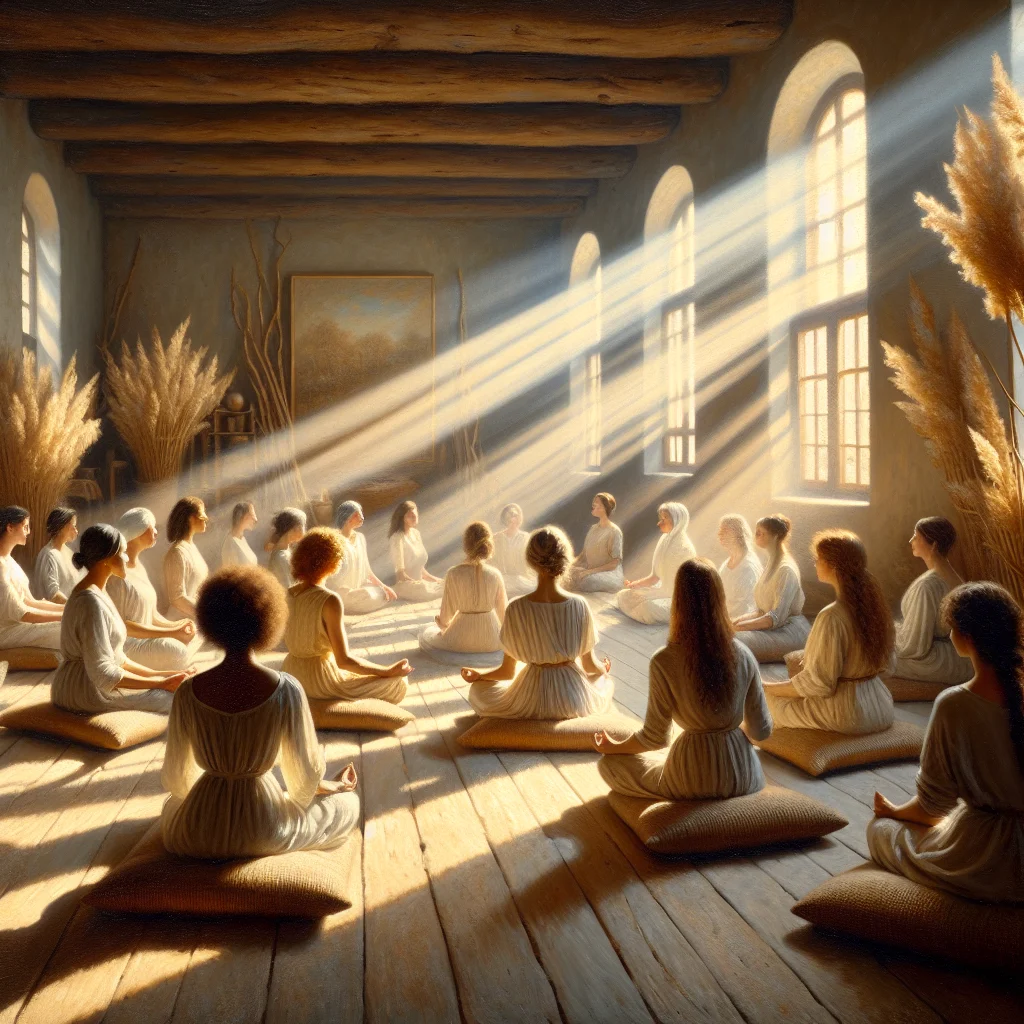
Why Meditation Retreats Matter for Women Over 45
The years after 45 represent a pivotal period in a woman’s life. As a result, many women experience profound physical, emotional, and spiritual shifts that call for intentional self-care and reflection. Meditation retreats provide the perfect environment to honor these transitions.
The Unique Challenges of Midlife
Hormonal changes during perimenopause and menopause affect not just physical health but also emotional stability and cognitive function. Many women report increased anxiety, difficulty sleeping, and a sense of losing themselves in the midst of these changes. Meditation retreats offer structured support during this transformative phase.
Furthermore, this life stage often coincides with significant role transitions. Children may be leaving home, careers might be shifting, and relationships evolve in unexpected ways. A retreat provides space to process these changes mindfully and intentionally.
Additionally, many women over 45 find themselves in caregiving roles for aging parents while still supporting their own families. This sandwich generation stress can be overwhelming, making regular meditation practice and retreat experiences essential for maintaining balance.
Benefits Specific to Women in This Age Group
Research published in journals like Menopause demonstrates that meditation significantly reduces hot flashes, night sweats, and mood disturbances. Because of this, women who attend retreats often report lasting improvements in their menopausal symptoms.
Moreover, meditation retreats help address the cognitive changes that sometimes accompany hormonal shifts. Regular practice improves focus, memory, and mental clarity—concerns that many women in this age group share. You can learn more about mindfulness meditation for focus to understand these benefits better.
In addition to physical benefits, retreats offer emotional healing. Many women discover renewed self-identity and purpose during dedicated meditation time. The supportive community of other women experiencing similar life stages creates powerful bonds and validation.
Types of Meditation Retreats for Women Over 45
Various retreat formats cater specifically to the needs of midlife women. Understanding the different options helps you choose the experience that best aligns with your goals and comfort level.
Silent Meditation Retreats
Silent retreats, often based on Vipassana or Zen traditions, involve extended periods without speaking. While this might sound challenging, many women find the silence profoundly liberating. Without the constant need to communicate, you can finally hear your own inner voice.
These retreats typically last anywhere from three days to several weeks. However, beginners should consider starting with a shorter silent retreat to ease into the practice. The structure usually includes multiple meditation sessions daily, mindful meals, and optional teacher consultations.
Although silent retreats require commitment, they offer unparalleled depth of self-exploration. Participants often report breakthrough insights about their lives, relationships, and authentic desires that had been buried under years of external responsibilities.
Guided Meditation and Wellness Retreats
For those new to meditation or preferring more structure, guided retreats combine meditation instruction with other wellness practices. These might include yoga, breathwork, journaling, or creative expression activities specifically designed for midlife women.
Many of these retreats incorporate teachings about the unique aspects of menopause and perimenopause, helping women understand and embrace their changing bodies and minds. The combination of education and practice creates a holistic healing experience.
Furthermore, guided retreats often feature expert speakers on topics relevant to women over 45, such as hormone health, nutrition for midlife, relationships, and career transitions. This integrative approach addresses the whole person, not just meditation skills.
Nature-Based and Adventure Retreats
Some meditation retreats incorporate outdoor activities like hiking, forest bathing, or beach walks. These programs recognize that nature itself is profoundly meditative and healing, particularly for women seeking to reconnect with their authentic selves.
Because physical activity supports menopausal health, these active retreats offer dual benefits. Gentle movement combined with meditation addresses both body and mind, making them ideal for women who feel restless sitting still for extended periods.
In addition, nature-based retreats often take place in stunning locations—mountain ranges, coastal areas, or forest sanctuaries. The beauty of the surroundings naturally supports meditation practice while providing sensory nourishment that urban environments cannot offer.
What to Expect at a Meditation Retreat for Women Over 45
Understanding the typical retreat structure helps you prepare mentally and practically for the experience. While each retreat differs, certain elements remain consistent across most programs designed for midlife women.
Daily Schedule and Activities
Most retreats follow a structured daily routine that begins early in the morning. A typical day might look like this:
- 6:00 AM: Wake-up bell and optional gentle movement or yoga
- 7:00 AM: Morning meditation session
- 8:30 AM: Mindful breakfast
- 10:00 AM: Teaching session or workshop
- 12:00 PM: Meditation practice
- 1:00 PM: Lunch and rest time
- 3:00 PM: Afternoon meditation or walking meditation
- 5:00 PM: Light dinner
- 7:00 PM: Evening teaching or group sharing
- 9:00 PM: Final meditation and lights out
However, schedules vary considerably depending on the retreat style. Some offer more free time for personal reflection, while others maintain intensive meditation schedules throughout the day.
Accommodation and Amenities
Retreat centers range from rustic to luxurious. Many women over 45 prefer accommodations that balance simplicity with comfort, recognizing that rest is essential for deep practice. Private rooms are often available for those who need quiet sleeping space, though shared rooms can foster community connections.
Additionally, most retreat centers serving this demographic understand the importance of comfortable meditation cushions, temperature control, and accessible facilities. Don’t hesitate to inquire about these practical matters when researching options.
Food at meditation retreats typically emphasizes nutritious, plant-based meals that support practice and health. Many centers now accommodate dietary restrictions and preferences, which is particularly important for women managing menopausal symptoms through nutrition.
Community and Connection
One of the most valuable aspects of women-focused retreats is the community. Sharing space with other women navigating similar life transitions creates immediate understanding and support. Many participants form lasting friendships that continue long after the retreat ends.
Moreover, group sharing sessions allow women to voice experiences they might not feel comfortable discussing elsewhere. The validation and witnessing that occurs in these circles can be profoundly healing, helping women feel less alone in their struggles.
While some retreat time is spent in silence or individual practice, most programs include opportunities for connection. These balanced offerings respect both the need for solitude and the human desire for meaningful relationship.

Choosing the Right Meditation Retreat
With countless retreat options available, selecting the right one requires careful consideration of your needs, preferences, and goals. The following factors can guide your decision-making process.
Consider Your Meditation Experience Level
Beginners should look for retreats explicitly welcoming newcomers with instruction in basic techniques. These programs typically offer more guidance and allow questions, making the experience less intimidating. If you’re just starting out, you might also explore introductory meditation resources beforehand.
Conversely, experienced practitioners might seek advanced retreats with longer meditation periods and less structured teaching. These intensive programs assume familiarity with meditation and dive deeper into practice refinement.
In addition, consider whether you prefer a specific meditation tradition or a more eclectic approach. Some women feel drawn to Buddhist mindfulness practices, while others resonate with yoga-based meditation or contemporary secular approaches.
Location and Setting Preferences
The retreat location significantly impacts your experience. Some women prefer nearby options to minimize travel stress, while others seek distant destinations that feel like true escapes from daily life. Both approaches have merit depending on your circumstances.
Furthermore, consider what natural environment speaks to you. Do you find peace near water, in mountains, in desert landscapes, or in forest settings? The surrounding environment becomes part of your meditation practice, so choose a setting that nourishes your spirit.
International retreats offer cultural enrichment alongside meditation practice. Destinations like Bali, India, or Costa Rica provide immersive experiences, though they require more planning and investment.
Duration and Timing
Retreats range from weekend getaways to month-long immersions. As a result, you’ll need to balance your desire for deep practice with practical constraints like work, family obligations, and budget.
For first-time retreat participants, a three-to-five-day program offers sufficient time to settle into practice without feeling overwhelming. Shorter weekend retreats provide a taste of the experience, while longer retreats allow deeper transformation.
Additionally, consider the time of year. Some women prefer retreats during significant transitions—like birthdays or the anniversary of life changes. Others benefit from regular annual retreats that provide consistent touchstones for reflection and renewal.
Women-Only vs. Mixed-Gender Retreats
Women-only retreats create unique safety and openness that many participants find invaluable. The shared experience of being female, particularly during midlife, fosters immediate understanding and reduces self-consciousness about discussing personal topics.
However, some women prefer mixed-gender environments or don’t feel gender-specific spaces are necessary for their practice. Consider what environment allows you to feel most authentic and vulnerable in your meditation work.
Retreats specifically designed for women over 45 go beyond gender to address age-specific concerns. These programs understand the physical needs, life circumstances, and spiritual questions unique to this demographic, creating truly tailored experiences.
Preparing for Your Meditation Retreat
Proper preparation enhances your retreat experience significantly. Taking time to ready yourself physically, mentally, and practically ensures you can fully engage with the program from the moment you arrive.
Physical Preparation
If you’re new to sitting meditation, start practicing at home several weeks before your retreat. Even five minutes of meditation daily helps build the capacity to sit for longer periods without excessive discomfort.
Additionally, consider your physical comfort needs. Break in comfortable meditation clothing, and if you have concerns about sitting on the floor, inquire whether chairs are available. Most retreat centers accommodate physical limitations, but advance communication helps them prepare.
Moreover, attending to any health issues before the retreat prevents unnecessary distraction. If you’re managing menopausal symptoms, ensure you have necessary supports like cooling towels, comfortable layers, or sleep aids approved by your healthcare provider.
Mental and Emotional Preparation
Set clear intentions for your retreat experience. What do you hope to discover or heal? What questions are you bringing to this time of reflection? Writing these intentions down creates a touchstone to return to during challenging moments.
Furthermore, prepare those in your life for your absence. Explaining that you’ll be unreachable during the retreat helps manage expectations and reduces the temptation to check in unnecessarily. This digital detox is essential for deep practice.
In addition, releasing expectations about what “should” happen allows for genuine discovery. Retreats don’t always unfold as imagined, and the unexpected insights often prove most valuable. Approaching the experience with curiosity rather than rigid goals serves you better.
Practical Considerations
Pack thoughtfully but simply. Most retreats require minimal clothing—comfortable layers for meditation, modest attire for meals, and weather-appropriate outdoor gear. Remember that simplicity supports practice by reducing decision fatigue.
Essential items typically include:
- Comfortable meditation clothing in layers
- Personal toiletries and any medications
- Journal and pen for reflections
- Water bottle
- Small flashlight for nighttime navigation
- Any personal comfort items (photos, special cushion, etc.)
However, leave work materials, excessive entertainment, and unnecessary technology at home. The point is to simplify your external world so your internal world can expand.
Common Challenges and How to Navigate Them
Even the most prepared retreat participants encounter difficulties. Understanding common challenges beforehand helps you move through them with greater ease and self-compassion.
Physical Discomfort
Sitting meditation can be physically challenging, especially for those with joint issues or limited flexibility. Because women over 45 may experience increased body stiffness, this concern is particularly relevant for this demographic.
Nevertheless, discomfort doesn’t mean you’re doing something wrong. It’s actually an opportunity to practice mindfulness of bodily sensations without reactivity. Learning to distinguish between discomfort and pain helps you make wise adjustments without constantly seeking a “perfect” position.
Furthermore, most retreat centers encourage participants to adjust positions as needed, use additional cushions, or switch to chairs. Taking care of your body supports rather than interferes with meditation practice.
Emotional Intensity
Meditation retreats often surface suppressed emotions. Years of caretaking, working, and managing responsibilities sometimes mean women haven’t fully processed their feelings. Suddenly, in the quiet, everything emerges.
This emotional release is actually therapeutic, though it can feel overwhelming in the moment. Having tissues nearby, allowing yourself to cry or feel anger without judgment, and trusting the process helps these emotions move through you.
In addition, retreat teachers are experienced in supporting participants through emotional experiences. Don’t hesitate to request private consultations if you need additional guidance during difficult periods.
Mental Restlessness
The “monkey mind” phenomenon—constant mental chatter and distraction—frustrates many meditators. For women managing multiple life responsibilities, quieting this mental noise can feel impossible at first.
However, the goal isn’t to eliminate thoughts but to change your relationship with them. Noticing thoughts without following them, returning attention to breath or body again and again—this is the practice. Each return strengthens your awareness muscle.
Moreover, mental restlessness often decreases significantly after the first day or two as your nervous system settles into the retreat rhythm. Patience with the process serves you better than self-criticism about your “inability” to focus.
Integrating Retreat Insights into Daily Life
The true value of a meditation retreat extends far beyond the retreat itself. The insights, peace, and skills you develop need careful integration into your regular life to create lasting change.
Establishing a Home Practice
Returning from a retreat feeling transformed only to lose that feeling within days is a common experience. Consequently, establishing a sustainable home meditation practice before that post-retreat glow fades is essential.
Start with realistic commitments. Even ten minutes daily creates more lasting change than ambitious plans you can’t maintain. Many women find that early morning practice, before the day’s demands begin, works best for consistency.
Additionally, creating a dedicated meditation space at home supports regular practice. This doesn’t require a entire room—a corner with a cushion and perhaps a candle or meaningful object creates sufficient sanctuary for daily meditation.
Maintaining Connection
Stay in touch with women you connected with during the retreat. These relationships provide ongoing support and accountability as you navigate integrating practice into daily life. Many retreat groups create social media connections or schedule regular video calls.
Furthermore, consider joining a local meditation group or online meditation community. Regular group practice reinforces your commitment and provides continued learning opportunities.
In addition, some retreat centers offer follow-up programs, alumni events, or online sessions. These connections help you maintain the retreat’s transformative energy while living your regular life.
Applying Mindfulness to Midlife Challenges
The meditation skills developed at retreat directly address the specific challenges women over 45 face. For instance, mindfulness techniques significantly help with menopause-related anxiety, allowing you to observe symptoms without added panic.
Moreover, the clarity gained through meditation helps with major life decisions common at this stage—career changes, relationship evaluations, or redefining purpose. Rather than making reactive choices, you can access deeper wisdom about what truly serves your authentic self.
Additionally, the self-compassion cultivated through meditation practice transforms how you relate to aging and bodily changes. Instead of fighting or denying midlife transitions, you can approach them with curiosity and kindness.
Finding Your Perfect Retreat
With so many meditation retreat options available, knowing where to start your search helps streamline the process. Several resources specifically cater to women seeking transformative meditation experiences.
Recommended Retreat Centers
While individual preferences vary, certain retreat centers have earned reputations for excellence in serving women over 45. Spirit Rock Meditation Center in California offers women’s retreats with experienced female teachers who understand midlife transitions.
Similarly, the Blue Spirit Costa Rica retreat center provides beautiful natural settings with programs specifically addressing women’s wellness and meditation. Their integration of yoga, meditation, and holistic health appeals to many midlife women.
Furthermore, Kripalu Center for Yoga & Health in Massachusetts regularly hosts women-focused programs that combine meditation with other wellness practices. Their approach recognizes that women benefit from integrated healing modalities.
Online Resources for Finding Retreats
Several websites aggregate retreat listings with detailed search filters. RetreatFinder allows you to search by location, duration, style, and demographic focus, making it easier to find women-specific programs.
Additionally, BookRetreats.com offers verified reviews from past participants, helping you gauge whether a retreat truly delivers on its promises. Reading others’ experiences provides valuable insight into what you can expect.
Moreover, many meditation traditions maintain directories of their affiliated centers. If you’re drawn to a particular practice style—Vipassana, Zen, or loving-kindness meditation—exploring that tradition’s official websites reveals approved retreat locations worldwide.
Questions to Ask Before Booking
Before committing to a retreat, clarify important details to ensure the program meets your needs. Consider asking:
- What is the teacher’s experience working with women over 45?
- How much meditation experience do participants typically have?
- What is the daily schedule, and is there flexibility for those with physical limitations?
- Are accommodations private or shared, and what amenities are included?
- What is the cancellation policy if health issues arise?
- Are there additional costs beyond the listed retreat fee?
- How does the center accommodate dietary restrictions or needs?
These questions help you make informed decisions and avoid surprises that could detract from your retreat experience.
Special Considerations for Women Over 45
While meditation benefits practitioners of all ages, women over 45 have specific considerations that deserve attention when planning and experiencing retreats.
Health and Wellness Factors
If you’re managing health conditions common at this life stage—cardiovascular concerns, bone density issues, or hormonal transitions—discuss retreat participation with your healthcare provider beforehand. Most retreats are perfectly safe, but your doctor may have specific recommendations.
Additionally, bring adequate supplies of any necessary medications, and inform retreat organizers of health conditions that might require accommodation. Most centers are happy to work with participants’ needs but appreciate advance notice.
Furthermore, the physical demands of some retreats vary considerably. Be honest with yourself about your current fitness level and choose programs that match your capabilities while perhaps gently stretching your edges.
Balancing Responsibilities
Women often carry significant caregiving and professional responsibilities that make taking time for a retreat feel impossible or selfish. However, the renewal and insights gained during retreats ultimately enhance your capacity to care for others and fulfill responsibilities.
Planning ahead helps manage logistical concerns. Arranging coverage for aging parents, coordinating with partners about household responsibilities, and clearing work calendars well in advance reduces stress and allows fuller presence during the retreat.
Moreover, framing retreat time as essential self-care rather than luxury helps shift any guilt feelings. Just as you wouldn’t skip necessary medical appointments, meditation retreats serve your long-term mental and emotional health.
Financial Investment
Retreat costs vary dramatically, from affordable community-supported programs to luxury wellness resorts. While budgets differ, consider that this investment directly benefits your wellbeing and potentially reduces other health costs by preventing stress-related illnesses.
In addition, many retreat centers offer work-exchange programs, sliding-scale pricing, or scholarships specifically for women who couldn’t otherwise afford participation. Don’t let cost alone prevent you from exploring options—inquiry might reveal accessible opportunities.
Furthermore, some women choose to save gradually for retreat experiences, making them annual or biannual practices that provide consistent renewal touchpoints throughout midlife and beyond.
The Transformative Power of Retreat
Countless women over 45 report that meditation retreats fundamentally changed their lives. The combination of dedicated practice time, supportive community, expert teaching, and removal from daily responsibilities creates conditions for profound transformation.
Reconnecting with Authentic Self
Years of meeting others’ needs can obscure your authentic desires and identity. Retreat time allows the layers of expectation and role-playing to fall away, revealing who you actually are beneath all those identities—mother, professional, caregiver, partner.
This reconnection often sparks creative renaissance in midlife. Women discover forgotten passions, recognize new directions, or simply feel permission to prioritize what truly matters to them. Such clarity is invaluable for navigating the second half of life with intention.
Moreover, the deep rest that occurs during retreats allows your nervous system to reset. Many participants report feeling more energized and vital than they have in years, discovering reserves of energy they thought were permanently depleted.
Developing Wisdom and Perspective
Meditation practice cultivates meta-awareness—the ability to observe your thoughts and emotions rather than being completely identified with them. This skill proves invaluable for managing the intensity of midlife transitions and challenges.
Furthermore, retreat experiences often provide perspective on longstanding patterns or relationships. Seeing familiar situations from the clarity of meditation frequently reveals previously hidden options or truths that were always there but obscured by busyness.
In addition, many women report that retreat experiences deepen their spiritual lives and inner work, regardless of religious affiliation. The contemplative space opens connection to something larger than individual concerns—whether you name that spirit, nature, consciousness, or divinity.
Building Resilience for Life’s Second Half
The meditation skills and self-understanding gained during retreats create lasting resilience. Rather than being overwhelmed by life’s inevitable challenges, you develop capacity to meet difficulties with greater equanimity and wisdom.
This resilience particularly serves women facing the often difficult aspects of aging—physical changes, losses, shifting roles, and confronting mortality. Meditation practice doesn’t eliminate these challenges but transforms your relationship with them.
Additionally, the community connections formed during retreats provide ongoing support networks. Knowing other women who understand your journey and share your commitment to mindful living creates belonging that enriches your entire life.
Taking the Next Step
If you’ve read this far, you’re clearly drawn to the possibility of a meditation retreat. That pull itself is worth honoring—your intuition recognizing what you need for this life stage.
Start by exploring the retreat resources mentioned throughout this article. Research options that appeal to you, read reviews, and perhaps reach out to retreat centers with questions. Many centers offer informational sessions or calls to help prospective participants determine fit.
Furthermore, begin preparing for retreat even before booking one. Starting a simple home meditation practice now makes the retreat transition easier and helps you arrive with some foundation already established. Resources like loving-kindness meditation for menopause provide excellent starting points.
Most importantly, give yourself permission to prioritize this self-care. Women over 45 have typically spent decades caring for others. This is your time to nourish yourself, discover deeper truths, and create the foundation for a vibrant, conscious second half of life.
The meditation retreat you choose will offer exactly what you need in this moment. Trust that the right opportunity will reveal itself as you explore options with an open heart and curious mind. Your future self will thank you for taking this transformative step.

