
If you’ve been meditating for a while, you might be wondering how to take your practice to the next level. More meditation doesn’t just mean sitting longer—it’s about deepening your connection, exploring different techniques, and integrating mindfulness into every aspect of your life. Whether you’re looking to enhance your current routine or overcome a plateau, this guide will help you discover new ways to enrich your meditation journey.
The beauty of meditation lies in its simplicity, yet its potential for growth is infinite. As you progress, you’ll find that adding more meditation to your life isn’t about forcing yourself to sit still for hours. Instead, it’s about cultivating a deeper awareness that permeates your daily activities, relationships, and inner world.
Ready to take your practice further? Everyday Calm: A Beginner’s Guide to Daily Meditation offers practical techniques for building a sustainable meditation routine that grows with you.
Understanding the Journey to More Meditation
When we talk about more meditation, we’re addressing a natural desire that arises in many practitioners. After experiencing the initial benefits—reduced stress, better focus, improved emotional regulation—you begin to wonder what else meditation can offer. This curiosity is a sign of progress, not restlessness.
According to research on meditation practices, consistent practitioners often report deeper states of consciousness and profound personal insights as they advance. However, the path isn’t always linear. Some days will feel transcendent, while others might seem mundane or challenging.
The key is understanding that more meditation doesn’t necessarily equate to longer sessions. Rather, it involves expanding the quality, variety, and integration of your practice. This holistic approach ensures sustainable growth without burnout or frustration.
Signs You’re Ready for More Meditation
How do you know when it’s time to deepen your practice? Several indicators suggest you’re prepared for the next level:
- Consistency: You’ve established a regular routine and rarely miss sessions
- Curiosity: You find yourself wanting to explore different techniques or traditions
- Comfort: Your basic practice no longer feels challenging or unfamiliar
- Integration: You naturally apply mindfulness throughout your day
- Seeking depth: You desire more profound experiences or understanding
If these resonate with you, you’re likely ready to expand your meditation horizons. For additional guidance on building a strong foundation, check out our article on meditation as self-care.
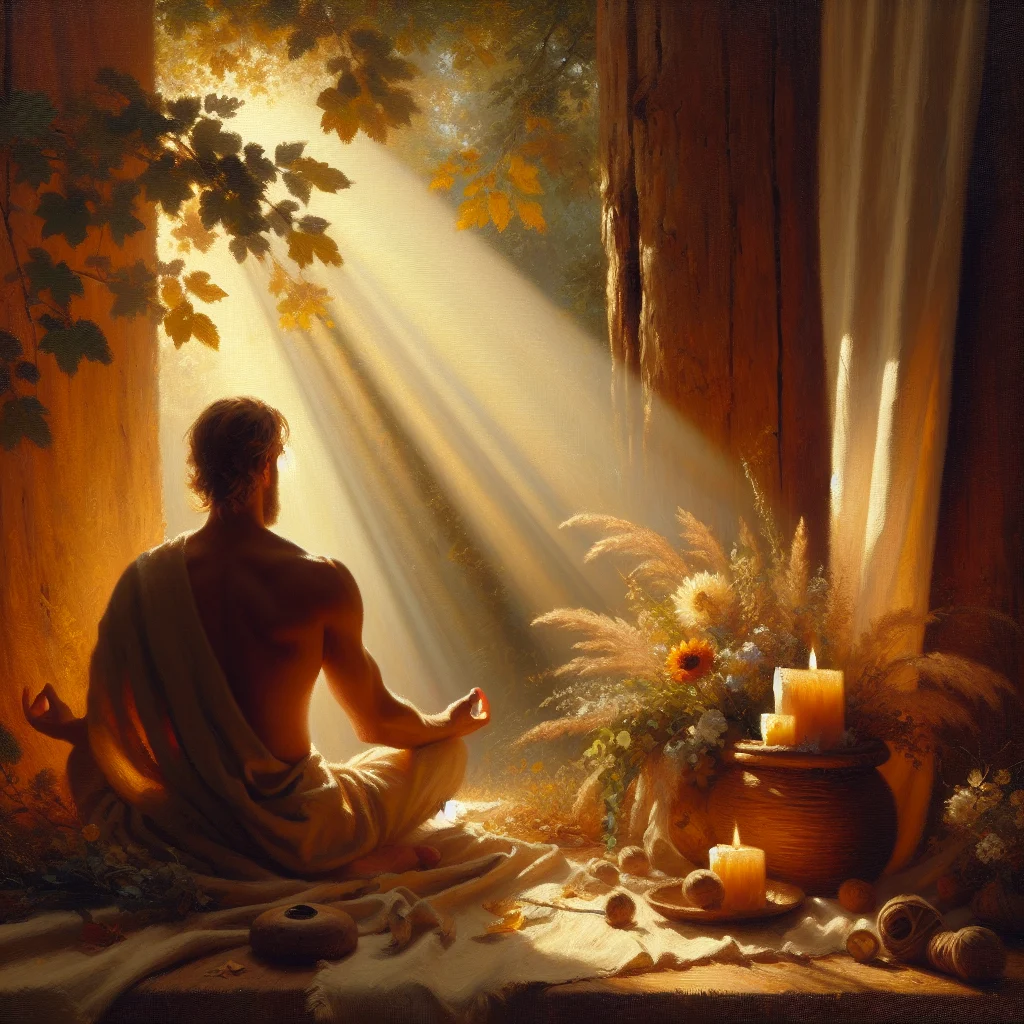
Ways to Incorporate More Meditation Into Your Life
Expanding your meditation practice involves both depth and breadth. Let’s explore various approaches that can enrich your journey without overwhelming your schedule.
Extending Your Session Duration Gradually
One straightforward way to practice more meditation is by gradually increasing your sitting time. However, this requires patience and strategic planning. If you currently meditate for 10 minutes daily, consider adding just 2-3 minutes per week.
This incremental approach allows your body and mind to adjust naturally. Jumping from 10 to 30 minutes overnight often leads to frustration or physical discomfort. Instead, honor your current capacity while gently pushing your boundaries.
As a result, you’ll build endurance without creating resistance. Many experienced practitioners find their sweet spot between 20-45 minutes per session, though some traditions encourage even longer periods.
Adding Multiple Sessions Throughout the Day
Rather than extending a single session, you might explore adding brief meditation moments throughout your day. This approach, often called **micro-meditation**, can be remarkably powerful.
Consider these opportunities for more meditation:
- Morning: 15 minutes upon waking to set your intention
- Midday: 5-10 minutes during lunch to reset and recharge
- Evening: 20 minutes before dinner to transition from work mode
- Bedtime: 10 minutes to promote restful sleep
These shorter sessions distributed throughout your day can create a consistent mindful presence. Moreover, they help you navigate transitions more smoothly and maintain emotional equilibrium during challenging moments.
Exploring Different Meditation Techniques
More meditation also means diversifying your techniques. While your primary practice might be breath awareness, exploring other methods can deepen your understanding and prevent stagnation.
Popular techniques to explore include:
- Loving-kindness meditation (Metta): Cultivating compassion for yourself and others
- Body scan meditation: Developing somatic awareness and releasing tension
- Visualization practices: Using imagery to manifest intentions or explore inner landscapes
- Walking meditation: Bringing mindfulness to movement
- Sound meditation: Using mantras, chants, or instruments like singing bowls
For those interested in structured guidance, guided meditation resources can introduce you to various approaches. Additionally, our article on the purpose of guided meditation explains how these tools can support your growth.
Deepening Your Meditation Quality
While quantity matters, quality remains paramount when pursuing more meditation. A deeply focused 15-minute session often surpasses a distracted 45-minute sit. Therefore, developing concentration and presence becomes essential.
Cultivating Single-Pointed Focus
**Concentration meditation** involves training your attention to rest steadily on a single object—your breath, a candle flame, or a mantra. This practice builds mental strength and clarity.
Start by choosing one anchor for your attention. When your mind wanders, gently return without judgment. Initially, you might return hundreds of times per session. However, this returning *is* the practice—each return strengthens your concentration muscle.
Over time, you’ll notice longer periods of sustained focus. These moments of absorption create the foundation for deeper meditative states and insights.
Developing Insight Through Contemplation
Another dimension of more meditation involves contemplative practices that develop wisdom. Insight meditation traditions emphasize observing the nature of experience itself—noticing impermanence, interconnection, and the construction of the self.
During contemplative meditation, you might reflect on questions such as:
- What is the nature of my thoughts and emotions?
- How do my perceptions shape my reality?
- What patterns keep repeating in my life?
- Where am I resisting the present moment?
These inquiries aren’t meant to be answered intellectually. Instead, you sit with them, allowing insights to emerge organically from direct experience. Consequently, you develop a more nuanced understanding of yourself and reality.
Embracing Silent Retreats
For those truly committed to more meditation, silent retreats offer intensive immersion. These experiences typically involve multiple hours of daily meditation over several days or weeks.
Retreats provide several unique benefits. First, they remove daily distractions and responsibilities, allowing you to focus exclusively on practice. Second, they reveal patterns and resistances that shorter sessions might not uncover. Third, they often catalyze breakthrough experiences or profound insights.
Many traditions offer retreat formats, from weekend intensives to month-long silent sits. Research centers like the University of Massachusetts Center for Mindfulness provide evidence-based programs that combine traditional practices with modern understanding.
Integrating Mindfulness Beyond Formal Practice
True mastery of more meditation extends beyond the cushion. The ultimate goal is bringing meditative awareness into every activity, transforming daily life into continuous practice.
Mindful Movement and Everyday Activities
You can practice meditation while walking, eating, cleaning, or even conversing. The key is bringing full attention to whatever you’re doing, noticing sensations, thoughts, and emotions without attachment.
For example, mindful eating transforms meals into meditation. Notice the colors, textures, aromas, and flavors. Observe hunger and satiety cues. This practice not only deepens mindfulness but also improves digestion and relationship with food.
Similarly, household chores become opportunities for practice. Feel the warm water while washing dishes. Notice the rhythm of sweeping. By bringing awareness to mundane activities, you discover that nothing is actually mundane when fully present.
Relational Mindfulness
Perhaps the most challenging arena for more meditation is in relationships. Can you remain present, open, and non-reactive during difficult conversations? This application tests and strengthens your practice significantly.
**Mindful communication** involves listening without planning your response, speaking truthfully without aggression, and pausing before reacting. These skills, developed through formal meditation, transform how you connect with others.
Moreover, practices like loving-kindness meditation directly improve your capacity for empathy and compassion. As these qualities strengthen, your relationships naturally become more harmonious and fulfilling.
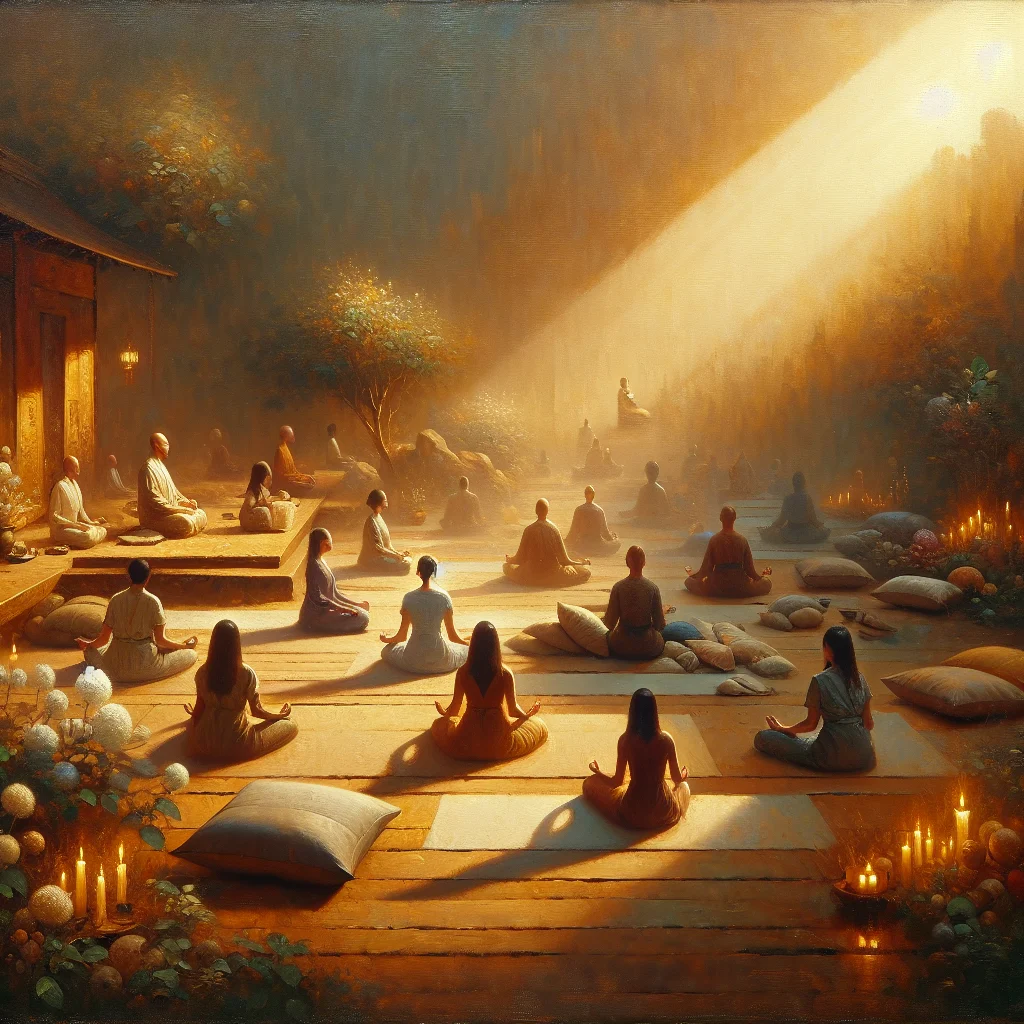
Overcoming Obstacles to More Meditation
As you pursue more meditation, you’ll inevitably encounter challenges. Understanding common obstacles helps you navigate them skillfully rather than abandoning your practice.
Time Constraints and Prioritization
The most common complaint is “I don’t have time.” However, this often reflects priorities rather than actual availability. We find time for what we value most.
Consider tracking your time for one week. You might discover hours spent on social media, television, or other activities that don’t align with your goals. Even reclaiming 15-30 minutes creates space for more meditation.
Additionally, remember that meditation itself often creates time by improving focus, decision-making, and energy levels. Therefore, the time invested returns multiplied benefits throughout your day.
Physical Discomfort
Longer sessions sometimes bring physical challenges—back pain, leg numbness, or restlessness. These sensations can derail your practice if not addressed properly.
Solutions include:
- Using supportive cushions, benches, or chairs
- Adjusting your posture for better alignment
- Alternating sitting with walking meditation
- Treating discomfort as an object of meditation rather than a problem
- Consulting teachers or experienced practitioners for guidance
Remember, meditation doesn’t require suffering. While some discomfort is natural, chronic pain signals the need for adjustments.
Mental Resistance and Doubt
The mind often resists stillness, creating doubt, boredom, or anxiety about “doing it right.” These mental obstacles are actually progress markers—they arise as you penetrate deeper layers of consciousness.
When doubt appears, acknowledge it without believing it. Remind yourself why you started meditating. Read inspiring teachings or connect with meditation communities for support. Many practitioners find that exploring mindfulness advice from various sources helps them through difficult phases.
Furthermore, working with a qualified teacher provides invaluable guidance during challenging periods. Teachers have navigated these territories and can offer perspective when you feel lost.
Creating a Supportive Environment for More Meditation
Your environment significantly impacts your ability to maintain and deepen your practice. Thoughtfully designing your space and schedule sets you up for success.
Designing Your Meditation Space
While you can meditate anywhere, having a dedicated space reinforces your commitment. This doesn’t require an entire room—even a corner with a cushion, candle, or meaningful object creates sacred space.
Consider these elements:
- Consistency: Use the same spot daily to build association
- Comfort: Ensure proper cushions, temperature, and lighting
- Inspiration: Include images, texts, or objects that support your practice
- Minimal distractions: Keep the space simple and electronics away
Some practitioners enhance their environment with meditation music or sound bowls, which can deepen relaxation and focus.
Building Community and Accountability
Practicing with others amplifies your commitment and provides valuable support. Whether joining a local meditation group, attending days of mindfulness, or connecting online, community strengthens your practice.
Shared practice creates collective energy that often feels more powerful than sitting alone. Additionally, hearing others’ experiences normalizes your own challenges and inspires perseverance.
For those exploring mindfulness and meditation more deeply, finding a sangha (spiritual community) provides invaluable friendship and wisdom.
Measuring Progress in Your Meditation Journey
Unlike many pursuits, meditation progress isn’t always linear or obvious. Traditional metrics like productivity or achievement don’t apply. So how do you know if more meditation is working?
Subtle Signs of Deepening Practice
Progress often appears in unexpected ways. You might notice:
- Greater equanimity during challenging situations
- Increased compassion for yourself and others
- Longer periods between stimulus and reaction
- More awareness of your thought patterns and emotions
- Reduced identification with transient mental states
- Spontaneous moments of presence throughout your day
These changes accumulate gradually, like interest in a savings account. One day you realize you responded differently to a situation that previously triggered you. This is meditation working.
Avoiding the Trap of Spiritual Materialism
A common pitfall is treating meditation as another achievement—collecting experiences, hours logged, or techniques mastered. This approach, termed **spiritual materialism**, actually reinforces ego rather than dissolving it.
More meditation isn’t about becoming someone special or attaining extraordinary states. Rather, it’s about seeing clearly, accepting reality, and responding with wisdom and compassion. Therefore, release expectations about what meditation “should” produce.
The paradox is that when you stop grasping for results, transformation happens naturally. Trust the process, maintain consistency, and let meditation do its work beneath the surface of conscious awareness.
Resources for Expanding Your Practice
As you commit to more meditation, quality resources accelerate your growth. Books, courses, apps, and teachers each offer unique value.
Traditional Texts and Modern Guides
Classic meditation literature provides timeless wisdom. Texts like the Dhammapada, *The Heart of the Buddha’s Teaching* by Thich Nhat Hanh, or *Wherever You Go, There You Are* by Jon Kabat-Zinn offer profound insights.
Contemporary works bridge ancient wisdom with modern understanding. They address current challenges like technology overload, busy schedules, and Western psychology in ways traditional texts don’t.
Structured Programs and Courses
For comprehensive guidance, structured programs provide systematic progression. Mindfulness-Based Stress Reduction (MBSR), developed by Jon Kabat-Zinn, offers an evidence-based eight-week curriculum combining meditation, body awareness, and mindful movement.
If you’re seeking practical tools for daily integration, Everyday Calm: A Beginner’s Guide to Daily Meditation offers accessible techniques that support both beginners and experienced practitioners looking to refresh their approach.
Additionally, exploring resources related to personal growth and spirituality and inner work can complement your meditation practice with broader perspectives on transformation.
Conclusion: Embracing the Endless Journey
The beautiful truth about meditation is that there’s always more to discover. More meditation doesn’t mean reaching a final destination—it’s an ongoing exploration of consciousness, compassion, and presence.
Whether you’re extending your sessions, diversifying techniques, or bringing mindfulness into daily activities, each step deepens your understanding. Remember that consistency matters more than perfection. Some days will feel profound, others ordinary. Both are valuable.
As you continue this journey, be patient with yourself. Meditation isn’t about forcing change but creating conditions where transformation naturally unfolds. Trust that each moment of presence, each return to the breath, each act of awareness contributes to your evolution.
The path of more meditation ultimately leads you home—to the present moment, to your true nature, to the peace that was always available beneath the noise of a busy mind. This journey is perhaps the most worthwhile adventure you’ll ever undertake.
Ready to deepen your practice with proven techniques? Explore Manifest Your Dreams: A Practical Guide to the Law of Attraction to discover how meditation and manifestation work together to create lasting transformation in your life.

