
The concept of a nomade slow living lodge represents a beautiful intersection between mindful travel and intentional living. In today’s fast-paced world, where digital nomadism has become increasingly popular, these unique accommodations offer travelers a chance to slow down, reconnect with nature, and embrace a more meaningful way of experiencing new places. Unlike traditional hotels or rushed tourist destinations, a nomade slow living lodge prioritizes quality over quantity, encouraging guests to immerse themselves fully in their surroundings while maintaining a balanced, peaceful lifestyle.
As more people seek alternatives to conventional tourism, the slow living movement has gained tremendous momentum. These lodges cater specifically to those who want to travel differently—to stay longer, explore deeper, and leave smaller environmental footprints. Whether you’re a digital nomad searching for your next inspiring workspace or simply someone craving a break from modern life’s relentless pace, understanding what makes these lodges special can transform your travel experiences.
For those beginning their journey toward more mindful living, Everyday Calm: A Beginner’s Guide to Daily Meditation offers practical tools to cultivate the inner peace that complements this lifestyle perfectly.
Understanding the Philosophy Behind Nomade Slow Living Lodges
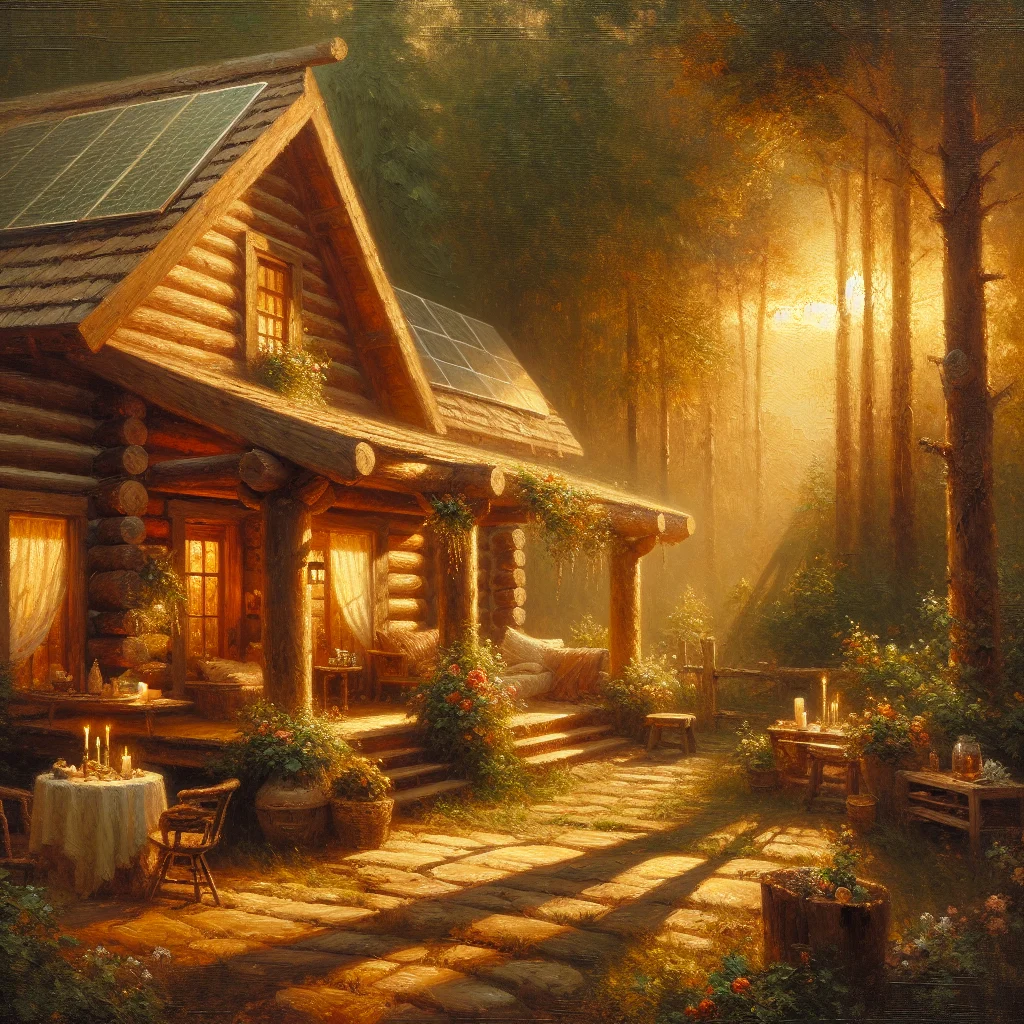
The philosophy underpinning a nomade slow living lodge goes far beyond providing simple accommodation. These spaces are intentionally designed to foster mindfulness, sustainability, and genuine connection. Because the slow living movement emphasizes quality experiences over rushed itineraries, these lodges create environments where time seems to expand rather than contract.
The Origins of Slow Living
The slow living movement emerged as a response to our increasingly hectic modern lifestyles. Originating from the slow food movement in Italy during the 1980s, this philosophy has since expanded to encompass all aspects of life. It encourages people to resist the pressure of constant productivity and instead focus on what truly matters.
In addition to promoting personal wellbeing, slow living emphasizes environmental consciousness and community connection. These values align perfectly with the needs of modern nomads who seek meaningful experiences while traveling. For example, many digital workers have discovered that slowing down actually increases their creativity and productivity rather than diminishing it.
How Nomadic Living Meets Slow Philosophy
At first glance, nomadic living and slow philosophy might seem contradictory. However, they actually complement each other beautifully when approached thoughtfully. Traditional nomadism often involved rapid movement and superficial encounters with places, but the slow nomadic approach encourages extended stays in fewer locations.
A nomade slow living lodge facilitates this integration by providing comfortable spaces designed for longer-term stays. Rather than rushing from one tourist attraction to another, guests can establish routines, discover local rhythms, and build genuine relationships with communities. This approach is explored further in our article on slow living concepts across different cultures.
Key Features That Define Authentic Slow Living Lodges
Not every accommodation claiming to embrace slow living truly embodies its principles. Authentic nomade slow living lodges share several distinctive characteristics that set them apart from conventional hospitality offerings.
Sustainable Architecture and Design
Genuine slow living lodges prioritize environmental sustainability in their construction and daily operations. These properties typically incorporate:
- Natural building materials like reclaimed wood, stone, and earth-based elements
- Energy-efficient systems including solar panels and rainwater harvesting
- Biophilic design principles that integrate nature into living spaces
- Minimal environmental impact through thoughtful site selection and construction methods
As a result, guests experience spaces that feel harmonious with their natural surroundings rather than imposed upon them. The architecture itself becomes a teacher, demonstrating how humans can live more gently on the earth.
Intentional Community Spaces
While privacy remains important, these lodges also create opportunities for meaningful connection. Common areas are designed to encourage interaction without forcing it—perhaps a shared kitchen where guests can cook together, a library with comfortable reading nooks, or outdoor spaces perfect for evening conversations.
Furthermore, many lodges organize optional community activities that align with slow living principles. These might include group meditation sessions, cooking classes featuring local ingredients, or collaborative art projects. The emphasis is always on quality interaction rather than programmed entertainment.
Connection to Local Culture and Environment
A distinguishing feature of quality nomade slow living lodges is their deep integration with local communities and ecosystems. These establishments don’t exist in isolation but rather serve as bridges between travelers and authentic local experiences.
For instance, lodges might partner with nearby artisans, farmers, and cultural practitioners to offer guests genuine encounters with local traditions. This approach benefits both travelers seeking authentic experiences and communities gaining fair economic opportunities. It’s a philosophy closely aligned with holistic living principles that emphasize interconnection.
Popular Destinations for Nomade Slow Living Experiences
While the concept can be implemented anywhere, certain regions have become particularly known for their exceptional slow living accommodations. These destinations offer ideal conditions for this lifestyle approach.
Southeast Asian Retreats
Countries like Indonesia, Thailand, and Vietnam have embraced the nomade slow living lodge concept enthusiastically. Bali, in particular, has numerous properties that blend traditional Balinese architecture with modern sustainability practices. The island’s spiritual culture naturally aligns with slow living principles, making it a favorite among conscious travelers.
Places like Hemanaire Slow Living Valley demonstrate how Southeast Asian locations can provide perfect settings for this lifestyle. The region’s affordable cost of living, warm climate, and welcoming communities make extended stays both practical and enriching.
European Countryside Havens
Portugal, Spain, and southern France have also become popular destinations for slow living lodges. These regions offer rich cultural heritage, excellent food traditions, and landscapes that inspire contemplation. Moreover, many rural areas in these countries are experiencing revitalization through sustainable tourism initiatives.
European slow living properties often occupy restored historical buildings, preserving architectural heritage while adapting spaces for modern comfort. This combination of old and new perfectly embodies the slow living principle of honoring the past while living mindfully in the present.
Latin American Eco-Lodges
Countries throughout Central and South America provide incredible settings for nomade slow living experiences. From Costa Rica’s cloud forests to Mexico’s colonial towns, the region offers remarkable biodiversity and cultural richness. In addition, Latin American hospitality traditions naturally align with slow living’s emphasis on connection and warmth.
Many Latin American slow living lodges focus particularly on regenerative agriculture and permaculture, allowing guests to participate in growing food and understanding sustainable land stewardship. These hands-on experiences deepen travelers’ connection to both place and purpose.
Daily Life in a Nomade Slow Living Lodge
Understanding what daily life actually looks like in these unique accommodations helps potential guests determine if this travel style suits their needs and preferences.
Morning Rituals and Mindful Starts
Days in a slow living lodge typically begin gently rather than with blaring alarms. Many properties offer morning yoga sessions, meditation gatherings, or simply quiet spaces to watch the sunrise. Because the entire environment is designed to support mindfulness, guests naturally find themselves adopting more intentional morning routines.
Breakfast might be a communal affair featuring locally sourced ingredients, or it could be prepared individually in shared kitchen facilities. The key is that meals become experiences to savor rather than fuel stops between activities. This approach to eating reflects broader holistic health practices that honor the connection between nourishment and wellbeing.
Work-Life Balance for Digital Nomads
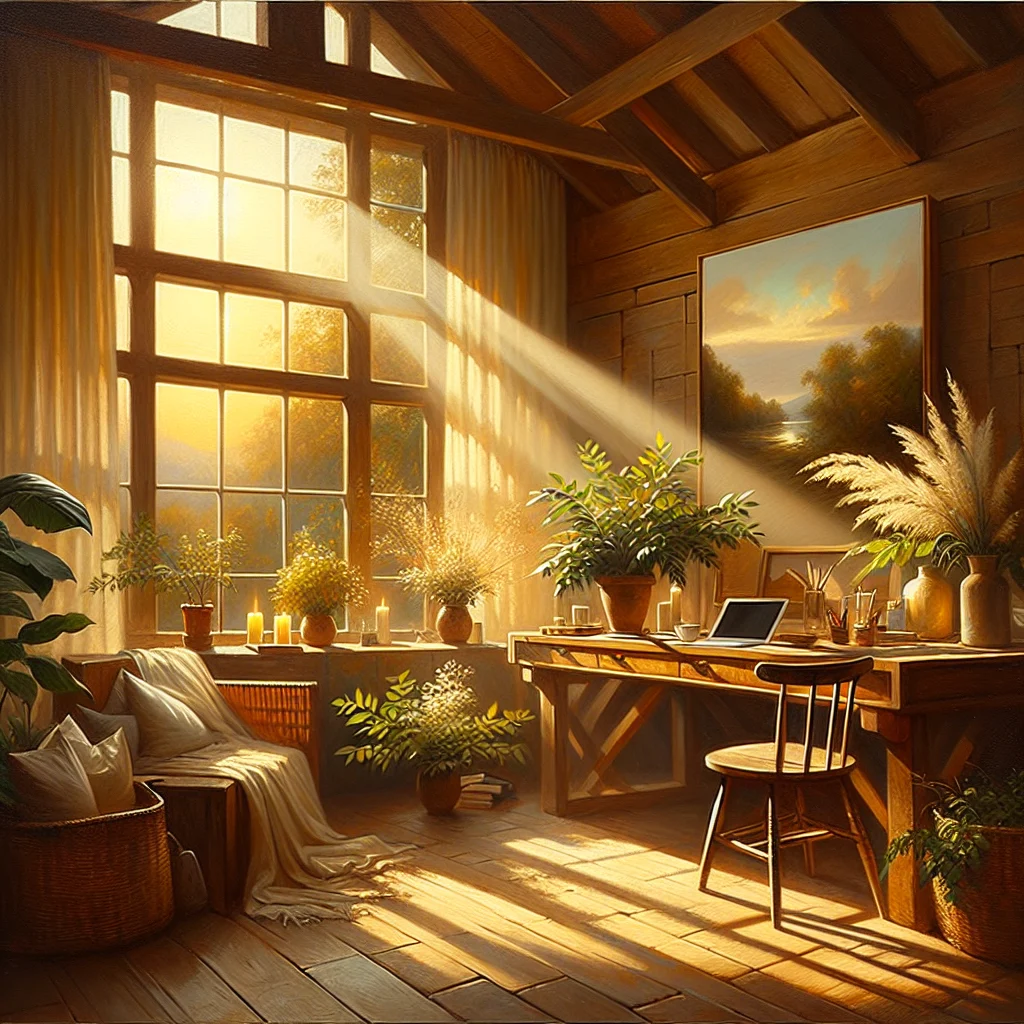
For remote workers, nomade slow living lodges provide ideal environments for productive yet balanced work lives. These properties typically offer:
- Reliable high-speed internet essential for digital work
- Comfortable workspaces with natural light and ergonomic furniture
- Quiet zones for focused work periods
- Flexible common areas for those who prefer working alongside others
However, the environment also encourages healthy boundaries between work and leisure. Natural surroundings invite breaks for walks or contemplation, while the absence of urban distractions makes it easier to disconnect fully after work hours. As a result, many digital nomads report feeling both more productive and more rested during slow living lodge stays.
Evening Activities and Community Connection
As daylight fades, these lodges come alive with different energy. Evening activities might include shared dinners, storytelling circles, creative workshops, or simply gathering around a fire. The atmosphere encourages genuine conversation and connection—the kind that’s increasingly rare in our digitally mediated world.
Some guests choose to spend evenings pursuing personal interests like reading, journaling, or practicing creative hobbies. The beauty of these spaces is that they support both social connection and solitary reflection without judgment. Everyone’s slow living journey looks slightly different, and that diversity is celebrated.
Benefits of Choosing a Slow Living Lodge Experience
The advantages of staying in a nomade slow living lodge extend far beyond simple accommodation. These experiences offer profound benefits for mental, physical, and spiritual wellbeing.
Mental Health and Stress Reduction
One of the most immediate benefits guests report is significant stress reduction. The combination of natural surroundings, slower pace, and supportive community creates ideal conditions for mental health recovery. Because these environments minimize common stressors—noise, pollution, overcrowding, constant stimulation—the nervous system naturally shifts toward rest and restoration.
Research on nature exposure and mental health consistently demonstrates that time in natural settings reduces anxiety, depression, and cognitive fatigue. Slow living lodges maximize these benefits by integrating nature throughout the living experience rather than treating it as something separate to visit.
Environmental Consciousness and Sustainable Living Skills
Staying in a well-designed slow living lodge provides practical education in sustainable living. Guests observe and participate in systems like composting, water conservation, renewable energy use, and waste reduction. These aren’t abstract concepts but daily realities that become second nature during extended stays.
Furthermore, many guests report that skills and habits learned during lodge stays transfer back to their regular lives. Someone who discovers the satisfaction of hanging laundry to dry in the sun or cooking with seasonal local ingredients often continues these practices when they return home. This ripple effect multiplies the environmental impact far beyond the lodge itself.
Deep Cultural Immersion
Unlike typical tourism that treats culture as a commodity to consume, slow living lodges facilitate genuine cultural exchange. Extended stays allow time to learn local languages, understand regional customs, and build real friendships with community members. This depth of experience proves far more meaningful than superficial tourist encounters.
In addition, this approach benefits local communities more equitably. Rather than extractive tourism that takes local resources without fair compensation, slow living lodges typically employ local staff, source supplies locally, and encourage guests to support community businesses. This creates economic benefits that remain within the community rather than flowing to external corporations.
How to Choose the Right Nomade Slow Living Lodge
With growing interest in this accommodation style, numerous properties now market themselves as slow living lodges. However, quality and authenticity vary significantly. Here’s how to identify truly exceptional options.
Essential Questions to Ask Before Booking
Before committing to a stay, consider asking potential lodges these important questions:
- What specific sustainability practices does the property implement?
- How does the lodge support and integrate with the local community?
- What is the typical guest profile and length of stay?
- What facilities and amenities are included versus available at additional cost?
- How does the property handle internet connectivity and work needs?
- What is the cancellation policy for longer-term bookings?
The quality and transparency of responses will reveal much about whether a property genuinely embodies slow living principles or simply uses the terminology for marketing purposes.
Red Flags and Green Flags
Certain indicators suggest authenticity while others should raise concerns. Green flags include transparent sustainability reporting, long-term partnerships with local organizations, testimonials emphasizing community and connection, and reasonable pricing that reflects fair labor practices.
Conversely, red flags include vague sustainability claims without specifics, very low prices that suggest exploitation of local labor, heavily filtered social media presence that feels performative, and resistance to answering questions about operations. Trust your instincts—properties genuinely committed to these values are typically eager to discuss them openly.
Preparing for Your Stay
Once you’ve selected a lodge, proper preparation enhances your experience significantly. Because these properties often occupy remote locations, research logistics carefully regarding transportation, necessary supplies, and communication methods. Many slow living lodges provide detailed arrival guides—read them thoroughly.
Mentally preparing proves equally important. Slow living experiences work best when guests arrive with open minds and flexible expectations. While modern conveniences are typically available, they may function differently than you’re accustomed to. Embracing these differences as part of the experience rather than viewing them as deficiencies transforms potential frustrations into opportunities for growth.
Creating Your Own Slow Living Practice Beyond the Lodge
The ultimate value of a nomade slow living lodge experience lies in its ability to inspire lasting lifestyle changes. While you may not be able to permanently live in such an idyllic setting, the principles and practices can integrate into daily life anywhere.
Bringing Slow Living Home
Start by identifying which aspects of the lodge experience brought you the most peace and satisfaction. Was it morning meditation? Cooking with fresh ingredients? Having dedicated screen-free time? Connecting with nature daily? Prioritize incorporating one or two of these practices into your regular routine rather than attempting wholesale lifestyle transformation overnight.
Additionally, consider how you might recreate the physical environment that supported your wellbeing. This doesn’t require expensive renovations—simple changes like adding plants, improving natural light, or creating a dedicated space for mindfulness practice can significantly impact daily experience. Resources like downloadable slow living guides can provide ongoing inspiration and practical tips.
Building Community Around Shared Values
One of the most challenging aspects of returning from a slow living lodge is leaving the supportive community behind. However, you can intentionally create community around these values in your home location. Look for local groups focused on sustainability, mindfulness, or intentional living. If none exist, consider starting one yourself—even a small monthly gathering can provide meaningful connection.
Online communities also offer valuable support for maintaining slow living practices. Many former lodge guests stay connected through social media groups or messaging apps, sharing challenges and victories as they integrate lessons learned into everyday life. This ongoing connection helps sustain motivation when modern life’s pressures threaten to pull you back into old patterns.
Continuing Education and Growth
The journey toward more intentional living never truly ends—it simply evolves. Continue learning about topics that fascinate you, whether that’s permaculture, minimalism, meditation techniques, or sustainable fashion. Many resources are available for those committed to this path, including Manifest Your Dreams: A Practical Guide to the Law of Attraction, which explores how conscious intention shapes reality.
Consider also exploring practices like sound healing therapy, which many slow living lodges incorporate into their offerings. These complementary practices deepen the overall experience of living more mindfully and connecting with your inner wisdom.
The Future of Nomade Slow Living Lodges
As awareness grows about the limitations of conventional tourism and the importance of sustainable living, the nomade slow living lodge concept will likely continue expanding and evolving.
Emerging Trends in the Movement
Several exciting developments are shaping the future of slow living accommodations. Regenerative tourism, which goes beyond sustainability to actually improve environments and communities, is becoming increasingly central to lodge missions. Properties are implementing practices that restore ecosystems, revive cultural traditions, and create genuine prosperity for local people.
Technology integration also presents interesting possibilities. While slow living emphasizes disconnection from constant digital stimulation, thoughtful technology use can enhance rather than detract from the experience. For example, apps that identify local plants and wildlife, virtual language learning tools, or platforms connecting guests with local artisans can deepen engagement with place and culture.
Challenges and Opportunities
The growing popularity of slow living lodges also presents challenges. As demand increases, there’s risk of commercialization that undermines authentic principles. Properties might prioritize profit over values, or popular destinations could experience overcrowding that damages the very qualities that made them attractive initially.
However, these challenges also create opportunities for the movement to define itself more clearly. Certification programs, similar to those in organic agriculture or fair trade, could help travelers identify truly committed properties. Moreover, the spread of slow living concepts could actually distribute tourism more evenly, relieving pressure on overtouristed destinations while bringing thoughtful development to overlooked regions.
Making the Leap: Your First Slow Living Lodge Stay
If this article has sparked your interest in experiencing a nomade slow living lodge, the question becomes: how do you actually make it happen? While the prospect might feel daunting, especially if you’re new to extended travel or remote work, breaking the process into manageable steps makes it achievable.
Starting with a Trial Period
Rather than committing to an extended stay immediately, consider booking a shorter initial visit of one to two weeks. This allows you to experience the lifestyle without the pressure of a long-term commitment. Many lodges offer discounts for longer stays, but starting small helps you determine if a particular property and this general travel style suit you.
During this trial period, pay attention to your responses—both positive and negative. What aspects energize you? What feels challenging? Being honest about your experience helps you make informed decisions about future extended stays and which lodges might fit your needs best.
Planning Practically
Practical planning ensures your experience starts smoothly. Key considerations include:
- Financial planning for both lodge costs and general living expenses
- Work arrangements if you’ll be working remotely
- Health insurance that covers international or extended travel
- Visa requirements for longer stays in certain countries
- Communication plans for staying in touch with family and friends
While this might seem overwhelming, remember that countless others have successfully navigated these logistics. Many slow living lodges provide resources and support to help guests handle practical details. Don’t hesitate to ask property owners questions—they’re typically happy to share advice based on previous guests’ experiences.
Embracing the Transformation
Finally, approach your slow living lodge experience with openness to transformation. While you might arrive with certain expectations, the reality often surprises people—sometimes in challenging ways, but more often in delightfully unexpected ones. Allow yourself to be changed by the experience rather than rigidly controlling every aspect.
This openness extends to both external experiences and internal discoveries. Many guests report that slowing down reveals insights about themselves—their values, desires, and life direction—that were previously obscured by daily busyness. Creating space for these revelations is perhaps the greatest gift a nomade slow living lodge can offer.
For those ready to deepen their self-understanding during this journey, resources like The Self-Love Reset: A Journey to Rediscover Yourself provide valuable frameworks for personal exploration and growth.
Conclusion: The Invitation of Slow Living
The nomade slow living lodge represents more than just a travel accommodation—it’s an invitation to reconsider how we move through the world and spend our precious time. In an era of constant acceleration and digital overwhelm, these spaces offer something increasingly rare: permission to slow down, to savor, to connect deeply with both place and self.
Whether you’re a seasoned nomad seeking more meaningful travel experiences or someone simply craving a break from life’s relentless pace, these lodges provide environments specifically designed to support presence, mindfulness, and authentic connection. They demonstrate that another way of living—and traveling—is not only possible but increasingly accessible.
The principles embodied in slow living lodges extend far beyond any single location or experience. They offer a template for how we might all live more intentionally, sustainably, and joyfully. By choosing to support and participate in this movement, travelers become part of a global community working toward more conscious ways of inhabiting our planet and sharing its resources.
As you consider your next journey, whether literal or metaphorical, remember that transformation begins with a single intentional choice. Perhaps that choice is booking a stay at a nomade slow living lodge. Perhaps it’s simply incorporating one slow living practice into your daily routine. Whatever form it takes, the invitation remains: to live more fully in each present moment, to honor your connections with nature and community, and to move through the world with greater consciousness and care.
The slow living movement reminds us that we don’t have to choose between adventure and stillness, between exploring the world and knowing ourselves deeply. In fact, these pursuits complement each other beautifully when approached with intention. A nomade slow living lodge simply provides the perfect container for this integration—a place where the journey inward and the journey outward become one seamless path of discovery and growth.

