
The power of breathing meditation has been recognized for thousands of years across different cultures and spiritual traditions. However, in our modern fast-paced world, we often overlook the simple act of breathing as a gateway to profound transformation. By consciously connecting with our breath, we unlock a remarkable tool that can reduce stress, improve mental clarity, and enhance overall wellbeing.
Breathing meditation is more than just a relaxation technique. In fact, it’s a comprehensive practice that bridges the gap between our physical body and mental state. Through intentional breath work, we activate our parasympathetic nervous system, which promotes healing and restoration throughout our entire being.
Whether you’re completely new to meditation or looking to deepen your existing practice, understanding how to harness your breath can fundamentally change your experience of daily life. For those ready to explore this transformative journey, Everyday Calm: A Beginner’s Guide to Daily Meditation offers practical strategies to incorporate breathing practices into your routine.
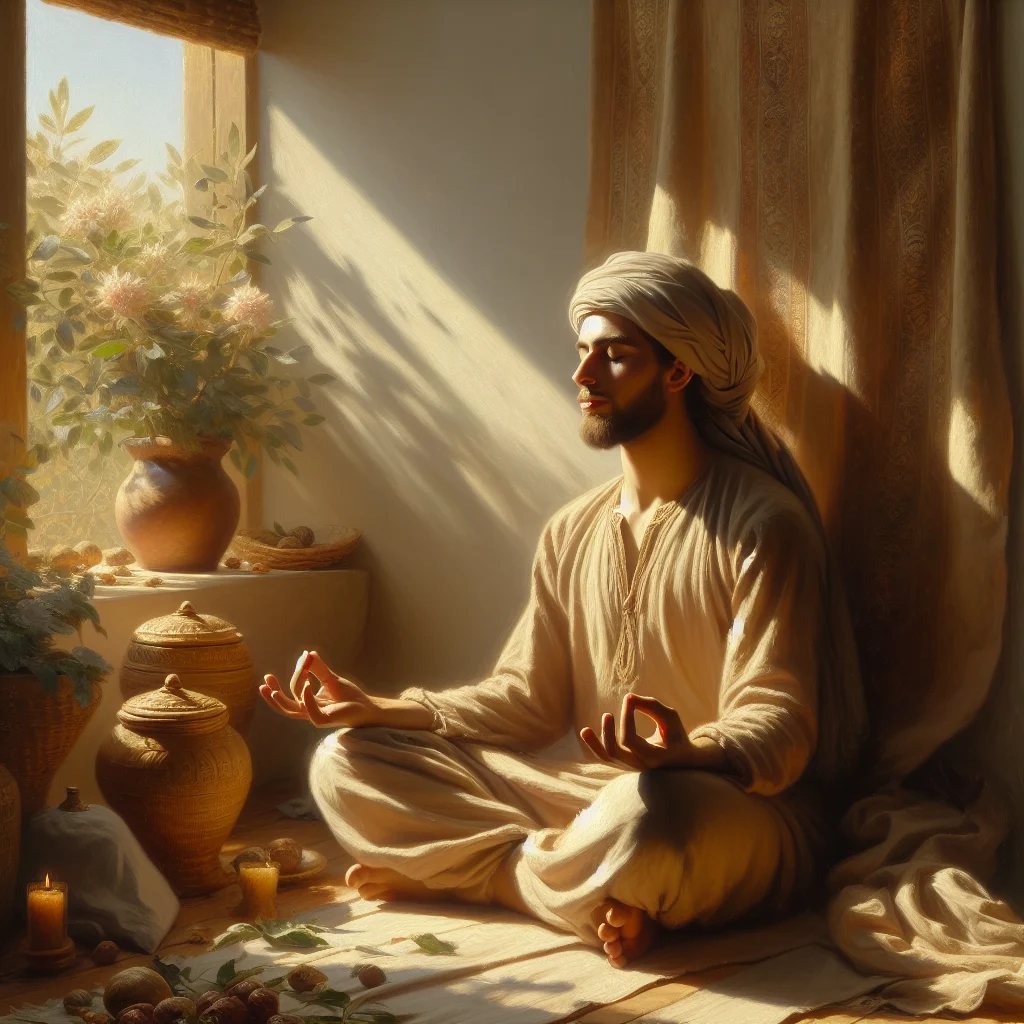
Understanding the Science Behind Breathing Meditation
The power of breathing meditation isn’t just spiritual folklore—it’s grounded in solid neuroscience and physiology. When we engage in conscious breathing practices, we directly influence our autonomic nervous system, which controls involuntary bodily functions like heart rate and digestion.
Research from institutions like Harvard Medical School has demonstrated that controlled breathing activates the vagus nerve. As a result, this activation triggers a cascade of beneficial physiological responses throughout the body.
How Breathing Affects Your Brain Chemistry
During breathing meditation, several important changes occur in your brain. First, the practice increases the production of GABA (gamma-aminobutyric acid), a neurotransmitter that helps calm neural activity. Additionally, regular practitioners often experience elevated levels of serotonin and dopamine, which contribute to improved mood and emotional regulation.
Studies published in scientific journals have shown that meditation practitioners exhibit increased gray matter density in areas associated with learning, memory, and emotional regulation. Consequently, these structural changes translate into tangible improvements in cognitive function and stress management.
Free Guided Meditation · Day 1
You Are Safe Right Now.
5 min · Breathwork & body scan · Stress release
Liked it? Get the full audio.
Enter your email and we'll send you the complete 5-minute meditation — free, straight to your inbox.
Zero spam. Unsubscribe anytime.
Check Your Inbox.
Your full 5-minute meditation is on its way. Open the email and hit play — your reset starts now.
Can't find it? Check your spam folder.
The Physiological Response to Conscious Breathing
When you practice breathing meditation, your body undergoes several measurable changes:
- Heart rate variability improves, indicating better cardiovascular health
- Blood pressure decreases naturally without medication
- Cortisol levels drop, reducing the harmful effects of chronic stress
- Oxygen circulation improves throughout your entire system
- Immune function strengthens through reduced inflammatory markers
Because these changes happen at both cellular and systemic levels, the benefits compound over time with consistent practice. Moreover, unlike many wellness interventions, breathing meditation requires no equipment, costs nothing, and can be practiced virtually anywhere.
Different Breathing Meditation Techniques and Their Benefits
The beauty of breathing meditation lies in its versatility. While the fundamental principle remains the same—focused attention on the breath—various techniques offer different benefits and appeal to different preferences.
Diaphragmatic Breathing (Belly Breathing)
This foundational technique involves breathing deeply into your belly rather than shallowly into your chest. To practice diaphragmatic breathing, place one hand on your chest and another on your abdomen. Then, breathe in slowly through your nose, allowing your belly to rise while keeping your chest relatively still.
This method is particularly effective for beginners because it’s simple yet powerful. Furthermore, it immediately engages the relaxation response and can be practiced during daily activities like sitting at your desk or lying in bed.
Box Breathing (Square Breathing)
Used by Navy SEALs and elite athletes, box breathing follows a four-part rhythm. First, inhale for a count of four. Next, hold your breath for four counts. Then, exhale for four counts. Finally, hold the empty breath for another four counts before repeating the cycle.
This technique is excellent for moments when you need to rapidly calm your nervous system. For example, before an important presentation or during moments of acute anxiety, box breathing provides immediate relief.
Alternate Nostril Breathing (Nadi Shodhana)
This ancient yogic practice involves alternating the breath between nostrils using your fingers to gently close one nostril at a time. Although it may seem unusual at first, this technique balances the left and right hemispheres of the brain.
According to traditional Pranayama teachings, alternate nostril breathing clears energy channels and promotes mental clarity. Many practitioners report feeling more centered and balanced after just a few minutes of this practice.
4-7-8 Breathing Technique
Developed by Dr. Andrew Weil, this technique follows a specific count pattern. Inhale quietly through your nose for 4 counts, hold your breath for 7 counts, then exhale completely through your mouth for 8 counts. This pattern is repeated for four full cycles.
The 4-7-8 technique is especially helpful for those struggling with insomnia or anxiety. Because the extended exhale activates the relaxation response so effectively, many people use this as their go-to method for calming the mind before sleep.
Getting Started with Your Breathing Meditation Practice
Beginning a breathing meditation practice doesn’t require special training or equipment. However, establishing the right foundation will help ensure your practice becomes sustainable and enjoyable rather than another item on your to-do list.
Creating Your Meditation Space
While you can practice breathing meditation anywhere, designating a specific space can help anchor your practice. Choose a quiet corner of your home where you won’t be disturbed. The space doesn’t need to be large—even a comfortable chair in a quiet room works perfectly.
Consider adding elements that support relaxation, such as:
- A cushion or meditation bench for comfortable seating
- Soft lighting or candles to create ambiance
- Plants or natural elements to connect with nature
- A blanket for warmth during longer sessions
Nevertheless, remember that the most important element is consistency rather than perfection. Even if you practice in a busy environment, the benefits will still accumulate over time.
Finding the Right Time for Practice
Many experienced practitioners recommend meditation in early morning when the mind is fresh and distractions are minimal. However, the best time is ultimately whenever you can commit to regular practice.
Some people prefer evening sessions to decompress from the day’s stress. Others find midday breathing breaks help them reset during busy workdays. Experiment with different times to discover what works best for your schedule and energy levels.
Starting Small and Building Gradually
One of the biggest mistakes beginners make is attempting overly ambitious practice sessions. Instead of starting with hour-long sessions, begin with just 5-10 minutes daily. This approach makes the practice sustainable and prevents burnout.
A realistic progression might look like this:
- Week 1-2: Practice 5 minutes daily, focusing on basic breath awareness
- Week 3-4: Increase to 10 minutes, introducing one new technique
- Week 5-8: Extend to 15 minutes, exploring different breathing patterns
- Week 9 onwards: Continue expanding based on your comfort and interest
As a result of this gradual approach, your practice becomes deeply rooted rather than feeling like an obligation. Moreover, you’ll develop the patience and self-compassion that are essential components of any meditation practice.

The Power of Breathing Meditation for Stress and Anxiety
Perhaps the most immediately noticeable benefit of breathing meditation is its remarkable ability to combat stress and anxiety. In our constantly connected world, chronic stress has become a widespread epidemic affecting millions of people.
Breaking the Stress Response Cycle
When we experience stress, our body initiates the “fight or flight” response—an evolutionary mechanism designed to protect us from immediate danger. Unfortunately, our nervous system can’t distinguish between genuine threats and modern stressors like work deadlines or financial worries.
Breathing meditation interrupts this cycle by sending direct signals to the brain that it’s safe to relax. Through conscious breath control, we essentially override the stress response and activate the relaxation response instead. Consequently, heart rate slows, blood pressure decreases, and muscle tension releases.
Managing Anxiety Through Breath Awareness
Anxiety often manifests as rapid, shallow breathing, which further exacerbates anxious feelings. This creates a vicious cycle where anxiety causes poor breathing, which in turn intensifies anxiety symptoms.
By practicing breathing meditation regularly, you develop the ability to notice when your breath becomes restricted or hurried. This awareness alone can be transformative because it gives you a tool for intervention before anxiety spirals out of control.
For those dealing with persistent anxiety, combining breathing practices with other approaches from mental health and wellbeing resources can provide comprehensive support.
Long-Term Resilience Building
While breathing meditation provides immediate relief during stressful moments, its greatest power lies in building long-term resilience. Regular practitioners report that they respond to stressful situations more calmly and recover from difficulties more quickly.
Research shows that consistent practice actually changes the brain’s baseline response to stress. The amygdala—the brain’s fear center—becomes less reactive, while the prefrontal cortex, responsible for rational thinking, becomes more engaged during challenging situations.
Integrating Breathing Meditation with Other Wellness Practices
The power of breathing meditation amplifies when combined with complementary practices. Rather than existing in isolation, breathing work can enhance and deepen other aspects of your wellness routine.
Combining Breathwork with Mindful Movement
Practices like mindful yoga naturally integrate breathing awareness with physical movement. In yoga, the breath guides the transitions between poses and helps maintain focus throughout the practice.
Similarly, activities like walking meditation, tai chi, or qigong all emphasize coordinating breath with movement. This integration creates a powerful synergy where physical activity becomes a moving meditation, deepening both the physical and mental benefits.
Enhancing Your Meditation Practice
For those exploring broader mindfulness and meditation techniques, breathing serves as an excellent anchor point. When the mind wanders during meditation—which is completely normal—returning attention to the breath provides a gentle way to refocus.
Many advanced practitioners begin their meditation sessions with several minutes of conscious breathing to settle the mind before moving into deeper contemplative practices. This creates a smooth transition from everyday consciousness to meditative states.
Supporting Manifestation and Visualization Work
Breathwork also powerfully supports practices like visualization and goal-setting. Before engaging in manifestation exercises, spending a few minutes in breathing meditation helps clear mental clutter and enhances focus.
When your nervous system is calm and your mind is clear through proper breathing, visualization becomes more vivid and emotionally resonant. This is why many guided manifestation practices incorporate breathing components at the beginning.
Overcoming Common Challenges in Breathing Meditation
Like any new skill, breathing meditation comes with challenges, especially for beginners. Understanding these common obstacles and how to address them can prevent frustration and support long-term practice.
When Your Mind Won’t Stop Racing
Perhaps the most frequent complaint among new practitioners is the inability to quiet mental chatter. However, it’s important to understand that the goal isn’t to eliminate thoughts entirely—that’s virtually impossible.
Instead, breathing meditation teaches us to change our relationship with thoughts. Rather than getting caught up in thinking, we learn to observe thoughts passing by like clouds in the sky. Each time you notice your mind wandering and gently return to the breath, you’re actually succeeding in the practice, not failing.
Dealing with Physical Discomfort
Some people experience discomfort when first practicing breathing meditation, such as dizziness from breathing too deeply or muscle tension from sitting still. These issues are normal and usually resolve with adjustments.
If you feel lightheaded, reduce the depth and intensity of your breathing. If sitting causes pain, try lying down or using additional cushions for support. The key is finding a sustainable approach that works for your unique body rather than forcing yourself into discomfort.
Maintaining Consistency
Building a consistent practice represents one of the biggest challenges for most people. Life gets busy, and meditation often becomes the first thing to skip when time is tight.
To maintain consistency, try these strategies:
- Link your practice to an existing habit (like morning coffee or bedtime routine)
- Set a specific time and treat it as a non-negotiable appointment
- Start with very short sessions that feel manageable
- Use reminders or meditation apps to prompt your practice
- Join a meditation group or find an accountability partner
Remember that even a brief two-minute breathing practice is better than skipping entirely. Progress isn’t always linear, and compassion toward yourself is essential.
Advanced Applications of Breathing Meditation
As your practice deepens, you may want to explore more advanced applications of breathing meditation that address specific goals or situations. These sophisticated techniques build upon the foundation you’ve established through regular practice.
Using Breath for Emotional Regulation
Advanced practitioners learn to use specific breathing patterns to influence emotional states intentionally. For instance, slow, deep breathing promotes calmness, while more energizing breath patterns can help combat lethargy or depression.
Some traditions teach that different emotions correspond to different breathing patterns. By consciously changing your breath, you can shift emotional states more quickly than through thought alone. This represents a powerful tool for emotional intelligence and self-regulation.
Breathwork for Enhanced Focus and Productivity
In professional contexts, strategic breathing breaks can dramatically improve focus and decision-making. Many high-performing executives and entrepreneurs use breathing techniques throughout their workday to maintain mental clarity.
Before important meetings, a few minutes of focused breathing can center your attention and reduce nervousness. During long work sessions, brief breathing breaks prevent mental fatigue and maintain productivity levels.
Exploring Transformative Breathwork Experiences
Some advanced breathing practices, such as holotropic breathwork or certain pranayama techniques, can induce profound altered states of consciousness. These intensive practices should ideally be learned from qualified teachers and practiced in safe, supportive environments.
While not necessary for everyone, these deeper explorations can facilitate significant personal breakthroughs and spiritual insights. However, they require proper guidance, especially for those with certain medical conditions or psychological vulnerabilities.
The Spiritual Dimensions of Breathing Meditation
Beyond its physiological and psychological benefits, breathing meditation holds profound spiritual significance across many traditions. The breath has long been viewed as a bridge between the physical and spiritual realms.
Breath as Life Force Energy
Many spiritual traditions recognize breath as more than just air exchange. In yoga philosophy, prana refers to the vital life force carried by the breath. Similarly, Chinese traditions speak of qi or chi, while Japanese culture refers to ki—all representing the subtle energy that animates living beings.
From this perspective, breathing meditation isn’t simply about relaxation—it’s about consciously working with life force energy to enhance vitality, clarity, and spiritual awakening. This understanding adds depth to the practice and connects it to broader aspects of spirituality and inner work.
Connecting with the Present Moment
The breath exists only in the present moment. You cannot breathe yesterday’s breath or tomorrow’s breath—only this one, right now. Consequently, focusing on breathing naturally anchors awareness in the present.
This quality makes breathing meditation a powerful gateway to experiencing what many spiritual traditions call “presence” or “being.” Rather than dwelling in past regrets or future anxieties, breath awareness brings us into direct contact with the reality of this moment.
Breathing Through Meditation Emptiness
Some advanced meditation practices use the breath as a vehicle for exploring meditation emptiness—the space of pure awareness beyond thoughts and concepts. By following the breath into increasingly subtle states, practitioners can touch profound dimensions of consciousness.
These experiences, while difficult to describe in words, often bring deep peace, insight, and a sense of connection to something greater than the individual self. They represent the transformative potential of what begins as a simple breathing practice.
Creating a Sustainable Lifelong Practice
The true power of breathing meditation reveals itself not through occasional practice but through sustained commitment over time. Building a lifelong practice requires intention, flexibility, and self-compassion.
Adapting Your Practice Through Life Changes
Your meditation practice will naturally evolve as you move through different life phases. During particularly busy periods, shorter sessions may be more realistic. During times of transition or challenge, you might deepen your practice for additional support.
The key is maintaining the thread of practice even when the form changes. Rather than abandoning meditation when life gets complicated, adapt your approach to fit your current circumstances. Even a few conscious breaths while waiting in line maintains the connection to your practice.
Finding Community and Support
While breathing meditation is fundamentally a personal practice, connecting with others who share your interest can provide valuable support and inspiration. Consider exploring options like:
- Local meditation groups or centers
- Online communities focused on breathwork and meditation
- Workshops or retreats that deepen your understanding
- Working with a meditation teacher or guide
Learning from others’ experiences and sharing your own journey creates a sense of connection that enriches the practice. Moreover, group meditation can generate a powerful collective energy that individuals sometimes struggle to create alone.
Continuing Education and Exploration
As your practice matures, continuing to learn keeps it fresh and engaging. Reading books about meditation philosophy, attending workshops, or exploring different traditions can deepen your understanding and prevent stagnation.
Resources like Manifest Your Dreams: A Practical Guide to the Law of Attraction can help you connect breathing practices with broader personal development goals, creating a comprehensive approach to transformation.
Measuring Progress in Your Breathing Practice
Unlike many activities, progress in meditation isn’t always obvious or linear. However, there are subtle signs that indicate your practice is deepening and creating positive changes in your life.
Internal Indicators of Growth
Pay attention to these internal shifts that suggest your practice is taking root:
- Increased ease in settling into meditation
- Longer periods of sustained focus on the breath
- Greater awareness of your breathing patterns throughout the day
- Reduced reactivity to stressful situations
- Enhanced ability to self-regulate emotions
- Deeper sense of inner peace and contentment
These changes often occur so gradually that you might not notice them until you reflect on how you were several months ago compared to now. Keeping a simple meditation journal can help track these subtle transformations.
External Life Changes
The power of breathing meditation eventually manifests in tangible life changes. You might notice improvements in relationships as you become more patient and present with others. Work performance may enhance due to better focus and stress management.
Physical health markers like blood pressure, sleep quality, or immune function often improve with consistent practice. These objective measures provide concrete evidence of meditation’s benefits beyond subjective experience.
Conclusion: Embracing the Transformative Journey
The power of breathing meditation represents one of humanity’s most accessible yet profound tools for transformation. Through the simple act of paying attention to your breath, you access a gateway to reduced stress, enhanced wellbeing, and deeper self-understanding.
Whether you’re drawn to breathing meditation for stress relief, spiritual growth, or simply curiosity, the practice offers something valuable at every level. The beauty lies in its simplicity—no special equipment needed, no membership fees, just you and your breath, available in any moment.
As you continue your journey with breathing meditation, remember that consistency matters more than perfection. Each breath you take with awareness is a small act of self-care and consciousness. Over time, these moments accumulate into profound transformation.
The journey of a thousand miles begins with a single breath. Whether you’re just starting or deepening an existing practice, resources like The Self-Love Reset: A Journey to Rediscover Yourself can support your continued growth and self-discovery through meditation and mindful awareness.
Take a moment right now to pause and notice your breath. Feel the air entering and leaving your body. In this simple act, you’re already experiencing the power that has transformed countless lives throughout history. Your breath is always there, waiting to guide you home to yourself.
Silence the Chaos in Your Head —
in 5 Minutes Flat.
Get instant access to a free guided meditation audio that rewires your nervous system for calm, kills anxiety at the root, and resets your entire day — no experience needed.
- Instantly drop cortisol levels — feel the shift before the 5 minutes is up
- Unlock razor-sharp focus — designed for high-achievers who can't afford brain fog
- Break the anxiety loop for good — a repeatable reset, every single morning
- 100% free, zero fluff — no apps, no subscriptions, just results
You're In.
Check Your Inbox.
Your free 5-minute guided meditation is on its way.
Open the email and hit play — your first reset starts now.
Can't find it? Check spam and mark us as safe.

