
Discovering Reiki for Mental Peace
In an age of constant notifications, information overload, and persistent stress, finding a sense of inner calm can feel like a luxury. Thankfully, practices like Reiki for mental peace offer a gentle, holistic approach to healing that centers around energy balance. Whether you’re new to Reiki or have dabbled in energy work before, this form of healing can bring profound peace and clarity into your life.
In its simplest form, Reiki is a Japanese technique for stress reduction and relaxation that also promotes healing. It’s based on the idea that life force energy flows through us, and when this energy is low or blocked, we’re more susceptible to physical and emotional stress. Reiki practitioners use gentle hand movements to guide this energy, facilitating a state of balance and tranquility.
Discover Everyday Calm: A Beginner’s Guide to Daily Meditation – Your path to peace begins here
How Reiki Works for Mental Health
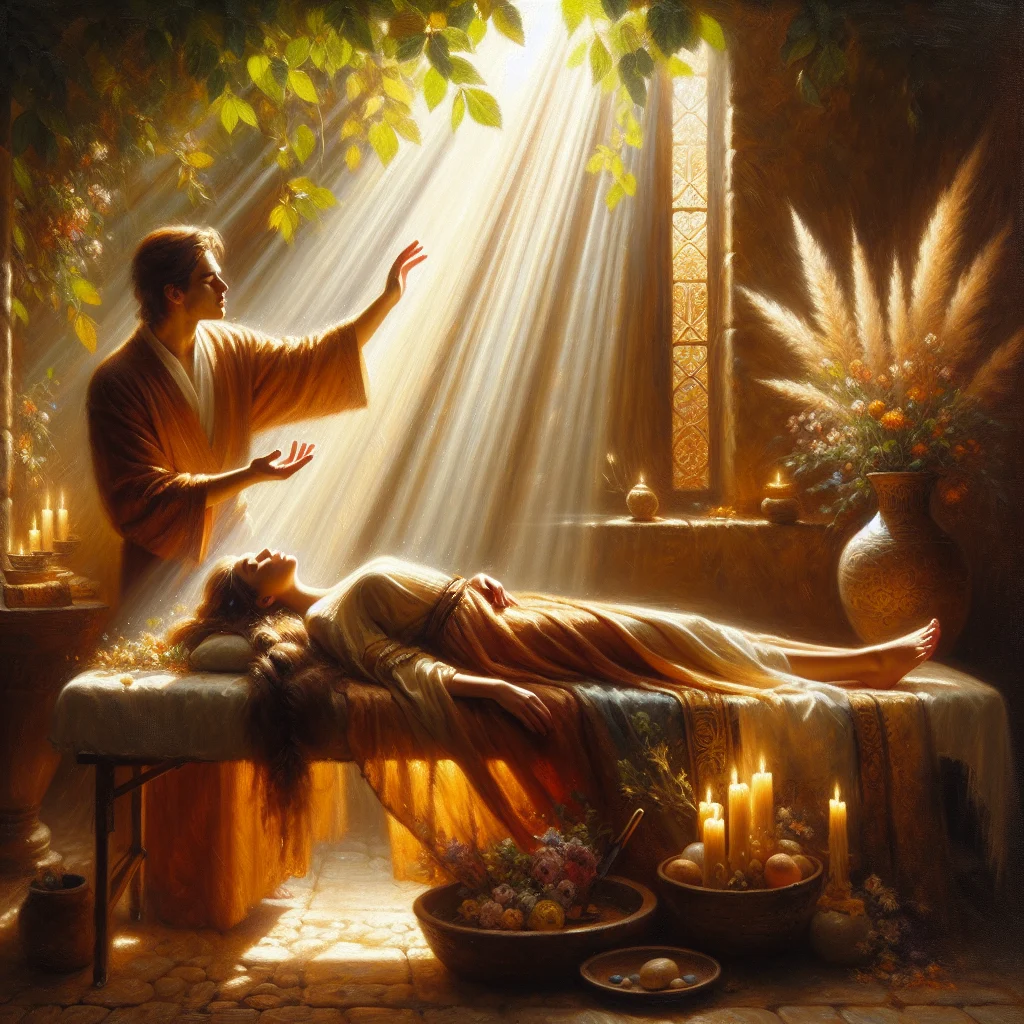
Reiki operates on the principle of energy transfer. Practitioners channel universal energy (also known as “ki” or “chi”) into your body through their hands. You remain fully clothed, either lying down or sitting comfortably, while the practitioner gently places their hands on or just above various energy centers (chakras) in your body.
Although Reiki is spiritual in nature, it is not a religion and doesn’t require any specific belief system to be effective. It complements other therapies and can be used in conjunction with medical or psychological treatments. Indeed, many hospitals now offer Reiki as a complementary therapy for patients.
According to Cleveland Clinic, Reiki has been shown to reduce anxiety, improve mood, and enhance overall well-being. These effects make it particularly effective for people dealing with depression, emotional trauma, or chronic stress.
Benefits of Reiki for Mental Peace
So how exactly does Reiki support mental peace? Here are the key benefits:
- Reduces Stress and Anxiety: The calming atmosphere of a Reiki session lowers cortisol levels and encourages relaxation.
- Balances Emotions: By aligning the body’s energy, Reiki can help process and release suppressed emotions.
- Improves Sleep: Many people report deeper and more restful sleep after consistent Reiki sessions.
- Enhances Clarity: The mental stillness achieved during Reiki can help bring clarity and focus back into daily decision-making.
Reiki is also incredibly gentle, which makes it suitable for children. If you’re interested in how to foster inner calm in little ones, check out Inner Peace for Children and Inner Peace for Kids.
Reiki and the Chakras: Understanding the Energy Centers
Each Reiki session typically focuses on rebalancing the seven major chakras, or energy centers, in the body. Here’s a quick breakdown of the chakras and their relation to mental peace:
- Root Chakra: Grounds you; helps with anxiety and fear.
- Sacral Chakra: Affects creativity and emotional balance.
- Solar Plexus Chakra: Boosts confidence and mental clarity.
- Heart Chakra: Encourages compassion and emotional healing.
- Throat Chakra: Promotes communication and self-expression.
- Third Eye Chakra: Helps with intuition and insight.
- Crown Chakra: Connects you to a higher sense of wisdom and peace.
When these energy centers are in harmony, your mind is more likely to feel calm, centered, and balanced.
What a Reiki Session Feels Like
Expect deep relaxation. Some people feel warmth or tingling as energy moves, while others simply fall asleep. There’s no right or wrong way to experience Reiki. Importantly, even when subtle, the benefits often manifest in the hours or days that follow a session, as your mind gently adjusts to the energy shifts.
Since energy work can sometimes trigger emotional releases, it’s normal to feel emotional afterward. This is actually a sign that blockages are clearing out. If you’re exploring energy healing on a spiritual journey, you may also find value in reading Why Does Spiritual Awakening Hurt?

Is Reiki Right for You?
If you’re looking for a natural, non-invasive way to support your mental health, Reiki could be for you. It’s especially helpful for individuals experiencing:
- Constant stress or burnout
- Grief or emotional trauma
- Sleep disturbances
- Decision-making anxiety
Additionally, Reiki can serve as an excellent complement to other mindfulness practices like meditation or journaling (we recommend starting with The Self-Love Reset if you’re on a path to rediscovery). When partnered with modalities like mindful breathing or crystal healing, the effects of Reiki can amplify. For example, read more about the best crystal for inner peace to enhance your energy work.
How to Begin Your Reiki Journey
You don’t need to be a Reiki master to benefit from this practice. To get started:
- Book a session with a certified Reiki practitioner in your area. Look for memberships with the International Center for Reiki Training.
- Try self-Reiki techniques. With a beginner guide and some practice, you can learn to apply Reiki to yourself in times of stress.
- Combine Reiki with daily calming habits, like conscious breathwork or meditation, for sustained effects.
Mindfulness is a journey, and incorporating Reiki can deepen your connection to self, energy, and the present moment. Whether you’re struggling with emotional stress or simply want to bring more harmony into your life, Reiki offers a gentle but transformative path.
For further growth, don’t miss the insightful resources in our Spirituality & Inner Work and Mental Health & Wellbeing categories.

