
Slow living and home design go hand in hand when you’re trying to create a peaceful, intentional space that supports your well-being. In a world that constantly demands our attention and rushes us from one task to another, our homes should serve as sanctuaries where we can breathe, reconnect, and simply be. This approach to domestic life isn’t about expensive renovations or minimalist perfection—it’s about cultivating an environment that reflects your values and supports a more mindful way of living.
The concept of slow living originated as a response to our increasingly hectic modern lifestyle. Just as the slow food movement encouraged people to savor meals and appreciate quality ingredients, slow living invites us to be more present in all aspects of our daily existence. When we apply these principles to our homes, we create spaces that nurture rather than stress us.
Whether you live in a sprawling house or a tiny apartment, transforming your space into a slow living sanctuary is entirely possible. In fact, slow living culture has inspired countless people worldwide to rethink their relationship with their living spaces and possessions.
If you’re ready to begin your journey toward a more intentional life, consider exploring Everyday Calm: A Beginner’s Guide to Daily Meditation, which can help you establish the mindful practices that complement a slow living home beautifully.
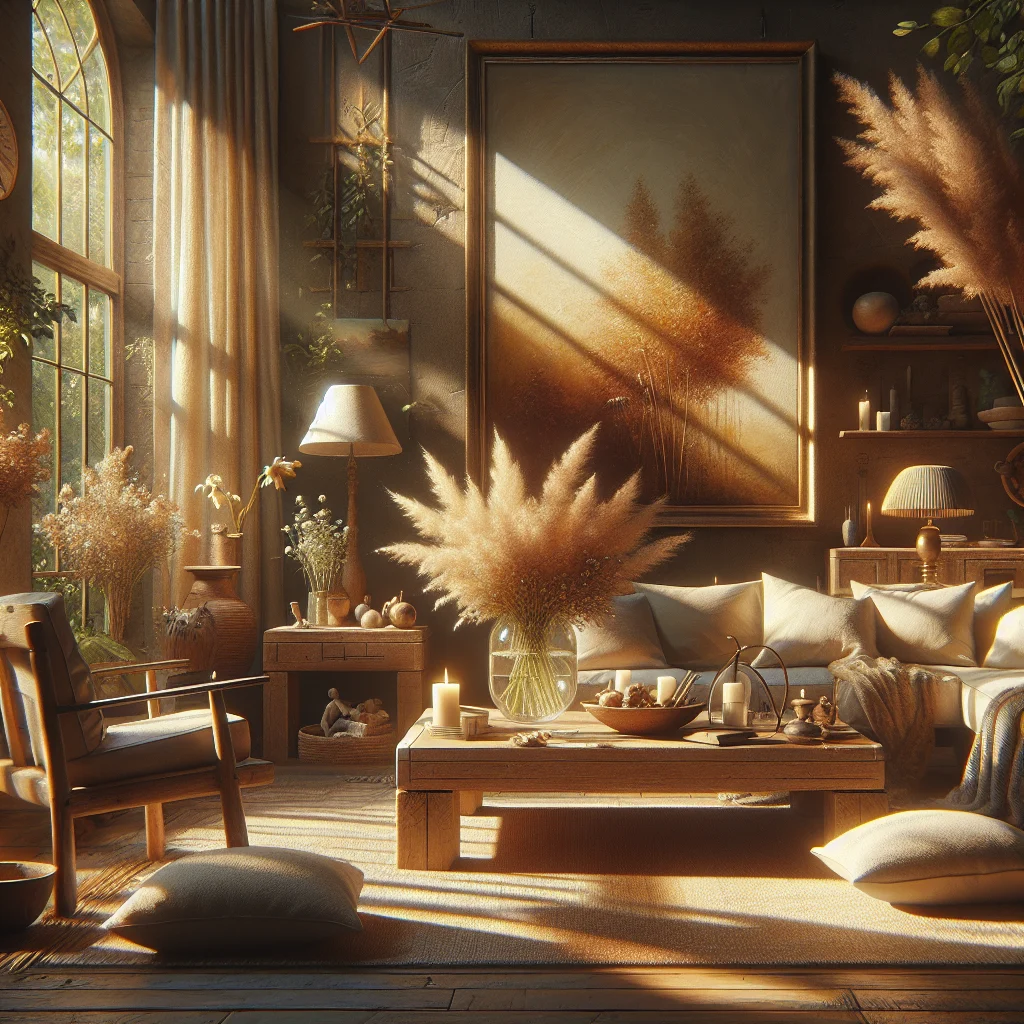
Understanding Slow Living and Home Connection
Our homes profoundly influence our mental and emotional states. Because we spend so much time within these walls, the atmosphere we create directly impacts our stress levels, productivity, and overall happiness. Slow living at home means being deliberate about what we bring into our spaces and how we organize them.
This philosophy challenges the consumerist mindset that constantly tells us we need more. Instead, it encourages us to focus on quality over quantity and to surround ourselves only with items that serve a purpose or bring genuine joy. As a result, our homes become less cluttered physically and energetically.
The Psychology Behind Home Environment
Research consistently shows that our surroundings affect our mood and behavior. For example, cluttered spaces can increase cortisol levels and feelings of anxiety, while organized, peaceful environments promote relaxation and clarity. However, achieving this doesn’t require perfection—it simply requires intention.
Free Guided Meditation · Day 1
You Are Safe Right Now.
5 min · Breathwork & body scan · Stress release
Liked it? Get the full audio.
Enter your email and we'll send you the complete 5-minute meditation — free, straight to your inbox.
Zero spam. Unsubscribe anytime.
Check Your Inbox.
Your full 5-minute meditation is on its way. Open the email and hit play — your reset starts now.
Can't find it? Check your spam folder.
Your home should support your mental health and wellbeing rather than add to your daily stress. Therefore, creating a slow living home starts with understanding what truly matters to you and what helps you feel grounded.
Decluttering: The First Step to Slow Living and Home Harmony
Decluttering forms the foundation of any slow living home transformation. Nevertheless, this process isn’t about achieving Instagram-perfect minimalism—it’s about removing what doesn’t serve you. When we hold onto things out of guilt, obligation, or “just in case” thinking, we create energy drains in our homes.
Begin by evaluating one area at a time. Moreover, don’t rush the process. Slow living, after all, means taking your time and being thoughtful about decisions.
Practical Decluttering Strategies
Consider these approaches when beginning your decluttering journey:
- The one-year rule: If you haven’t used something in a year, you probably don’t need it
- Joy check: Does this item make you happy or serve a clear purpose?
- Digital decluttering: Organize files, photos, and subscriptions that create mental clutter
- Seasonal rotation: Store items you only use certain times of year
- One-in-one-out policy: When something new arrives, something old leaves
While decluttering, you might discover that you’re holding onto things that represent who you used to be rather than who you are now. Consequently, letting go becomes an act of self-acceptance and growth.
Creating Intentional Spaces Within Your Home
Each room in your home can support different aspects of slow living. Because we use various spaces for specific activities, designing them intentionally enhances their function and your experience.
The Slow Living Kitchen
Your kitchen represents the heart of slow living and home practices. This space is where you prepare nourishing meals, gather with loved ones, and practice the rituals of daily life. To create a slow kitchen, focus on accessibility and simplicity.
Keep frequently used items within easy reach. In addition, invest in quality tools that make cooking enjoyable rather than frustrating. A sharp knife, a sturdy cutting board, and reliable cookware can transform meal preparation from a chore into a meditative practice.
Display ingredients like olive oil, salt, and spices in beautiful containers. Similarly, keep fresh herbs on the windowsill. These small touches connect you to your food and make cooking more sensory and engaging.
Bedroom as a Sanctuary
Your bedroom should be a technology-free zone dedicated to rest and intimacy. Therefore, remove televisions, minimize phone use, and create an environment that signals to your body it’s time to slow down.
Consider these elements for a slow living bedroom:
- Natural, breathable bedding that feels luxurious
- Blackout curtains or soft lighting options
- A small bedside shelf for a journal and current book
- Plants that purify air and add life to the space
- Minimal furniture to reduce visual clutter
Furthermore, establish evening rituals that help you transition from day to night. This might include mindfulness and meditation practices, gentle stretching, or reading before sleep.
Living Spaces for Connection
Your living room should encourage conversation, relaxation, and genuine connection. Arrange furniture to facilitate face-to-face interaction rather than everyone facing a screen. Although technology has its place, creating spaces that don’t revolve around it becomes increasingly important.
Add elements that engage the senses: soft textures, pleasant scents, and comfortable seating. Books, board games, and creative supplies can replace some screen time with more fulfilling activities.
Natural Elements in Slow Living and Home Design
Bringing nature indoors connects us to natural rhythms and creates calming environments. Because humans evolved in natural settings, we instinctively respond positively to organic materials and living things.
Houseplants for Wellbeing
Plants purify air, reduce stress, and add life to any room. However, you don’t need to become an expert gardener to enjoy their benefits. Start with hardy varieties like pothos, snake plants, or spider plants that thrive with minimal care.
Tending plants provides a gentle daily ritual that connects you to growth cycles and living things. Moreover, watching something flourish under your care can be deeply satisfying and grounding.
Natural Materials and Textures
Choose materials like wood, stone, cotton, linen, and wool over synthetic alternatives when possible. These materials age beautifully and feel better to touch. In addition, they often last longer, aligning with slow living principles of quality over quantity.
Incorporate natural textures through:
- Wooden furniture: Even one solid wood piece adds warmth
- Linen curtains: They filter light beautifully and improve with age
- Wool rugs: Durable, comfortable, and naturally stain-resistant
- Stone accents: Candle holders, coasters, or decorative objects
- Woven baskets: Functional storage with organic appeal
Light and Its Role in Slow Living Homes
Natural light profoundly affects our circadian rhythms, mood, and energy levels. Therefore, maximizing daylight in your home supports better sleep, increased productivity, and improved wellbeing.
Keep windows clean and unobstructed when possible. Use sheer curtains that provide privacy while allowing light to filter through. Additionally, arrange frequently used spaces near windows to take advantage of natural illumination.
Creating Ambient Lighting
When natural light fades, thoughtful artificial lighting maintains the peaceful atmosphere. Harsh overhead lights can feel jarring, while layered lighting creates depth and warmth.
Consider multiple light sources at different heights: table lamps, floor lamps, and perhaps string lights or candles. Dimmer switches allow you to adjust brightness based on activity and time of day. Consequently, you can create the perfect atmosphere for any moment.
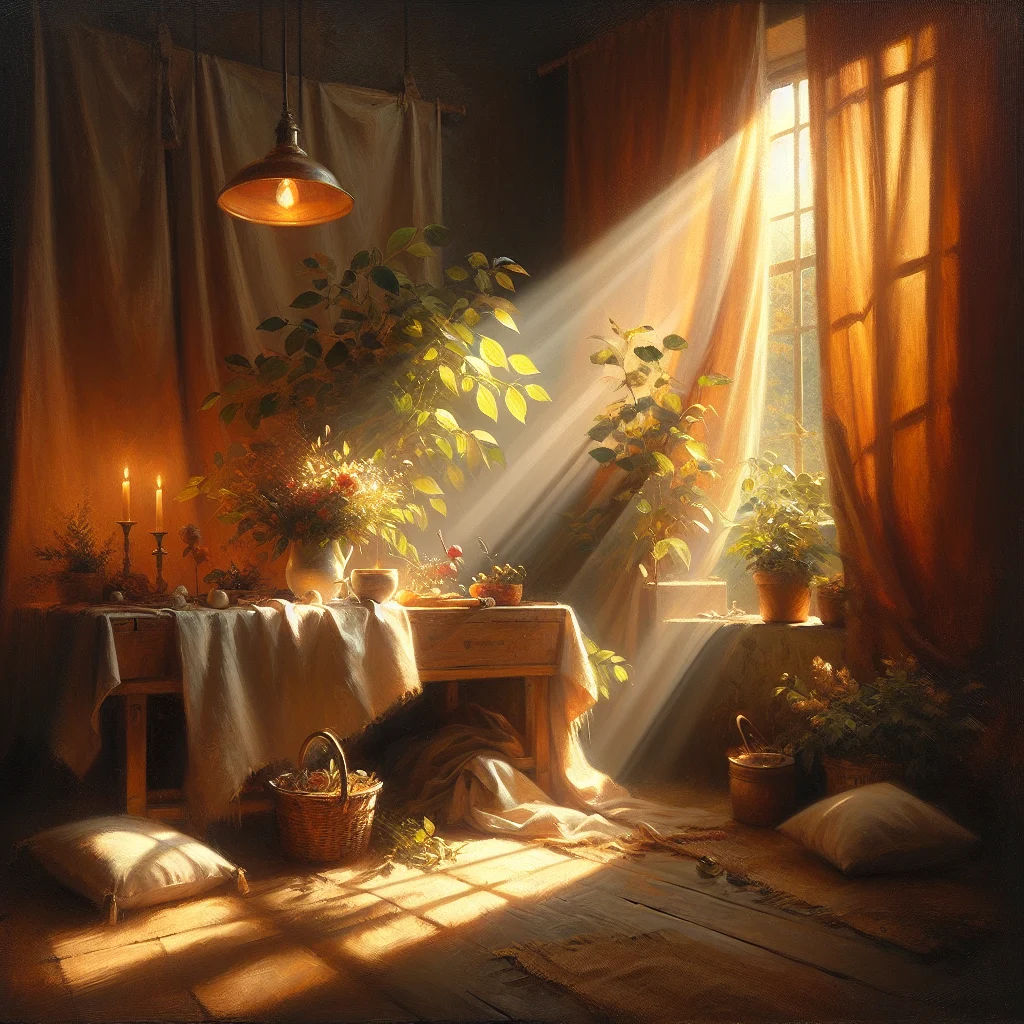
Mindful Consumption and Slow Living at Home
Slow living and home maintenance involve being thoughtful about what we bring into our spaces. Mindful consumption means pausing before purchases and asking whether something truly adds value to our lives.
Before buying anything new, consider these questions:
- Do I genuinely need this, or am I responding to advertising or impulse?
- Will this item serve a clear purpose or bring lasting joy?
- Do I have space for it without creating clutter?
- Is this the best quality I can reasonably afford?
- What is the environmental and ethical impact of this purchase?
This thoughtful approach prevents impulse buying and accumulation of items that eventually become clutter. Furthermore, it helps you appreciate what you already own and make more intentional choices.
Quality Over Quantity
Investing in fewer, higher-quality items aligns perfectly with slow living principles. Although quality pieces often cost more upfront, they last longer and perform better, ultimately providing better value.
This philosophy applies to everything from furniture to kitchen tools to linens. When something is well-made and suits your needs perfectly, you’ll use and appreciate it rather than constantly seeking replacements.
Daily Rituals That Support Slow Living and Home Life
Creating rhythms and rituals transforms everyday activities into meaningful practices. Because our homes are where we spend our private time, they’re ideal settings for developing routines that ground and nourish us.
Morning Rituals
How you begin your day sets the tone for everything that follows. Instead of immediately reaching for your phone, create a gentler wake-up routine. This might include stretching, making tea mindfully, or sitting quietly for a few minutes.
Opening curtains to welcome daylight, watering plants, or preparing a nourishing breakfast can become cherished morning practices. These small acts connect you to your home and your body before the day’s demands begin.
Evening Wind-Down
Similarly, evening rituals signal to your mind and body that it’s time to transition from productivity to rest. Dimming lights, tidying shared spaces, and preparing for the next day create a sense of completion.
Consider incorporating practices from slow living parenting approaches, which emphasize gentleness and presence—principles that benefit everyone, not just families with children.
The Role of Technology in Slow Living Homes
While technology offers undeniable benefits, it can also intrude on the peaceful atmosphere we’re trying to create. Therefore, establishing boundaries around device use becomes essential in slow living and home practices.
Designate specific areas as technology-free zones. For example, keeping devices out of bedrooms improves sleep quality, while phone-free dining encourages genuine conversation and food appreciation.
Implementing a Digital Detox
Regular breaks from screens allow your nervous system to reset and your mind to rest. A digital detox doesn’t mean abandoning technology entirely—it means using it intentionally rather than habitually.
Create charging stations away from bedrooms and living spaces. Set specific times for checking email and social media. Moreover, replace some screen time with activities that engage your hands and mind differently: reading physical books, cooking, crafting, or simply sitting with your thoughts.
Scent and Sound in Slow Living Spaces
We often focus on visual aspects of home design while overlooking how spaces smell and sound. However, these sensory elements significantly impact our experience of home.
Creating Aromatic Environments
Natural scents from essential oils, fresh flowers, or baked goods can transform the feel of your home. Unlike artificial fragrances, which can be overwhelming, natural scents tend to be subtle and pleasant.
Consider scent associations: lavender for calm, citrus for energy, eucalyptus for clarity. Diffusers, candles, or simply opening windows to let in fresh air can refresh your space without artificial chemicals.
Sound and Silence
The sounds in your home matter too. Constant background noise from televisions or devices can create underlying stress, while intentional sound choices support different activities and moods.
Embrace silence sometimes, allowing yourself to hear subtle sounds like birds outside or rain on windows. When you do want sound, choose deliberately: gentle music while cooking, sound healing tracks during meditation, or nature sounds while working.
Slow Living and Home in Different Seasons
Connecting your home to seasonal changes deepens your relationship with natural cycles. Although modern life often disconnects us from seasons, small adjustments can help you stay attuned to nature’s rhythms.
Seasonal Decorating
Rather than major overhauls, subtle seasonal shifts can keep your home feeling fresh and connected to the outside world. In autumn, add warm textiles and seasonal produce displays. Winter might call for more candles and cozy layers. Spring invites fresh flowers and lighter fabrics, while summer encourages open windows and minimal accessories.
These changes don’t require spending money—often they involve rotating items you already own or bringing natural elements like branches, flowers, or stones inside.
Seasonal Activities and Rhythms
Different seasons naturally support different activities. Winter invites introspection, indoor projects, and rest. Spring energizes us for cleaning and renewal. Summer calls for outdoor time and social gatherings. Autumn encourages preparation and reflection.
Aligning your home activities with these natural rhythms feels more sustainable than maintaining the same pace year-round. Consequently, you work with your energy rather than against it.
Sustainable Practices in Slow Living Homes
Slow living and environmental consciousness naturally complement each other. Because slow living emphasizes quality, intention, and connection, it typically results in lower consumption and waste.
Reducing Household Waste
Simple changes can significantly reduce your environmental impact:
- Composting: Even a small indoor compost bin reduces waste
- Reusable alternatives: Cloth napkins, bags, and food wraps
- Buying in bulk: Reduces packaging waste
- Repairing instead of replacing: Extends the life of possessions
- Natural cleaning products: Better for health and environment
These practices align with holistic living principles, recognizing that our personal wellbeing connects to the health of our environment.
Creating Community Through Slow Living at Home
While slow living emphasizes simplicity and sometimes solitude, it doesn’t mean isolation. In fact, creating a welcoming home can strengthen community connections and relationships.
Make your home a place where people feel comfortable gathering. This doesn’t require elaborate hosting—simple shared meals, conversation over tea, or working on projects together can create meaningful connection.
Hospitality Without Stress
Slow living hospitality focuses on genuine connection rather than impressive displays. Keep hosting simple so you can actually enjoy your guests’ company. Moreover, imperfect gatherings often feel more authentic and relaxed than highly orchestrated events.
Stock simple staples that allow you to welcome unexpected visitors without stress: tea, coffee, simple snacks. Your welcoming presence matters far more than perfect preparation.
Overcoming Challenges in Creating a Slow Living Home
Transitioning to slow living and home practices isn’t always easy. Common obstacles include family members with different priorities, limited budgets, small spaces, or simply breaking old habits.
Working With What You Have
You don’t need a perfect home or unlimited resources to embrace slow living. Start with what you can control and change what’s possible within your circumstances. Even renters can create peaceful, intentional spaces through thoughtful arrangement and minimal investment.
Small spaces actually can work beautifully for slow living because they naturally limit accumulation. The key is organization and ensuring everything has a purpose and place.
Bringing Family Members On Board
If you share your home, communicate your vision and involve others in the process. Explain how a calmer, more organized home benefits everyone. However, allow each person to maintain their own space according to their preferences.
Model slow living principles rather than imposing them. When others see how your practices reduce stress and increase peace, they may naturally become interested.
Long-Term Benefits of Slow Living and Home Practices
Creating a slow living home isn’t a one-time project—it’s an ongoing practice that deepens over time. As you maintain these principles, you’ll likely notice profound benefits beyond just a tidy space.
People often report improved mental clarity, reduced anxiety, better sleep, and stronger relationships. Because your home environment significantly influences your daily experience, improving it creates ripple effects throughout your life.
Furthermore, these practices tend to improve over time. As you develop new habits and rhythms, they become increasingly natural and effortless. What initially requires conscious effort eventually becomes your default way of living.
Your Journey Toward a Slow Living Home
Creating a home that supports slow living is deeply personal. There’s no single correct way to do it—what matters is that your space reflects your values and supports your wellbeing. Start small, perhaps with one room or even one corner, and expand gradually.
Remember that slow living and home transformation is itself a slow process. You don’t need to change everything overnight. In fact, making changes gradually allows you to thoughtfully consider what works and what doesn’t in your unique situation.
As you continue this journey, you might find inspiration from various sources, including slow living practices from New Zealand or other cultures that prioritize balance and connection.
Your home should be your refuge, a place where you can truly be yourself and recharge for the demands of the outside world. By applying slow living principles thoughtfully and consistently, you create not just a beautiful space but a foundation for a more intentional, peaceful life.
To deepen your slow living practice beyond your physical space, explore Manifest Your Dreams: A Practical Guide to the Law of Attraction, which can help you align your inner world with the peaceful outer environment you’re creating.
Silence the Chaos in Your Head —
in 5 Minutes Flat.
Get instant access to a free guided meditation audio that rewires your nervous system for calm, kills anxiety at the root, and resets your entire day — no experience needed.
- Instantly drop cortisol levels — feel the shift before the 5 minutes is up
- Unlock razor-sharp focus — designed for high-achievers who can't afford brain fog
- Break the anxiety loop for good — a repeatable reset, every single morning
- 100% free, zero fluff — no apps, no subscriptions, just results
You're In.
Check Your Inbox.
Your free 5-minute guided meditation is on its way.
Open the email and hit play — your first reset starts now.
Can't find it? Check spam and mark us as safe.

