
Nestled in the foothills of the Himalayas, Chandigarh stands as India’s first planned city—a unique blend of modernist architecture and abundant green spaces. While the concept of slow living Chandigarh might seem paradoxical in a bustling urban center, this city offers surprising opportunities for embracing a more intentional, mindful lifestyle. From its sprawling gardens to its community-driven neighborhoods, Chandigarh provides the perfect backdrop for those seeking to disconnect from the frenzy of modern life and reconnect with what truly matters.
The slow living movement has gained momentum worldwide as people search for alternatives to the relentless pace of contemporary existence. In Chandigarh, this philosophy takes on a distinctive character, informed by Indian traditions, urban planning ideals, and a growing awareness of wellbeing. Whether you’re a long-time resident or considering a move, understanding how to practice slow living in this unique city can transform your daily experience.
If you’re just beginning your journey toward a more mindful existence, Everyday Calm: A Beginner’s Guide to Daily Meditation offers practical tools to help you slow down and find peace in your everyday routine.
Understanding Slow Living in the Indian Context
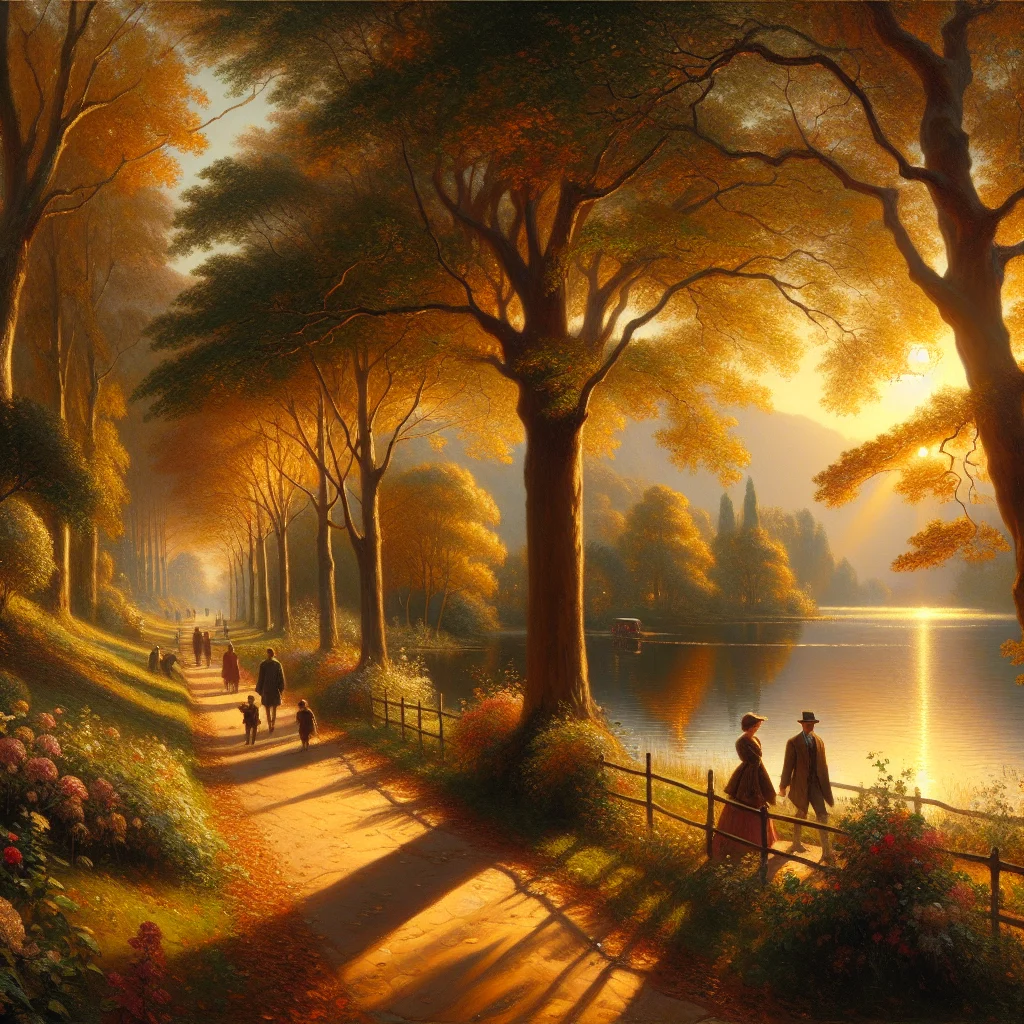
The principles of slow living resonate deeply with traditional Indian philosophies that have emphasized mindfulness and intentional living for millennia. However, adapting these concepts to contemporary urban Indian life requires a thoughtful approach. In Chandigarh specifically, the city’s unique design philosophy—created by the legendary architect Le Corbusier—actually facilitates a slower, more deliberate pace of life.
The Architecture of Slowness
Chandigarh’s sector-based layout naturally encourages community interaction and reduces the need for long commutes. Each sector functions as a self-contained neighborhood with markets, parks, and essential services within walking distance. This urban design aligns perfectly with slow living principles, promoting walkability and reducing dependence on vehicles.
The city’s abundant green belts and open spaces provide residents with readily accessible nature—a crucial element for mental wellbeing. According to biophilia research, regular exposure to natural environments significantly reduces stress and enhances overall life satisfaction.
Cultural Foundations of Mindful Living
Indian culture has long embraced concepts that align with slow living, though they may go by different names. The practice of seva (selfless service), the importance of satsang (community gathering), and the tradition of afternoon rest all reflect values central to a slower lifestyle. Furthermore, Chandigarh’s diverse population brings together traditions from across India, creating a rich tapestry of mindful practices.
Many residents maintain connection with practices like yoga and meditation, which have roots in ancient Indian traditions. These disciplines naturally complement the slow living philosophy by encouraging present-moment awareness and intentional action. The city hosts numerous mindfulness and meditation centers that support residents in developing these practices.
Embracing Slow Living Chandigarh Through Daily Practices
Adopting a slow living approach in Chandigarh doesn’t require drastic lifestyle changes. Instead, it involves making conscious choices about how you spend your time and energy. The city’s infrastructure and culture provide numerous opportunities to integrate slow living principles into your daily routine.
Morning Rituals That Set the Pace
Starting your day intentionally creates a foundation for mindful living. In Chandigarh, many residents wake early to take advantage of the pleasant morning weather and quieter streets. Consider beginning your day with these slow living activities:
- Morning walks in Sukhna Lake—This artificial lake offers peaceful pathways where you can watch the sunrise and observe local birdlife
- Yoga in the Rose Garden—Join community sessions in one of Asia’s largest rose gardens, surrounded by thousands of rose varieties
- Mindful breakfast preparation—Rather than rushing through meals, take time to prepare and savor nutritious Indian breakfast dishes
- Journaling on your balcony—Reflect on your intentions for the day while enjoying Chandigarh’s architectural views
These morning practices help you cultivate what practitioners call pratipaksha bhavana—the cultivation of opposite thoughts—which allows you to counter stress before it accumulates throughout the day.
Reimagining Your Work-Life Balance
Chandigarh’s status as both a state capital and a growing tech hub means many residents face demanding professional lives. However, the slow living philosophy doesn’t require abandoning career ambitions. Instead, it emphasizes working with intention and maintaining clear boundaries between professional and personal time.
The city’s relatively manageable traffic compared to other Indian metros allows for shorter commutes, which can be used mindfully. Rather than scrolling through social media during your commute, try listening to podcasts about personal growth or simply observing your surroundings with full attention.
Many Chandigarh residents are embracing flexible work arrangements that allow for mid-day breaks. Because of the city’s efficient layout, it’s often possible to return home for lunch, practice a short meditation, or take a brief walk in your sector’s park. These micro-breaks throughout the day can dramatically improve productivity and wellbeing.
Chandigarh’s Slow Living Hotspots
The city boasts numerous locations that naturally facilitate a slower, more contemplative pace. Discovering and regularly visiting these spaces can anchor your slow living practice in physical environments that support mindfulness.
Green Spaces and Natural Retreats
Sukhna Lake remains the crown jewel of Chandigarh’s natural spaces. This human-made reservoir at the city’s edge provides a tranquil escape where you can engage in bird watching, boating, or simply sitting in quiet contemplation. The lake attracts migratory birds during winter months, offering a reminder of nature’s rhythms and cycles.
The Rock Garden represents a unique form of slow art—creator Nek Chand spent decades building this sculpture garden from industrial waste and broken ceramics. Visiting this space reminds us that beautiful things often require patient, sustained effort rather than rushed completion.
Additionally, the city’s numerous sector parks provide neighborhood-level access to green space. Sectors 10, 17, and 23 have particularly well-maintained parks that offer morning yoga sessions and evening community gatherings. These spaces function as outdoor living rooms where neighbors naturally connect and children play freely—hallmarks of slow living communities.
Cultural Spaces for Contemplation
Chandigarh’s cultural institutions support slower, more reflective engagement with art and ideas. The Government Museum and Art Gallery houses an impressive collection of Gandharan sculptures and miniature paintings. Rather than rushing through exhibits, adopt a contemplative viewing practice—spend extended time with fewer pieces, allowing their meaning to unfold gradually.
The Punjab University campus offers architectural walks where you can appreciate Le Corbusier’s vision at a leisurely pace. The campus’s brutalist buildings, though initially stark, reveal subtle beauty when observed with patient attention.
For those interested in spiritual practices, Chandigarh houses temples, gurudwaras, churches, and mosques that welcome visitors. These spaces naturally encourage slowing down, reflection, and connection with something beyond daily concerns. The ISKCON temple in Sector 36 offers regular meditation sessions and kirtan that embody slow living principles through devotional practice.
Building a Slow Living Community in Chandigarh
While slow living emphasizes individual wellbeing, it flourishes within supportive communities. Chandigarh’s neighborhood structure naturally facilitates community building, though intentional effort helps deepen these connections.
Finding Your Tribe
The city hosts various groups aligned with slow living values. Book clubs in several sectors gather monthly for unhurried literary discussions. Sustainable living groups organize workshops on composting, terrace gardening, and reducing consumption—practices that align perfectly with slow living philosophy.
Platforms like Meetup and local Facebook groups help Chandigarh residents connect around shared interests. Search for groups focused on:
- Mindful photography walks—Explore the city while practicing observation and artistic expression
- Slow food movements—Learn to prepare traditional dishes using local, seasonal ingredients
- Craft circles—Engage in knitting, pottery, or other handwork that encourages presence and patience
- Nature conservation groups—Participate in bird watching or tree planting activities around Sukhna
These communities provide accountability and inspiration as you develop your slow living practice. Moreover, they counter the isolation that often accompanies modern urban life.
Sharing Space and Resources
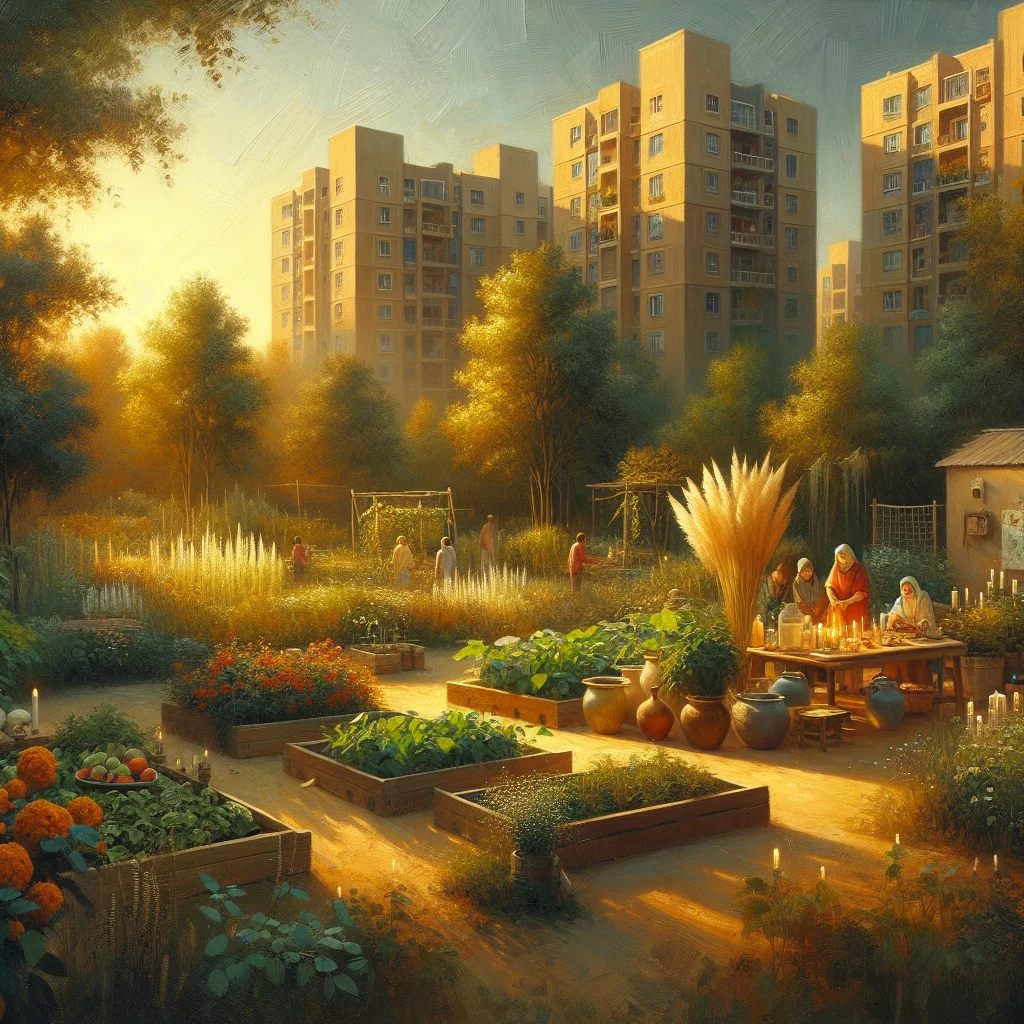
Slow living often involves rethinking consumption patterns and building economies based on sharing rather than individual ownership. In Chandigarh, residents are creating tool libraries where neighbors can borrow equipment rather than purchasing items they’ll rarely use. Some housing societies have established community gardens where residents collectively maintain vegetable plots.
These initiatives not only reduce environmental impact but also create opportunities for meaningful interaction. Working alongside neighbors in a community garden naturally slows your pace and deepens social bonds. As research from social connection studies demonstrates, strong community ties significantly enhance mental health and longevity.
Practical Challenges and Solutions
Adopting slow living in Chandigarh comes with unique challenges. However, understanding these obstacles allows you to develop realistic strategies for maintaining your practice despite external pressures.
Navigating Family Expectations
Indian family structures often emphasize achievement, productivity, and constant busyness. Choosing a slower lifestyle might meet resistance from family members who equate activity with success. Open conversations about your values and the research supporting wellbeing-focused lifestyles can help family members understand your choices.
Rather than framing slow living as rejecting ambition, emphasize how it enhances effectiveness. Explain that intentional rest and reflection actually improve performance in meaningful pursuits. Share articles or books about holistic living that demonstrate the connection between slower paces and better outcomes.
Managing Digital Overwhelm
Technology presents particular challenges for slow living practitioners. Chandigarh’s increasing connectivity means constant digital demands compete for attention. Establishing clear boundaries around technology use becomes essential for maintaining a slower pace.
Consider implementing these digital mindfulness practices:
- Designate tech-free zones in your home, particularly bedrooms and dining areas
- Use apps like Forest or Freedom to limit social media access during designated slow periods
- Practice “notification fasting” by turning off non-essential alerts
- Replace mindless scrolling with analog activities like reading physical books or sketching
Remember that technology itself isn’t antithetical to slow living—it’s the mindless, reactive use of technology that disrupts presence. Intentional technology use that enhances learning, connection, or creativity aligns perfectly with slow living values.
Dealing with Climate Extremes
Chandigarh’s climate presents seasonal challenges for outdoor slow living activities. Summer temperatures can soar above 40°C (104°F), while winter mornings can be quite cold. Adapting your practice to seasonal rhythms actually deepens your connection to natural cycles—a core slow living principle.
During summer months, shift outdoor activities to early morning or late evening. Embrace indoor practices like reading, crafts, or home yoga during the hottest hours. Conversely, winter invites longer outdoor sessions during pleasant midday temperatures. This seasonal adaptation mirrors traditional Indian daily routines that changed with the seasons.
Slow Food and Mindful Eating in Chandigarh
The slow living philosophy extends naturally to how we nourish ourselves. Chandigarh’s food culture offers rich opportunities for mindful eating practices that honor both tradition and wellbeing.
Exploring Local and Seasonal Eating
Chandigarh’s Sector 26 market and various neighborhood sabzi mandis (vegetable markets) provide access to seasonal produce from Punjab’s agricultural regions. Shopping at these markets rather than supermarkets connects you with food sources and seasonal rhythms. Vendors can share information about where produce comes from and how to prepare unfamiliar vegetables.
Traditional Punjabi cuisine emphasizes whole foods, legumes, and seasonal vegetables—naturally aligned with slow food principles. Dishes like sarson ka saag (mustard greens) in winter or aam panna (raw mango drink) in summer connect eating habits with the agricultural calendar.
Taking time to prepare meals from scratch transforms cooking from a chore into a meditative practice. The repetitive actions of chopping vegetables, kneading dough, or stirring a pot can become forms of moving meditation when approached with full attention.
Creating Rituals Around Meals
Slow living encourages transforming eating from mindless fuel consumption into sacred ritual. In Chandigarh’s fast-paced environment, establishing meal rituals creates islands of calm in your day. Consider these practices:
- Set the table thoughtfully, even for simple meals eaten alone
- Begin with gratitude, acknowledging the hands that grew, transported, and prepared your food
- Eat without screens, focusing fully on flavors, textures, and sensations
- Chew slowly, putting down utensils between bites to extend the meal
These practices not only enhance enjoyment but also improve digestion and satiety signaling. Research indicates that mindful eating helps maintain healthy weight and reduces disordered eating patterns.
Slow Living Chandigarh for Different Life Stages
The practice of slow living adapts to different life circumstances. Whether you’re a student, professional, parent, or retiree, Chandigarh offers pathways to a more intentional existence tailored to your situation.
Students and Young Adults
For students at Punjab University or Panjab University, slow living might seem impossible amid academic pressures. However, establishing mindful practices during these formative years creates foundations for lifelong wellbeing. The campus environments themselves encourage slower exploration—taking time to study under trees rather than in crowded libraries, or walking between classes instead of rushing.
Young professionals in Chandigarh’s growing tech sector face particular pressure to maintain constant productivity. However, building a career sustainably requires periods of rest and reflection. Consider connecting with mentors who model balanced approaches to professional success. The city’s relatively lower cost of living compared to metros like Bangalore or Mumbai actually provides more flexibility to prioritize wellbeing over maximum earnings.
Families with Children
Parents often feel caught between competing demands, making slow living seem unrealistic. Yet children naturally embody many slow living principles—they’re present, curious, and unconcerned with productivity. Rather than constantly scheduling children’s time with activities, allow unstructured play in sector parks or at home.
Chandigarh’s safety and walkability enable children to develop independence gradually. Allowing kids to walk to nearby friends’ homes or local markets (when age-appropriate) builds confidence while reducing parental taxi duties. Family bike rides on the city’s numerous cycle tracks combine quality time with physical activity and environmental consciousness.
Establishing family rituals—like weekend breakfast together or evening walks—creates predictable calm amid weekly chaos. These traditions become anchors that children carry into adulthood. If you’re looking for ways to deepen family connection and mindfulness, Manifest Your Dreams: A Practical Guide to the Law of Attraction offers techniques that families can practice together.
Retirees and Seniors
Retirement offers unique opportunities to fully embrace slow living principles. Chandigarh’s numerous senior citizen groups organize activities aligned with mindful living—morning yoga, cultural programs, and social service initiatives. The city’s manageable size and good public transportation enable seniors to maintain independence while accessing amenities.
Many retirees find meaning through volunteering with organizations focused on education, environmental conservation, or social welfare. These activities provide purpose and community while allowing flexibility to work at a comfortable pace. Additionally, Chandigarh’s healthcare infrastructure supports wellness-focused aging rather than merely managing decline.
Integrating Slow Living with Modern Careers
One common misconception suggests that slow living requires abandoning professional ambitions or economic stability. In reality, slow living emphasizes working intentionally and sustainably rather than not working at all. Chandigarh’s diverse economy offers possibilities for aligning livelihood with values.
Redefining Professional Success
Traditional markers of success—salary, title, status—often come at the cost of wellbeing and relationships. Slow living invites reconsideration of what constitutes a successful career. Perhaps success means having time for morning meditation, leaving work at reasonable hours, or pursuing work that genuinely serves others.
Chandigarh hosts growing numbers of entrepreneurs, freelancers, and remote workers who’ve structured careers around lifestyle priorities. The city’s lower living costs compared to major metros make it feasible to earn less while maintaining comfortable living standards. This financial breathing room creates space for slower, more deliberate work.
Bringing Slow Principles into the Workplace
Even within conventional employment, you can integrate slow living values. Start by establishing clear work-life boundaries—communicate your availability limits and honor them consistently. Use breaks for genuine rest rather than scrolling social media. When possible, suggest walking meetings that combine productivity with movement and fresh air.
Advocate for workplace practices that support wellbeing—flexible scheduling, mental health days, or meditation spaces. Chandigarh’s government and larger companies increasingly recognize that employee wellbeing enhances long-term productivity. Your suggestions might find more receptive audiences than expected.
Seasonal Rhythms and Festivals
Living slowly means attuning to natural and cultural rhythms rather than maintaining relentless consistency year-round. Chandigarh’s seasonal changes and festival calendar provide natural opportunities for varying your pace and focus.
Embracing Seasonal Transitions
Each season in Chandigarh invites different practices and pleasures. Spring brings the Rose Festival, perfect for slow walks among blooming flowers while practicing observation and appreciation. Monsoon encourages indoor contemplation—reading, crafting, or simply watching rain from covered porches.
Autumn offers ideal weather for outdoor activities and festivals like Diwali, which despite commercialization, can be celebrated mindfully through family time and simple rituals. Winter invites cozy practices—warm soups prepared slowly, evening chai sessions with loved ones, and earlier bedtimes aligned with shorter days.
This seasonal approach mirrors traditional Indian living patterns that recognized different energies and activities suited to each time of year. Rather than maintaining identical routines year-round, allow your practices to flow with seasonal changes.
Mindful Festival Participation
Punjab and Chandigarh celebrate numerous festivals throughout the year. While these can become stressful obligations involving expensive shopping and exhausting preparations, they can instead anchor slow living practice. Focus festival celebration on core meaning rather than external display:
- Prepare traditional foods slowly, involving family members in cooking
- Create handmade decorations rather than purchasing plastic items
- Limit gift-giving to meaningful, thoughtful items rather than obligatory exchanges
- Use festival time for genuine connection with family rather than social media documentation
This approach honors cultural traditions while resisting consumer culture that hijacks festivals for commercial purposes. It also models for younger generations that celebration doesn’t require excessive consumption or stress.
Environmental Consciousness and Slow Living
The slow living movement naturally intersects with environmental awareness. By consuming less, moving more slowly, and connecting with nature, slow living practitioners typically maintain smaller environmental footprints. In Chandigarh, this consciousness takes on particular importance given increasing urbanization pressures.
Sustainable Transportation Choices
Chandigarh’s flat terrain and extensive cycle track network make it India’s most bicycle-friendly city. Choosing cycling for local errands slows your pace while providing exercise and reducing emissions. The city’s public bus system, while imperfect, offers another alternative to private vehicles for longer distances.
Walking remains the slowest, most mindful form of transportation. Whenever feasible, choose walking over faster options. This not only benefits your health and the environment but also connects you more intimately with your neighborhood. You notice architectural details, seasonal changes, and community dynamics invisible from within vehicles.
Reducing Consumption Mindfully
Slow living emphasizes quality over quantity—fewer possessions chosen carefully for durability and meaning. Before making purchases, practice the slow living pause: wait 24-48 hours before buying non-essential items. Often the impulse passes, revealing that you didn’t truly need the item.
When you do purchase, support local artisans and businesses when possible. Chandigarh’s Shilpgram and various craft markets offer handmade items that support traditional livelihoods while providing unique, meaningful possessions. These purchases carry stories and connections that mass-produced items cannot offer.
Measuring Progress in Your Slow Living Journey
Unlike conventional goal-setting focused on quantifiable achievements, slow living progress appears in qualitative life improvements. How do you know if your practice is deepening? Watch for these indicators:
- Increased presence during routine activities—you notice details previously overlooked
- Reduced reactivity to stressors—challenges still arise but trigger less automatic stress response
- Deeper relationships—conversations extend beyond surface pleasantries
- Greater contentment with simplicity—you need less external stimulation to feel satisfied
- Improved physical health markers—better sleep, digestion, energy levels
Resist the temptation to approach slow living with the same achievement orientation that characterizes fast living. There’s no finish line, no perfection to attain. The practice itself is the point. Some days you’ll feel deeply present and peaceful; others you’ll find yourself rushing and scattered. Both experiences are part of the journey.
Journaling provides helpful insight into your evolution. Brief daily notes about your experiences, challenges, and small victories create a record revealing gradual transformation. Over months and years, you’ll notice patterns and growth that aren’t apparent day-to-day.
Resources for Deepening Your Practice
While slow living ultimately comes from internal shifts rather than external resources, certain tools and communities can support your practice. Chandigarh offers growing numbers of resources for those pursuing mindful living.
Local Classes and Workshops
Various organizations in Chandigarh offer courses aligned with slow living principles:
- Yoga studios throughout the city provide classes ranging from vigorous vinyasa to gentle restorative practices
- Art schools offer drawing, painting, and pottery classes that encourage present-moment focus
- Cooking schools teach traditional techniques requiring patience and attention
- Gardening workshops help you start terrace gardens or maintain indoor plants
These classes provide structured learning while connecting you with like-minded individuals. The regular commitment also creates accountability that helps establish consistent practices.
Books and Online Communities
Numerous books explore slow living from various angles. While consuming content can ironically become another form of busy-ness, thoughtfully chosen reading deepens understanding and inspiration. Consider exploring works by authors like Carl Honoré, Brooke McAlary, or Satish Kumar who write about slow living from different cultural perspectives.
Online communities focused on slow living offer connection with practitioners worldwide, though balance virtual engagement with real-world presence. The slow living movement has global reach, meaning you can learn from experiences in diverse contexts while adapting principles to Chandigarh’s specific conditions.
For those interested in exploring how mindfulness connects with self-compassion and personal transformation, The Self-Love Reset: A Journey to Rediscover Yourself offers guided practices that complement slow living principles beautifully.
Looking Forward: The Future of Slow Living in Chandigarh
As Chandigarh continues growing and developing, maintaining spaces and rhythms that support slow living becomes increasingly important. The city stands at a crossroads—it can follow development patterns of other Indian metros that prioritize economic growth over livability, or it can chart a different path that honors its unique planning heritage while meeting modern needs.
Advocates for slow living can contribute to Chandigarh’s future by supporting policies and initiatives that preserve green spaces, promote pedestrian and cycling infrastructure, and protect the city’s architectural heritage. Participating in local planning processes, supporting sustainable businesses, and building community connections all help create urban environments where slow living flourishes.
The slow living movement offers not just individual benefits but also collective possibilities—communities built on connection rather than isolation, economies emphasizing sufficiency rather than endless growth, and cultures valuing presence over productivity. In Chandigarh, with its unique advantages and growing awareness of wellbeing, the conditions exist for pioneering slow urban living that other cities might eventually follow.
As you continue your slow living journey in Chandigarh, remember that you’re part of a larger shift toward more human-centered, sustainable ways of organizing collective life. Each mindful choice, each moment of presence, each connection deepened contributes not only to your own wellbeing but to broader cultural transformation. The slow living movement, whether in Goa, Orlando, or Chandigarh, demonstrates that another way of living is possible—one that honors both human flourishing and planetary sustainability.
Start where you are, with what you have. Choose one small practice—a morning walk at Sukhna, a device-free dinner, a weekly visit to the sector market—and let it take root. Over time, these small seeds of slowness grow into a completely different way of experiencing life. Chandigarh, with its gardens, community structure, and emerging consciousness, provides fertile ground for this transformation. The journey toward slow living begins with a single intentional breath, a single present moment, a single step taken with full awareness.

