
In our fast-paced modern world, the slow living culture has emerged as a meaningful antidote to the constant rush that defines contemporary life. This intentional lifestyle movement encourages us to pause, reflect, and reconnect with what truly matters rather than constantly racing toward the next achievement.
While many view slow living as merely doing things at a leisurely pace, it’s actually a comprehensive philosophy that touches every aspect of our existence. From the food we eat to the relationships we nurture, slow living culture invites us to make conscious choices that align with our deepest values.
For those seeking to embrace this transformative approach, Everyday Calm: A Beginner’s Guide to Daily Meditation offers practical tools to integrate mindfulness into your everyday routine.
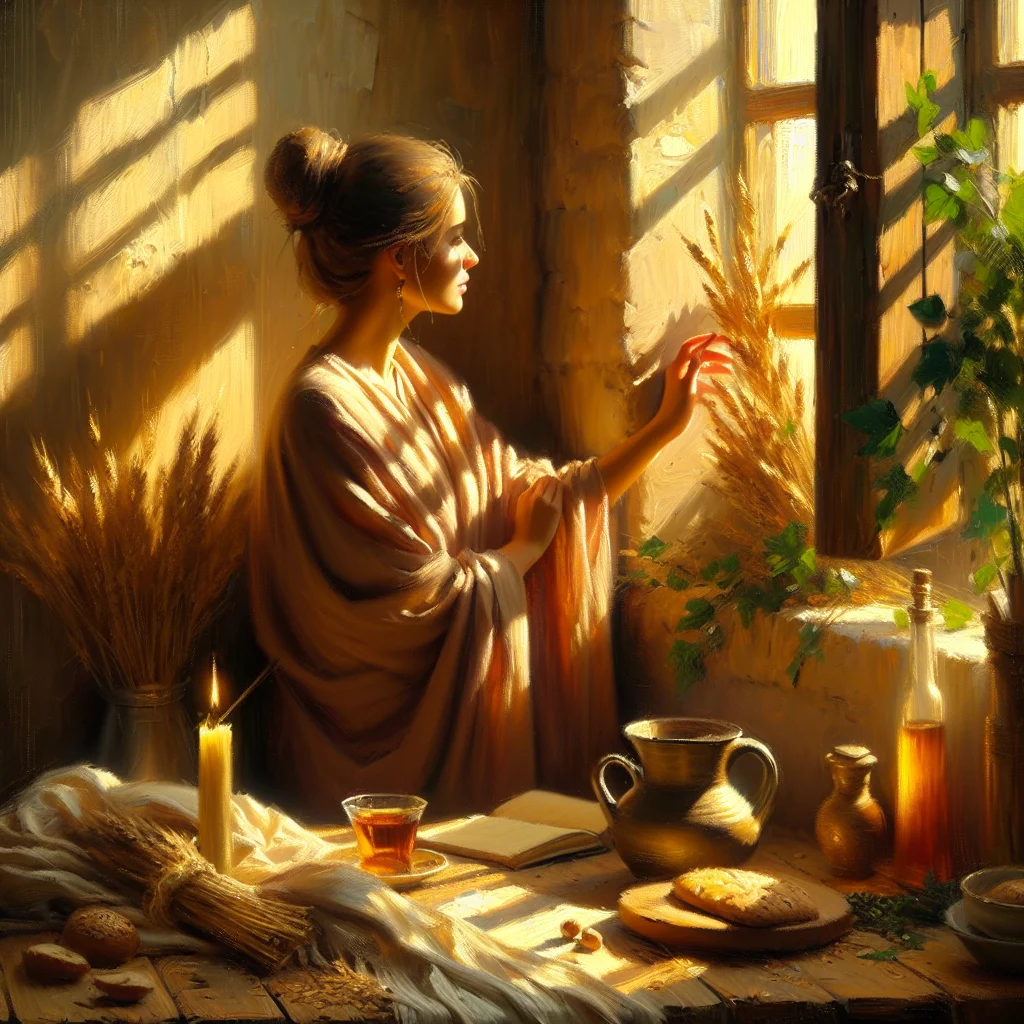
Understanding the Slow Living Culture Movement
The roots of slow living culture trace back to the Slow Food movement that began in Italy during the 1980s. When Carlo Petrini protested the opening of a McDonald’s near the Spanish Steps in Rome, he sparked a global conversation about how speed was eroding quality in our lives.
However, the movement has evolved far beyond food. According to Wikipedia’s entry on the Slow Movement, it now encompasses everything from slow cities to slow fashion, slow travel, and even slow parenting. The common thread? A deliberate rejection of the “faster is better” mentality that dominates modern culture.
Core Principles That Define Slow Living
At its heart, this cultural shift rests on several foundational beliefs. First, it recognizes that quality matters more than quantity. Instead of rushing through a dozen activities, slow living advocates suggest fully engaging with fewer experiences.
Second, the movement emphasizes intentionality. Rather than operating on autopilot, practitioners make conscious decisions about how they spend their time and energy. This mindful approach naturally leads to greater satisfaction and less regret.
Free Guided Meditation · Day 1
You Are Safe Right Now.
5 min · Breathwork & body scan · Stress release
Liked it? Get the full audio.
Enter your email and we'll send you the complete 5-minute meditation — free, straight to your inbox.
Zero spam. Unsubscribe anytime.
Check Your Inbox.
Your full 5-minute meditation is on its way. Open the email and hit play — your reset starts now.
Can't find it? Check your spam folder.
Furthermore, slow living culture champions sustainability and connection—to ourselves, others, and the natural world. It asks us to consider the ripple effects of our choices beyond immediate gratification.
Why People Are Embracing This Lifestyle
The appeal of slow living has grown dramatically in recent years, particularly following global events that forced many to reassess their priorities. Research shows that chronic stress and burnout have reached epidemic levels, driving people to seek alternatives to the hustle culture narrative.
In addition, environmental concerns have made the consumption-driven lifestyle increasingly untenable. As a result, many are discovering that living with less actually enriches their lives rather than diminishing them.
Digital overwhelm represents another major factor. With smartphones demanding constant attention, people are craving spaces of silence and simplicity. Those exploring what is the concept of slow living often cite technology fatigue as their primary motivation.
Practical Applications of Slow Living Culture
Understanding the philosophy is one thing, but how does slow living actually manifest in daily life? The beauty of this approach lies in its flexibility—there’s no single “correct” way to practice it.
Transforming Your Daily Routine
Morning routines offer a perfect starting point for incorporating slow living principles. Instead of immediately reaching for your phone, consider beginning the day with quiet reflection, gentle stretching, or simply savoring your coffee without distraction.
Because mornings set the tone for everything that follows, creating a slow living routine can profoundly impact your entire day. This might include:
- Waking naturally without an alarm when possible
- Preparing breakfast from scratch using whole ingredients
- Taking time for journaling or meditation
- Walking or cycling instead of driving when feasible
- Limiting news and social media consumption in the morning hours
The key is establishing rhythms that feel nourishing rather than rushed. Even small changes, like chewing your food more slowly or taking three deep breaths before checking email, can shift your experience significantly.
Slow Living in Your Work Life
While many assume slow living means rejecting professional ambition, that’s a misconception. Rather, it involves redefining success and establishing healthier boundaries around work.
For instance, single-tasking rather than multitasking actually increases both productivity and work quality. Studies consistently demonstrate that our brains aren’t designed for simultaneous task management, despite cultural messaging to the contrary.
Moreover, building regular breaks into your workday prevents the diminishing returns that come with extended focus periods. Techniques like the Pomodoro method naturally incorporate this principle, creating sustainable work rhythms.
Those curious about applying these concepts might appreciate insights from the slow living academy, which offers structured guidance for this transition.
Creating a Slow Home Environment
Your physical surroundings profoundly influence your mental state. Consequently, slow living culture places significant emphasis on creating spaces that promote calm rather than chaos.
Decluttering represents a foundational practice. However, this isn’t about achieving minimalist perfection—it’s about removing items that no longer serve you. When everything in your space has purpose or brings joy, decision fatigue decreases dramatically.
Additionally, consider these environmental adjustments:
- Establish technology-free zones in your home
- Incorporate natural elements like plants, wood, and stone
- Choose soft, warm lighting over harsh overhead lights
- Create dedicated spaces for specific activities (reading nooks, meditation corners)
- Display meaningful items rather than accumulating decorative clutter
These changes signal to your nervous system that you’re in a safe space where rushing isn’t necessary. As a result, your home becomes a genuine sanctuary rather than just a place to sleep between obligations.
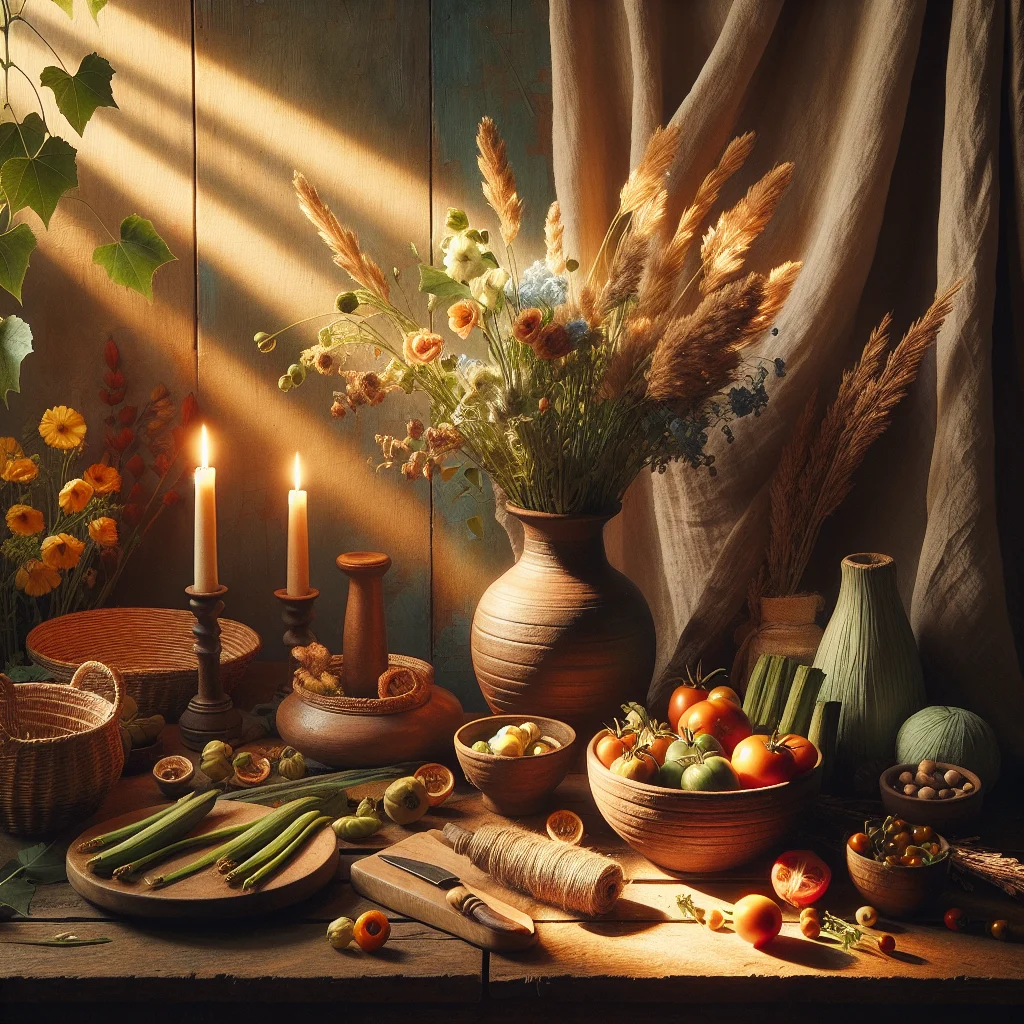
Slow Living Culture and Food Relationships
Few areas demonstrate the slow living philosophy as clearly as our relationship with food. The original Slow Food movement understood that how we eat reflects how we live, and this connection remains central to the broader culture.
From Farm to Table Consciousness
Embracing slow food principles means considering where your meals come from and how they’re produced. This doesn’t require becoming a purist—even small shifts toward local, seasonal, and sustainably-produced foods make a difference.
Farmers’ markets offer an excellent entry point. Besides providing fresher produce, they connect you directly with growers, creating relationships that enrich both nutrition and community. Furthermore, seasonal eating naturally introduces variety into your diet while supporting local economies.
Growing even a small portion of your own food—whether herbs on a windowsill or vegetables in a backyard garden—deepens appreciation for the effort behind every meal. This hands-on involvement transforms food from commodity to connection.
The Art of Mindful Eating
Beyond sourcing, how we consume food matters tremendously. Yet eating while distracted—scrolling through phones or watching screens—has become normalized in modern culture.
Slow living invites a different approach. Setting the table, even for solo meals, creates ceremony around nourishment. Chewing thoroughly and pausing between bites allows your body to register fullness, preventing overconsumption while increasing satisfaction.
According to research from the Harvard T.H. Chan School of Public Health, mindful eating practices can improve digestion, reduce stress, and help maintain healthy weight without restrictive dieting.
Building Community Through Slow Living Culture
Although slow living emphasizes personal well-being, it’s far from selfish or isolating. In fact, this lifestyle naturally fosters deeper, more meaningful connections with others.
Quality Over Quantity in Relationships
The slow approach to relationships prioritizes depth over breadth. Rather than maintaining hundreds of superficial connections, it encourages investing genuine time and attention into fewer, more significant bonds.
This might mean declining some social invitations to avoid overextension. While this can feel uncomfortable initially, it ultimately strengthens the relationships you do nurture. Friends and family recognize when you’re truly present versus just going through the motions.
Additionally, slow living culture values face-to-face interaction. Phone calls replace text chains when possible, and in-person gatherings take precedence over digital hangouts. These richer forms of connection satisfy our social needs more completely.
Participating in Local Communities
Slow living extends naturally into civic engagement and neighborhood connection. Because the movement values place-based living, it encourages participation in local organizations, events, and initiatives.
Volunteering for community gardens, attending town meetings, or supporting local businesses all embody slow living principles. These activities root you in your physical location rather than living primarily through screens and abstract digital spaces.
Moreover, such involvement creates resilience. Strong local networks provide support during difficult times and enrich ordinary days with shared purpose and belonging. This stands in stark contrast to the isolation that often accompanies fast-paced, individualistic lifestyles.
Slow Living Culture Across Different Life Stages
One common question concerns whether slow living works for everyone. While the core principles remain constant, their application necessarily varies based on life circumstances.
Practicing Slow Living with Children
Families often feel trapped in acceleration—rushing between school, activities, appointments, and obligations. However, slow parenting offers an alternative that benefits both adults and children.
This approach resists the pressure to overschedulule kids with constant activities. Instead, it protects unstructured time for free play, creativity, and boredom—which, contrary to popular belief, stimulates innovation and self-reliance.
Furthermore, involving children in slow practices like cooking, gardening, or crafting teaches valuable life skills while creating meaningful family time. These shared activities build memories far more lasting than expensive entertainment or material possessions.
Slow Living for Working Professionals
Career-focused individuals sometimes assume slow living conflicts with professional success. In reality, the practices often enhance performance by preventing burnout and maintaining sustainable energy levels.
Setting boundaries around work hours, taking proper lunch breaks, and using vacation time aren’t luxuries—they’re necessities for long-term effectiveness. Research consistently shows that overwork diminishes both productivity and creativity over time.
Even within demanding careers, incorporating small slow practices makes a difference. Commuting without podcasts or music occasionally, taking stairs mindfully, or eating lunch away from your desk all interrupt the autopilot mode that depletes us.
Embracing Slow Living in Retirement
For those transitioning into retirement, slow living offers a framework for this major life shift. After decades of structured schedules, the sudden freedom can feel disorienting without intentional planning.
This life stage provides unique opportunities to fully embrace slow principles. Without work constraints, retirees can explore interests deeply, volunteer extensively, and prioritize relationships with less time pressure.
Additionally, slow living’s emphasis on simple pleasures—morning walks, reading, tending gardens, cooking elaborate meals—aligns beautifully with retirement’s rhythm. These activities provide purpose and satisfaction without the stress of achievement-oriented living.
Overcoming Obstacles to Slow Living Culture
Despite its appeal, transitioning to a slower pace presents real challenges. Understanding common obstacles helps navigate them more successfully.
Addressing Financial Concerns
Many worry that slow living requires financial privilege—perhaps quitting jobs, buying expensive organic food, or investing in high-quality goods. While resources certainly help, the philosophy is actually quite accessible.
In fact, slow living often reduces expenses. Cooking at home costs less than eating out. Repairing items instead of replacing them saves money. Choosing free activities like hiking or library visits over paid entertainment decreases spending.
Moreover, the movement’s anti-consumption stance naturally curtails unnecessary purchases. When you’re content with what you have and thoughtful about acquisitions, financial pressure often decreases rather than increases.
Managing Social Pressure and FOMO
Perhaps the biggest obstacle is cultural. When everyone around you operates at maximum speed, slowing down can feel isolating or even irresponsible. The fear of missing out (FOMO) intensifies this pressure.
However, reframing helps tremendously. Rather than missing out, you’re choosing differently. You’re gaining presence, depth, and peace in exchange for breadth, speed, and constant stimulation.
Finding like-minded communities—whether online or locally—provides crucial support. Connecting with others who share these values reinforces your commitment when mainstream culture pulls in opposite directions.
Resources like books on slow living can offer both inspiration and practical guidance during challenging transitions.
Starting Small and Building Gradually
Ironically, some people approach slow living with the same all-or-nothing intensity they’re trying to escape. This rarely works sustainably.
Instead, begin with one area or practice. Perhaps you start by implementing slow living on Monday, using the week’s beginning as a practice ground. Or maybe you focus exclusively on meals, making that single aspect more intentional before expanding.
These incremental changes compound over time. What feels challenging initially gradually becomes natural, creating space to add additional practices. Patience with yourself embodies slow living philosophy perfectly.
The Broader Impact of Slow Living Culture
Individual lifestyle changes might seem small, but collectively they create significant cultural shifts. As more people embrace these principles, ripple effects extend far beyond personal benefit.
Environmental Implications
Slow living naturally aligns with environmental sustainability. Consuming less, choosing quality over quantity, eating locally, and rejecting disposable culture all reduce ecological footprints.
Because the movement questions constant growth and consumption, it challenges economic models dependent on endless expansion. While one person’s choices won’t transform global systems, widespread adoption of these values absolutely could.
Furthermore, slow living reconnects people with nature—a relationship that urban, screen-based living often severs. This renewed connection typically strengthens environmental concern and protective behaviors.
Mental Health and Well-being Benefits
The mental health crisis plaguing modern societies stems partly from pace and pressure. Consequently, slow living culture offers therapeutic benefits that complement professional treatment.
Practices like those outlined in guides about essential oils for emotional healing work synergistically with slow living principles. Both recognize that healing requires time, gentleness, and holistic approaches rather than quick fixes.
Research increasingly validates what slow living practitioners intuitively know: margin, rest, and connection aren’t luxuries but fundamental human needs. Meeting these needs prevents the anxiety, depression, and burnout epidemic in fast-paced cultures.
Economic and Social Transformation
As mainstream media outlets like CNN explore slow living, the movement gains visibility and legitimacy. This cultural conversation challenges dominant narratives about productivity, success, and the good life.
If enough people reject hustle culture, employers must adapt. We’re already seeing increased demand for flexible schedules, remote work options, and genuine work-life balance—all aligned with slow living values.
Moreover, the movement supports local economies over global corporations, craftsmanship over mass production, and relational commerce over transactional exchanges. These shifts could fundamentally reshape economic structures if sustained.
Integrating Slow Living Culture Into Your Life
After exploring the philosophy, principles, and practices, you might wonder where to actually begin. The good news is there’s no prescribed starting point—slow living meets you wherever you are.
Conducting a Personal Audit
Start by honestly assessing your current lifestyle. Where do you feel most rushed, overwhelmed, or disconnected? These pain points indicate ideal areas for initial focus.
Consider tracking your time for a week without changing behaviors. Simply notice where hours go and how various activities make you feel. This awareness itself often catalyzes change.
Additionally, identify your core values. What truly matters most to you? Comparing your time allocation with your values typically reveals misalignments that slow living practices can address.
Creating Your Slow Living Vision
Rather than adopting someone else’s version of slow living, define what it means for you. Your ideal might include morning meditation, while someone else’s involves evening nature walks. Both are valid.
Write down specific images of your slower life. What does a typical day look like? How do you spend weekends? What have you removed, and what have you added? This clarity provides direction when making daily choices.
Tools like Manifest Your Dreams: A Practical Guide to the Law of Attraction can help crystallize your vision and align your actions with your intentions.
Building Sustainable Habits
Transformation happens through consistent small actions, not dramatic overhauls. Choose 1-3 specific practices to implement initially, giving each several weeks to become habitual before adding more.
Track your progress without judgment. Some days you’ll fully embrace slow living; others you’ll revert to old patterns. This fluctuation is normal and doesn’t indicate failure—it reflects the reality of behavior change.
Celebrate small wins. Noticing that you felt more present during dinner or remembered to take a breathing break during work deserves recognition. These moments accumulate into meaningful transformation over time.
For those seeking comprehensive guidance, exploring the Holistic Living category provides additional resources aligned with slow living principles.
The Future of Slow Living Culture
As we look ahead, slow living culture appears positioned for continued growth rather than fading as a passing trend. Multiple converging factors suggest this lifestyle will become increasingly relevant.
Environmental urgency makes consumption-heavy, fast-paced living unsustainable. Climate change demands the very reductions in consumption and waste that slow living naturally promotes. As a result, what began as a lifestyle choice may become environmental necessity.
Technological advancement paradoxically strengthens the movement. As automation handles more tasks, questions about human purpose and well-being intensify. Slow living offers answers beyond productivity metrics and efficiency gains.
Moreover, generational shifts indicate changing priorities. Younger people increasingly value experiences over possessions, flexibility over rigid careers, and meaning over money. These preferences align closely with slow living culture’s core tenets.
The movement will likely continue evolving, adapting to new contexts while maintaining foundational principles. What remains constant is the human need for connection, meaning, and peace—needs that speed and complexity cannot satisfy.
If you’re ready to begin your own slow living journey, The Self-Love Reset: A Journey to Rediscover Yourself provides an excellent foundation for this transformative work. Combined with resources from the Mindfulness & Meditation section, you’ll find comprehensive support for this lifestyle shift.
Ultimately, slow living culture isn’t about perfection or absolute rejection of modern life. It’s about thoughtful integration—taking what serves you from contemporary possibilities while protecting space for timeless human needs. In doing so, we create lives that feel genuinely ours rather than scripts written by cultural expectations we never consciously chose.
Silence the Chaos in Your Head —
in 5 Minutes Flat.
Get instant access to a free guided meditation audio that rewires your nervous system for calm, kills anxiety at the root, and resets your entire day — no experience needed.
- Instantly drop cortisol levels — feel the shift before the 5 minutes is up
- Unlock razor-sharp focus — designed for high-achievers who can't afford brain fog
- Break the anxiety loop for good — a repeatable reset, every single morning
- 100% free, zero fluff — no apps, no subscriptions, just results
You're In.
Check Your Inbox.
Your free 5-minute guided meditation is on its way.
Open the email and hit play — your first reset starts now.
Can't find it? Check spam and mark us as safe.

