
If you’ve been feeling overwhelmed by the constant rush of modern life, you’re not alone. However, there’s a growing movement toward a more intentional way of living, and surprisingly, slow living kdrama series are leading the charge in showing us what this lifestyle can look like. These Korean dramas beautifully capture the essence of slowing down, appreciating simple moments, and finding joy in everyday experiences. In this article, we’ll explore how Korean dramas are embracing the slow living philosophy and why they might be exactly what you need right now.
Korean television has evolved dramatically over the past decade. While action-packed thrillers and romantic comedies still dominate the screens, a new genre is quietly gaining momentum. These shows celebrate quiet mornings, meaningful conversations, and the beauty of doing less. Because of their authentic portrayal of a slower lifestyle, they’re resonating with audiences worldwide who are seeking alternatives to the hustle culture.
For those looking to deepen their journey toward a more mindful existence, consider exploring Everyday Calm: A Beginner’s Guide to Daily Meditation. This resource perfectly complements the peaceful mindset these dramas inspire.
What Makes Slow Living KDrama Different?
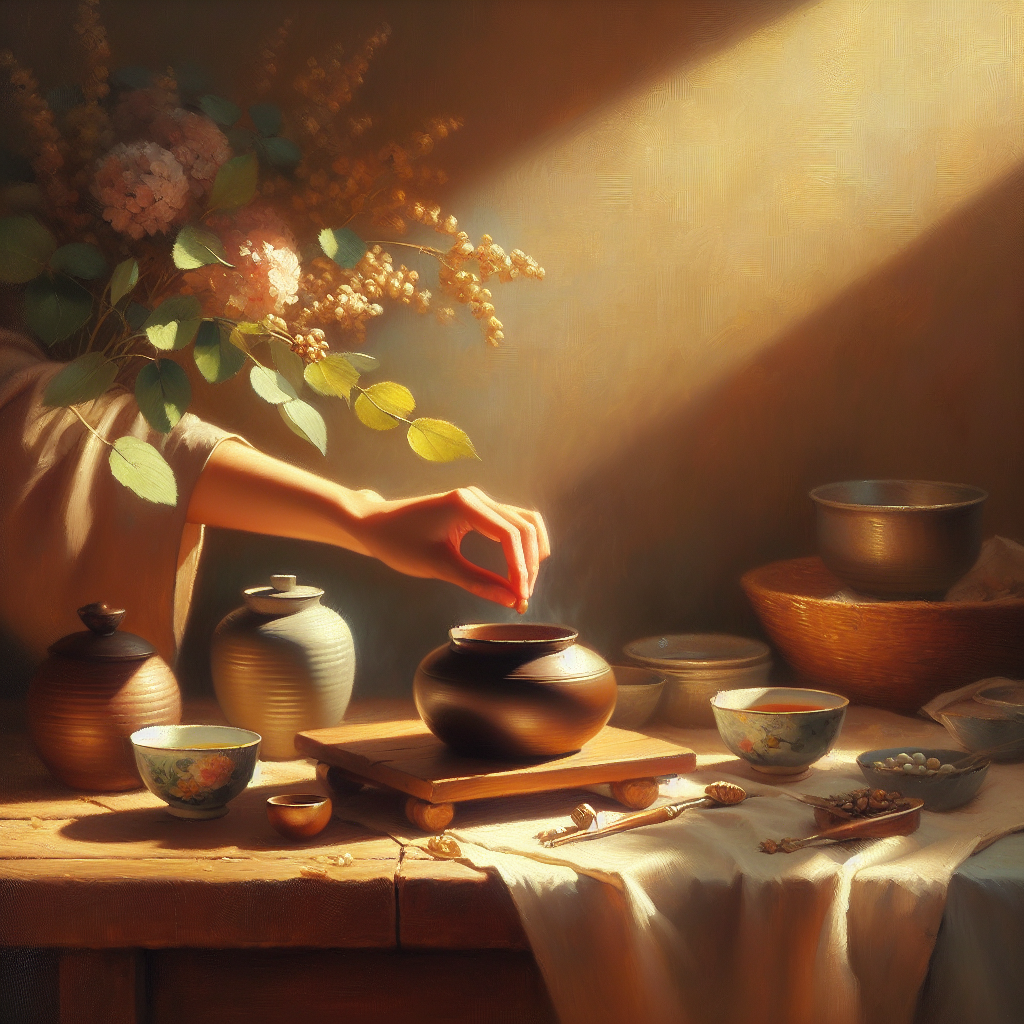
The defining characteristic of slow living kdrama is the deliberate pacing. Unlike typical dramas that pack each episode with dramatic twists, these shows allow scenes to breathe. You might watch a character prepare tea for five minutes, or follow someone’s morning routine in real time. Initially, this approach might seem boring to viewers accustomed to constant stimulation. Nevertheless, there’s something deeply satisfying about this unhurried storytelling.
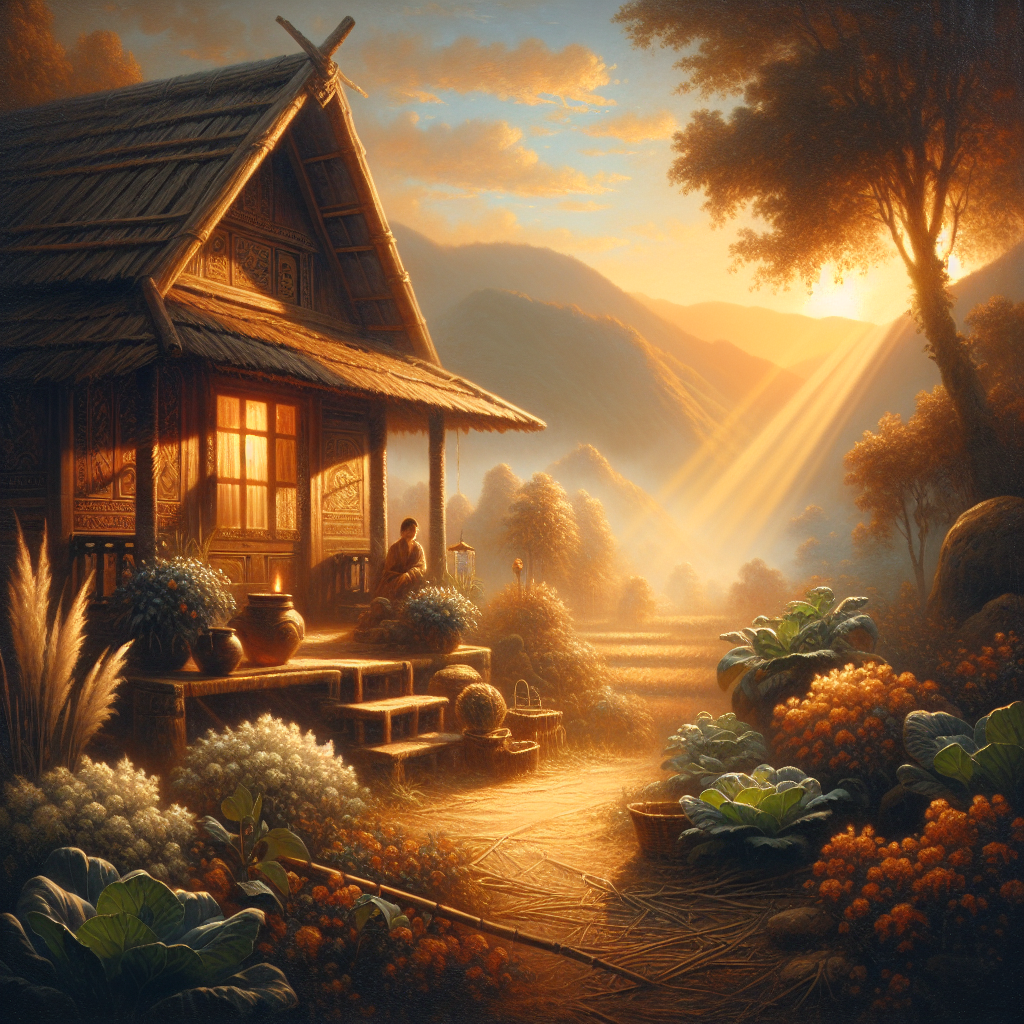
These dramas often feature protagonists who leave high-stress urban jobs for simpler lives in the countryside. For example, characters might open small cafes, run bookshops, or return to family farms. The plots aren’t driven by external conflicts but by internal growth and healing. As a result, viewers find themselves reflecting on their own life choices and priorities.
Common Themes in Slow Living Korean Dramas
- Return to nature: Characters reconnecting with the natural world and its rhythms
- Community building: Forming meaningful relationships with neighbors and local residents
- Mindful consumption: Choosing quality over quantity in possessions and experiences
- Traditional practices: Rediscovering heritage crafts, cooking methods, and customs
- Healing from burnout: Characters recovering from workplace stress or personal trauma
The visual aesthetics of these shows are equally important. Cinematographers use natural lighting, lingering shots of landscapes, and warm color palettes. Consequently, watching these dramas becomes a meditative experience itself. Many viewers report feeling calmer and more centered after an episode, much like after a mindfulness and meditation session.
Popular Slow Living KDrama Series You Should Watch
Several Korean dramas have become beloved examples of this genre. While each has its unique flavor, they all share the fundamental slow living philosophy. Let me introduce you to some standout titles that have captured hearts worldwide.
Hometown Cha-Cha-Cha
This charming series follows a dentist who moves from Seoul to a seaside village. Although it includes romantic elements, the show’s heart lies in depicting small-town life and community connections. The main character learns to value experiences over career advancement. Furthermore, the drama beautifully showcases how helping others enriches your own life.
The series features stunning coastal scenery and emphasizes the importance of belonging to a community. Viewers have praised its realistic portrayal of adjusting to a slower pace and the challenges that come with letting go of urban ambitions. In addition, the supporting characters each have their own stories of finding contentment outside conventional success.
Youn’s Kitchen and Youn’s Stay
These reality-variety programs blur the line between drama and documentary. They follow Korean actors running small restaurants abroad or guesthouses in rural Korea. The format allows viewers to watch cooking, serving customers, and daily tasks unfold naturally. There’s no manufactured drama—just people working together and enjoying simple pleasures.
What makes these shows special is their authenticity. Consequently, they’ve inspired countless viewers to consider how they might simplify their own lives. The cast members often discuss their personal philosophies about work-life balance and what truly matters. This approach aligns perfectly with slow living culture principles.
Little Forest (Film)
While technically a film rather than a drama series, Little Forest deserves mention as perhaps the purest expression of slow living in Korean cinema. The protagonist returns to her rural hometown and spends her days farming, foraging, and cooking seasonal dishes. The minimal dialogue allows the visuals and sounds of nature to take center stage.
Each scene is crafted with attention to detail—from kneading dough to harvesting vegetables. As a result, viewers gain appreciation for the labor and love that goes into producing food. The film has become a cult favorite among those interested in self-sufficiency and sustainable living.
The Philosophy Behind Slow Living KDrama
These dramas aren’t just entertainment; they’re advocating for a fundamental shift in values. The Korean concept of *sohwakhaeng* (small but certain happiness) underpins many of these stories. This philosophy emphasizes finding joy in modest, everyday moments rather than chasing extraordinary achievements.
In traditional Korean culture, there’s a deep respect for seasonal rhythms and living in harmony with nature. However, rapid industrialization and urbanization pushed these values aside. Now, younger generations are rediscovering them through modern interpretations. Slow living kdramas serve as a bridge between traditional wisdom and contemporary life challenges.
Mental Health and Slow Living Narratives
Many slow living dramas explicitly address mental health issues. Characters often arrive in rural settings while dealing with depression, anxiety, or burnout. The healing process isn’t instantaneous or dramatic. Instead, it unfolds gradually through daily routines, meaningful work, and supportive relationships.
This realistic portrayal resonates with viewers who are experiencing similar struggles. Furthermore, it normalizes seeking alternatives to medication or therapy alone. The shows suggest that environmental changes and lifestyle adjustments can significantly impact wellbeing. For additional support on this journey, exploring mental health and wellbeing resources can be valuable.
How Slow Living KDrama Influences Real Life
The impact of these dramas extends beyond entertainment. Across South Korea and globally, people are making life changes inspired by what they’ve watched. Tourism to filming locations has increased dramatically. Additionally, young professionals are reconsidering career paths and what success means to them.
Social media platforms are filled with viewers sharing how specific scenes changed their perspectives. Some have started gardening for the first time. Others have reduced their working hours or moved to smaller towns. While not everyone can make dramatic life changes, many incorporate slow living principles into existing circumstances.
Practical Lessons from Slow Living KDrama
- Start your day intentionally: Characters typically begin mornings with rituals—making coffee, stretching, or watching the sunrise
- Prioritize face-to-face connections: These dramas emphasize in-person conversations over digital communication
- Engage in hands-on activities: Cooking, crafting, and gardening feature prominently as grounding practices
- Respect natural rhythms: Following seasonal changes and working with rather than against them
- Practice gratitude: Characters frequently express appreciation for simple blessings
Implementing even one or two of these practices can make a noticeable difference. For instance, dedicating 20 minutes each morning to a calm routine before checking your phone can set a peaceful tone for the entire day. Similarly, cooking a meal from scratch instead of ordering takeout connects you to the process and ingredients.
Comparing Eastern and Western Slow Living Content
While slow living content exists in Western media, Korean dramas approach it differently. Western shows often focus on minimalism or environmental sustainability. Korean dramas, meanwhile, emphasize community, traditional values, and emotional healing. Both approaches have merit, but the Korean perspective offers unique insights.
The communal aspect of Korean slow living is particularly noteworthy. Characters rarely embrace this lifestyle in isolation. Instead, they become part of tight-knit communities where people look out for each other. This social dimension contrasts with Western individualistic approaches to simple living. Consequently, Korean dramas might appeal to viewers craving connection as much as simplicity.
The Role of Food in Slow Living Narratives
Food preparation and sharing occupy significant screen time in these dramas. Meals aren’t just sustenance but opportunities for connection and mindfulness. Characters source ingredients locally, prepare dishes with care, and eat together without distractions. This reverence for food reflects deeper values about appreciating what sustains us.
According to traditional Korean cuisine principles, meals should be balanced, seasonal, and shared. Slow living kdramas showcase this philosophy through extended cooking scenes and communal dining. Viewers often feel inspired to slow down their own eating habits and pay more attention to what they consume.
Criticism and Limitations of Slow Living KDrama
Despite their appeal, these dramas aren’t without criticism. Some argue they romanticize rural poverty or gloss over genuine hardships of agricultural life. The protagonists typically have financial cushions allowing them to “choose” simplicity—a luxury not everyone has. Furthermore, the dramas rarely address systemic issues driving urban stress and burnout.
There’s also the question of practicality. While watching someone bake bread for ten minutes is calming, most viewers still face demanding jobs and responsibilities. Critics suggest these dramas might foster escapist fantasies rather than actionable change. Nevertheless, defenders argue that inspiration and awareness are valuable first steps toward transformation.
Finding Balance Between Ideal and Reality
Perhaps the healthiest approach is viewing these dramas as inspiration rather than blueprints. Not everyone can move to the countryside, and that’s okay. However, you can incorporate slow living principles wherever you are. Creating small pockets of peace in your day, building meaningful relationships, and questioning consumption habits are accessible to most people.
The slow living Korean drama movement ultimately asks us to examine our priorities. What do you truly value? How do you want to spend your limited time? These questions matter regardless of where you live or what your circumstances are. Therefore, the dramas serve their purpose if they prompt reflection and intentional choices.
Creating Your Own Slow Living Practice
Inspired by these dramas, you might want to cultivate your own slow living approach. Start small rather than attempting dramatic life overhauls. Choose one area to focus on initially, whether that’s morning routines, meal preparation, or connection with nature. Gradually, these small changes accumulate into meaningful transformation.
Consider keeping a journal to track what brings you genuine contentment versus fleeting pleasure. Notice which activities leave you energized and which deplete you. This awareness is crucial because slow living isn’t about following rules but aligning your life with your authentic values and needs.
Building a Supportive Community
One element you can absolutely replicate from slow living kdramas is community building. Seek out like-minded individuals who share your interest in intentional living. This might be neighbors, online groups, or local workshops. Sharing the journey makes it more sustainable and enjoyable.
Many viewers have formed watch groups where they discuss episodes together and share how they’re implementing principles. Some organize regular gatherings focused on slow activities—cooking together, crafting, or simply talking without digital distractions. These connections themselves embody the slow living philosophy.
The Future of Slow Living KDrama
As burnout and mental health issues continue rising globally, slow living content will likely grow more popular. Korean production companies are recognizing the demand and greenlit more projects in this genre. International streaming platforms are also investing in similar content from various countries, creating a global conversation about alternative lifestyles.
Interestingly, technology might play a paradoxical role. While screens often symbolize the fast-paced life these dramas critique, they also make this content accessible worldwide. Viewers from São Paulo to Stockholm can experience Korean countryside life and consider what it means for their contexts. This cross-cultural exchange enriches the slow living movement.
The genre is also evolving to address its limitations. Newer series feature more diverse protagonists and acknowledge class privilege more openly. Some explore how to integrate slow living principles in urban settings, recognizing that rural relocation isn’t feasible for everyone. As a result, the movement becomes more inclusive and practically applicable.
Embrace the Slow Living Philosophy Today
Whether or not you watch Korean dramas, the principles they showcase offer valuable guidance for modern life. In a world that constantly demands more, faster, and better, choosing to slow down is radical. It requires courage to step off the treadmill and question what you’ve been taught about success and productivity.
Slow living kdrama reminds us that life’s richness often lies in moments we typically rush past—a shared meal, a quiet morning, a conversation with a neighbor. These experiences don’t make headlines or impress on social media, yet they form the foundation of a life well-lived. Therefore, perhaps the greatest gift these dramas offer is permission to value what actually matters to you.
If you’re ready to deepen your practice of intentional living and create lasting change, The Self-Love Reset: A Journey to Rediscover Yourself provides structured guidance for this transformative journey. Moreover, exploring concepts from holistic living can complement the lessons learned from these beautiful dramas.
Ultimately, slow living isn’t about doing everything slowly or rejecting all modern conveniences. Rather, it’s about living deliberately, savoring what matters, and creating space for what makes you feel truly alive. Korean dramas brilliantly illustrate this philosophy, but the real work happens when you turn off the screen and apply these lessons to your own life. Start small, be patient with yourself, and trust that meaningful change unfolds gradually—just like the best slow living kdramas.