
The world of Korean dramas has expanded far beyond romantic comedies and intense thrillers. In recent years, a new genre has captured the hearts of viewers seeking something different—slow living Korean drama. These shows embrace a gentler pace, focusing on everyday moments, personal growth, and the beauty of simple living. For anyone feeling overwhelmed by the constant rush of modern life, these dramas offer a refreshing alternative that celebrates mindfulness and intentional living.
Unlike typical fast-paced narratives filled with dramatic twists, slow living Korean dramas invite viewers to pause and breathe. They showcase characters who step away from demanding careers, toxic relationships, or overwhelming urban environments to rediscover what truly matters. Through stunning cinematography and thoughtful storytelling, these shows have become more than entertainment—they’re a form of meditation in themselves.
If you’re looking to complement your viewing experience with deeper personal growth practices, consider exploring Everyday Calm: A Beginner’s Guide to Daily Meditation to cultivate the same peaceful mindset these dramas inspire.
Understanding the Slow Living Korean Drama Movement
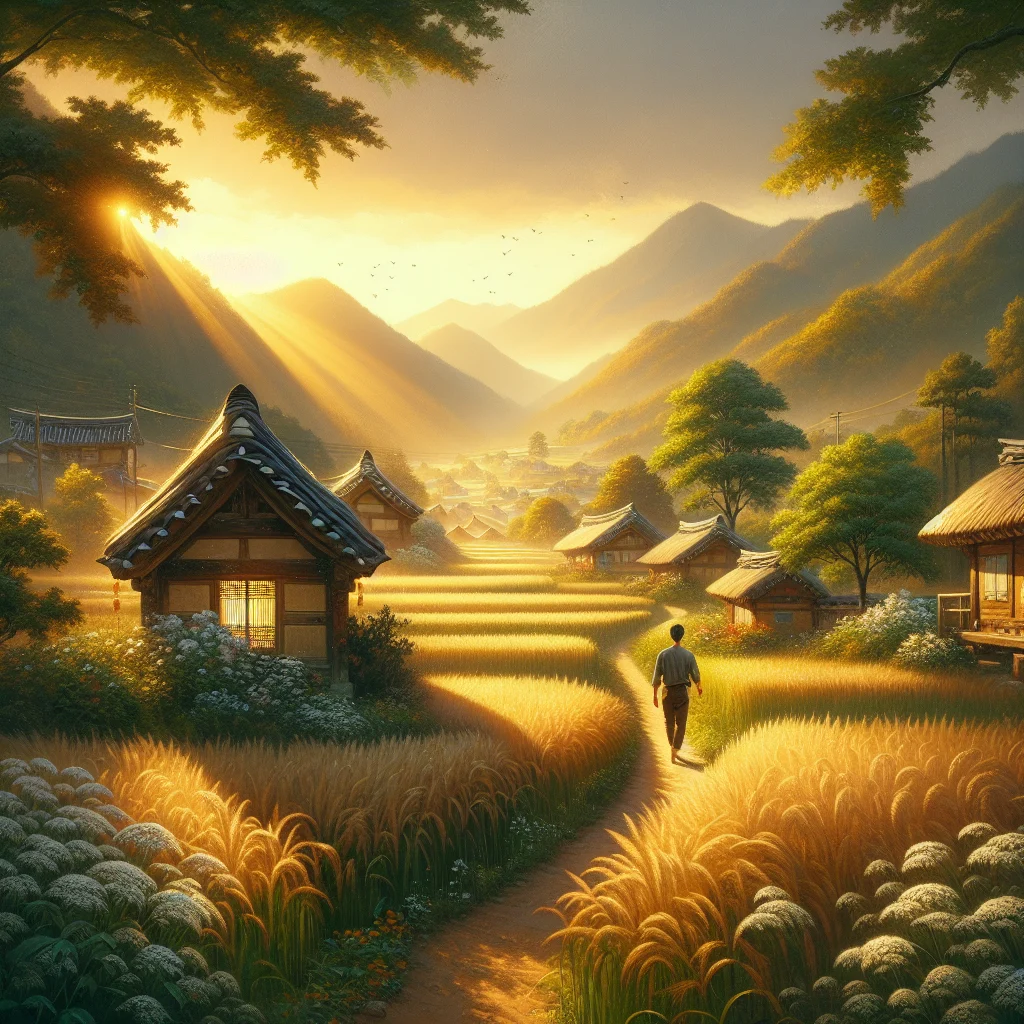
The slow living movement has influenced various aspects of culture worldwide, and Korean television has embraced this philosophy beautifully. These dramas typically feature protagonists who relocate to rural areas, open small businesses, or simply choose to live more intentionally. The storylines prioritize character development over plot complexity, allowing viewers to form deep connections with the people on screen.
This genre resonates particularly with audiences who feel burnt out from their own lives. According to research on slow living principles, this lifestyle approach emphasizes quality over quantity and encourages people to be present in each moment. Korean dramas in this genre embody these values perfectly.
Key Characteristics of Slow Living K-Dramas
What distinguishes these shows from mainstream Korean dramas? Several defining features set them apart and create their unique appeal:
- Minimal conflict: Rather than relying on dramatic confrontations, these shows explore subtle emotional journeys and internal growth
- Nature-focused settings: Countryside villages, coastal towns, and mountain communities serve as backdrops that become characters themselves
- Food and cooking scenes: Meal preparation and sharing become meditative rituals that build community connections
- Healing narratives: Characters work through past traumas at a natural pace, without forced resolution
- Realistic pacing: Time moves at a human speed, allowing viewers to truly absorb each scene
These elements combine to create viewing experiences that feel therapeutic rather than merely entertaining. For those interested in exploring the broader concept, you might enjoy reading about what is the concept of slow living and how it applies to daily life beyond television.
Must-Watch Slow Living Korean Drama Recommendations
Several Korean dramas have perfectly captured the essence of slow living, each offering its unique perspective on intentional living. Let me share some standout examples that have resonated deeply with audiences worldwide.
Summer Strike (2022)
This drama follows Lee Yeo-reum, a librarian who abandons her stressful Seoul life after experiencing workplace trauma. She relocates to a quiet seaside village called Angok, where she takes a part-time job at a local library. The show beautifully portrays her journey toward healing without rushing her process.
The cinematography captures the changing seasons, ocean views, and small-town rhythms in ways that make viewers want to book the next train to the countryside. Moreover, the relationships she forms with village residents develop organically, reflecting how slow living culture fosters genuine human connections.
Hometown Cha-Cha-Cha (2021)
While this drama includes romantic elements, it primarily celebrates community and finding joy in simplicity. A successful Seoul dentist moves to a coastal village and discovers that happiness doesn’t require wealth or status. The male lead, a jack-of-all-trades known as “Chief Hong,” embodies slow living principles through his helpful nature and contentment with simple pleasures.
The show demonstrates how stepping back from ambition can paradoxically lead to a richer life. Each episode features mouth-watering food scenes, community gatherings, and moments of quiet reflection that encourage viewers to reconsider their own priorities.
Welcome to Samdalri (2023)
This recent addition to the slow living Korean drama genre showcases a famous photographer returning to her Jeju Island hometown after a career crisis. The drama explores themes of homecoming, reconnecting with roots, and finding peace in familiar places.
What sets this show apart is its focus on the natural beauty of Jeju Island and the importance of community support during difficult times. The pacing allows viewers to experience the island’s atmosphere fully, from its volcanic landscapes to its tight-knit communities.
Our Blues (2022)
Rather than following a single protagonist, this anthology-style drama presents interconnected stories of various residents in a Jeju Island community. Each episode explores different characters’ lives, struggles, and small victories, painting a comprehensive picture of slow island living.
The show tackles real issues—financial difficulties, family estrangement, single parenthood—but approaches them with compassion and patience. Because it doesn’t rush toward resolution, viewers experience the authentic complexity of human life.
The Therapeutic Benefits of Watching Slow Living Korean Drama
Beyond entertainment value, these dramas offer genuine mental health benefits that align with mental health and wellbeing practices. Research suggests that media consumption affects our mood and stress levels significantly.
Reduced Anxiety Through Vicarious Experience
Watching characters embrace slower lifestyles can reduce viewer anxiety by offering an escape from constant stimulation. The calming visuals, gentle soundtracks, and peaceful narratives activate relaxation responses similar to meditation or emotional release breathing techniques.
Furthermore, these shows normalize the decision to step back from hustle culture. They validate feelings many viewers have about wanting a different pace of life but may feel ashamed to pursue.
Inspiration for Real-Life Changes
Many viewers report that slow living Korean dramas inspired tangible lifestyle changes. Some started gardening, others reduced their work hours, and many began prioritizing relationships over career advancement. The shows serve as both mirror and window—reflecting viewers’ own desires while showing possible alternatives.
According to research on narrative transportation, viewers who become absorbed in stories are more likely to adopt the values and behaviors portrayed. Therefore, these dramas can serve as catalysts for meaningful personal transformation.
Mindfulness Practice Through Engaged Viewing
The slower pacing of these dramas requires more engaged viewing than typical shows. You can’t scroll through your phone while watching because you’ll miss the subtle emotional cues and beautiful cinematography. This forced attention becomes a mindfulness practice in itself.
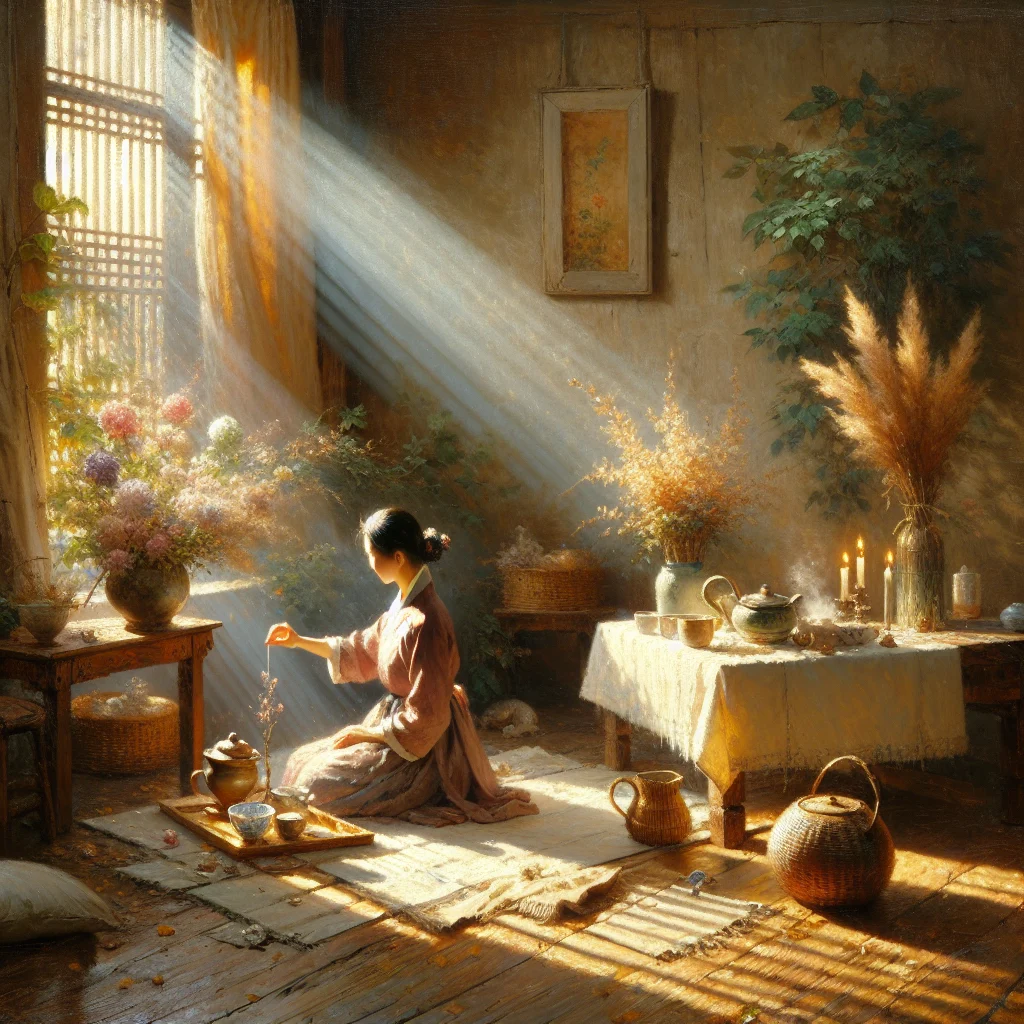
Viewers learn to appreciate small details—the way light filters through leaves, the ritual of preparing tea, or the silence between conversations. These shows teach us to find meaning in moments we typically overlook.
How Slow Living Korean Drama Reflects Cultural Shifts
The rise of this genre reflects significant changes in South Korean society and global culture more broadly. As burnout rates climb and mental health awareness increases, audiences increasingly seek content that offers respite rather than additional stimulation.
Responding to Burnout Culture
South Korea has one of the longest average working hours among developed nations, according to OECD data. This intense work culture has led to widespread stress and a growing counter-movement embracing balance.
Slow living Korean dramas emerge from this context, offering both critique and alternative vision. They question whether professional success justifies sacrificing health, relationships, and happiness. Moreover, they suggest that fulfillment comes from community, nature, and self-awareness rather than external achievements.
The Global Appeal of Slowing Down
These dramas have found international audiences because burnout isn’t uniquely Korean. People worldwide feel overwhelmed by technology, work demands, and social pressures. Consequently, viewers from various cultures connect with characters who choose different paths.
The universal themes—finding purpose, healing from trauma, building authentic relationships—transcend cultural boundaries. Additionally, the visual storytelling makes these shows accessible even to viewers who rely on subtitles, as much of the meaning comes through cinematography and music.
Creating Your Own Slow Living Experience While Watching
To fully embrace the spirit of slow living Korean drama, consider transforming your viewing experience into an intentional ritual rather than passive consumption. Here are practical ways to enhance your engagement with these shows.
Setting the Environment
Before pressing play, create an atmosphere that mirrors the drama’s peaceful settings. Dim harsh lights and use soft, warm lighting instead. Light a candle with natural scents like essential oils for emotional healing, such as lavender or chamomile.
Remove distractions by silencing your phone and closing unnecessary browser tabs. This preparation signals to your mind that you’re entering a different mental space, much like the characters in these dramas who leave their chaotic lives behind.
Mindful Viewing Practices
Rather than binge-watching entire seasons, try limiting yourself to one or two episodes per viewing session. This approach allows you to fully absorb each episode’s themes and prevents the overwhelm that comes from extended screen time.
Between episodes, take a few moments to reflect on what resonated with you. Perhaps journal about scenes that touched you or consider how the characters’ choices relate to your own life. These pauses transform passive viewing into active personal growth work, similar to practices discussed in personal growth resources.
Incorporating Drama-Inspired Activities
Many slow living Korean dramas feature activities you can try yourself. If a show includes gardening scenes, consider starting a small herb garden. When characters prepare traditional meals, research the recipes and try cooking them mindfully.
These activities extend the drama’s impact beyond screen time, allowing you to embody the slow living principles portrayed. Furthermore, they create tangible connections between the fictional world and your real life, making the shows’ messages more actionable.
The Production Elements That Create the Slow Living Atmosphere
Understanding the technical aspects of these dramas helps us appreciate how intentionally they’re crafted to evoke specific feelings and responses in viewers.
Cinematography and Visual Storytelling
Slow living Korean dramas typically feature longer shots that allow scenes to breathe. Rather than rapid cuts between angles, cameras linger on landscapes, faces, and everyday activities. This technique mirrors the shows’ thematic focus on patience and presence.
Natural lighting dominates these productions, with golden hour shots and soft, diffused interior lighting creating warmth and comfort. The color palettes tend toward earth tones, blues, and greens that psychologically promote calmness.
Music and Sound Design
The soundtracks for these dramas feature acoustic instruments, gentle vocals, and ambient nature sounds. Music swells gradually rather than dramatically, supporting emotional moments without overwhelming them. Silence itself becomes a powerful tool, allowing space for reflection.
Additionally, sound designers emphasize natural audio—waves crashing, wind through trees, rain on rooftops—that grounds viewers in the physical environments and enhances the sense of being present in these peaceful settings.
Narrative Structure and Pacing
Unlike conventional dramas that rely on cliffhangers and plot twists, slow living Korean dramas often have minimal traditional conflict. The tension comes from internal struggles and gradual character development rather than external obstacles.
Episodes may end quietly, without dramatic revelations, trusting viewers to return for the characters themselves rather than plot suspense. This approach requires confidence in the storytelling and respect for audience intelligence.
Comparing Slow Living Korean Drama to Other Genres
To fully appreciate what makes slow living Korean dramas unique, it helps to contrast them with other popular K-drama genres and international slow media.
Versus Traditional Romance K-Dramas
While many slow living dramas include romantic elements, they differ significantly from typical romance-focused Korean dramas. Traditional romance K-dramas often feature wealthy chaebols, love triangles, and dramatic separations. In contrast, slow living shows prioritize individual healing and personal growth, with romance developing organically as a secondary element.
The relationships in slow living dramas feel more realistic because characters take time to work through their issues before committing to partnerships. This approach reflects a more mature understanding of relationships as requiring whole, healthy individuals.
Versus Western Slow Television
Slow television exists in Western media too, with shows like “The Repair Shop” or Norway’s “Slow TV” movement. However, slow living Korean dramas typically maintain more traditional narrative structure while incorporating slow principles.
They strike a balance between storytelling and atmosphere that makes them accessible to viewers not accustomed to extremely minimalist programming. As a result, they serve as an excellent gateway for people interested in exploring slower-paced media.
Finding Community Around Slow Living Korean Drama
The popularity of these shows has created vibrant online communities where viewers share their experiences and support each other’s slow living journeys. These spaces extend the dramas’ impact beyond individual viewing experiences.
Online Discussion Groups and Forums
Platforms like Reddit, Twitter, and dedicated K-drama forums host active discussions about slow living shows. Fans analyze episodes, share screenshots of beautiful scenes, and discuss how the dramas have influenced their lives. These communities provide validation for those considering lifestyle changes inspired by the shows.
Moreover, international fans connect across cultural boundaries, discovering shared values and struggles. This global community demonstrates that the desire for slower, more meaningful living transcends geography.
Travel and Cultural Tourism
Many viewers become interested in visiting the filming locations featured in their favorite dramas. This has boosted tourism to rural Korean areas, with fans seeking to experience the peaceful settings firsthand. Local communities have embraced this, offering tours and experiences that allow visitors to live like drama characters temporarily.
This phenomenon mirrors how slow living destinations worldwide attract people seeking alternative lifestyles and travel experiences focused on immersion rather than sightseeing checklists.
Practical Lessons from Slow Living Korean Drama for Daily Life
The most valuable aspect of these dramas may be the concrete lessons they offer for implementing slow living principles in our own lives, regardless of where we live or our circumstances.
Simplifying Your Environment
Characters in these dramas typically live in uncluttered spaces with minimal possessions. Their homes feature natural materials, plants, and open spaces that promote calm. You can adopt similar principles by decluttering one area of your home and introducing natural elements like wood, stone, or plants.
This environmental simplification supports mental clarity and reduces the constant low-level stress that clutter creates. Even small changes—clearing your desk, organizing one closet—can make significant differences in your daily experience.
Prioritizing Relationships Over Productivity
Slow living dramas consistently show characters choosing conversations over tasks, meals over meetings, and presence over productivity. They demonstrate that relationships require time and attention that can’t be rushed or multitasked.
Try implementing “no-phone meals” with family or friends, or scheduling regular unhurried time with loved ones where the only agenda is being together. These practices, while simple, create the foundation for deeper connections that research consistently links to happiness and longevity.
Embracing Seasonal Living
Many slow living Korean dramas emphasize living in harmony with seasons—eating seasonal foods, appreciating each season’s unique beauty, and adjusting activities accordingly. This connection to natural rhythms provides structure without rigidity and keeps us grounded in physical reality.
You might start by visiting farmers’ markets to buy seasonal produce, or simply spending a few minutes outdoors each day noticing seasonal changes. These practices reconnect us with the natural world that modern life often insulates us from.
For those interested in deepening their understanding of intentional living, exploring resources about the meaning of slow living can provide additional context and practical applications.
The Future of Slow Living Korean Drama
As this genre continues gaining popularity, we’re likely to see more diverse approaches to slow living narratives. Streaming platforms increasingly recognize audience appetite for gentler content, which may encourage more production in this style.
Additionally, the success of these dramas may influence other media forms. We might see more slow-paced films, web series, and even video content that embraces similar principles. The genre has proven that audiences will engage deeply with content that respects their time and intelligence.
Furthermore, as global awareness of mental health and sustainability grows, themes central to slow living dramas become increasingly relevant. These shows may evolve to address contemporary challenges like climate anxiety, digital overwhelm, and social isolation while maintaining their healing, hopeful perspectives.
If you’re ready to complement your slow living Korean drama viewing with personal development practices, Manifest Your Dreams: A Practical Guide to the Law of Attraction offers tools for creating the intentional life these dramas inspire you to pursue.
Conclusion: Embracing the Slow Living Korean Drama Philosophy
Slow living Korean dramas offer more than entertainment—they provide blueprints for different ways of being in the world. Through beautiful cinematography, thoughtful storytelling, and authentic character development, they invite us to question our assumptions about success, happiness, and fulfillment.
These shows remind us that life’s most meaningful moments often happen in quiet spaces between dramatic events. They validate the desire to step back from constant productivity and make space for reflection, connection, and simple pleasures. In our fast-paced, overwhelming world, this message feels revolutionary.
Whether you’re drawn to these dramas for relaxation, inspiration, or escape, they offer valuable perspectives worth considering. The principles they embody—mindfulness, community, simplicity, and intentionality—apply universally, regardless of whether you ever move to a countryside village or open a small café.
As you continue exploring this genre, pay attention to which themes resonate most deeply with you. Those reactions provide clues about what your life might be missing and what changes could bring greater satisfaction. The dramas plant seeds; it’s up to us to water them in our own lives. For additional support on your journey toward intentional living, explore resources in holistic living that complement the philosophy these dramas embody beautifully.

