
Slow living photography is more than just taking pictures—it’s about capturing the essence of intentional living through your lens. In a world that constantly rushes forward, this photographic approach invites us to pause, observe, and document the beauty in everyday moments. Rather than focusing on technical perfection, it emphasizes authenticity, mindfulness, and emotional connection.
This approach to photography aligns beautifully with the broader slow movement, which encourages people to live more deliberately and appreciate life’s simple pleasures. Through your camera, you become both observer and participant in the quiet moments that often go unnoticed.
If you’re looking to deepen your mindfulness practice while exploring creative expression, consider checking out Everyday Calm: A Beginner’s Guide to Daily Meditation. This resource perfectly complements the contemplative nature of slow living photography.
Understanding the Philosophy Behind Slow Living Photography
The philosophy of slow living photography stems from a desire to reconnect with our surroundings in meaningful ways. Unlike traditional photography that might prioritize technical excellence or dramatic compositions, this style values presence and intentionality above all else.
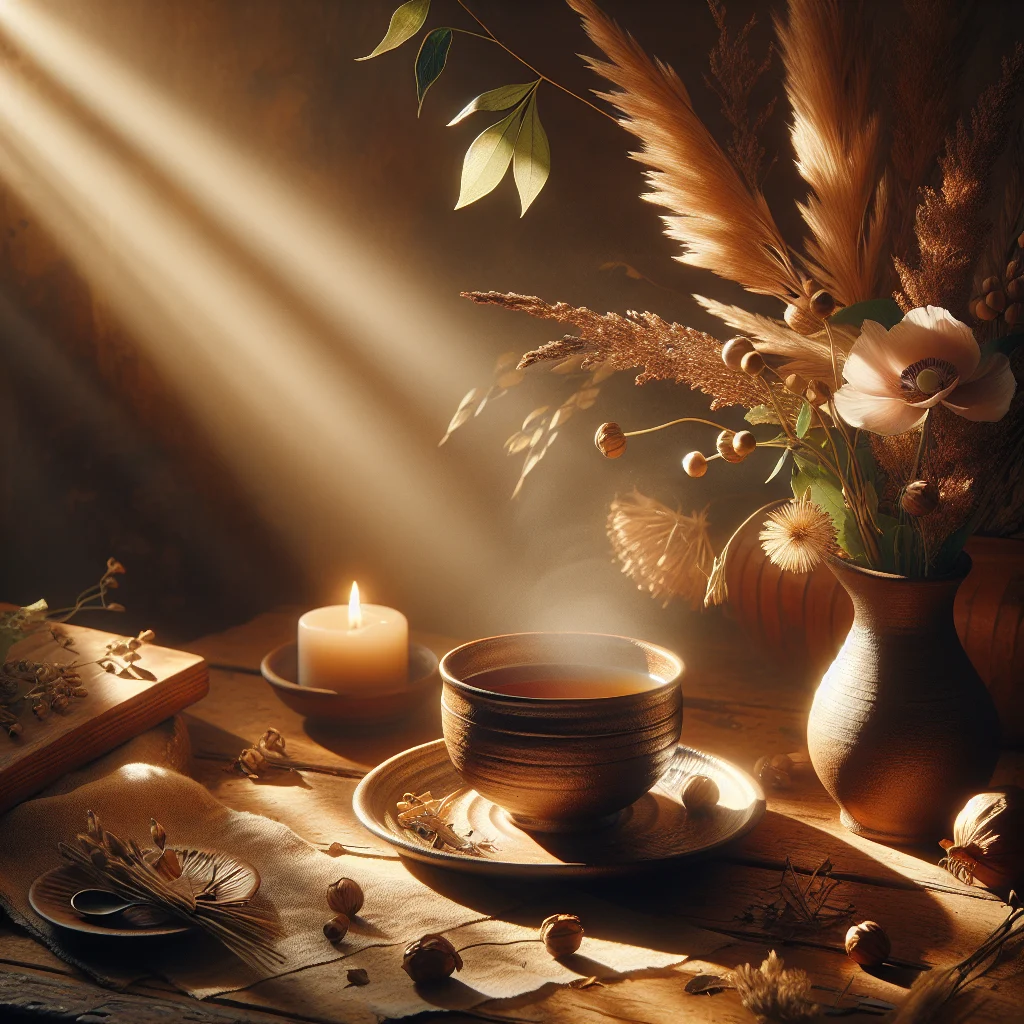
At its core, this practice teaches us to see differently. Instead of rushing through your day with your camera, you learn to slow down and truly observe. The morning light filtering through kitchen curtains becomes a subject worth exploring. A cup of tea cooling on a windowsill tells a story.
This photographic approach encourages what psychologists call “flow state”—a deeply focused mental state where time seems to disappear. Because you’re fully present with your subject, the act of photographing becomes meditative. For more insights on living intentionally, explore our article on cultura slow living.
The Connection Between Mindfulness and Photography
Mindfulness and photography share a natural synergy. Both practices require you to anchor yourself in the present moment. When you’re composing a photograph mindfully, you engage all your senses—noticing light, texture, color, and atmosphere.
Research from the American Psychological Association suggests that engaging in creative activities with mindful awareness can significantly reduce stress levels. Photography becomes not just an artistic outlet but a form of moving meditation.
Free Guided Meditation · Day 1
You Are Safe Right Now.
5 min · Breathwork & body scan · Stress release
Liked it? Get the full audio.
Enter your email and we'll send you the complete 5-minute meditation — free, straight to your inbox.
Zero spam. Unsubscribe anytime.
Check Your Inbox.
Your full 5-minute meditation is on its way. Open the email and hit play — your reset starts now.
Can't find it? Check your spam folder.
However, mindful photography differs from typical tourist snapshots or social media content. It asks you to move beyond surface-level documentation and instead capture emotional resonance. The goal isn’t to collect images but to experience moments fully.
Essential Elements of Slow Living Photography
While slow living photography doesn’t adhere to rigid rules, certain elements characterize this approach. Understanding these foundations will help you develop your unique visual language within this genre.
Embracing Natural Light and Soft Aesthetics
Natural light serves as the cornerstone of slow living photography. The gentle illumination from windows, the golden hour’s warm glow, or even overcast days’ diffused light all create the soft, inviting atmosphere typical of this style.
Artificial lighting often feels harsh and disconnected from the natural rhythms we’re trying to capture. In addition, natural light changes throughout the day, offering endless opportunities for exploration. Early morning light carries a different quality than afternoon sun—each tells its own story.
The aesthetic typically features muted tones, soft focus, and gentle contrast. These choices aren’t merely stylistic preferences; they reflect the philosophy’s emphasis on gentleness and ease. Your images should feel like a visual exhale—calming rather than stimulating.
Finding Beauty in the Ordinary
One of the most transformative aspects of this practice is learning to see extraordinary beauty in ordinary objects. A worn wooden cutting board, freshly laundered linens hanging to dry, or your morning coffee ritual—these everyday moments become worthy subjects.
This shift in perspective extends beyond photography. As you train yourself to notice small beauties through your lens, you begin seeing them throughout your daily life. Consequently, this practice cultivates gratitude and contentment.
Consider creating a list of everyday objects in your home that you typically overlook:
- Kitchen tools with patina and character
- Plants at different stages of growth
- Books arranged on shelves
- Textiles with interesting textures
- Food in various states of preparation
- Shadow patterns throughout the day
Practical Techniques for Slow Living Photography
Developing your slow living photography practice doesn’t require expensive equipment or technical expertise. Instead, it demands patience, observation, and willingness to experiment. Let’s explore some practical approaches to get started.
Choosing Your Equipment Mindfully
While professional cameras offer certain advantages, the best camera for slow living photography is the one you have with you. Many practitioners use smartphones exclusively, appreciating their accessibility and simplicity.
If you do invest in dedicated equipment, consider these factors:
- Portability—can you comfortably carry it during daily activities?
- Ease of use—does the technology enhance or distract from your creative process?
- Image quality in natural light—how does it handle soft, low-light situations?
- Manual controls—can you adjust settings to achieve your desired aesthetic?
Remember that technical limitations can actually foster creativity. Because you’re working within constraints, you develop problem-solving skills and artistic vision. Moreover, simpler equipment encourages you to focus on composition and light rather than getting lost in technical specifications.
Developing Your Observational Skills
The foundation of compelling slow living photography lies in observation rather than manipulation. Start by spending time in spaces without your camera, simply noticing light, composition, and atmosphere.
Practice this exercise: Set a timer for ten minutes and observe a single corner of your home. Notice how light moves across surfaces, which objects draw your eye, and what emotions the space evokes. Only after this observation period should you reach for your camera.
This approach connects beautifully with mindfulness and meditation practices. Both disciplines teach us to observe without immediately reacting or judging. Through regular practice, your ability to see photographically—anticipating light, recognizing composition, sensing mood—becomes second nature.
Creating a Daily Photography Practice
Consistency matters more than perfection when developing your slow living photography skills. Establishing a daily or weekly practice helps you refine your vision while deepening your engagement with the philosophy.
Morning Documentation Rituals
Many slow living photographers begin their day with a simple documentation practice. This might involve photographing your morning beverage preparation, the quality of morning light in your space, or objects that catch your eye during your morning routine.
These morning sessions serve multiple purposes. First, they ground you in the present moment, setting an intentional tone for the day. Additionally, they provide consistent practice with similar lighting conditions, helping you understand how to work with morning light.
Try committing to photographing one aspect of your morning routine for thirty consecutive days. You’ll be amazed at how this repetition reveals subtle variations and deepens your appreciation for daily rituals. For more on creating meaningful morning practices, explore resources on holistic living.
Seasonal Photography Projects
Aligning your photography practice with seasonal changes reinforces the slow living philosophy’s connection to natural rhythms. Each season offers distinct qualities—colors, light, textures, and moods—worth exploring deeply.
Consider creating seasonal photography projects such as:
- Documenting how a single tree changes throughout the year
- Capturing seasonal foods from market to table
- Recording how light enters your home differently each season
- Photographing seasonal activities and their associated objects
These long-term projects encourage patience and commitment. Because you’re working with the same subjects repeatedly, you develop intimacy with them. This depth of engagement produces more authentic, emotionally resonant images than one-off snapshots.
Composition Principles for Intentional Images
While slow living photography emphasizes feeling over technical perfection, understanding fundamental composition principles helps you communicate your vision effectively. These guidelines serve as starting points rather than rigid rules.
Negative Space and Simplicity
Negative space—the area around and between subjects—plays a crucial role in slow living imagery. Generous negative space creates breathing room in your compositions, reflecting the philosophy’s emphasis on spaciousness and ease.
This compositional choice also directs viewer attention. With fewer elements competing for focus, your subject gains prominence. Furthermore, negative space evokes calmness, allowing viewers to rest their eyes and minds while engaging with your image.
Practice creating compositions where your subject occupies only 10-30% of the frame. Although this might feel uncomfortable initially, you’ll discover how powerfully negative space communicates mood. The emptiness becomes an active element rather than wasted space.
Layering and Depth
Creating visual depth through layering adds richness to your photographs without overwhelming simplicity. This technique involves arranging elements at different distances from your camera, creating foreground, middle ground, and background layers.
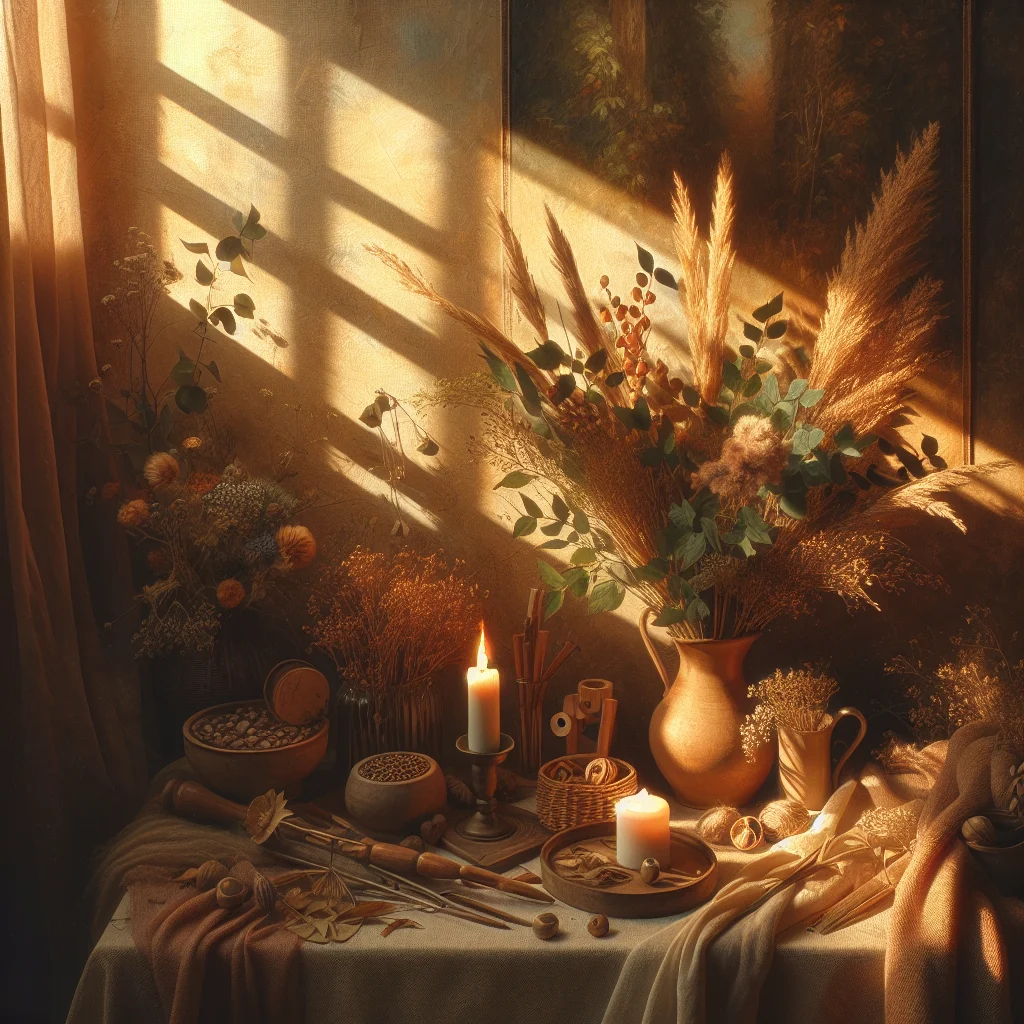
For example, you might photograph a vase of flowers on a windowsill with sheer curtains in the foreground and a garden visible through the window in the background. These layers invite viewers to explore the image gradually, discovering details at different depths.
Depth also emerges from selective focus. By choosing which layer remains sharp while others blur, you guide attention and create atmospheric quality. This approach mirrors how we naturally perceive the world—focusing on one element while others fade into soft awareness.
Post-Processing with Intention
Editing your photographs offers opportunities to refine your artistic vision, but the slow living approach to post-processing emphasizes restraint and authenticity. The goal isn’t to transform images but to enhance qualities already present.
Maintaining Authenticity in Editing
The editing style typically associated with slow living photography features subtle adjustments rather than dramatic transformations. You’re aiming to recreate the atmosphere you experienced rather than creating an artificial aesthetic.
Common adjustments include:
- Slight exposure corrections to restore natural brightness
- Gentle contrast reductions for softer tonal transitions
- Warmth adjustments to enhance or cool color temperature
- Subtle desaturation for muted, organic color palettes
- Minimal sharpening to maintain softness
However, avoid heavy filters or presets that impose a generic look on your images. Your editing style should evolve from your unique vision and the specific qualities of each photograph. This individualized approach ensures your work remains authentic and personal.
Developing a Cohesive Visual Style
As your practice develops, you’ll naturally gravitate toward certain tones, compositions, and subjects. Recognizing these patterns helps you cultivate a cohesive visual style—a recognizable aesthetic that reflects your perspective.
To identify your emerging style, periodically review your favorite images from recent months. Look for commonalities in color palettes, composition choices, lighting conditions, and subject matter. These recurring elements reveal your authentic preferences.
Creating editing presets based on these observations can streamline your workflow while maintaining consistency. Nevertheless, remain flexible—your style should evolve as you grow rather than becoming a rigid formula. Just as the opposite of slow living involves rigidity and rushing, your creative practice benefits from gentle evolution.
Sharing Your Work Mindfully
In our hyperconnected world, sharing photography often means navigating social media platforms designed for rapid consumption. However, you can approach sharing in ways that align with slow living values.
Alternative Approaches to Social Media
While platforms like Instagram seem natural homes for photography, their algorithms and engagement metrics can undermine the contemplative nature of your practice. Consider these alternative approaches:
- Create a simple website or blog where you control the viewing experience
- Print your favorite images and create physical albums
- Share photos privately with close friends and family
- Participate in small online communities focused on thoughtful photography
- Host occasional local exhibitions in intimate venues
These alternatives prioritize meaningful connection over viral reach. Because you’re sharing intentionally rather than constantly, each image receives proper attention from both creator and viewer. This selective sharing also protects your creative energy from the drain of comparison and validation-seeking.
Creating Printed Collections
Printing your photographs transforms them from ephemeral digital files into tangible objects. This physical manifestation honors your work and creates opportunities for different kinds of engagement.
Printed photos can be savored slowly—held in hands, displayed on walls, or collected in albums. They become part of your living space rather than disappearing into social media feeds. Moreover, the act of selecting images for printing requires careful curation, helping you identify your strongest work.
Consider starting a yearly tradition of creating a small photo book featuring your favorite images from the past twelve months. This practice provides satisfying closure to each creative year while building a tangible archive of your evolving vision.
The Therapeutic Benefits of Slow Living Photography
Slow living photography offers significant mental health benefits beyond creative expression. The practice combines elements of mindfulness, creative engagement, and nature connection—all proven contributors to psychological wellbeing.
Photography as Meditation
Many practitioners describe their photography practice as a form of meditation. Like traditional meditation, it requires present-moment awareness, gentle focus, and acceptance of what is. The camera becomes a tool for directing attention rather than an end in itself.
This meditative quality can provide relief from anxiety and rumination. When you’re fully engaged in observing light or composing an image, worried thoughts about past or future naturally recede. You’re anchored in sensory experience—seeing, noticing, responding.
Research published in the National Institutes of Health database suggests that engaging in creative activities with mindful awareness can reduce cortisol levels and improve mood. Photography becomes both artistic practice and self-care. For additional anxiety management strategies, you might explore crystals used for anxiety.
Building Gratitude Through Visual Practice
Regularly photographing ordinary moments cultivates profound gratitude. As you train yourself to notice beauty in everyday objects and moments, your general outlook shifts toward appreciation.
This isn’t merely positive thinking; it’s a rewiring of attention. Your brain becomes better at recognizing positive aspects of your environment because you’ve practiced doing so consistently. Consequently, you experience more frequent moments of contentment and satisfaction.
Try combining your photography practice with explicit gratitude journaling. After each photo session, write briefly about what you noticed and appreciated. This dual practice—visual and written—reinforces the gratitude-building benefits of both activities.
Building Community Around Slow Photography
While slow living photography is often a solitary practice, connecting with like-minded practitioners enriches your creative journey. Community provides inspiration, feedback, and the joy of shared values.
Finding Your Photographic Tribe
Look for communities that emphasize artistic growth and mindful practice over competition and metrics. Small, moderated online groups often foster more meaningful connections than large public platforms.
Local photography meet-ups focused on contemplative or artistic photography can provide in-person connection. These gatherings might involve slow photo walks, where participants spend hours exploring a small area together, or critique sessions emphasizing constructive, thoughtful feedback.
When evaluating potential communities, notice their values and communication style. Do members support each other’s growth? Is there space for various skill levels and approaches? Communities aligned with personal growth principles will feel supportive rather than competitive.
Participating in Collaborative Projects
Collaborative photography projects offer structure and motivation while building connections. These might include:
- Monthly themed challenges focused on slow living subjects
- Round-robin photo exchanges where participants share work privately
- Collaborative photo books featuring multiple contributors’ perspectives
- Virtual exhibitions exploring specific themes or seasons
Such projects introduce creative constraints that often spark innovation. Because you’re creating within specific parameters, you develop problem-solving skills and discover new approaches. Additionally, seeing how others interpret the same theme expands your visual vocabulary.
Slow Living Photography Throughout the Seasons
Aligning your photography practice with seasonal changes deepens your connection to natural rhythms and provides endless inspiration. Each season offers distinct aesthetic qualities and symbolic resonance worth exploring.
Spring: Renewal and Emergence
Spring photography in the slow living style focuses on themes of new beginnings, gentle growth, and awakening. Look for early buds, newly emerging leaves, spring blooms in simple arrangements, and the increasing quality of light as days lengthen.
This season invites softer color palettes—fresh greens, pale pinks, gentle yellows. The atmosphere feels hopeful and tender. Your images might capture the transitional quality of spring, when winter’s starkness gradually gives way to abundance.
Summer: Abundance and Light
Summer provides generous light and lush subject matter. However, slow living photography approaches summer differently than typical vibrant vacation imagery. Instead of high-energy beach scenes, focus on quiet summer moments—early mornings before heat arrives, shaded afternoon retreats, or evening light’s golden quality.
Summer subjects might include garden harvests, seasonal fruits, outdoor dining setups, or light filtering through leafy branches. The challenge lies in capturing summer’s abundance without overwhelming simplicity. Selective focus and careful composition help maintain visual calm despite the season’s profusion.
Autumn: Transition and Reflection
Autumn’s changing leaves and cooling temperatures invite contemplative photography. This season naturally embodies slow living values—harvesting what’s been grown, preparing for quieter times, and appreciating impermanence.
The color palette shifts toward warth—rusts, golds, deep oranges, and browns. Light becomes more golden as the sun’s angle lowers. Photograph seasonal transitions, preservation activities like jam-making, cozy interior preparations, and nature’s gradual retreat.
Winter: Stillness and Interiority
Winter photography emphasizes interiors, stillness, and the beauty of dormancy. This season’s reduced outdoor activity naturally encourages the inward focus central to slow living philosophy.
Winter subjects include candlelit spaces, hot beverages, blankets and textiles, frost patterns, bare branches against pale skies, and activities associated with staying warm. The limited palette—whites, grays, muted earth tones—creates cohesive, calming imagery. Winter challenges you to find richness within restraint.
Expanding Your Practice Beyond Still Images
While slow living photography typically refers to still images, the underlying principles can extend to other visual mediums. Exploring these variations keeps your practice fresh while deepening your understanding of the philosophy.
Slow Motion Video
Short, contemplative video clips applying slow living aesthetics create moving meditations. These might capture steam rising from tea, leaves rustling in wind, or gentle hand movements during creative activities.
Keep these videos brief—often just seconds or minutes—and emphasize natural sound or silence over music. The goal isn’t narrative storytelling but capturing the quality of a moment. These videos work beautifully as personal meditations or shared pieces that invite viewers into calm presence.
Photo Essays and Series
Creating photo essays around specific themes allows deeper exploration than single images. You might document a day in your life, explore objects with personal significance, or trace a seasonal tradition from beginning to end.
Photo series require sustained attention and commitment—qualities central to slow living. Because you’re working with a cohesive theme over time, you develop nuanced understanding of your subject. The resulting collection tells richer stories than isolated images could achieve.
To further support your journey toward intentional living and creative expression, consider Manifest Your Dreams: A Practical Guide to the Law of Attraction, which offers complementary practices for bringing your creative visions to life.
Embracing Imperfection and Process
One of the most liberating aspects of slow living photography is its embrace of imperfection. Unlike commercial or technical photography that demands flawless execution, this approach values authenticity over perfection.
Learning to See “Mistakes” as Character
Blur, grain, unexpected shadows, or slight imperfections in composition often enhance the emotional quality of slow living images. These “flaws” signal authenticity—proof that you’re documenting real moments rather than creating artificial perfection.
This acceptance extends beyond photography into life philosophy. When you stop demanding perfection from your images, you begin releasing perfectionism in other areas too. Your photography practice becomes training ground for self-compassion and acceptance.
Valuing Process Over Product
While creating beautiful images provides satisfaction, the primary value of slow living photography lies in the practice itself. The time spent observing, the mindfulness cultivated, the creative problem-solving engaged—these process elements matter more than any individual photograph.
This shift from product to process reduces performance pressure and increases enjoyment. You’re free to experiment, play, and explore without the weight of needing every image to succeed. As a result, you take more risks and discover unexpected approaches. The practice becomes sustainable because it’s inherently rewarding rather than dependent on external validation.
Consider starting a practice of photographing daily without sharing or even reviewing images immediately. Let them sit for days or weeks before looking back. This delay interrupts the immediate judgment cycle and allows you to engage more fully with the present moment during shooting.
Resources for Continued Learning
As you develop your slow living photography practice, various resources can support your growth and inspire new directions. However, approach learning materials selectively—more information isn’t always better.
Books and Publications
Several photographers and writers have explored themes aligned with slow living photography. Look for books that emphasize vision and philosophy over technical instruction. Reading about other photographers’ approaches to mindful image-making expands your perspective without imposing formulas.
Consider also exploring books on related topics—slow living philosophy, mindfulness practices, creativity and flow states, or nature writing. These adjacent subjects enrich your understanding and inform your photographic vision. The connections between disciplines often spark the most interesting creative insights.
Workshops and Retreats
Immersive experiences like workshops or photography retreats provide concentrated learning opportunities. Look for offerings that emphasize contemplative approaches, small group sizes, and adequate unstructured time for personal practice.
The best experiences balance instruction with space for integration and experimentation. You’re not just collecting techniques but developing your unique voice within the genre. Additionally, these gatherings connect you with like-minded practitioners, potentially forming lasting creative friendships.
For those interested in deepening their self-awareness alongside their creative practice, The Self-Love Reset: A Journey to Rediscover Yourself offers valuable guidance for the inner work that supports authentic creative expression.
Conclusion: Photography as a Path to Presence
Ultimately, slow living photography isn’t just about creating images—it’s about cultivating presence, appreciation, and intentionality in daily life. Your camera becomes a tool for attention training, helping you notice beauty that would otherwise remain invisible.
As you develop this practice, you’ll likely find that benefits extend beyond photography itself. The observational skills, patience, and contentment cultivated through your camera work influence how you experience all of life. You become more present with people, more appreciative of simple pleasures, and more connected to natural rhythms.
Remember that this is a practice without destination. There’s no point at which you’ve “mastered” slow living photography and can stop growing. Like the philosophy it embodies, the practice invites continuous deepening, seasonal changes, and gentle evolution. Each photograph is both complete in itself and part of an ongoing exploration.
Start where you are, with whatever equipment you have. Notice light in your space today. Photograph one ordinary object that brings you joy. These small beginnings contain everything you need to develop a rich, rewarding practice that nourishes both creativity and wellbeing.
Silence the Chaos in Your Head —
in 5 Minutes Flat.
Get instant access to a free guided meditation audio that rewires your nervous system for calm, kills anxiety at the root, and resets your entire day — no experience needed.
- Instantly drop cortisol levels — feel the shift before the 5 minutes is up
- Unlock razor-sharp focus — designed for high-achievers who can't afford brain fog
- Break the anxiety loop for good — a repeatable reset, every single morning
- 100% free, zero fluff — no apps, no subscriptions, just results
You're In.
Check Your Inbox.
Your free 5-minute guided meditation is on its way.
Open the email and hit play — your first reset starts now.
Can't find it? Check spam and mark us as safe.

