
If you’ve ever struggled to fall asleep or found yourself tossing and turning throughout the night, you’re not alone. Millions of people worldwide face sleep challenges daily, and many are turning to alternative solutions beyond traditional sleep aids. Sound healing sleep music has emerged as a powerful, natural remedy that combines ancient wisdom with modern understanding of how sound frequencies affect our bodies and minds.
This therapeutic approach uses specific tones, frequencies, and rhythms to guide your brain into states conducive to deep, restorative sleep. Unlike regular music, sound healing compositions are intentionally designed to work with your body’s natural rhythms, promoting relaxation and supporting your journey into peaceful slumber.
Before we dive deeper into this fascinating topic, if you’re looking to establish a consistent practice that supports better sleep and overall wellbeing, check out Everyday Calm: A Beginner’s Guide to Daily Meditation. This resource complements sound healing practices beautifully by teaching you foundational techniques for calming your mind.
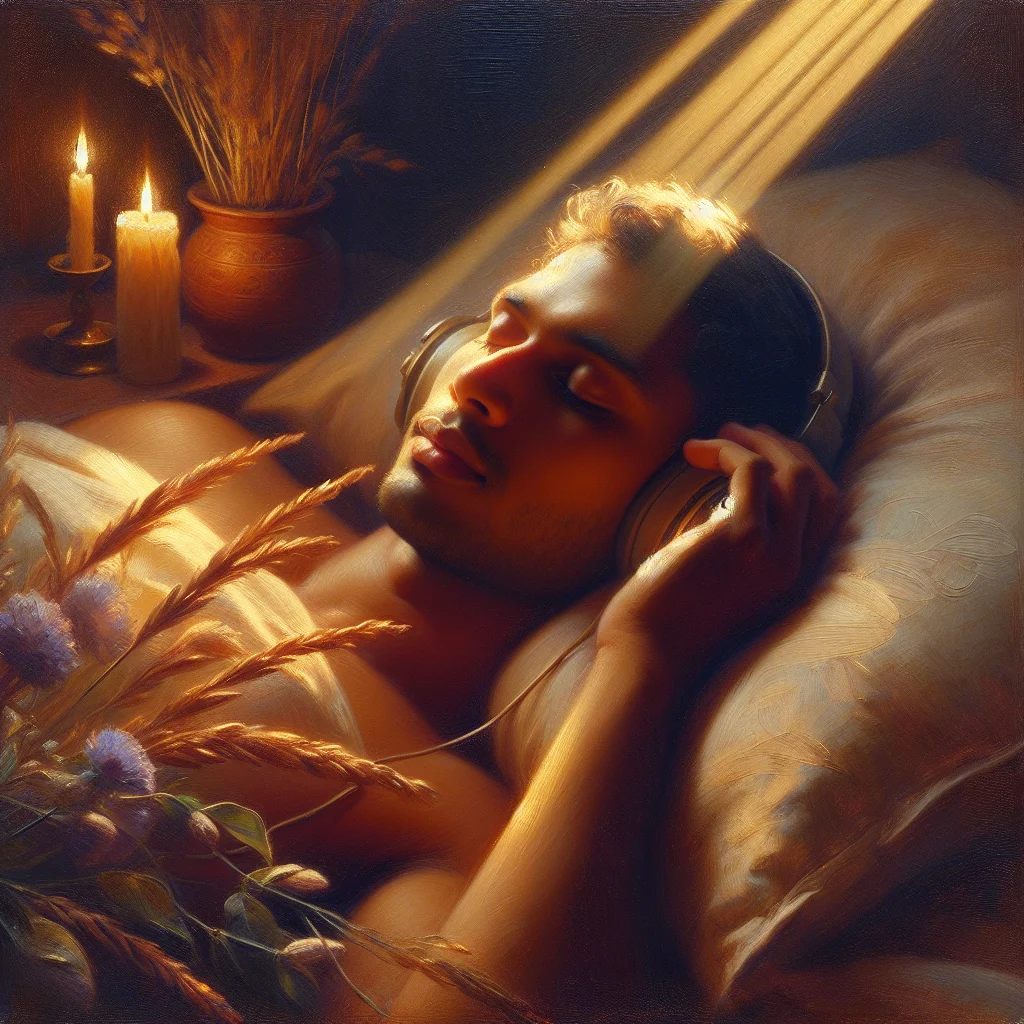
What Is Sound Healing Sleep Music?
Sound healing is an ancient practice that dates back thousands of years across various cultures worldwide. From Tibetan singing bowls to Aboriginal didgeridoos, civilizations have long recognized that certain sounds possess therapeutic properties. In modern times, this knowledge has evolved into a sophisticated understanding of how different frequencies interact with human physiology.
When we talk about sound healing sleep music specifically, we’re referring to carefully composed audio designed to influence brainwave patterns. Your brain operates at different frequencies throughout the day—beta waves when you’re alert and active, alpha waves during relaxation, and theta and delta waves during deep meditation and sleep.
The Science Behind Sound and Sleep
Research has shown that external auditory stimuli can effectively guide brainwave activity through a process called entrainment. When you listen to sounds at specific frequencies, your brain naturally synchronizes with those patterns. For example, delta waves (0.5-4 Hz) are associated with deep, dreamless sleep, while theta waves (4-8 Hz) correspond to the drowsy state between wakefulness and sleep.
According to studies on brainwave entrainment, consistent exposure to these frequencies can help train your brain to transition more smoothly into sleep states. Furthermore, sound healing music often incorporates binaural beats, isochronic tones, and other acoustic technologies that enhance this entrainment effect.
How Sound Healing Differs from Regular Music
While your favorite playlist might help you relax, sound healing compositions are specifically engineered for therapeutic purposes. Regular music often contains varying tempos, dynamic changes, and engaging melodies that can actually stimulate mental activity. In contrast, sound healing sleep music typically features:
- Consistent, slow tempos that mirror a resting heart rate
- Minimal melodic variation to prevent mental engagement
- Specific frequency ranges designed to promote relaxation
- Natural sounds like flowing water or gentle rain
- Absence of lyrics that might activate language processing centers
Types of Sound Healing Sleep Music
The world of sound healing offers diverse approaches, each with unique characteristics and benefits. Understanding these different types can help you find what resonates most effectively with your personal needs and preferences.
Binaural Beats for Deep Sleep
Binaural beats occur when two slightly different frequencies are played in each ear simultaneously. Your brain perceives a third tone—the mathematical difference between the two. For instance, if one ear receives a 200 Hz tone and the other 204 Hz, your brain perceives a 4 Hz beat, which falls within the delta wave range.
Many people find binaural beats particularly effective because they work directly with brainwave frequencies. However, you must use headphones for this technique to work properly, as each ear needs to receive a distinct frequency. This method has gained significant attention in mindfulness and meditation practices, where practitioners seek deep states of consciousness.
Solfeggio Frequencies
These ancient tones are believed to have specific healing properties. The most commonly used frequencies for sleep include:
- 396 Hz – Liberation from fear and guilt
- 528 Hz – Transformation and DNA repair
- 639 Hz – Connection and relationships
- 741 Hz – Awakening intuition
- 852 Hz – Spiritual order
While scientific research on Solfeggio frequencies remains limited, many practitioners report profound experiences when incorporating these tones into their sleep routines. The historical significance of these frequencies spans centuries, adding a spiritual dimension to their modern applications.
Nature Sounds and Ambient Compositions
Sometimes the most effective sleep music draws inspiration directly from nature. Ocean waves, rainfall, forest ambiance, and gentle streams create what audiologists call “pink noise”—a balanced frequency spectrum that masks disruptive sounds while promoting relaxation.
These natural soundscapes work particularly well because humans have evolved alongside these environmental sounds. Our ancestors slept to the rhythm of rain, wind, and flowing water, so our nervous systems recognize these sounds as safe and soothing. Additionally, many people find nature sounds less “intrusive” than structured musical compositions.
Singing Bowls and Gong Baths
Traditional instruments like Tibetan singing bowls, crystal bowls, and gongs produce rich, complex harmonics that create a full-body sensory experience. The vibrations from these instruments don’t just affect your ears—they resonate throughout your entire body, potentially influencing cellular function and energy flow.
Recordings of these instruments have become increasingly popular for home use, though they can’t fully replicate the physical vibrations of an in-person sound bath. Nevertheless, they offer a deeply meditative quality that many find conducive to sleep.
Benefits of Sound Healing Sleep Music
Beyond simply helping you fall asleep faster, regular use of sound healing sleep music offers numerous holistic benefits that extend into your waking life. These advantages touch on physical, mental, and emotional aspects of wellbeing.
Improved Sleep Quality and Duration
The primary benefit, of course, is better sleep. Studies have shown that people who listen to relaxing music before bed fall asleep faster, experience fewer nighttime awakenings, and report feeling more rested upon waking. Sound healing takes this a step further by targeting specific brainwave patterns associated with deep, restorative sleep phases.
Deep sleep is when your body performs critical maintenance functions—repairing tissues, consolidating memories, and regulating hormones. By enhancing your ability to reach and maintain these deeper sleep stages, sound healing sleep music supports overall health and vitality.
Reduced Stress and Anxiety
The calming nature of therapeutic sound compositions activates your parasympathetic nervous system—the “rest and digest” response that counteracts stress. This physiological shift lowers cortisol levels, reduces blood pressure, and slows heart rate, creating an internal environment conducive to sleep.
For those dealing with racing thoughts or anxiety at bedtime, sound healing provides something for the mind to focus on that doesn’t require active processing. It fills the mental space that worries would otherwise occupy. This aspect aligns beautifully with practices discussed in our Mental Health & Wellbeing resources.
Enhanced Meditation and Mindfulness Practice
Many people incorporate sound healing into their evening meditation or mindfulness routines. The combination of intentional breathing, body awareness, and therapeutic sound creates a powerful synergy that deepens relaxation and prepares both mind and body for sleep.
Because sound healing music helps quiet mental chatter, it serves as an excellent anchor for meditation practice—particularly for beginners who struggle with traditional silent meditation. The sounds provide a gentle focal point that makes it easier to maintain present-moment awareness.
Pain Management and Physical Relaxation
Interestingly, some research suggests that certain sound frequencies may help reduce perception of physical discomfort. While sound healing shouldn’t replace medical treatment for pain conditions, it can complement other therapies by promoting muscular relaxation and shifting attention away from pain signals.
The full-body relaxation induced by sound healing creates an environment where tension melts away. This is particularly beneficial for people who hold stress in their bodies through tight shoulders, clenched jaws, or other forms of muscular tension that interfere with comfortable sleep.
How to Use Sound Healing Sleep Music Effectively
Simply pressing play isn’t enough to maximize the benefits of sound healing sleep music. Like any wellness practice, intentional application and consistency yield the best results. Here’s how to create an effective sound healing sleep routine.
Creating Your Sleep Sanctuary
Your sleep environment significantly impacts how well sound healing works. Start by optimizing your bedroom for rest:
- Minimize visual distractions by dimming lights and removing electronic screens
- Maintain a cool temperature (around 65-68°F is ideal for most people)
- Reduce external noise by using sound-dampening curtains or white noise machines
- Create comfort with quality bedding and supportive pillows
When your physical environment supports relaxation, sound healing music can work more effectively. Think of it as creating a multisensory experience rather than relying solely on auditory input. This holistic approach connects with principles found in Holistic Living philosophies.
Timing and Duration
Most experts recommend starting your sound healing session about 30-45 minutes before your intended sleep time. This gives your nervous system adequate time to shift from waking consciousness into sleep-ready states. However, some people prefer to begin their session while already in bed, allowing the music to guide them directly into sleep.
As for duration, many sound healing recordings run between 60-90 minutes, though some extend for 8+ hours to play throughout the night. Experiment with different approaches to discover what works best for you. Some people need continuous sound to maintain sleep, while others only require music during the initial falling-asleep phase.
Choosing the Right Equipment
While you don’t need expensive equipment to benefit from sound healing, audio quality does matter. Consider these options:
- Headphones – Essential for binaural beats; choose comfortable ones designed for sleeping
- Speakers – Place them at an appropriate distance and height for even sound distribution
- Sound pillows – Built-in speakers in specially designed pillows offer comfort without earbuds
- Smart speakers – Convenient for voice-controlled playback
The volume should be low enough that you can hear the sounds clearly without strain, but not so loud that it becomes stimulating. Think “gentle background” rather than “concert venue.”
Building Consistency
Like any practice, sound healing sleep music works best when used consistently. Your brain and body will begin to associate these sounds with sleep, creating a conditioned response that enhances effectiveness over time. Try to maintain your routine even on weekends or when traveling.
If you’re new to this practice, give it at least two weeks before evaluating results. Some people notice immediate improvements, while others need more time for their nervous systems to adapt to this new sleep cue. Patience and consistency are key factors in successful implementation.

Common Challenges and Solutions
Despite its many benefits, some people encounter obstacles when first incorporating sound healing sleep music into their routines. Fortunately, most challenges have straightforward solutions.
Finding the Right Sound
Not everyone responds to the same types of sounds. What works beautifully for one person might feel irritating or ineffective to another. This is completely normal and reflects individual differences in auditory processing and personal preferences.
If your first choice of sound healing music doesn’t resonate with you, don’t give up on the practice entirely. Experiment with different styles—try nature sounds if binaural beats feel too “technical,” or explore crystal bowl recordings if traditional music feels too structured. The perfect sound for you exists; it may just take some exploration to discover it.
Dealing with an Overactive Mind
Some people find that even with relaxing music playing, their minds continue racing. If this happens to you, consider pairing your sound healing practice with other relaxation techniques like progressive muscle relaxation, deep breathing exercises, or body scanning.
You might also benefit from addressing underlying anxiety or stress through broader lifestyle changes. The guide The Self-Love Reset: A Journey to Rediscover Yourself offers valuable insights into managing stress and building emotional resilience that supports better sleep.
Dependence Concerns
A common question is whether using sound healing music will create dependency—will you be unable to sleep without it? While your brain may come to associate these sounds with sleep (which is actually helpful), this isn’t true dependency in the problematic sense.
Think of sound healing music as a tool in your sleep hygiene toolkit. Having multiple tools—including sound, routine, environment optimization, and stress management—creates flexibility. You can occasionally skip the music without losing all ability to sleep, though you may find sleep comes more easily when you use it.
Integrating Sound Healing into a Holistic Wellness Approach
Sound healing sleep music works most powerfully when integrated into a comprehensive approach to wellbeing. Rather than viewing it as a standalone solution, consider how it complements other healthy practices.
Combining with Meditation and Mindfulness
As mentioned earlier, sound healing pairs beautifully with meditation and spiritual practices. Many practitioners use sound healing during evening meditation sessions, then continue playing the music as they transition into sleep. This creates a seamless flow from waking consciousness through meditation into restful sleep.
You might also explore visualization practices alongside sound healing. The combination of therapeutic sound and positive imagery can be particularly powerful for both stress reduction and manifestation work, as discussed in resources about Visualization & Manifestation.
Supporting Physical Health
Quality sleep affects virtually every aspect of physical health, from immune function to weight management. By improving your sleep through sound healing, you’re supporting your body’s natural healing and regulatory processes. However, remember that sleep is just one component of physical wellness.
Continue prioritizing other health fundamentals like nutrition, exercise, hydration, and stress management. For example, maintaining emotional balance through proper nutrition creates a foundation that allows sleep practices to work more effectively.
Embracing Slow Living Principles
Sound healing sleep music aligns beautifully with slow living—the intentional practice of slowing down and savoring life rather than rushing through it. Taking time each evening for a sound healing ritual is an act of self-care that reinforces your commitment to wellbeing over productivity.
This philosophy extends beyond sleep practices into all areas of life. Resources like Misiyo Slow Living: Gentle Path to an Intentional Life offer inspiration for creating a more balanced, mindful lifestyle that naturally supports better sleep and overall wellness.
Science-Backed Recommendations and Best Practices
While individual experiences with sound healing vary, research has identified several best practices that maximize effectiveness for most people. Incorporating these evidence-based recommendations can help you get the most from your practice.
Frequency Ranges for Sleep
According to sleep research, the most effective frequencies for promoting sleep fall within specific ranges:
- Delta waves (0.5-4 Hz) – Deep, dreamless sleep
- Theta waves (4-8 Hz) – Light sleep and dream states
- Low alpha waves (8-10 Hz) – Relaxed wakefulness transitioning to sleep
Look for sound healing compositions that specifically target these ranges. Many quality recordings will indicate the primary frequencies used, making it easier to choose appropriate options for sleep.
Volume and Audio Quality
Studies indicate that volume levels around 50-60 decibels—roughly equivalent to light rainfall or quiet conversation—are optimal for sleep. This provides enough sound to mask disruptions without becoming stimulating itself. Avoid playing music too loudly, as this can actually interfere with your ability to enter deep sleep stages.
Audio quality matters more than you might think. High-quality recordings preserve the subtle harmonics and frequencies that make sound healing effective. When possible, choose lossless audio formats rather than heavily compressed files that lose therapeutic frequency information.
Consistency and Ritual
Research on sleep hygiene consistently emphasizes the importance of regular routines. Your circadian rhythm—your body’s internal clock—thrives on predictability. By listening to sound healing sleep music at the same time each evening, you strengthen the neural pathways that associate these sounds with sleep.
Create a ritual around your practice. This might include dimming lights, changing into comfortable sleepwear, perhaps engaging in gentle stretching or journaling, and then settling in with your chosen sound healing music. These consistent cues signal to your body and mind that sleep time is approaching.
Resources and Where to Find Quality Sound Healing Sleep Music
With growing interest in alternative wellness practices, numerous platforms now offer sound healing content. However, quality varies significantly, so knowing where to find legitimate, effective recordings is important.
Streaming Platforms and Apps
Several dedicated apps specialize in sound healing and sleep music, offering features like customizable soundscapes, timers, and tracking capabilities. Popular options include Insight Timer, Calm, Headspace, and specialized sound healing apps like Sound Oasis and Pzizz.
General music streaming services like Spotify, Apple Music, and YouTube also host extensive collections of sound healing sleep music. Search for terms like “binaural beats for sleep,” “delta wave sleep music,” or “sound healing meditation” to find suitable playlists and albums.
Evaluating Quality
When selecting sound healing music, consider these quality indicators:
- Professional production – Clean audio without distortions or unintended artifacts
- Accurate frequency information – Legitimate recordings specify the frequencies used
- Positive reviews – Other users’ experiences can guide your choices
- Length – Recordings should be long enough to support your entire sleep cycle
- Creator credentials – Look for content created by sound healing practitioners or music therapists
Live Sound Healing Experiences
While recorded music offers convenience, nothing quite compares to experiencing live sound healing. If possible, attend a local sound bath or gong meditation session. These events allow you to feel the physical vibrations of the instruments, creating a multisensory experience that recordings can’t fully replicate.
Many practitioners also offer virtual sound healing sessions via video platforms, providing a middle ground between recorded music and in-person experiences. These sessions often include guided meditation components that enhance the therapeutic effects.
Final Thoughts on Sound Healing Sleep Music
The journey toward better sleep is deeply personal, and sound healing offers a gentle, natural approach that respects your body’s innate wisdom. Unlike pharmaceutical solutions that force sleep, therapeutic sound works *with* your natural rhythms, supporting rather than overriding your body’s processes.
As you explore this practice, remember that patience and experimentation are essential. What works magnificently for someone else might not resonate with you, and that’s perfectly okay. The diversity of sound healing approaches means there’s almost certainly a style that will support your unique needs—you just need to discover it.
Beyond improved sleep, many people find that regular sound healing practice opens doors to deeper self-awareness, stress resilience, and spiritual connection. The time you spend each evening engaged with therapeutic sound becomes a sacred ritual—a daily commitment to your wellbeing that ripples out into all areas of life.
If you’re ready to take your personal growth journey further and establish practices that support not just better sleep but overall life transformation, explore Manifest Your Dreams: A Practical Guide to the Law of Attraction. This resource complements sound healing beautifully by helping you align your conscious intentions with your subconscious mind.
Sweet dreams, and may your nights be filled with the healing power of therapeutic sound. Remember that every small step toward better sleep is a victory worth celebrating, and each night offers a fresh opportunity to nurture yourself with this ancient yet scientifically-supported practice.

