
Understanding the Parts of Self: A Journey Inward
When we ask the question, “What are the parts of self?”, we’re not just diving into psychology—we’re embarking on a deeply personal exploration. The self is a multi-dimensional mosaic, composed of intricate layers that shape our thoughts, decisions, and relationships. Whether you’re on a journey of healing, spiritual growth, or self-improvement, understanding these parts is essential. It helps us recognize our patterns, offer compassion to ourselves, and ultimately live with greater intention.
To explore this concept on a deeper level, check out The Self-Love Reset: A Journey to Rediscover Yourself. This transformational guide will help you connect with each aspect of your being.
Why Understanding the Self Matters
The layers of self extend far beyond personality traits and emotions. Our identities are shaped by unconscious beliefs, social experiences, childhood experiences, and even spiritual dimensions. By unpacking the different parts of self, we gain tools for empowerment and healing. This perspective supports emotional awareness, better relationships, and stronger alignment with our true purpose.
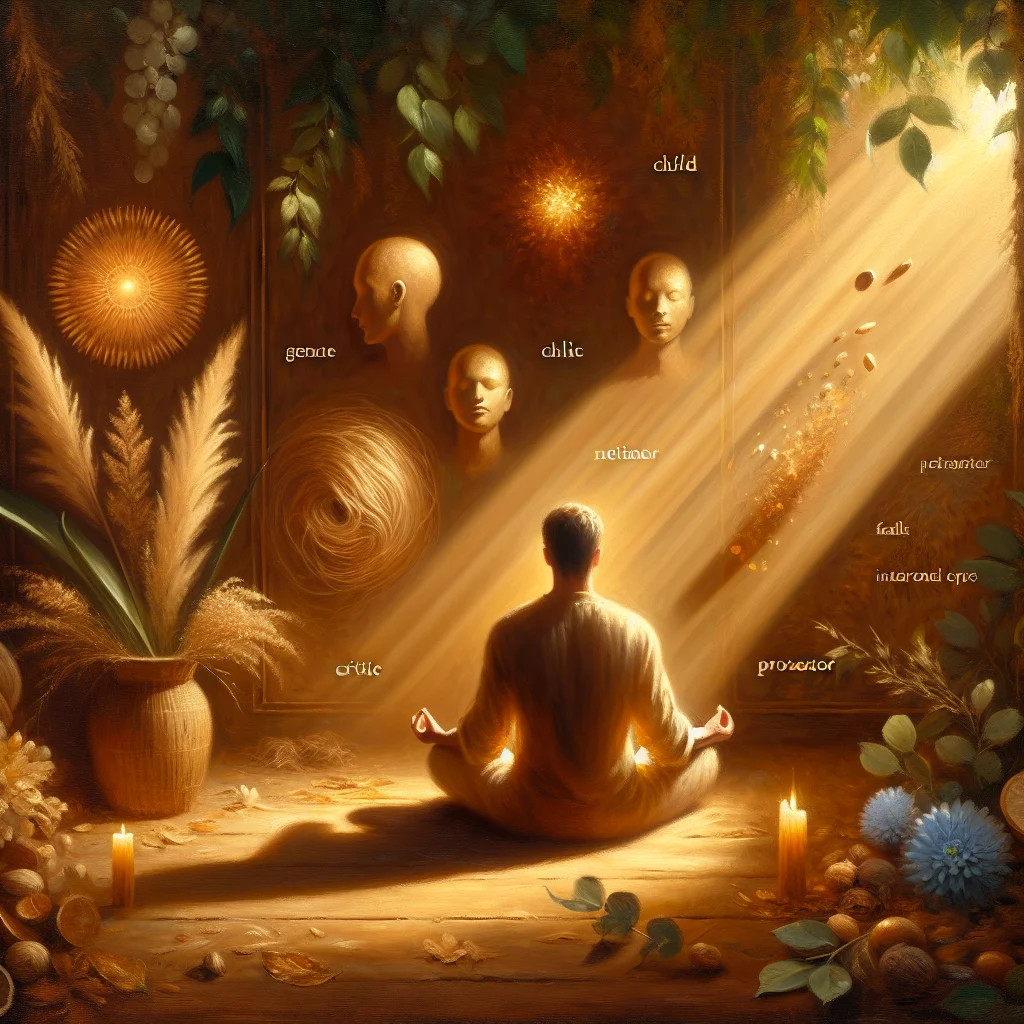
According to psychological models—especially Internal Family Systems (IFS)—we’re not a single unified identity. Instead, we’re made up of sub-personalities, or ‘parts,’ each with its own goals, fears, and desires. These internal parts can either help or hinder us, depending on how aware we are of their presence.
The Core Parts of Self
1. The Inner Child
The Inner Child is often the source of our joy, creativity, and spontaneous expression. However, this part also carries the wounds from childhood—feelings of abandonment, fear, and shame. When we ignore or suppress this part, we often experience emotional reactivity or insecurity in adulthood.
Healing the Inner Child involves revisiting those formative moments with compassion. Practices like inner child meditation, journaling, or even creative play can facilitate this vital connection.
2. The Inner Critic
This part functions as the internal voice of judgment. It often develops as a protective mechanism in our early years, echoing adult authority figures or societal expectations. While its purpose is typically to keep us safe from failure or rejection, the Inner Critic can become overly harsh and paralyzing.
Working with the Inner Critic requires shifting our relationship with it. Acknowledging this part’s intent while introducing self-compassion creates space for healthier motivation and self-talk.
3. The Protector
The Protector stands guard, ensuring that vulnerable parts (like the Inner Child) don’t get too exposed. While seemingly helpful, this part may manifest in ways that sabotage growth—through perfectionism, avoidance, or emotional numbing.
Recognizing the Protector allows us to understand our defense mechanisms. Instead of viewing them as flaws, we begin to see protection as a strategy developed out of perceived necessity.
4. The Exile
In IFS language, Exiles are the burdensome emotional parts we push away to avoid pain. They often embody core traumas, grief, or deep insecurities. Because they’re painful, we compartmentalize them—often unconsciously. However, unhealed Exiles can disrupt our lives through anxiety, depression, or addictive behaviors.
Bringing compassion and presence to these wounded parts opens the door for deep emotional healing. Practices like inner dialogue or guided therapy sessions are beneficial here.
5. The Self (with a capital “S”)
This is the grounded, wise, compassionate center of who you truly are. In IFS, this is considered the “true” Self—calm, curious, confident, and connected. When this core Self leads, the other parts fall into healthy roles rather than chaos or conflict.
Accessing this true Self often involves mindfulness practices, reflection, and moments of clarity when we feel grounded and present. It’s where inner peace and authenticity dwell.
Spiritual and Energetic Layers of Self
From a more holistic or spiritual perspective, the question “what are the parts of self” might include energetic bodies such as the emotional body, mental body, and higher self or soul.
- Emotional Body: Energetic imprint of feelings that affect how we respond to life.
- Mental Body: Our thoughts, beliefs, and mental filters through which we perceive the world.
- Higher Self or Soul: Our eternal, divinely connected aspect offering wisdom and purpose.
Integrating these layers deepens our understanding of the self and brings a profound spiritual dimension to personal growth. Consider exploring more under the Spirituality & Inner Work category.
How to Begin Integrating Your Parts
Awareness is the starting point. Try these steps to begin exploring and integrating the parts of self within you:
- Practice Mindful Observation: Notice inner thoughts and feelings as they arise. Ask, “Who is speaking here?”
- Journal with Curiosity: Use prompts like, “Which part of me needs attention today?”
- Meditate Daily: Make space for the Self to lead. Try guided meditations that focus on inner harmony.
- Seek Support: A coach or therapist trained in Internal Family Systems can guide you through the process.
Books, conscious journaling, and regular check-ins with yourself can lead to remarkable insights. For practical support, we recommend exploring Everyday Calm: A Beginner’s Guide to Daily Meditation.

Exploring Related Concepts
Understanding yourself more deeply naturally leads into other self-care and self-love practices. If you’re interested in building a healthier relationship with yourself, you might also enjoy these related reads:
For more holistic growth tools and thought-provoking reads, explore the resources in Personal Growth and Mental Health & Wellbeing.
Final Thoughts: Reclaiming Wholeness
To answer “what are the parts of self?” is to seek wholeness. It’s not about fixing yourself—it’s about befriending the parts you’ve ignored, misunderstood, or rejected. Each part, no matter how messy or frightened, has a message and a purpose. When you listen, honor, and integrate them, you come home to yourself—perhaps for the first time.
Reconnecting with the Self brings clarity, peace, and empowerment. It’s a lifelong journey, but one well worth the walk.
Ready to begin your path of self-discovery and inner peace? Don’t miss your chance to transform your life with the powerful workbook Manifest Your Dreams: A Practical Guide to the Law of Attraction.

