
Exploring the Question: When Did Jesus Meditate?
For centuries, Christians and seekers alike have pondered the deeper aspects of Jesus’s spiritual life. One question that has grown in popularity is: when did Jesus meditate? Though the Bible doesn’t spell out a daily mindfulness routine the way modern apps do, it’s clear from scripture and historical context that Jesus engaged in deep spiritual practices—many of which closely resemble meditation as we know it today.
If you’re just beginning your own contemplative journey, finding structure can help. Check out our Everyday Calm: A Beginner’s Guide to Daily Meditation to get started in a peaceful, practical way.
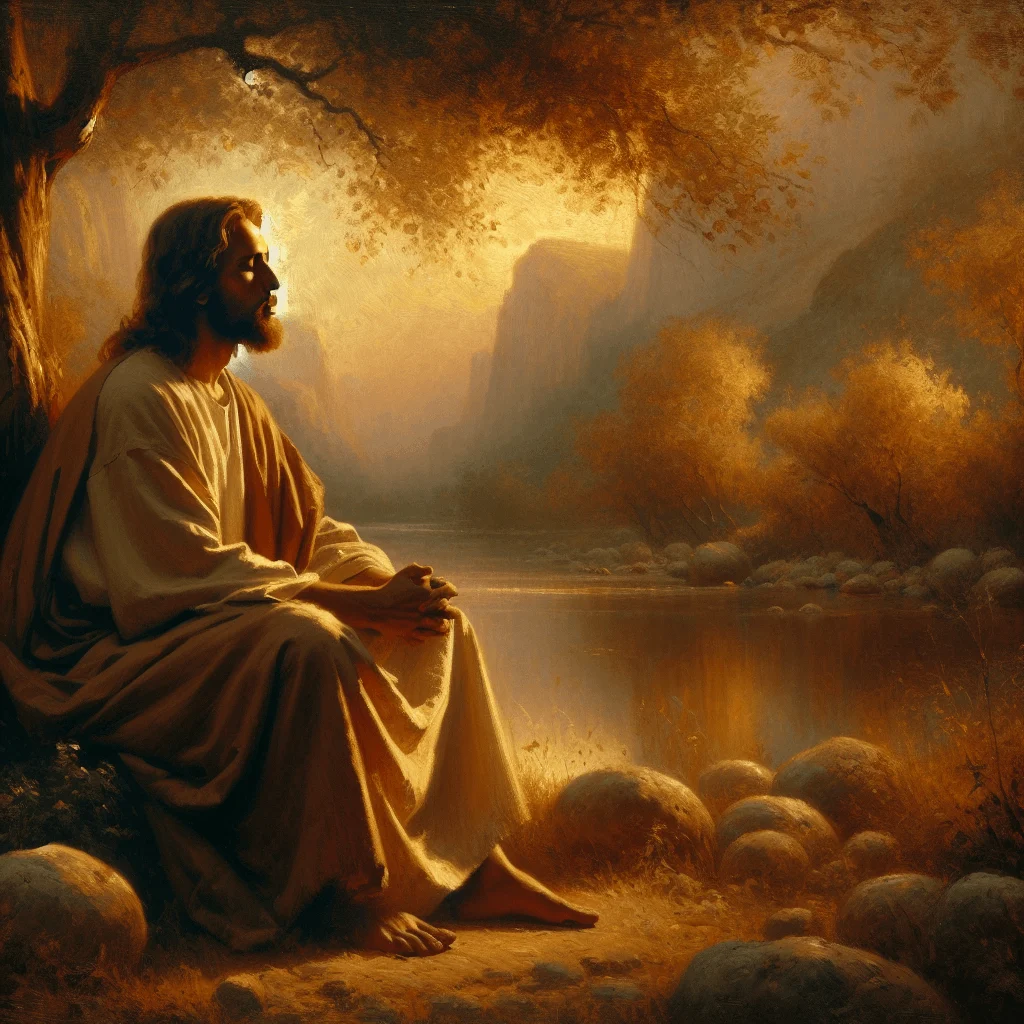
Understanding Meditation in Biblical Times
Before diving into the life of Jesus, it helps to understand what “meditation” meant during His era. In biblical Hebrew, the word translated as “meditate” is hāgâ, meaning to muse or ponder—a practice deeply tied to prayer and scriptural reflection (Wikipedia). Meditation wasn’t the cross-legged, incense-burning stereotype; rather, it was a deeply personal communion with God.
This aligns with how many ancient Jewish figures practiced quiet contemplation and prayerful reflection. The Psalms are full of references to meditation, such as Psalm 1:2: “But his delight is in the law of the Lord, and on his law he meditates day and night.”
Moments of Solitude: Jesus’s Time in Prayer and Contemplation
Desert Reflections: Forty Days of Fasting and Silence
Perhaps the clearest example of Jesus engaging in meditative practice comes from the early days of His ministry. Before preaching or assembling disciples, Jesus ventured into the wilderness. As described in Matthew 4:1-11, He spent forty days fasting and in isolated prayer. While the Bible frames this as a time of temptation, it was also a profound period of silence and reflection—hallmarks of deep meditation.
While He was tempted, He did not react with haste or anger. Instead, He answered calmly with scripture. This suggests an inner stillness and awareness common in meditation practices today.
Early Morning Silence
Mark 1:35 gives us another clue: “Very early in the morning, while it was still dark, Jesus got up, left the house and went off to a solitary place, where he prayed.” This type of consistent early-morning prayer practice mirrors what many call a “morning mindfulness ritual.” It reflects conscious separation from noise to focus inward and connect with divinity.
In addition, Luke 5:16 reveals that “Jesus often withdrew to lonely places and prayed.” This frequency suggests this wasn’t an occasional escape—it was a regular rhythm of His life.
The Garden of Gethsemane: Contemplation Under Pressure
As He faced His crucifixion, Jesus turned to quiet reflection in the Garden of Gethsemane (Mark 14:32-42). His intense, emotionally charged prayer shows a deep inner dialogue—a moment of mindfulness, though full of anguish. This scene reflects a spiritual practice that, though heavy, still centers on presence, acceptance, and surrender—qualities also cultivated in meditation.
Was Jesus’s Prayer a Form of Meditation?
While meditation today is often associated with Eastern religions or secular mental wellness, its essence—stillness, presence, and inward focus—has always had a place in Christian tradition. For Jesus, prayer wasn’t just request-driven communication, but meditative communion.
In Luke 6:12 we read, “One of those days Jesus went out to a mountainside to pray and spent the night praying to God.” Praying all night in isolation calls for incredible focus and discipline—hallmarks of advanced meditation.
Much like you’ll find in Practical Ways to Meditate on God’s Word, Jesus’s approach shows prayer as a way to calm the soul, detach from worldly distractions, and anchor oneself in spiritual truth.
Christian Meditation: Learning from Jesus’s Practices
If we accept that Jesus meditated in the form of solitary, contemplative prayer, then His life serves as a powerful model for aspiring Christian meditators. He showed us the virtue of stillness and the strength found in reflection.
For Christians unsure how meditation fits into their faith, resources such as Is Meditation Good for Christians? and Is Meditation Wrong for a Christian? explore the nuances deeply.
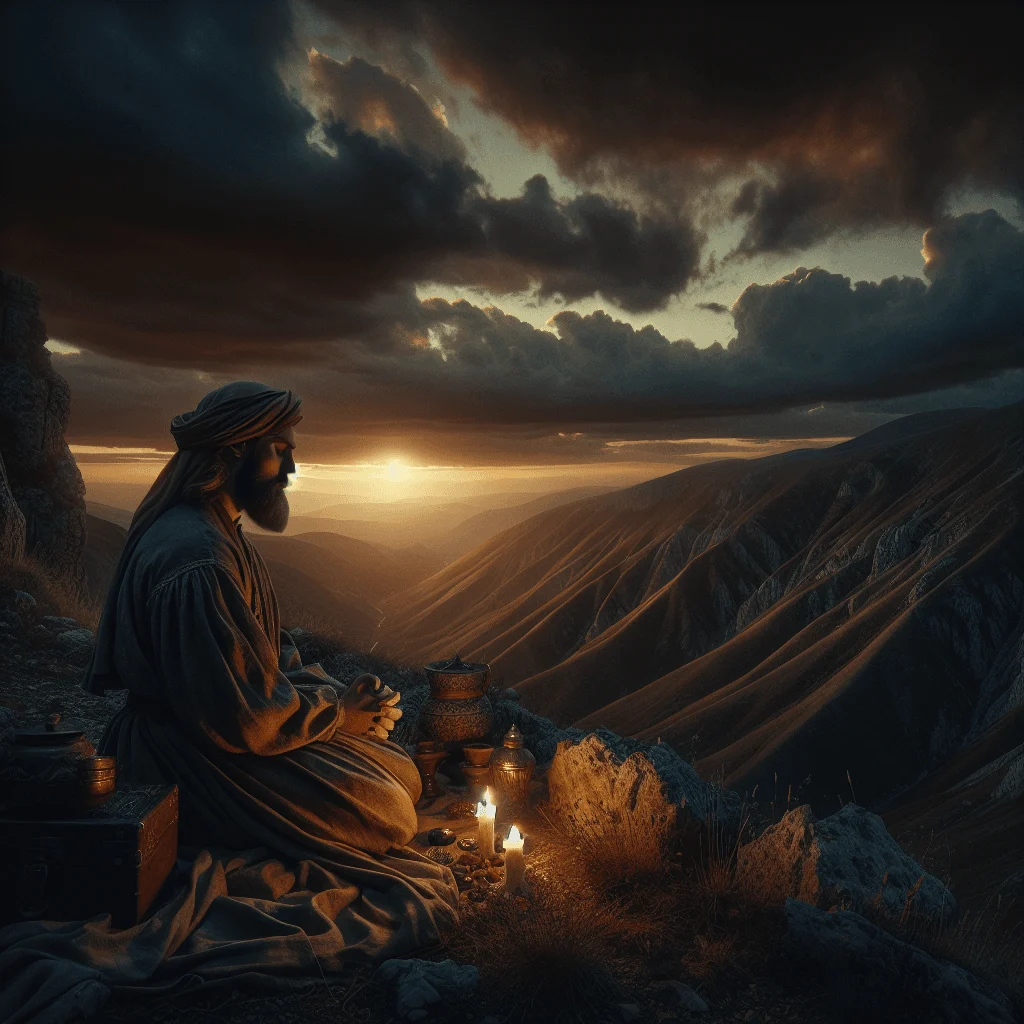
Applying Jesus’s Meditation Model Today
So how can you integrate the meditative practices of Jesus into your contemporary life?
1. Find Solitary Time Each Day
Whether it’s five minutes or a half-hour, stepping away from the noise of everyday life to pray or reflect in silence is profoundly centering. Emulate Jesus by waking early or taking an evening break for quiet connection.
2. Use Scripture as a Focus
Instead of emptying the mind, consider filling it with a verse or passage—just like Jesus responded to temptation with words from the Torah. This method blends meditation with biblical grounding.
3. Embrace Stillness in Stress
In the garden of Gethsemane, Jesus showed that silence doesn’t mean indifference. It’s about surrendering anxiety through prayerful awareness. Mindfulness allows us to be grounded in God through both peace and pain.
4. Create a Longer Retreat Regularly
Jesus took entire nights off for prayer. While it’s not always doable, making space—even quarterly—for longer meditation and silence helps restore spiritual vitality.
Looking to deepen your connection to spiritual stillness? Discover the guided workbook Manifest Your Dreams: A Practical Guide to the Law of Attraction for practical spiritual development tips.
Final Thoughts: Did Jesus Truly Meditate?
While the term “meditation” may not have existed in its modern English form during Jesus’s lifetime, the spiritual act was very much alive. Through scripture and solitude, Jesus connected with God in ways we’d now describe as deeply meditative. For the modern seeker, His example invites us to carve out time, embrace silence, and center ourselves—not just for peace, but for clarity and spiritual renewal.
Spiritual stillness isn’t new; it’s timeless. And Jesus—a model of divine-human connection—may have been one of its greatest practitioners.

