
Understanding the Best Hz for Meditation: Why Frequency Matters
Have you ever wondered why certain sounds or music tracks feel more calming during meditation than others? The secret often lies in their frequency, measured in Hertz (Hz). Whether you’re a beginner or a seasoned meditator, tuning into the right frequency can significantly deepen your practice. So, what is the best Hz for meditation? The answer can vary depending on your goals—relaxation, focus, or spiritual connection—but there are specific frequencies known for their profound effects.
If you’re just getting started and want a step-by-step introduction to building your meditation routine, don’t miss our guide: Everyday Calm: A Beginner’s Guide to Daily Meditation. It’s the perfect companion to enhance your frequency-based practice.
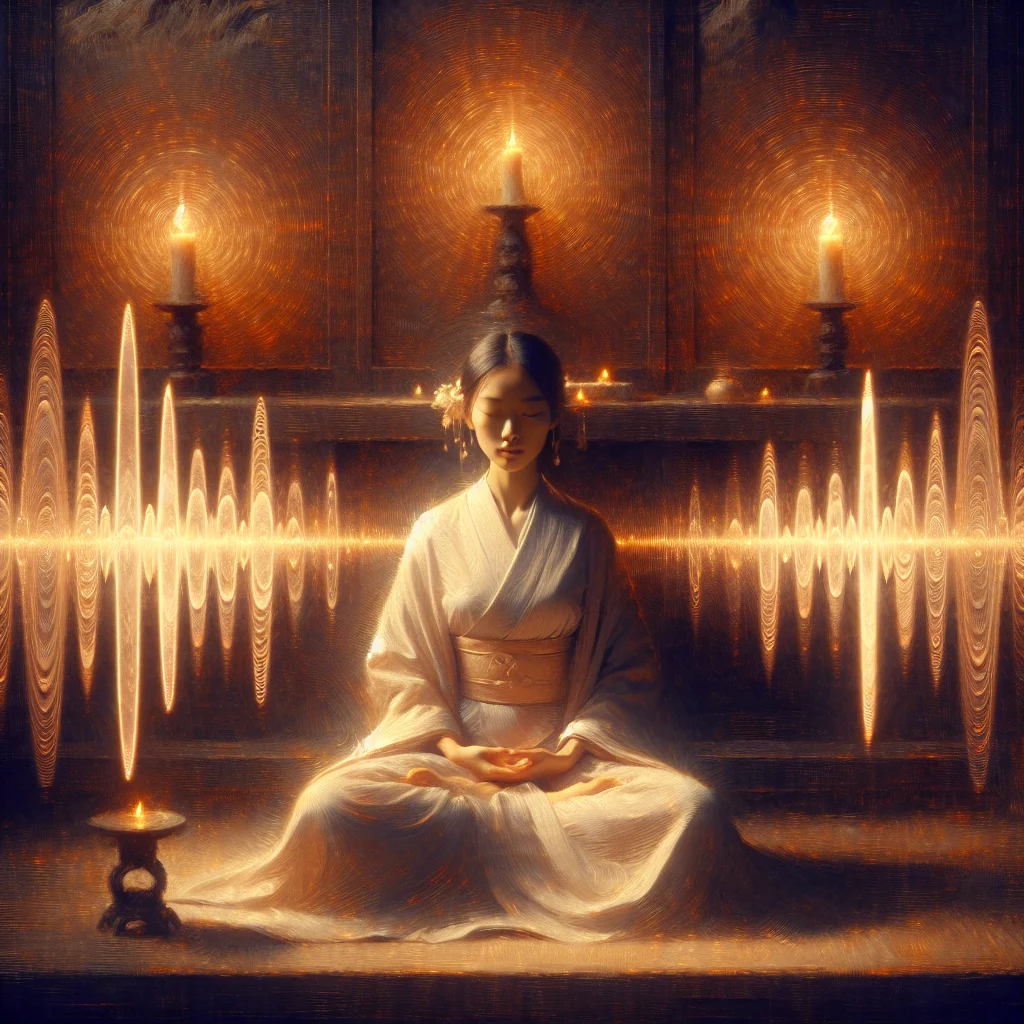
What Are Brainwave Frequencies?
Our brain operates using electrical signals, and these signals can be categorized into five major brainwave frequency ranges:
- Delta waves (0.5 – 4 Hz): Deep sleep, healing, unconsciousness
- Theta waves (4 – 8 Hz): Meditation, intuition, memory access
- Alpha waves (8 – 14 Hz): Relaxed alertness, creativity, presence
- Beta waves (14 – 30 Hz): Active thinking, focus, problem-solving
- Gamma waves (30 – 100 Hz): High-level cognition, learning, memory
During meditation, our brain commonly shifts into theta and alpha states, which are known to enhance relaxation and deepen emotional insight. That’s why selecting audio tracks tuned to these frequencies can support a more immersive experience.
What Hz Is Best for Meditation?
1. 432 Hz — The “Natural Tuning”
Many spiritual traditions and sound healers swear by 432 Hz, often called the “frequency of the universe.” Music tuned to this frequency is said to align us with the natural vibration of the Earth, promoting inner harmony and peace. Though not scientifically proven, listeners often describe music tuned to 432 Hz as more natural and soothing.
2. 528 Hz — The “Miracle Tone”
Known as the “Love Frequency” and part of the Solfeggio scale, 528 Hz is believed to repair DNA, promote peace, and activate transformation. This frequency is excellent for emotional healing, deep meditation, and inner recalibration. If emotional calm or manifestation is your goal, 528 Hz can be a helpful ally.
3. 741 Hz — For Consciousness and Awareness
This frequency is known for cleansing the body of toxins and promoting self-expression and intuition. It’s ideal if you’re working with chakra alignments or seeking mental clarity during meditation.
4. 963 Hz — Awakening Intuition and Spirituality
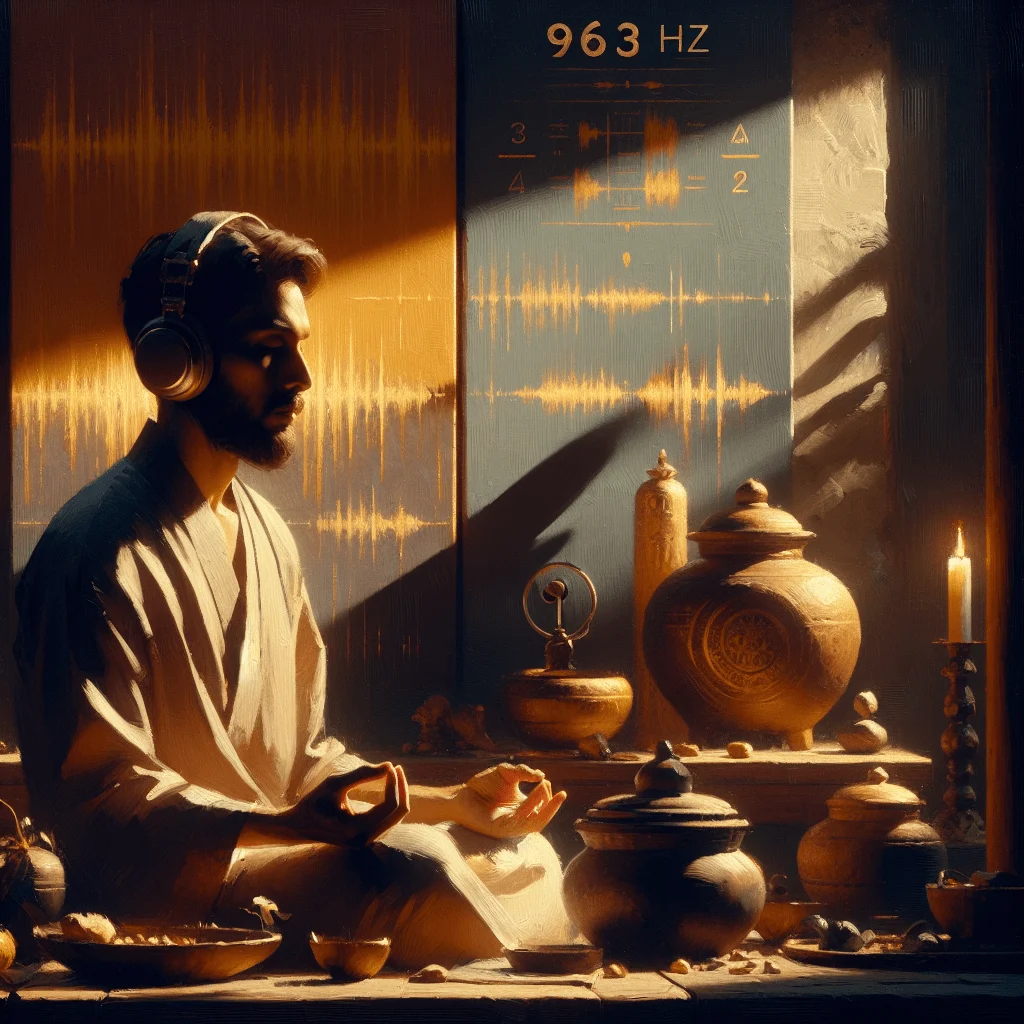
Higher-frequency meditation seekers often gravitate toward 963 Hz. This sound is said to activate the pineal gland or “third eye,” enhancing one’s spiritual connection and fostering a sense of unity with the universe. It’s an excellent tool for those exploring spiritual meditation and prayer practices.
How Different Frequencies Affect Meditation Goals
Let’s break it down depending on what you’re seeking in your meditation:
- Relaxation and stress relief: 432 Hz, 528 Hz, theta range (4–8 Hz)
- Deep sleep or lucid dreaming: Delta waves (0.5–4 Hz)
- Emotional healing and self-love: 528 Hz and alpha range (8–14 Hz)
- Spiritual awakening or higher consciousness: 963 Hz and gamma waves
Choosing the right frequency allows you to tailor each meditation session to your goals. It’s like selecting the right tool for a specific job—only here, the tool is sound.
Sound Therapy Tools: Binaural Beats and Solfeggio Frequencies
To benefit from meditation frequencies, you don’t always need high-tech equipment. Binaural beats and Solfeggio frequency music are widely accessible tools that use sound to influence brainwaves.
Binaural Beats
Binaural beats work by playing slightly different frequencies in each ear—your brain splits the difference and locks into the frequency gap as a beat. For example, if one ear receives 210 Hz and the other 220 Hz, your brain perceives a beat of 10 Hz (which falls in the alpha range). This technique is especially useful for beginners as it gently nudges the brain into desired states.
Solfeggio Frequencies
The Solfeggio scale comprises specific tones that have been used in sacred music traditions. 396 Hz, 417 Hz, 528 Hz, 639 Hz, 741 Hz, 852 Hz, and 963 Hz are all part of this ancient scale. You can easily find tracks online or in meditation apps that use these specific notes for their energetic and emotional effects.
Creating a Meditation Routine Based on Frequency
It’s one thing to learn about sound frequencies—but integrating them into your daily meditation routine brings it to life. Whether you meditate in the morning for clarity or in the evening to unwind, matching your music to your mood or intention enhances its effect. If you’re looking for structure on how to start, check out our popular article: Mindfulness Meditation for Beginners (PDF).
Don’t forget that the setup matters too. For best results, use quality headphones to fully experience binaural beats. Choose a distraction-free environment, select a frequency-based soundtrack, and set a clear intention for your session. Bonus tip: Try combining your listening practice with grounding poses (read more in our post: Different Hand Positions for Meditation).
Final Thoughts: Finding Your Best Meditation Frequency
There’s no single best Hz for meditation that fits everyone. However, some frequencies—like 432 Hz, 528 Hz, and 963 Hz—have gained popularity for a reason. Try different frequencies and observe how your body and mind respond. Over time, you’ll develop a personalized playlist that enhances your journey inward.
Ultimately, sound frequency is a powerful enhancer, not a magic bullet. It complements your intention and practice, helping you go deeper and feel more grounded. As your awareness grows, so too will your ability to fine-tune the environment—and vibration—that supports your peace.
If you want more help aligning sound frequency with your personal dreams and goals, don’t miss our inspiring guide: Manifest Your Dreams: A Practical Guide to the Law of Attraction.

