
When we think about slow living in Latin, we’re not just exploring a linguistic curiosity—we’re diving into an ancient philosophy that has remarkable relevance for our hectic modern lives. The concept of intentional, mindful living wasn’t invented yesterday; rather, it has deep roots in classical wisdom that stretches back thousands of years.
Latin phrases and Roman philosophy offer us timeless insights into living more deliberately. In fact, the ancient Romans understood balance, contemplation, and the value of savoring life’s moments in ways that feel surprisingly contemporary. As we rush through our days, perhaps these time-tested concepts can guide us toward a more peaceful existence.
The Latin language itself encourages precision and thoughtfulness—qualities that align perfectly with the slow living movement. By exploring how ancient Romans approached daily life, we can discover practical wisdom that translates beautifully into our 21st-century challenges.
If you’re beginning your journey toward a more intentional lifestyle, consider starting with meditation practices. Everyday Calm: A Beginner’s Guide to Daily Meditation offers practical techniques to help you slow down and find your center amidst life’s chaos.
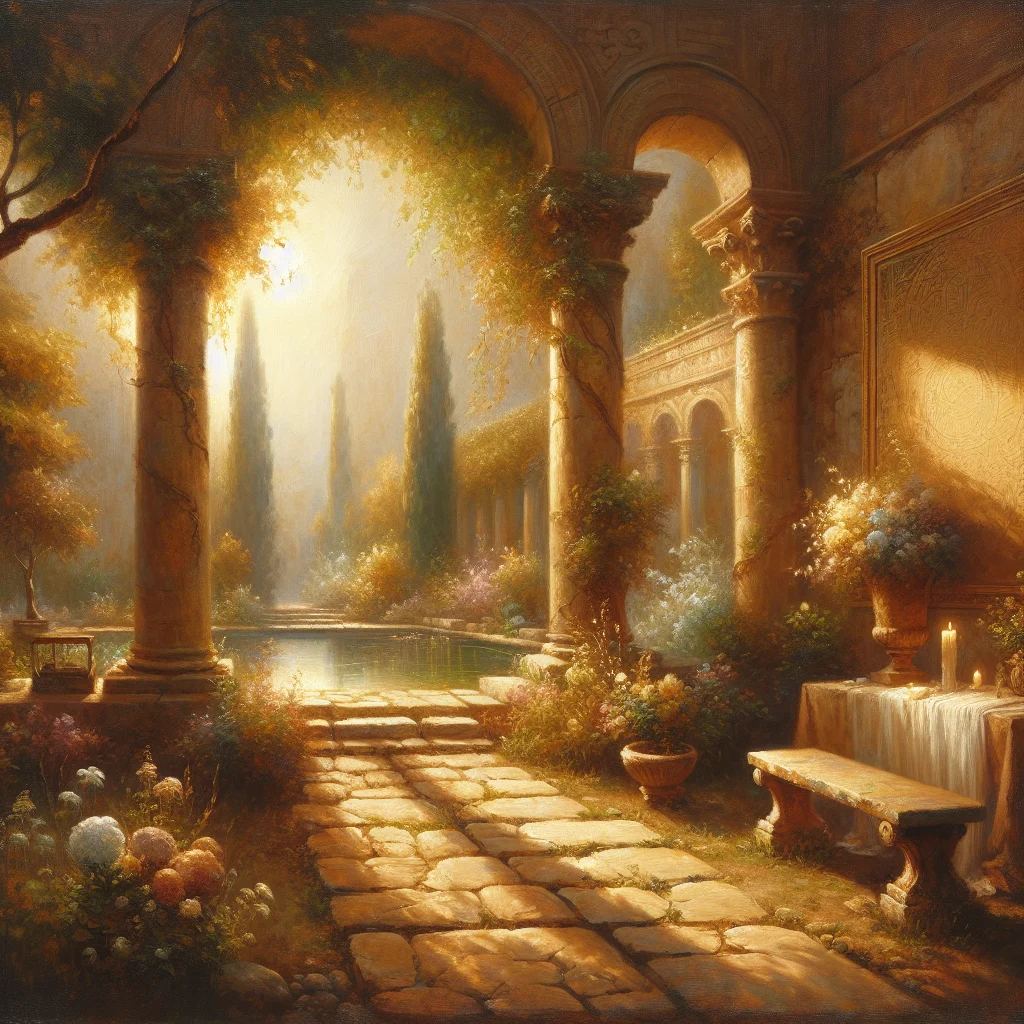
Understanding Slow Living Through Latin Expressions
The Latin language offers numerous phrases that capture the essence of intentional living. These expressions weren’t merely words—they represented entire philosophies about how to approach existence with wisdom and grace.
Festina Lente: The Paradox of Mindful Haste
Festina lente translates to “make haste slowly,” and this seemingly contradictory phrase perfectly embodies the slow living philosophy. Emperor Augustus adopted this as his personal motto, recognizing that true efficiency comes from thoughtful action rather than frantic rushing.
This concept reminds us that speed and effectiveness aren’t synonymous. Instead, we can accomplish more by moving through tasks with focused attention and deliberate care. The ancient Romans understood what modern productivity research confirms: multitasking and rushing often lead to mistakes and stress.
Moreover, festina lente suggests that urgency and mindfulness can coexist. We don’t need to abandon our goals or ambitions to embrace slow living vibes. Rather, we approach them with greater intentionality and presence.
Carpe Diem: Seizing the Present Moment
Perhaps the most famous Latin phrase related to mindful living is carpe diem—”seize the day.” While popular culture often interprets this as license for impulsive behavior, the poet Horace meant something far more nuanced.
In its original context, carpe diem encourages us to focus on the present moment rather than worrying excessively about the future. This aligns beautifully with mindfulness and meditation practices that emphasize present-moment awareness.
The phrase doesn’t advocate for recklessness. Instead, it suggests we should fully engage with our current experience, savoring life’s beauty while we can. This perspective helps us resist the modern tendency to constantly defer happiness until some future achievement.
Otium: The Sacred Art of Purposeful Leisure
The Latin concept of otium represents something our contemporary culture desperately needs. Unlike mere idleness or laziness, otium referred to leisure time devoted to personal enrichment, contemplation, and cultural pursuits.
Ancient Romans distinguished between otium (productive leisure) and negotium (business or work). They recognized that humans need time for reflection, creative pursuits, and intellectual growth. This isn’t what people worry about when they ask is slow living lazy—it’s intentional rejuvenation.
Cicero and other Roman philosophers wrote extensively about the importance of otium. They understood that true civilization depends on individuals having time to think, create, and cultivate wisdom. In our always-on culture, reclaiming this sacred space becomes revolutionary.
Roman Philosophy and the Art of Slow Living
Beyond individual phrases, Roman philosophical schools offered comprehensive approaches to living well. These ancient systems of thought provide frameworks that remain remarkably applicable to modern life challenges.
Stoicism: Finding Peace Through Acceptance
Stoic philosophy, developed by thinkers like Marcus Aurelius, Seneca, and Epictetus, emphasizes focusing on what we can control while accepting what we cannot. This approach reduces anxiety and helps us channel our energy more effectively.
The Stoics practiced daily reflection, gratitude, and mindfulness—techniques that modern psychology validates. Marcus Aurelius, despite being emperor of Rome, wrote in his Meditations about the importance of starting each day with intention and ending it with thoughtful review.
Furthermore, Stoicism teaches us to find contentment in simplicity rather than external validation. This aligns perfectly with slow living principles that prioritize internal peace over material accumulation. According to Wikipedia’s overview of Stoicism, these ancient practices have experienced a modern revival precisely because they address timeless human concerns.
Epicureanism: Simple Pleasures and Mindful Enjoyment
Often misunderstood as promoting hedonism, Epicurean philosophy actually advocated for simple pleasures and the avoidance of unnecessary desires. Epicurus taught that happiness comes from appreciating basic joys: friendship, good food, intellectual conversation, and peace of mind.
This ancient approach mirrors contemporary slow living values. Instead of constantly seeking more, Epicureans found fulfillment in what they already had. They practiced gratitude, cultivated meaningful relationships, and avoided the anxiety that comes from chasing status or wealth.
The Epicurean garden, where followers gathered for philosophical discussion and simple meals, represents an ideal we might recreate today. These intentional communities focused on connection, learning, and shared enjoyment rather than competition or consumption.
Practical Applications of Latin Wisdom to Modern Slow Living
Understanding these ancient concepts intellectually is valuable, but the real transformation comes from applying them to our daily lives. Let’s explore how we can translate Latin wisdom into practical modern habits.
Creating Your Personal Otium Practice
Establishing a regular otium practice means carving out time specifically for enrichment and contemplation. This isn’t scrolling social media or passive entertainment—it’s active engagement with activities that nourish your soul.
Consider these approaches for developing your own otium:
- Reading classical literature or philosophy that challenges your thinking
- Journaling to process experiences and emotions
- Learning a new skill purely for personal satisfaction
- Engaging in meaningful conversations with friends or family
- Practicing contemplative arts like painting, music, or poetry
The key distinction is intentionality. Otium requires defending this time against the constant demands of negotium. In our modern context, this means setting boundaries with work, saying no to obligations that don’t align with your values, and recognizing that personal development isn’t selfish—it’s essential.

Implementing Festina Lente in Daily Tasks
Applying festina lente to your routine means approaching tasks with focused efficiency rather than frantic rushing. This mindset shift can dramatically improve both your productivity and your peace of mind.
Start by identifying areas where rushing creates problems. Perhaps you make errors at work when hurrying, or you miss important details in conversations when mentally racing ahead. These moments offer opportunities to practice “making haste slowly.”
Try this approach:
- Single-task deliberately instead of multitasking
- Build buffer time into your schedule
- Pause briefly before transitions between activities
- Check work carefully before considering it complete
- Move with purpose rather than rushing physically
Research from the American Psychological Association confirms that this approach reduces stress while often improving outcomes. The ancient Romans were onto something that neuroscience now validates.
Living Carpe Diem Without Impulsivity
Authentic carpe diem practice means fully inhabiting your present experience. This doesn’t require dramatic gestures or abandoning responsibility—it’s about bringing complete attention to whatever you’re doing right now.
When eating, truly taste your food. When conversing, listen deeply rather than planning your response. When walking, notice your surroundings instead of being lost in thought. These simple practices transform ordinary moments into sources of richness and joy.
Additionally, carpe diem encourages us to act on what matters rather than perpetually postponing. If you value creativity, carve out time for it today. If relationships matter, reach out to someone you care about now. The philosophy balances present-moment awareness with intentional action aligned with your values.
Slow Living in Latin Culture and Modern Interpretations
While Latin is considered a “dead language,” its influence lives vibrantly in Romance languages and contemporary culture. Exploring how Latin-speaking cultures approach life can deepen our understanding of slow living principles.
Italian Approach: La Dolce Vita
Italian culture, directly descended from Latin roots, embodies many slow living values. The concept of la dolce vita (the sweet life) emphasizes savoring experiences, prioritizing relationships, and finding joy in everyday pleasures.
Italians typically dedicate significant time to meals, viewing them as social experiences rather than mere fuel stops. This practice encourages connection, mindful eating, and appreciation for quality over quantity. The traditional Italian passeggiata—an evening stroll—exemplifies the value placed on leisure and community.
Moreover, Italian work culture historically included extended lunch breaks and longer vacations, recognizing that humans need rest and recreation to thrive. While globalization has pressured these traditions, they offer a model worth preserving and emulating.
Spanish Influence: The Philosophy of Sobremesa
Sobremesa—the Spanish tradition of lingering at the table after a meal—represents another Latin-influenced slow living practice. This dedicated time for conversation and digestion resists the modern tendency to rush from one activity to the next.
The Spanish siesta, though declining in practice, embodies recognition that humans need midday rest. Fighting our natural rhythms creates stress and reduces productivity. These cultural practices suggest that our ancestors understood human needs better than our contemporary hustle culture admits.
Spanish culture also emphasizes mañana—not as procrastination, but as recognition that not everything requires immediate action. This perspective helps us distinguish between true urgency and manufactured stress, allowing us to respond thoughtfully rather than reactively.
Integrating Latin-Inspired Slow Living Into Your Life
Understanding these concepts intellectually is one thing; embodying them requires consistent practice and patience. Let’s explore concrete strategies for weaving Latin wisdom into your contemporary lifestyle.
Morning Rituals Inspired by Roman Practices
The ancient Romans began their days with intentional practices that set a positive tone. You can adapt these traditions to create a morning routine that supports slow living principles.
Consider starting your day with a morning reflection similar to what Marcus Aurelius practiced. Spend a few minutes contemplating your intentions, expressing gratitude, or reviewing your values. This practice grounds you before the day’s demands begin.
Additionally, the Romans valued physical care as part of overall wellbeing. While you probably can’t visit the public baths, you might create a morning routine that includes mindful movement, proper hygiene, and nourishing breakfast—all done with presence rather than hurry.
The art of slow living involves transforming routine tasks into mindful rituals. Your morning routine becomes an anchor, a time when you consciously set aside the pressure to rush and instead move with purposeful calm.
Evening Practices: Examination and Gratitude
Stoic philosophers practiced evening reflection, reviewing their day with honest assessment. This wasn’t self-flagellation but rather a learning tool—identifying what went well and where they could improve.
You might adopt a similar practice, perhaps journaling about:
- Three things you appreciated about your day
- One moment when you were fully present
- An area where you rushed unnecessarily
- Something you learned about yourself
- Your intention for tomorrow
This evening reflection creates bookends for your day, establishing rhythm and intention. Over time, this practice develops self-awareness and helps you progressively align your actions with your values.
Social Connections in the Roman Tradition
Romans placed enormous value on social bonds, viewing friendship as essential to a good life. In our digitally connected but often lonely modern world, we might learn from their emphasis on genuine community.
Rather than accumulating hundreds of superficial connections, focus on cultivating deeper relationships. The Romans gathered for shared meals, philosophical discussions, and mutual support—practices we can recreate.
Consider hosting regular dinners where phones are set aside and conversation flows naturally. Join or create a group that discusses meaningful topics rather than just socializing superficially. These intentional connections nourish us in ways that casual interactions cannot.
Furthermore, the concept of pietas—duty to family, community, and tradition—reminds us that we exist within networks of relationship and responsibility. Holistic living recognizes that our wellbeing depends partly on contributing to others’ flourishing, not just pursuing individual happiness.
Overcoming Modern Obstacles to Latin-Inspired Slow Living
While these ancient principles are timeless, implementing them in our fast-paced world presents real challenges. Acknowledging these obstacles honestly helps us develop strategies to overcome them.
Dealing With Economic Pressures
Perhaps the most significant barrier to slow living is economic reality. Many people work multiple jobs or long hours simply to survive. The Romans who philosophized about leisure often had slaves handling necessary labor—a deeply problematic system we obviously can’t and shouldn’t replicate.
However, even within constraints, we can make choices. Sometimes slow living means advocating for systemic changes like better labor laws, living wages, and reasonable work hours. It also means making personal choices about consumption and lifestyle that might create more space for otium even if it means less material abundance.
Additionally, recognize that slow living isn’t all-or-nothing. Small changes—like eating one meal per week without distractions or taking a weekly walk without your phone—can introduce elements of intentionality even within a busy schedule.
Resisting Cultural Pressure to Hustle
Our culture often equates busyness with importance and rest with laziness. Choosing slow living means swimming against this current, which requires both courage and conviction.
You might face judgment from others who don’t understand why you’re declining opportunities, leaving work on time, or protecting your leisure time. The Roman concept of dignitas—personal dignity and self-respect—can help you stand firm in your values despite external pressure.
Remember that the opposite of slow living—constant rushing and overcommitment—serves neither you nor those around you well. By modeling a different approach, you give others permission to question the hustle narrative too.
Managing Technology Mindfully
The ancient Romans obviously didn’t contend with smartphones, but their wisdom about attention and presence applies directly to our digital challenges. Technology can support slow living or sabotage it, depending on how we use it.
Consider establishing technology boundaries that protect your otium:
- Designate phone-free times each day
- Turn off non-essential notifications
- Use technology intentionally rather than habitually
- Create physical spaces where devices aren’t allowed
- Practice the pause before automatically reaching for your phone
The goal isn’t to reject technology entirely but to ensure it serves your values rather than undermining them. Just as Romans used tools appropriately without being controlled by them, we can harness technology’s benefits while maintaining our autonomy.
The Connection Between Latin Wisdom and Contemporary Mindfulness
Interestingly, many principles we associate with Eastern mindfulness traditions have parallels in Latin philosophy. This convergence suggests these insights represent universal human wisdom rather than culturally specific beliefs.
Meditation and Contemplation Across Cultures
While Roman philosophers didn’t practice meditation exactly as Buddhist traditions do, they engaged in similar contemplative practices. Seneca’s letters describe mental exercises remarkably similar to modern mindfulness techniques.
Both traditions recognize that our thoughts shape our experience. The Stoic practice of examining and challenging our judgments parallels contemporary mental health approaches like cognitive behavioral therapy. Ancient wisdom and modern psychology often arrive at similar conclusions through different paths.
If you’re interested in developing a meditation practice rooted in both ancient wisdom and contemporary understanding, resources like Manifest Your Dreams: A Practical Guide to the Law of Attraction can help you integrate these timeless principles into your personal growth journey.
Gratitude as Philosophical Practice
Both Latin philosophy and modern positive psychology emphasize gratitude as essential to wellbeing. The Stoics practiced appreciating what they had rather than fixating on what they lacked—a perspective that contemporary research shows significantly improves life satisfaction.
Marcus Aurelius wrote extensively about beginning each day with thankfulness for his teachers, family, and the opportunity to live according to his values. This practice wasn’t naive optimism but rather a conscious choice about where to direct attention.
Similarly, Epicurus taught that happiness comes from appreciating simple pleasures available to everyone. This democratization of wellbeing—the idea that a good life doesn’t require wealth or status—offers hope in our materialistic culture.
Resources for Deepening Your Practice
If you’re inspired to explore slow living through the lens of Latin wisdom, numerous resources can support your journey. Building a practice requires both knowledge and practical guidance.
Classical Texts Worth Exploring
Reading primary sources allows you to engage directly with these ancient thinkers. Fortunately, many Roman philosophical works are available in accessible modern translations.
Consider starting with these approachable texts:
- Marcus Aurelius’ Meditations – practical daily wisdom from a Roman emperor
- Seneca’s Letters – advice on living well despite life’s challenges
- Epictetus’ Enchiridion – a concise manual of Stoic philosophy
- Cicero’s On the Good Life – essays about virtue and happiness
- Horace’s Odes – poetry celebrating life’s simple pleasures
These works speak across millennia because they address timeless human concerns. You’ll likely find their insights surprisingly relevant to your contemporary challenges.
Modern Interpretations and Applications
Contemporary authors have done excellent work translating ancient wisdom into modern contexts. Books like “The Daily Stoic” by Ryan Holiday or “A Guide to the Good Life” by William Irvine make these philosophies accessible and practical.
Additionally, exploring the Japanese concept of ma or meraviglia slow living can complement your understanding of Latin-inspired approaches, showing how different cultures arrive at similar wisdom about intentional living.
Creating a Personalized Latin-Inspired Lifestyle
Ultimately, slow living isn’t about perfectly replicating ancient Roman life (which had serious flaws anyway). Instead, it’s about extracting timeless principles and adapting them to your unique circumstances and values.
Start Small and Build Gradually
Transformation doesn’t happen overnight. The Stoics understood this, frequently writing about the importance of consistent practice over grand gestures. Begin with one or two changes that resonate most strongly with you.
Perhaps you start practicing festina lente during your morning routine, moving through preparations with focused calm rather than frantic rushing. Or maybe you establish a weekly otium block for reading, creative pursuits, or contemplation.
As these practices become habitual, gradually expand them. The goal isn’t perfection but rather progressive alignment between your values and your daily actions. Each small shift accumulates into meaningful transformation over time.
Adapt Principles to Your Context
Your slow living practice should reflect your personal circumstances, values, and challenges. A parent of young children will implement these principles differently than a single person or a retiree. That’s not only okay—it’s essential.
Consider which Latin concepts speak most strongly to your current situation. If you struggle with anxiety about the future, carpe diem and present-moment focus might be most valuable. If you feel pulled in too many directions, festina lente and boundary-setting could help.
Remember that slow living is fundamentally about living according to your authentic values rather than external expectations. The ancient Romans can inspire us, but ultimately you must forge your own path.
Measuring Progress Meaningfully
In our metrics-obsessed culture, we often try to quantify everything. However, the benefits of slow living—increased peace, deeper relationships, greater meaning—resist easy measurement. Trust your subjective experience as valid data.
Rather than counting how many times you meditated or tracking productivity metrics, notice qualitative changes. Do you feel more present in conversations? Are you experiencing moments of genuine contentment? Do you feel less controlled by external pressures?
The Roman concept of eudaimonia—human flourishing or living well—encompasses more than happiness. It includes virtue, meaning, connection, and growth. These dimensions of wellbeing deserve attention even if they can’t be precisely measured.
For those seeking a structured approach to personal transformation that honors both ancient wisdom and modern understanding, The Self-Love Reset: A Journey to Rediscover Yourself offers a comprehensive framework for reconnecting with your authentic self and values.
Conclusion: Ancient Wisdom for Contemporary Peace
Exploring slow living in Latin reveals that the challenges we face—overwhelm, disconnection, constant hurry—aren’t entirely new. Humans have always needed to balance productivity with rest, ambition with contentment, and action with reflection.
The ancient Romans developed sophisticated philosophies addressing these universal concerns. Their insights about festina lente, carpe diem, and otium offer practical guidance for navigating our contemporary world without being consumed by its frenetic pace.
By integrating these timeless principles into our modern lives, we create space for what truly matters: meaningful relationships, personal growth, and genuine contentment. We resist the cultural narrative that equates busyness with importance and instead embrace a more humane approach to living.
The journey toward slow living isn’t about rejecting modernity or romanticizing the past. Rather, it’s about selectively adopting wisdom that serves our wellbeing while maintaining what’s valuable about contemporary life. We can be both connected and boundaried, both productive and restful, both ambitious and content.
As you begin or continue your slow living journey, remember that transformation happens gradually. Be patient with yourself as you learn to move through life with greater intentionality. The Romans understood that wisdom develops through consistent practice, not instant epiphany.
Start where you are, with whatever time and resources you have. Even small changes—a morning ritual, a weekly technology-free hour, a practice of evening reflection—can shift your experience significantly. Over time, these incremental adjustments compound into a fundamentally different relationship with time, activity, and meaning.
The Latin phrase memento vivere—remember to live—captures the essence of this approach. Don’t just exist, rushing from obligation to obligation. Instead, truly live, bringing presence and intention to your days. This is the gift that ancient wisdom offers our modern world.

