
In today’s fast-paced world, meditation and calmness have become essential tools for maintaining mental health and emotional balance. While stress and anxiety seem to be constant companions in modern life, the ancient practice of meditation offers a scientifically-backed pathway to tranquility and inner peace. Whether you’re completely new to meditation or looking to deepen your existing practice, understanding the connection between meditation and calmness can transform your daily experience.
The relationship between meditation and calmness isn’t just philosophical—it’s deeply rooted in neuroscience and psychology. When we meditate, we’re actively training our minds to respond differently to stressors, creating lasting changes in how we process emotions and navigate life’s challenges.
For those ready to begin their journey toward lasting peace, Everyday Calm: A Beginner’s Guide to Daily Meditation provides a structured approach to building a sustainable meditation practice that brings genuine calmness into your life.
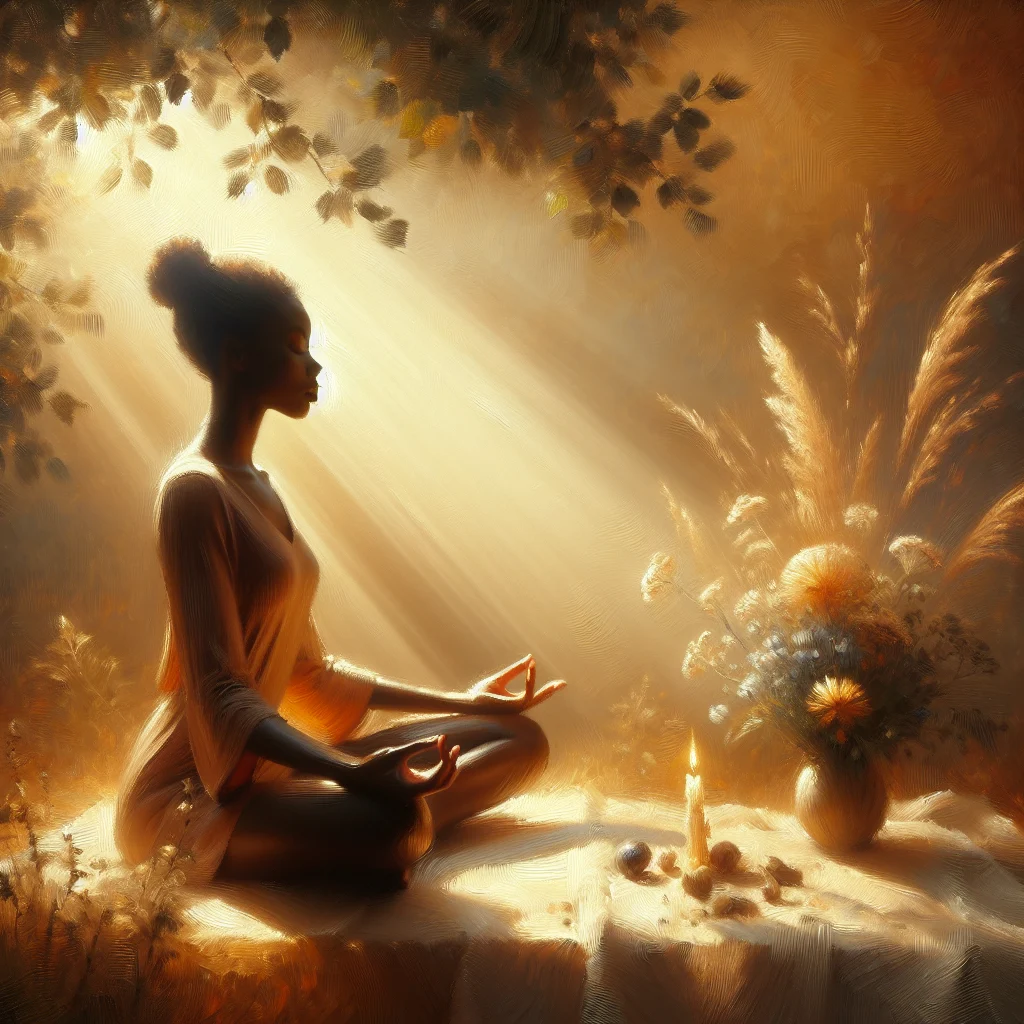
Understanding the Connection Between Meditation and Calmness
Meditation and calmness are intrinsically linked, yet many people misunderstand exactly how this connection works. Calmness isn’t simply the absence of stress or anxiety—it’s a state of mental clarity and emotional equilibrium that allows us to respond thoughtfully rather than react impulsively.
When we engage in regular meditation practice, we’re essentially rewiring our brains. Research from Harvard Medical School has shown that consistent meditation can actually change the physical structure of the brain, increasing gray matter in areas associated with emotional regulation and decreasing it in regions linked to stress and anxiety.
The Science Behind Meditation-Induced Calmness
During meditation, several physiological changes occur that directly promote calmness. Your heart rate slows, blood pressure decreases, and stress hormones like cortisol drop significantly. Meanwhile, your brain produces more alpha waves—the brain wave pattern associated with relaxed alertness.
Furthermore, meditation activates the parasympathetic nervous system, often called the “rest and digest” system. This counteracts the sympathetic nervous system’s “fight or flight” response that keeps us in a state of perpetual tension. As a result, meditation doesn’t just create temporary relaxation—it builds your capacity for sustained calmness over time.
Different Types of Meditation for Cultivating Calmness
Not all meditation practices are created equal when it comes to promoting calmness. However, various techniques can lead to similar outcomes, depending on what resonates with your personality and lifestyle. Exploring different mindfulness practices can help you discover which approach works best for you.
Mindfulness Meditation and Calmness
Mindfulness meditation focuses on present-moment awareness without judgment. By observing thoughts, sensations, and emotions as they arise—without trying to change them—you develop a calmer relationship with your inner experience. This practice is particularly effective because it teaches you that thoughts and feelings are temporary phenomena rather than permanent states.
In addition, mindfulness meditation helps break the cycle of rumination that often fuels anxiety and stress. Instead of getting caught up in worries about the future or regrets about the past, you learn to anchor yourself in the present moment where calmness naturally resides.
To explore this approach further, our article on mindfulness perspective offers valuable insights into how this practice can shift your entire worldview.
Breath-Focused Meditation Techniques
Breath-centered meditation is perhaps the most accessible form of meditation for beginners seeking calmness. Your breath serves as an anchor, bringing your attention back whenever your mind wanders. This simple yet powerful technique can be practiced anywhere, anytime.
The beauty of breath-focused meditation lies in its simplicity. You don’t need special equipment, extensive training, or even much time. Even five minutes of meditation to start the day can significantly impact your overall sense of calmness and well-being.
Body Scan and Progressive Relaxation
Body scan meditation involves systematically directing attention through different parts of your body, noticing sensations without trying to change them. This practice is particularly effective for releasing physical tension that often accompanies mental stress.
Similarly, progressive relaxation involves consciously tensing and then releasing different muscle groups. Both techniques promote deep calmness by helping you recognize and release held tension that you might not even realize you’re carrying.
How Meditation and Calmness Impact Mental Health
The benefits of meditation extend far beyond temporary relaxation. Regular practice creates fundamental changes in how you experience emotions and respond to challenges. This has profound implications for mental health and overall wellbeing.
According to the American Psychological Association, meditation has been shown to reduce symptoms of anxiety, depression, and post-traumatic stress disorder. Moreover, it enhances emotional regulation, helping you maintain calmness even in difficult circumstances.
Reducing Anxiety Through Meditation
Anxiety often stems from excessive worry about future events or rumination about past experiences. Meditation trains your mind to stay present, which naturally reduces anxiety. When you’re fully engaged with the present moment, there’s little mental space left for anxious thoughts.
Furthermore, meditation helps you develop what psychologists call “metacognitive awareness”—the ability to observe your thoughts without becoming identified with them. This creates psychological distance from anxious thinking patterns, allowing calmness to emerge naturally.
Managing Depression with Regular Practice
While meditation isn’t a replacement for professional treatment, it can be a valuable complementary tool for managing depression. The practice helps break negative thought cycles and cultivates a more balanced perspective on life’s challenges.
In particular, loving-kindness meditation has shown promise in treating depression by fostering self-compassion and positive emotions. This practice involves directing warm, compassionate thoughts toward yourself and others, gradually building an inner sense of calmness and contentment.
Creating a Meditation Practice That Promotes Lasting Calmness
Understanding the benefits of meditation is one thing; actually establishing a consistent practice is another. However, with the right approach, anyone can develop a meditation routine that brings genuine calmness into their daily life.
Starting Small and Building Consistency
One of the biggest mistakes beginners make is trying to meditate for too long, too soon. Instead, start with just a few minutes each day and gradually increase the duration as the habit becomes established. Consistency matters far more than length when it comes to experiencing the calming benefits of meditation.
For practical guidance on beginning your journey, our comprehensive article on meditation and how to do it provides step-by-step instructions for establishing a solid foundation.
Finding the Right Time and Place
While meditation can theoretically be practiced anywhere, having a dedicated time and space makes consistency easier. Many people find that morning meditation sets a calm tone for the entire day, while others prefer evening practice to unwind from daily stresses.
Your meditation space doesn’t need to be elaborate—just a quiet corner where you won’t be disturbed. As your practice deepens, you’ll find that you can access calmness even in less-than-ideal environments, but starting with favorable conditions helps build the habit.
Overcoming Common Obstacles
Most people encounter similar challenges when beginning a meditation practice. Your mind will wander—that’s completely normal and not a sign of failure. In fact, noticing that your mind has wandered and gently bringing it back is the essence of the practice.
Additionally, some days will feel easier than others. Rather than judging yourself on “good” or “bad” meditation sessions, simply show up consistently. The calmness you’re cultivating develops gradually, through regular practice over time.
Integrating Calmness Into Daily Life Beyond Formal Practice
While formal meditation sessions are important, the ultimate goal is to carry that sense of calmness into your everyday activities. This is where meditation transitions from being something you do to becoming something you are.
Mindful Living Throughout the Day
Informal mindfulness practice involves bringing meditative awareness to routine activities. Whether you’re washing dishes, walking to your car, or eating lunch, you can practice being fully present with the experience. These micro-moments of mindfulness accumulate, creating an underlying current of calmness throughout your day.
For instance, instead of scrolling through your phone while drinking morning coffee, try fully experiencing the warmth of the cup, the aroma, and the taste. This simple shift transforms mundane moments into opportunities for cultivating calmness.
Using Meditation Techniques in Stressful Moments
The calmness developed during formal practice becomes most valuable when you need it most—during stressful situations. A few conscious breaths before a difficult conversation or a brief body scan during a tense meeting can dramatically shift your state of mind.
Moreover, regular meditation builds what researchers call “stress resilience.” You don’t become immune to stress, but you develop the capacity to return to calmness more quickly after challenging experiences.
The Role of Meditation in Emotional Regulation and Calmness
One of the most profound benefits of meditation is improved emotional regulation. Rather than being swept away by intense emotions, you develop the ability to experience them with greater calmness and clarity.
Creating Space Between Stimulus and Response
Viktor Frankl famously wrote, “Between stimulus and response there is a space. In that space is our power to choose our response.” Meditation expands this space, giving you more freedom to respond thoughtfully rather than react impulsively.
As a result, situations that once triggered automatic stress responses begin to feel more manageable. You maintain a baseline of calmness even when facing difficulties, because you’ve trained your mind to pause before reacting.
Developing Equanimity Through Practice
Equanimity—the quality of remaining calm and balanced regardless of circumstances—is perhaps the highest fruit of meditation practice. This doesn’t mean becoming emotionless or indifferent; rather, it means experiencing the full range of human emotions without being overwhelmed by them.
Through consistent practice, you develop the ability to witness your emotions with compassionate awareness. This creates a profound sense of inner calmness that isn’t dependent on external circumstances being exactly as you want them.

Combining Meditation with Other Calmness-Promoting Practices
While meditation is powerful on its own, combining it with complementary practices can amplify its calming effects. A holistic approach to wellbeing often yields the most sustainable results.
Meditation and Physical Exercise
Physical activity and meditation work synergistically to promote calmness. Exercise releases endorphins and reduces stress hormones, while meditation enhances your ability to be present during physical activity. Together, they create a powerful foundation for both physical and mental wellbeing.
Practices like yoga naturally combine movement with meditative awareness, offering an accessible entry point for those who find sitting meditation challenging. However, any form of mindful movement—from walking to swimming—can promote similar benefits.
The Connection Between Nutrition and Mental Calmness
What you eat significantly impacts your mental state. A diet rich in whole foods, omega-3 fatty acids, and complex carbohydrates supports the neurological changes that meditation promotes. Conversely, excessive caffeine, sugar, and processed foods can undermine your efforts to cultivate calmness.
Furthermore, practicing mindful eating—giving full attention to the experience of nourishing your body—extends meditation into yet another area of daily life. This approach to nutrition supports both physical health and mental calmness.
Sleep Hygiene and Meditation Practice
Quality sleep is essential for maintaining mental calmness, and meditation can significantly improve sleep quality. Many people find that a brief meditation before bed helps quiet mental chatter and eases the transition into restful sleep.
Additionally, addressing sleep issues through meditation creates a positive cycle: better sleep enhances your daytime meditation practice, which in turn improves sleep quality. This reinforcing loop gradually builds greater overall calmness.
Meditation and Calmness in Different Life Contexts
The beauty of meditation is its universal applicability. Whether you’re dealing with workplace stress, relationship challenges, or existential questions, cultivating calmness through meditation offers practical benefits.
Workplace Stress and Professional Calmness
The modern workplace often feels incompatible with calmness. Deadlines, demanding bosses, and constant connectivity create chronic stress for many professionals. However, meditation provides tools for maintaining composure even in high-pressure environments.
Short meditation breaks during the workday can reset your nervous system and restore focus. Even five minutes of mindfulness can dramatically shift your state from stressed to calm, improving both wellbeing and productivity.
Relationship Harmony Through Inner Calmness
Personal relationships benefit tremendously when one or both partners practice meditation. The emotional regulation skills developed through meditation translate directly into better communication, increased patience, and deeper empathy.
When you’re centered in calmness, you’re less likely to react defensively during conflicts. Instead, you can listen deeply, speak thoughtfully, and find collaborative solutions. This transforms relationship dynamics in profound ways.
Navigating Life Transitions with Meditation
Major life changes—whether positive or negative—often disrupt our sense of stability. Meditation provides an anchor during these transitions, offering a consistent source of calmness regardless of external circumstances.
Whether you’re changing careers, moving to a new city, or dealing with loss, a established meditation practice offers psychological continuity. The inner calmness you’ve cultivated becomes a reliable refuge during times of change.
Advanced Meditation Techniques for Deepening Calmness
As your practice matures, you might feel drawn to explore more advanced meditation techniques. While beginner practices remain valuable throughout your journey, these deeper approaches can unlock new dimensions of calmness.
Concentration Practices and Deep Calm
Concentration meditation involves focusing single-pointedly on a chosen object—whether breath, a mantra, or a visual image. This practice develops profound mental stability and can lead to states of deep absorption called *jhanas* in Buddhist tradition.
These concentrated states are characterized by extraordinary calmness and joy. While they require dedicated practice to access, even working toward them brings increased mental clarity and baseline tranquility to daily life.
Insight Meditation and Existential Calmness
Insight meditation, or *vipassana*, involves carefully observing the nature of experience itself. This practice reveals the impermanent, unsatisfactory, and selfless nature of phenomena—insights that can fundamentally transform how you relate to life’s challenges.
Understanding impermanence at an experiential level creates a unique form of calmness. When you deeply realize that all experiences—pleasant and unpleasant—are temporary, you develop greater equanimity toward life’s inevitable ups and downs.
Measuring Progress in Your Meditation and Calmness Journey
Unlike many pursuits, meditation progress isn’t always linear or obvious. However, there are subtle signs that indicate you’re developing greater calmness through your practice.
Internal Markers of Deepening Practice
You might notice that you’re less reactive to minor irritations, or that you recover more quickly from emotional upsets. Perhaps you’re sleeping better, or finding it easier to focus on tasks. These subtle shifts indicate that meditation is rewiring your nervous system toward greater baseline calmness.
Additionally, you might notice increased self-awareness—recognizing stress patterns earlier and intervening before they escalate. This growing consciousness itself is a significant marker of progress.
External Signs of Meditation’s Impact
Often, others notice changes in you before you recognize them yourself. Friends might comment that you seem more relaxed, or colleagues might remark that you handle pressure differently. These external observations can validate the internal shifts you’re experiencing.
Furthermore, you might find that situations that previously felt overwhelming now feel manageable. This increased capacity for handling life’s challenges is one of the most valuable fruits of regular meditation practice.
Resources and Support for Your Meditation Journey
While meditation is ultimately a personal practice, having guidance and support can significantly enhance your journey toward lasting calmness. Fortunately, numerous resources are available for practitioners at all levels.
Books, Apps, and Online Resources
The Resources & Tools available today make meditation more accessible than ever. From guided meditation apps to online courses, you can find support tailored to your specific needs and preferences.
Books by experienced teachers provide valuable context and inspiration. While nothing replaces direct experience, understanding the philosophy and science behind meditation can deepen your commitment to practice.
Finding Teachers and Communities
Although you can certainly develop a meditation practice independently, working with experienced teachers and connecting with fellow practitioners offers unique benefits. Local meditation centers, online sanghas, and meditation retreats provide opportunities for deeper learning and community support.
These connections remind you that you’re not alone on this journey. Sharing experiences with others who are also cultivating calmness through meditation can be deeply encouraging, especially during challenging phases of practice.
Common Misconceptions About Meditation and Calmness
Before concluding, it’s worth addressing some common misconceptions that often prevent people from beginning or continuing a meditation practice.
Meditation Isn’t About Stopping Thoughts
Perhaps the most common misunderstanding is that meditation requires clearing your mind of all thoughts. In reality, thoughts are a natural part of meditation. The practice involves changing your relationship with thoughts—observing them without getting caught up in them—rather than eliminating them entirely.
This misconception causes many people to give up prematurely, believing they’re “bad at meditation” when their minds remain active. Understanding that a wandering mind is normal removes this unnecessary obstacle.
Calmness Doesn’t Mean Passivity
Some people worry that cultivating calmness will make them passive or unmotivated. However, true calmness actually enhances effectiveness. When you’re not caught up in reactive patterns and emotional turbulence, you can respond to situations with greater wisdom and clarity.
Moreover, calmness provides the stable foundation from which productive action arises. Rather than diminishing your capacity for engagement, it enhances your ability to act skillfully and purposefully.
You Don’t Need to Be Religious or Spiritual
While meditation has roots in various spiritual traditions, it’s fundamentally a mental training technique that offers benefits regardless of your beliefs. Non-religious meditation approaches focus purely on the psychological and physiological benefits without requiring any particular worldview.
This secular approach makes meditation accessible to everyone, regardless of their religious or philosophical orientation. The calmness it cultivates is a universal human capacity, not tied to any specific belief system.
Taking the Next Step in Your Meditation and Calmness Practice
Understanding the connection between meditation and calmness is valuable, but the true benefits come from direct practice. Starting today, even with just a few minutes of daily meditation, you begin the journey toward lasting inner peace.
Remember that meditation is a skill that develops gradually. Be patient with yourself, maintain consistency, and trust the process. The calmness you’re seeking isn’t found in perfect circumstances or the absence of challenges—it’s discovered in the present moment, through the simple yet profound practice of meditation.
If you’re ready to commit to a structured approach that will guide you step-by-step toward lasting calmness, Everyday Calm: A Beginner’s Guide to Daily Meditation offers everything you need to establish a sustainable practice that truly transforms your daily experience.
For those looking to expand their practice into other areas of personal development, exploring topics in Mindfulness & Meditation and Mental Health & Wellbeing can provide additional tools for creating a life of greater peace and purpose.
The journey toward meditation and calmness begins with a single breath. Why not take that breath right now?

