
The slow living linen top white represents more than just a wardrobe staple—it embodies a philosophy of mindful consumption and intentional living. As we collectively shift away from fast fashion’s frenetic pace, choosing quality pieces like a white linen top becomes an act of rebellion against disposable culture. Natural fabrics, minimal designs, and versatile styling options all converge in this timeless garment that speaks to both comfort and consciousness.
Linen has been cherished for thousands of years, dating back to ancient civilizations who recognized its breathability and durability. Today, this ancient fabric perfectly aligns with modern slow living principles, offering a sustainable alternative to synthetic materials. Moreover, the white colorway adds an element of purity and simplicity that complements any conscious closet.
In this comprehensive guide, we’ll explore why the white linen top has become synonymous with the slow living movement. Whether you’re building a capsule wardrobe or simply seeking more intentional clothing choices, understanding the significance of this piece will transform how you approach fashion.
Ready to deepen your journey toward mindful living? Check out Everyday Calm: A Beginner’s Guide to Daily Meditation to complement your physical transformation with inner peace.
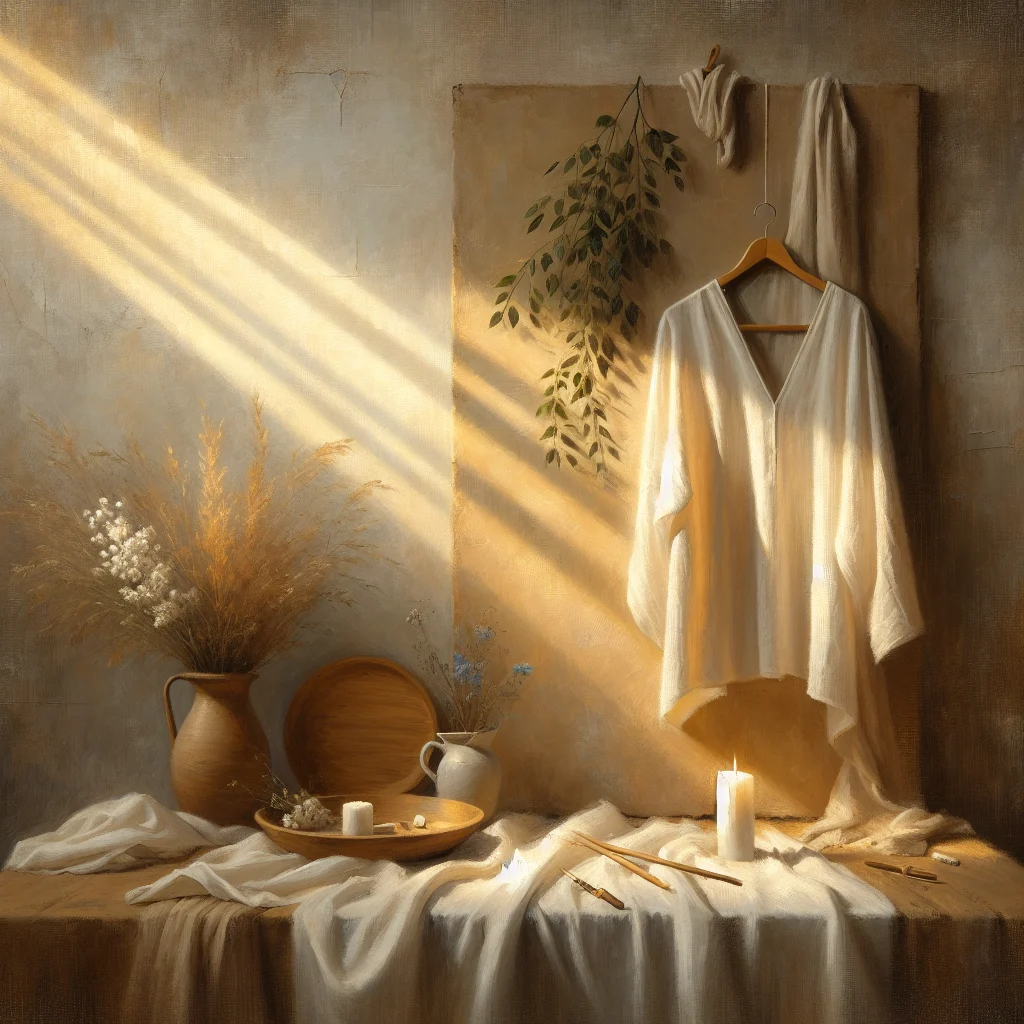
Understanding the Slow Living Philosophy Through Fashion
The slow living movement encourages us to pause, reflect, and make deliberate choices in every aspect of life. Fashion, often overlooked in wellness conversations, plays a crucial role in this philosophy. When we select clothing mindfully, we reduce our environmental impact while cultivating a more meaningful relationship with our possessions.
Fast fashion has conditioned us to view clothing as disposable commodities. However, slow fashion advocates for the opposite approach—investing in pieces that last years rather than seasons. A white linen top exemplifies this principle perfectly because of its versatility and longevity.
The Connection Between Mindfulness and Wardrobe Choices
Choosing what we wear each day can become a mindfulness practice. When you slip on a linen top, you’re not just getting dressed—you’re honoring natural fibers that breathe with your body. This conscious connection extends beyond aesthetics into how we feel throughout the day.
Research from the slow fashion movement demonstrates that consumers who adopt mindful shopping habits report greater satisfaction with their wardrobes. Additionally, they experience less decision fatigue because quality pieces mix and match effortlessly.
Why Linen Matters in Sustainable Fashion
Linen production requires significantly less water than cotton cultivation, making it an environmentally responsible choice. The flax plant, from which linen derives, thrives without pesticides and enriches the soil rather than depleting it. Furthermore, every part of the flax plant can be used, resulting in virtually zero waste.
The durability of linen means your white top will actually improve with age. Unlike synthetic fabrics that pill and deteriorate, linen becomes softer and more comfortable with each wash. This longevity directly supports slow living values by reducing consumption cycles.
Characteristics That Make a White Linen Top Essential
What makes the slow living linen top white such a versatile cornerstone piece? Several characteristics elevate this simple garment beyond ordinary basics. Understanding these qualities helps you appreciate why investing in quality linen makes both practical and philosophical sense.
Natural Temperature Regulation
Linen’s hollow fibers create exceptional breathability, keeping you cool in summer and providing surprising warmth in cooler months. This natural temperature regulation means you’ll reach for your white linen top across seasons. Because of this adaptability, one quality piece replaces multiple synthetic garments.
The fabric’s moisture-wicking properties prevent that uncomfortable damp feeling synthetic fabrics create. Instead, linen absorbs perspiration while allowing air circulation, which is especially important for those embracing holistic living practices that include yoga or meditation.
Timeless Aesthetic Appeal
White linen possesses an effortless elegance that transcends passing trends. The slightly textured surface catches light beautifully, creating visual interest without busy patterns or embellishments. Moreover, the natural wrinkles that develop throughout the day add character rather than appearing sloppy.
This relaxed refinement aligns perfectly with slow living aesthetics, which favor simplicity over ostentation. A white linen top pairs equally well with jeans for casual outings or tailored trousers for more formal occasions. Consequently, you need fewer clothing items overall when each piece offers such flexibility.
Hypoallergenic and Skin-Friendly Properties
For individuals with sensitive skin, linen provides a gentle alternative to synthetic fabrics. The natural fibers don’t trap allergens or irritate skin conditions. In fact, linen has natural antibacterial properties that keep the fabric fresher longer between washes.
This hypoallergenic quality becomes particularly important when we consider wellness holistically. Your clothing shouldn’t compromise your health, and choosing natural fibers supports your body’s needs. As you explore holistic health practices, extending that consciousness to what touches your skin makes perfect sense.
Styling Your Slow Living Linen Top White
The beauty of a white linen top lies in its incredible versatility. Whether you’re heading to a farmers market or attending a casual dinner, this piece adapts to countless situations. Let’s explore how to maximize your linen investment through thoughtful styling.
Casual Everyday Combinations
Effortless weekend wear becomes simple when you start with a quality foundation. Pair your white linen top with:
- High-waisted denim jeans and leather sandals for a classic look
- Linen pants in complementary earth tones for a cohesive ensemble
- Cotton shorts and canvas sneakers for warm weather comfort
- A flowing midi skirt and espadrilles for feminine flair
Because the white top serves as a neutral base, you can experiment with accessories without overwhelming your outfit. A simple necklace or woven bag adds personality while maintaining the minimalist aesthetic. However, remember that less is often more in slow living fashion.
Elevated Occasions
Your white linen top transitions beautifully from day to evening with minor adjustments. For more polished appearances, consider these combinations:
- Tuck it into tailored trousers and add statement earrings
- Layer under a structured blazer for business-casual settings
- Pair with a silk skirt and heeled sandals for dinner dates
- Wear with wide-leg pants and a belt to define your waist
The key to elevating linen lies in attention to fit and accessories. While wrinkles are acceptable and even desirable in casual contexts, steaming your top creates a more refined appearance for formal situations. Nevertheless, avoid over-styling—the beauty of linen is its natural texture.
Seasonal Layering Techniques
Although white linen seems inherently summery, proper layering extends its usefulness throughout the year. During transitional seasons, try these approaches:
In autumn, layer your linen top under a chunky cardigan or denim jacket. The breathable fabric won’t cause overheating in indoor spaces. Similarly, winter styling might include a turtleneck underneath with a wool coat over top. Spring calls for pairing with lightweight cardigans that you can easily remove as temperatures rise.
This year-round versatility reduces the need for seasonal wardrobe overhauls. As a result, you consume less while enjoying more from each carefully chosen piece—a core principle of slow living spaces and lifestyle choices.
Caring for Your White Linen Top
Proper maintenance ensures your investment lasts for years, perhaps even decades. Linen’s durability makes it surprisingly low-maintenance, though specific care techniques preserve its quality and appearance. Understanding how to wash, dry, and store your white linen top maximizes its lifespan.
Washing Best Practices
Linen can be machine washed, making it more practical than many assume. However, following these guidelines protects the fibers:
- Use cool or lukewarm water to prevent excessive shrinking
- Choose gentle, eco-friendly detergents without harsh chemicals
- Wash white linen separately to maintain brightness
- Avoid overloading the machine—linen needs space to move
For stubborn stains on white linen, natural solutions work wonderfully. A paste of baking soda and water applied before washing often removes marks without bleach. Alternatively, sunshine naturally whitens and deodorizes linen, offering a chemical-free freshening method.
Drying and Ironing Considerations
Line drying in fresh air represents the most sustainable and fabric-friendly option. The sun’s UV rays naturally disinfect and brighten white linen while preserving fiber integrity. If you must use a dryer, select low heat and remove items while slightly damp.
Regarding ironing, many slow living enthusiasts embrace linen’s natural wrinkles as part of its charm. However, if you prefer a crisp appearance, iron while the fabric is still slightly damp. Use medium-high heat, and iron on the reverse side to prevent shine on white fabric.
Storage Solutions
Proper storage prevents yellowing and maintains freshness between seasons. Follow these simple guidelines:
- Ensure the top is completely clean and dry before storing
- Fold rather than hang to prevent stretching at the shoulders
- Store in breathable cotton bags, not plastic
- Add lavender sachets for natural freshness and moth prevention
Because linen is naturally resistant to moths and beetles, it stores better than many natural fibers. Nevertheless, checking stored items periodically ensures early detection of any issues. This attentive care reflects the mindfulness central to slow living philosophy.

Choosing the Right White Linen Top for Your Lifestyle
Not all linen tops are created equal, and understanding quality markers helps you make wise investments. When shopping for your slow living linen top white, several factors deserve consideration beyond just aesthetics. These elements determine how well the garment serves you over time.
Fabric Weight and Quality
Linen weight varies considerably, affecting drape, opacity, and seasonality. Lightweight linen (under 150 GSM) offers maximum breathability for hot climates but may be semi-sheer. Conversely, medium-weight linen (150-200 GSM) provides opacity while maintaining breathability—ideal for most purposes.
Examine the weave closely. High-quality linen features consistent texture without loose threads or uneven areas. The fabric should feel substantial in your hands, not flimsy or overly stiff. Additionally, European linen, particularly from Belgium and France, is renowned for superior quality due to ideal flax-growing conditions.
Construction and Cut Details
Quality construction ensures longevity and proper fit. When evaluating a white linen top, inspect these elements:
- Seam quality: Look for reinforced, even stitching without puckering
- Hem finish: Clean, secure hems prevent fraying
- Button quality: If applicable, buttons should be securely attached with reinforcement
- Fit considerations: Linen should skim the body without clinging or excessive billowing
Because linen naturally relaxes and molds to your body, slight initial stiffness is normal. After several wears and washes, the fabric softens and conforms more comfortably. This breaking-in process creates a personalized fit unique to your body.
Ethical Production Considerations
True slow living extends beyond the garment itself to how it was made. Investigate brands’ production practices before purchasing. Look for certifications like OEKO-TEX Standard 100, which ensures fabrics are free from harmful substances. Similarly, Fair Trade certification indicates ethical labor practices.
Many sustainable brands transparently share their supply chains and production methods. This openness allows you to align purchases with your values. While ethically produced linen may cost more upfront, the investment supports better working conditions and environmental practices—making it worthwhile for conscious consumers.
The Environmental Impact of Choosing Linen
Understanding the ecological benefits of linen reinforces why it’s an ideal choice for slow living adherents. Compared to conventional cotton and synthetic fabrics, linen’s environmental footprint is remarkably small. This sustainability spans from cultivation through disposal, creating a truly circular approach.
Water Conservation Benefits
Flax cultivation requires minimal irrigation, relying primarily on rainfall in most growing regions. Studies indicate that flax needs approximately five times less water than cotton to produce equivalent fabric quantities. In our water-stressed world, this conservation matters significantly.
Furthermore, flax processing uses less water than cotton manufacturing. The entire production cycle—from field to finished fabric—demonstrates impressive resource efficiency. Therefore, choosing a white linen top actively reduces your personal water footprint.
Biodegradability and End-of-Life
When your linen top eventually reaches the end of its useful life, it returns to the earth without harm. Unlike synthetic fabrics that persist for centuries, 100% linen biodegrades completely. This natural decomposition closes the loop, feeding soil rather than polluting landfills.
Before disposal, however, consider repurposing worn linen. The fabric makes excellent cleaning cloths, craft materials, or even plant ties for gardening. This extended utility further reduces waste, embodying the reduce-reuse-recycle hierarchy central to sustainable living.
Carbon Footprint Considerations
Flax plants actually sequester carbon during growth, helping offset atmospheric CO2. Additionally, mechanical processing of flax into linen fibers requires less energy than chemical-intensive processes used for synthetic fabrics. The overall carbon footprint of linen production remains significantly lower than polyester or nylon alternatives.
By choosing natural fibers like linen, you participate in mitigating climate change through everyday decisions. These individual choices accumulate into meaningful collective impact. As a result, your wardrobe becomes an expression of environmental stewardship.
Building a Capsule Wardrobe Around White Linen
The concept of a capsule wardrobe aligns perfectly with slow living principles, emphasizing quality over quantity. A white linen top serves as an excellent foundation piece around which to build a cohesive, minimal wardrobe. This approach simplifies daily dressing while reducing consumption.
Essential Complementary Pieces
To maximize your white linen top’s versatility, consider these core wardrobe companions:
- Two pairs of well-fitting jeans in different washes
- Neutral-colored linen or cotton pants in beige or olive
- A midi skirt in a complementary natural fabric
- Classic outerwear like a denim jacket and structured blazer
- Comfortable footwear including leather sandals, sneakers, and boots
These pieces create countless combinations without overwhelming your closet. Moreover, focusing on neutral colors and natural fabrics maintains aesthetic cohesion. The white linen top ties everything together, serving as both a standalone piece and layering element.
The Five-Piece French Wardrobe Concept
French fashion philosophy suggests that five quality pieces can create numerous outfits. This minimalist approach prioritizes impeccable fit and timeless style over trendy abundance. Your white linen top could anchor such a collection alongside:
- Perfectly tailored dark jeans
- A flowing midi skirt in a neutral tone
- Classic leather loafers or quality sandals
- A structured blazer in navy or charcoal
This curated selection eliminates decision fatigue while ensuring you always look polished. Because each piece works harmoniously with others, getting dressed becomes effortless. Subsequently, you free mental energy for more meaningful pursuits—a core benefit of simplified living approaches.
Seasonal Capsule Adjustments
While the white linen top remains constant, minor seasonal adjustments keep your capsule functional year-round. During summer, add lightweight shorts and a canvas tote. As autumn arrives, introduce a wool cardigan and ankle boots. Winter might require a quality coat and warm scarf, while spring welcomes a light trench and fresh sneakers.
These strategic additions prevent boredom without accumulating excessive clothing. The key is ensuring new pieces integrate seamlessly with existing items. Consequently, each addition multiplies outfit possibilities rather than sitting unused in your closet.
The Psychological Benefits of Slow Fashion Choices
Choosing a slow living linen top white impacts more than your wardrobe—it influences your mental wellbeing. Research increasingly demonstrates connections between consumption patterns and psychological health. Mindful fashion choices contribute to reduced anxiety, increased self-esteem, and greater life satisfaction.
Reducing Decision Fatigue
Decision fatigue occurs when constant choices deplete our mental resources. An overstuffed closet paradoxically makes dressing harder, not easier. However, a curated wardrobe featuring versatile pieces like a white linen top simplifies morning routines, preserving cognitive energy for important decisions.
Studies show that reducing daily trivial decisions improves focus and productivity. When you know your white linen top pairs beautifully with multiple bottoms, getting dressed becomes automatic. This streamlined approach supports mental wellbeing through reduced daily stress.
Fostering Contentment Through Quality
Fast fashion’s constant novelty creates perpetual dissatisfaction—there’s always something new to want. Conversely, investing in quality pieces fosters appreciation and contentment. When you love your white linen top and wear it regularly, you develop a relationship with the garment that transcends mere consumption.
This shift from quantity to quality mirrors broader slow living principles. Rather than accumulating possessions, we cultivate meaningful connections with fewer, better things. As a result, satisfaction comes from what we already own rather than what we might acquire next.
Aligning Actions with Values
Cognitive dissonance occurs when our actions contradict our values. If you care about environmental sustainability but purchase fast fashion, this misalignment creates psychological discomfort. However, choosing ethical, sustainable pieces like quality linen tops resolves this conflict.
When your wardrobe reflects your values, you experience greater internal consistency and peace. This alignment extends beyond fashion into other life areas, creating positive momentum toward holistic wellbeing. Your clothing choices become an expression of who you are and what matters to you.
Where to Find Quality White Linen Tops
Knowing what to look for is only half the battle—you also need to know where to shop. Fortunately, increasing consumer demand for sustainable fashion has expanded options for quality linen garments. Both online and brick-and-mortar retailers now offer excellent choices for conscious consumers.
Ethical Online Retailers
Several online platforms specialize in sustainable fashion, making it easier to find quality linen pieces. Websites like Eileen Fisher, Everlane, and Pact offer transparent supply chains and ethical production practices. Additionally, they provide detailed product information, helping you make informed decisions.
Look for retailers that offer comprehensive sizing information and fair return policies. Because fit is crucial for linen garments, the ability to exchange sizes ensures you find the perfect piece. Moreover, reading customer reviews provides real-world insights into fabric quality, fit, and longevity.
Local and Artisan Options
Supporting local makers and small businesses aligns beautifully with slow living values. Many regions have talented seamstresses and boutiques specializing in natural fiber clothing. Shopping locally reduces shipping emissions while supporting your community’s economy.
Farmers markets, craft fairs, and independent boutiques often feature handmade linen garments. These pieces typically offer superior quality and unique details compared to mass-produced alternatives. Furthermore, you can often discuss customization options directly with makers, ensuring perfect fit and personalization.
Vintage and Secondhand Sources
The most sustainable garment is one that already exists. Vintage and secondhand shopping prevents textile waste while often yielding exceptional quality at lower prices. Linen’s durability means vintage pieces frequently remain in excellent condition decades after production.
Explore thrift stores, consignment shops, and online platforms like Depop, Poshmark, or ThredUp. With patience, you’ll discover beautiful linen tops at a fraction of retail prices. Additionally, the hunting process itself becomes a mindful activity—slowing down to appreciate each find rather than impulse buying.
Conclusion: Embracing Slow Living Through Intentional Fashion
The slow living linen top white represents far more than a simple wardrobe basic. It embodies a philosophy of intentional consumption, environmental stewardship, and mindful living. By choosing quality natural fibers over disposable fast fashion, you participate in a movement toward more sustainable and satisfying lifestyles.
Throughout this guide, we’ve explored how a single garment can impact your environmental footprint, mental wellbeing, and daily experiences. From linen’s impressive sustainability credentials to its versatile styling possibilities, this fabric deserves its place in conscious wardrobes worldwide. Moreover, the timeless white colorway ensures your investment remains relevant regardless of passing trends.
As you build your slow living wardrobe, remember that perfection isn’t the goal—progress is. Each mindful choice contributes to positive change, both personally and collectively. Your white linen top becomes a daily reminder of your commitment to living more intentionally and sustainably.
Whether you’re just beginning your slow living journey or deepening an established practice, fashion offers a tangible way to express your values. The simple act of choosing quality over quantity, natural over synthetic, and timeless over trendy creates ripples of positive impact. Consequently, your wardrobe becomes a tool for personal transformation and environmental action.
Ready to continue your transformation journey? Explore The Self-Love Reset: A Journey to Rediscover Yourself and discover how external simplicity supports internal growth. Finally, remember that every journey begins with a single step—or in this case, a single thoughtfully chosen garment.

