
In our hyperconnected world, where notifications ping constantly and deadlines loom endlessly, many of us crave something different. We yearn for spaces where time moves at a gentler pace, where we can finally breathe deeply and reconnect with what truly matters. Slow living resorts offer exactly this refuge—destinations designed to help guests step off the treadmill of modern life and rediscover the art of being present.
But what exactly is a slow living resort? Unlike traditional vacation spots focused on cramming activities into every moment, these sanctuaries prioritize quality over quantity. They’re places where doing less becomes a form of luxury, where simplicity transforms into sophistication. Let’s explore this growing movement and discover why slow living resorts are becoming essential havens for those seeking authentic rest and rejuvenation.
If you’re ready to begin incorporating these principles into your daily life right now, consider starting with Everyday Calm: A Beginner’s Guide to Daily Meditation. This resource can help you cultivate the mindful awareness that slow living resorts are built upon.
Understanding the Philosophy Behind Slow Living Resorts
The concept of slow living emerged as a countermovement to our culture’s obsession with speed and productivity. Originating from the Slow Movement, which began with slow food in Italy during the 1980s, this philosophy has expanded into various lifestyle dimensions. Slow living resorts represent the hospitality industry’s response to this cultural shift.
At their core, these establishments reject the “see everything, do everything” vacation mentality. Instead, they encourage guests to slow down, engage deeply with their surroundings, and find meaning in simple experiences. This approach aligns closely with mindfulness and meditation practices that have gained widespread recognition for their mental health benefits.
Key Principles of Slow Living Accommodations
Several foundational principles distinguish slow living resorts from conventional hotels or vacation properties. Understanding these elements helps clarify what makes these destinations unique and transformative.
- Intentional minimalism: Spaces designed with thoughtful simplicity rather than excessive luxury
- Connection to nature: Architectural integration with natural environments and outdoor access
- Local immersion: Authentic engagement with regional culture, traditions, and communities
- Sustainable practices: Environmental consciousness in operations and guest experiences
- Unscheduled time: Freedom from rigid itineraries and programmed activities
- Digital detoxification: Encouragement to disconnect from devices and constant connectivity
For those curious about the linguistic aspects of this movement, you might find it interesting to explore slow living in different cultural contexts, which demonstrates how this philosophy transcends borders.
What Makes a Slow Living Resort Different from Traditional Hotels
Walking into a slow living resort feels fundamentally different from checking into a conventional hotel. The distinction goes far beyond aesthetic choices or amenity offerings—it’s about the entire experience philosophy. While traditional accommodations often measure success by how much they pack into your stay, slow living resorts measure it by how much they help you unpack mentally and emotionally.
Traditional hotels typically feature bustling lobbies, constant activity, and services designed for efficiency. In contrast, slow living resorts create environments that naturally encourage deceleration. You won’t find crowded breakfast buffets with guests rushing to start their sightseeing marathons. Instead, meals become leisurely rituals where conversation flows naturally and flavors are truly savored.
Architectural and Design Elements
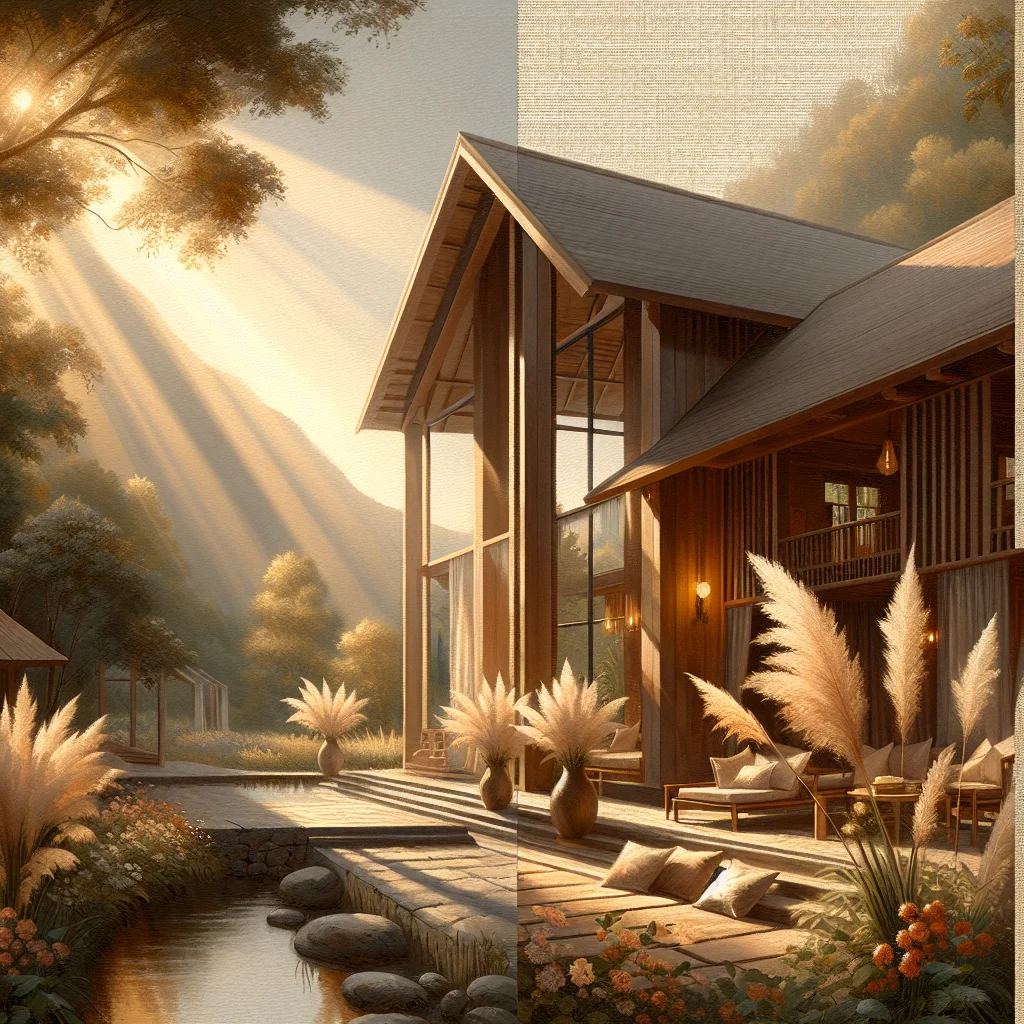
The physical spaces of slow living resorts reflect their philosophical foundations. Architecture tends toward simplicity, with clean lines and natural materials that create calming environments. Large windows often frame nature views, blurring the boundary between indoor and outdoor spaces. Furnishings prioritize comfort and functionality over ostentation.
Natural light plays a crucial role in these designs, as does thoughtful sound management. You’re more likely to hear birdsong or rustling leaves than televisions or traffic. This attention to sensory experience supports the overall goal of helping guests become more present and aware. Many properties incorporate elements of holistic living into their designs, recognizing how environment shapes wellbeing.
Service Philosophy and Guest Interaction
Staff at slow living resorts approach hospitality differently than their counterparts at traditional hotels. Rather than maintaining formal distance or overwhelming guests with constant attention, team members strike a balance between availability and respect for privacy. They become facilitators of experience rather than service providers checking boxes.
Furthermore, these resorts often employ smaller staff-to-guest ratios, which might seem counterintuitive. However, this approach prevents the feeling of being constantly watched or managed. Guests receive personalized attention when they seek it, but they’re equally free to enjoy solitude without interruption. This philosophy recognizes that true luxury often means having the space to simply be.
Typical Features and Amenities at Slow Living Resorts
While each slow living resort has its unique character, certain features appear consistently across these properties. These amenities aren’t about indulgence in the traditional sense; rather, they support the deeper goal of restoration and reconnection.
Wellness and Mindfulness Offerings
Most slow living resorts integrate wellness practices into their core offerings. Yoga studios, meditation spaces, and nature trails provide opportunities for physical and mental rejuvenation. Some properties bring in specialized practitioners for workshops on topics ranging from breathwork to forest bathing.
Additionally, spa services at these resorts tend toward natural, locally-sourced treatments rather than exotic imported products. Massages might incorporate regional healing traditions, while skincare treatments use ingredients from surrounding farms or forests. The emphasis remains on authentic, meaningful experiences rather than generic luxury. For guests interested in deepening their practice, exploring healing with sound therapy can complement the resort experience beautifully.
Culinary Experiences That Honor Time and Place
Food represents a cornerstone of the slow living resort experience. Kitchens prioritize seasonal, locally-sourced ingredients, often maintaining relationships with nearby farms and producers. Meals become opportunities to taste the region’s terroir and understand its agricultural traditions.
Menus change frequently based on what’s fresh and available, which means guests experience genuine variety rather than standardized offerings. Chefs often take time to explain dishes, sharing stories about ingredients or preparation methods. Some resorts even offer cooking classes or farm visits, deepening guests’ connection to the food they’re eating. This approach mirrors the original Slow Food movement that sparked broader slow living consciousness.
Limited Digital Connectivity
Perhaps surprisingly for modern travelers, many slow living resorts intentionally limit wifi access or encourage digital detoxification. Some properties offer connectivity only in common areas, keeping guest rooms free from the temptation to check emails or scroll through social media. Others provide lockable boxes for devices, helping guests commit to unplugging.
This digital minimalism isn’t about being primitive or uncomfortable. Instead, it recognizes how constant connectivity prevents the mental downshifting necessary for genuine rest. Without the habitual reach for our phones, we become more aware of our surroundings, more present with companions, and more in tune with our own thoughts and feelings.
Notable Examples of Slow Living Resorts Around the World
The slow living resort concept has taken root in diverse locations globally, each interpreting the philosophy through its unique cultural and environmental lens. These examples illustrate the movement’s versatility and appeal.
European Slow Living Destinations
Europe hosts numerous slow living resorts, particularly in rural areas where traditional lifestyles persist alongside modern amenities. Italian agriturismos in Tuscany exemplify this perfectly—working farms that welcome guests to participate in harvests, olive pressing, or wine making. These properties blur the line between tourism and authentic rural living.
Scandinavian countries offer slow living experiences centered around nature immersion and hygge principles. Remote cabins in Norwegian fjords or Swedish forests provide ultimate simplicity: basic accommodations, pristine wilderness, and nothing to do except exist peacefully. These stark environments help guests strip away mental clutter alongside physical possessions.
Asian Interpretations of Slow Hospitality
Asia’s slow living resorts often incorporate ancient philosophical traditions into contemporary hospitality. Japanese ryokans have practiced slow hospitality for centuries, with their emphasis on seasonal awareness, ritualized meals, and communal bathing. Modern slow living resorts build on these traditions while making them accessible to international guests.
Properties like the Nomade Slow Living Lodge demonstrate how this philosophy translates across different settings. Similarly, destinations like Hemanaire Slow Living Valley showcase regional approaches to creating restorative environments. Bali has become particularly known for slow living properties that blend Indonesian spirituality with international wellness trends.
The Americas’ Growing Slow Living Movement
North and South America have embraced slow living resorts more recently, but with growing enthusiasm. Costa Rica’s eco-lodges pioneered sustainable tourism that naturally aligns with slow living principles. Properties nestled in cloud forests or along remote coastlines offer disconnection from urban intensity and reconnection with biodiversity.
In the United States, slow living resorts often emerge in agricultural regions or areas with strong environmental consciousness. California’s wine country, Vermont’s farm regions, and the Pacific Northwest’s forests host properties that combine natural beauty with artisanal food cultures and outdoor recreation that emphasizes quality over adrenaline.
The Benefits of Choosing a Slow Living Resort for Your Next Getaway
Beyond the obvious appeal of peaceful environments and beautiful settings, slow living resorts offer specific benefits that conventional vacations often miss. These advantages extend far beyond the duration of your stay, influencing how you approach life long after returning home.
Mental Health and Stress Reduction
The connection between slow living environments and mental wellbeing isn’t merely anecdotal—it’s increasingly supported by research. When we remove ourselves from constant stimulation and demands, our nervous systems finally downshift from chronic stress responses. This physiological change allows for genuine rest that goes deeper than simply catching up on sleep.
Moreover, the practices encouraged at these resorts—meditation, nature walks, mindful eating—equip guests with tools they can continue using afterward. Many visitors report that their stay helped them recognize how their normal pace was unsustainable and gave them models for creating more balanced rhythms. The principles align closely with mental health and wellbeing practices recommended by health professionals.
Relationship Strengthening
Slow living resorts create ideal conditions for deepening connections with travel companions. Without competing distractions and packed schedules, couples, families, or friends actually spend quality time together. Conversations happen naturally when you’re walking a trail or sharing an unhurried meal, rather than being squeezed between attractions.
For couples specifically, these environments offer rare opportunities to rediscover each other beyond the roles and routines of daily life. Without work emails interrupting or household tasks demanding attention, partners can focus on what drew them together initially. Many properties design experiences that facilitate this reconnection without forcing artificial “couple activities.”
Creativity and Clarity
Something remarkable happens when we create space in our minds: creativity and clarity emerge naturally. Many guests at slow living resorts report breakthrough insights about career decisions, creative projects, or life directions. This isn’t coincidental—our brains need unstructured time to process information and make connections that constant busyness prevents.
Artists, writers, and thinkers have long sought retreat environments for exactly this reason. Slow living resorts democratize this practice, offering everyone access to the conditions that foster contemplation and insight. The combination of solitude, natural beauty, and freedom from urgency creates a perfect incubator for whatever needs to emerge in your thinking.
How to Choose the Right Slow Living Resort for You
Not all slow living resorts will suit every traveler, despite sharing philosophical foundations. Finding the right match requires honest assessment of what you’re seeking and careful research into specific properties. Several factors merit consideration as you evaluate options.
Location and Accessibility
Consider how remote you truly want to be. Some slow living resorts sit hours from airports via rough roads—perfect if you’re seeking complete isolation, potentially challenging if you have limited time or mobility concerns. Others offer easier access while still providing peaceful environments. Balance your desire for escape with practical constraints.
Climate and season also matter significantly. A mountain retreat might be magical in summer but inaccessible in winter. Coastal properties could be serene in shoulder seasons yet crowded during peak times. Research typical weather patterns and tourist cycles for your intended travel dates.
Activities Versus Pure Relaxation
Slow living doesn’t necessarily mean doing nothing, though it certainly can. Some properties offer abundant optional activities—hiking, kayaking, cultural workshops—while others provide minimal programming. Clarify whether you want opportunities for gentle engagement or prefer completely unstructured time.
Additionally, consider whether you’ll be satisfied with your own company and that of travel companions, or if you enjoy meeting fellow guests. Some slow living resorts foster community through shared meals and spaces, while others emphasize privacy and solitude. Neither approach is superior; they simply serve different needs.
Authenticity Versus Comfort
Slow living resorts span a spectrum from rustic simplicity to refined comfort. Some lean toward authenticity—basic accommodations, composting toilets, solar power—while others offer elegant simplicity with all modern conveniences. Both can provide meaningful slow living experiences, but they feel quite different.
Think honestly about your comfort needs. There’s no virtue in being miserable because you chose a property that’s too rugged for your preferences. Conversely, don’t dismiss more basic options if you’re genuinely curious about radical simplicity. Reading detailed guest reviews helps calibrate expectations against reality.
Integrating Slow Living Principles Into Daily Life After Your Visit
The true measure of a successful slow living resort experience isn’t how relaxed you feel during your stay—it’s how the experience influences your life afterward. The most valuable gift these destinations offer is a visceral understanding of alternative rhythms and priorities that you can begin incorporating at home.
Creating Slow Spaces in Your Home
You don’t need to live at a resort to benefit from slow living principles. Start by designating spaces in your home as device-free zones where family members can gather without digital distractions. This might be the dining table, a reading corner, or even the bedroom. These small sanctuaries remind you of the peace you experienced during your retreat.
Furthermore, apply the minimalist aesthetic you encountered at the resort. Reducing visual clutter and surrounding yourself with meaningful objects rather than excess stuff creates environments that support rather than stress you. This doesn’t require expensive renovations—sometimes simply removing items has more impact than adding them.
Building Slow Practices Into Your Routine
The daily rhythms at slow living resorts can inspire home routines. Perhaps you discovered the pleasure of morning meditation or journaling before the day’s demands begin. Maybe you enjoyed technology-free evenings or long walks without destination. Identify which practices resonated most deeply and commit to protecting time for them.
Resources like slow living guides can help you translate resort experiences into sustainable home practices. As a result, the benefits extend far beyond your vacation, becoming integrated into your everyday life. You might also explore Manifest Your Dreams: A Practical Guide to the Law of Attraction to align your daily life with the values you discovered matter most.
Resisting the Return to Frantic Pace
The biggest challenge comes when you re-enter regular life with its demands and expectations. Your inbox hasn’t emptied itself; obligations haven’t disappeared. However, you now carry a reference point for what different pacing feels like. When you notice stress building, you can ask whether the urgency is real or habitual.
Many slow living resort alumni find it helpful to schedule regular mini-retreats—even just an afternoon or evening where they recreate elements of their resort experience. These become touchstones that prevent complete reversion to unsustainable rhythms. Over time, slow living shifts from something you do on vacation to an orientation that guides daily choices.
The Future of Slow Living Resorts and Sustainable Tourism
As awareness grows about the unsustainability of both our personal pace and tourism’s environmental impact, slow living resorts represent an increasingly important alternative. These properties demonstrate that hospitality can honor both guest wellbeing and ecological responsibility without sacrificing quality or meaning.
The movement continues evolving, with new properties opening regularly and established resorts deepening their commitments to slow principles. Younger travelers especially seek experiences over possessions, authenticity over luxury, and meaning over status—precisely what slow living resorts offer. This demographic shift suggests the concept will only grow more mainstream.
Moreover, the integration of slow living principles with other wellness movements—spirituality and inner work, environmental activism, local food movements—creates rich possibilities. The best slow living resorts don’t exist in isolation but rather as nodes in larger networks of conscious living. They introduce guests to regional producers, traditional craftspeople, and conservation efforts, strengthening communities while providing memorable experiences.
Climate concerns may actually accelerate the slow travel movement, as travelers recognize the contradiction of flying around the world for brief stays. Slow living resorts offer an alternative model: fewer but longer trips, deeper engagement with fewer places, and meaningful rest that doesn’t require constant novelty. This shift would benefit both travelers and destinations.
Making the Most of Your Slow Living Resort Experience
If you’ve decided to book a slow living resort, a few mindset shifts will help you fully embrace what these properties offer. The experience begins not when you arrive but when you start preparing mentally for a different kind of journey.
Setting Intentions Before You Go
Consider what you’re hoping to gain from your slow living experience. Are you seeking rest after a demanding period? Clarity about a decision? Reconnection with a partner or family member? Understanding your deeper purpose helps you make choices that support your goals once you arrive.
That said, remain open to unexpected benefits. Sometimes what we think we need differs from what we actually require. The magic of slow living resorts often lies in surprises—the conversation that sparks an insight, the sunset that moves you unexpectedly, the silence that finally lets you hear your own thoughts.
Arriving With the Right Mindset
The transition from normal life to slow living rarely happens instantly. Give yourself permission for an adjustment period where you might feel restless or uncomfortable with unstructured time. This is completely normal—our nervous systems need time to downshift, and our minds need time to stop generating task lists.
Resist the temptation to impose structure immediately. Instead of planning each day meticulously, try following your inclinations moment by moment. Hungry? Eat. Tired? Rest. Curious? Explore. This responsive rather than planned approach lies at the heart of slow living and often feels foreign initially.
Embracing Boredom and Stillness
Perhaps counterintuitively, allow yourself to be bored. In our overstimulated culture, boredom has become something we frantically avoid. Yet boredom often precedes creativity and insight. When you’re not consuming entertainment or information, your mind finally has space to wander, play, and make unexpected connections.
Similarly, embrace stillness without guilt. You’re not being lazy or wasting time when you sit watching light change across a landscape or listening to rain. These moments of pure presence are precisely what you came for, even if they feel unproductive by conventional standards. Trust that this apparent “nothing” is actually profound something.
To continue your journey toward balanced living beyond your resort stay, consider exploring The Self-Love Reset: A Journey to Rediscover Yourself. This resource can help you maintain the self-compassion and presence you cultivated during your slow living experience.
Conclusion: Rediscovering What Matters Most
Slow living resorts offer more than vacations—they provide templates for different ways of being. In spaces designed to support rather than stimulate, surrounded by nature rather than noise, freed from schedules rather than enslaved by them, we remember what our hurried lives make us forget: that we are human beings, not human doings.
These destinations don’t offer escape from life but rather return to life in its fullest sense. The meals savored slowly, the conversations that meander without agenda, the mornings begun with sunrise rather than alarm—these aren’t luxuries but basics that modern existence has somehow reframed as indulgences. Slow living resorts correct this distortion, if only temporarily.
Whether you choose a wellness-focused property in Bali, a farm stay in Italy, or a forest retreat in Scandinavia, the core offering remains consistent: permission to slow down, presence over productivity, and the radical act of doing less. In visiting these spaces, we don’t just rest our bodies; we remember our humanity.
The slow living resort movement continues growing because it addresses needs that conventional tourism and modern life increasingly fail to meet. As more people discover these sanctuaries, and as more properties embrace these principles, we inch closer to a culture that values sustainable rhythms over destructive speed. Your next trip to a slow living resort might just be the beginning of a profoundly different relationship with time, travel, and yourself.

