
Have you ever wondered why certain sounds make you feel calm, while others energize you? The concept of healing frequency Hz has captivated researchers, wellness practitioners, and everyday people seeking natural ways to improve their wellbeing. From ancient sound healing practices to modern frequency therapy, specific hertz measurements have been associated with profound effects on our physical, emotional, and spiritual health.
Sound frequencies are measured in hertz (Hz), which represents the number of vibrations per second. Different frequencies interact with our bodies in unique ways, potentially influencing everything from cellular regeneration to emotional states. Throughout this comprehensive guide, we’ll explore the science behind healing frequencies, examine the most popular therapeutic frequencies, and provide practical ways you can incorporate them into your daily wellness routine.
Whether you’re completely new to frequency healing or looking to deepen your existing practice, this article will provide evidence-based insights alongside practical applications. Let’s dive into the fascinating world of sound healing and discover how specific frequencies might transform your wellbeing journey.
Discover our Everyday Calm guide to complement your healing frequency practice with structured meditation techniques.

Understanding the Science Behind Healing Frequency Hz
The human body operates on multiple frequencies simultaneously. Our brain produces electrical patterns measurable in hertz, our heart generates electromagnetic fields, and even our cells communicate through vibrational frequencies. Consequently, when external sound frequencies interact with our body’s natural rhythms, they can potentially influence our physiological and psychological states.
Cymatics, the study of visible sound vibration, demonstrates how frequencies create distinct geometric patterns in matter. This science, first explored systematically by Ernst Chladni in the 18th century, shows that sound literally shapes physical reality. Moreover, research from cymatics studies reveals that different frequencies produce different patterns, suggesting that specific frequencies might organize biological systems in beneficial ways.
Resonance represents another critical principle in understanding healing frequencies. When an external frequency matches an object’s natural frequency, resonance occurs, amplifying the vibration. Similarly, our bodies contain various structures that may resonate with specific frequencies, potentially explaining why certain Hz measurements feel particularly impactful.
How Sound Frequencies Affect the Brain
Our brain operates across different frequency bands, each associated with distinct mental states. Brainwave entrainment refers to the brain’s tendency to synchronize its electrical activity with rhythmic external stimuli, including sound frequencies. This phenomenon has been extensively studied and forms the foundation for many therapeutic applications of sound.
- Delta waves (0.5-4 Hz): Deep sleep, healing, regeneration
- Theta waves (4-8 Hz): Meditation, creativity, deep relaxation
- Alpha waves (8-14 Hz): Calm alertness, light meditation, learning
- Beta waves (14-30 Hz): Active thinking, focus, normal waking consciousness
- Gamma waves (30-100 Hz): Peak mental performance, higher cognitive processing
By exposing the brain to specific external frequencies, practitioners believe we can encourage the brain to adopt corresponding brainwave patterns. For instance, listening to sounds in the theta frequency range might facilitate meditative states more easily than attempting to meditate without acoustic support.
The Most Popular Healing Frequency Hz Measurements
Several specific frequencies have gained recognition within the healing community, each associated with particular benefits. While scientific validation varies, many practitioners and users report positive experiences with these frequencies. Understanding what each frequency supposedly offers can help you select which ones to explore in your personal practice.
Solfeggio Frequencies: Ancient Tones for Modern Healing
The Solfeggio frequencies represent a six-tone scale that some researchers trace back to ancient Gregorian chants. Although their historical origins remain debated, these frequencies have become central to modern sound healing practices. Each frequency within this scale purportedly addresses different aspects of human wellbeing.
396 Hz is often called the frequency for liberation from fear and guilt. Practitioners suggest it helps release negative emotions and limiting beliefs. Many people use this frequency during emotional healing work or when processing difficult experiences. In fact, this frequency pairs well with practices like healing emotional dependency to address deep-rooted patterns.
The famous 528 Hz, known as the “Love Frequency” or “Miracle Tone,” has attracted considerable attention. Research suggests it might influence DNA repair, though these findings remain preliminary. Nevertheless, many practitioners incorporate 528 Hz into healing sessions focused on transformation and restoration.
639 Hz relates to relationships and connection. This frequency supposedly enhances communication, understanding, and tolerance in relationships. Because it emphasizes interpersonal harmony, it complements practices focused on empathy healing and emotional intelligence.
Meanwhile, 741 Hz is associated with expression and problem-solving. This frequency allegedly stimulates the throat chakra and supports clear communication. Additionally, it’s thought to facilitate detoxification on physical and emotional levels.
The higher 852 Hz frequency connects to intuition and spiritual awareness. Practitioners often use it during meditation to facilitate deeper spiritual experiences and enhance connection with higher consciousness.
Finally, 963 Hz, sometimes called the “frequency of the gods,” is believed to activate the pineal gland and facilitate connection with universal energy. This highest Solfeggio frequency is frequently used in advanced spiritual practices.
Other Significant Healing Frequencies
Beyond the Solfeggio scale, several other frequencies have demonstrated therapeutic potential or gained recognition within healing communities. For those interested in exploring a broader range, healing tones Hz offers additional frequencies worth investigating.
432 Hz represents perhaps the most discussed alternative tuning frequency. Advocates claim this frequency resonates naturally with the universe and produces more harmonious, calming effects compared to the standard 440 Hz tuning used in modern music. While scientific evidence remains mixed, many listeners report preferring music tuned to 432 Hz for relaxation purposes.
40 Hz has attracted significant scientific attention, particularly regarding cognitive health. Research from institutions like MIT has shown that 40 Hz stimulation might benefit individuals with Alzheimer’s disease by reducing amyloid plaques and improving cognitive function. Although most studies have used light rather than sound, the findings have sparked interest in 40 Hz acoustic therapy.
Furthermore, 7.83 Hz, known as the Schumann Resonance, represents Earth’s electromagnetic frequency. Some researchers theorize that exposure to this frequency helps synchronize human biology with Earth’s natural rhythms, potentially improving health and wellbeing.
Evidence-Based Benefits of Frequency Healing
While anecdotal reports of healing frequency benefits abound, it’s important to examine the scientific evidence. Research in this field varies in quality and scope, with some frequencies receiving more rigorous investigation than others. However, several studies suggest that sound frequency therapy may offer genuine therapeutic value.
Physical Health Applications
Sound therapy has demonstrated benefits for various physical conditions. Studies have shown that specific frequencies can reduce pain perception, lower blood pressure, and improve sleep quality. For example, research published in medical journals has documented how low-frequency sound therapy reduces chronic pain in some patients.
Additionally, frequency therapy has shown promise in accelerating wound healing. Although the mechanisms remain under investigation, some researchers theorize that specific frequencies stimulate cellular processes involved in tissue repair and regeneration.
Inflammation reduction represents another potential benefit. Certain frequencies appear to modulate inflammatory responses, possibly by influencing cytokine production and immune system function. However, more research is needed to fully understand these mechanisms and establish standardized protocols.
Mental and Emotional Wellbeing
The psychological benefits of healing frequencies have received considerable research attention. Studies consistently demonstrate that sound therapy can reduce anxiety, alleviate depression symptoms, and improve overall mood. These effects likely result from multiple mechanisms, including brainwave entrainment and autonomic nervous system regulation.
Stress reduction stands out as one of the most well-documented benefits. When we listen to calming frequencies, our body’s stress response diminishes, cortisol levels may decrease, and parasympathetic nervous system activation increases. Consequently, regular frequency healing practice might serve as an effective stress management tool, particularly when combined with approaches like emotional healing classes.
Moreover, frequency therapy shows potential for trauma processing and emotional release. Many practitioners integrate specific frequencies into trauma-informed therapy, reporting that certain Hz measurements facilitate emotional processing and help clients access difficult feelings more safely.
Cognitive Enhancement
Beyond emotional benefits, specific frequencies might enhance cognitive function. As mentioned earlier, 40 Hz stimulation has shown remarkable potential for supporting brain health, particularly in neurodegenerative conditions. Additionally, certain frequencies appear to improve focus, memory consolidation, and creative thinking.
Students and professionals increasingly use frequency soundtracks to enhance productivity and concentration. While individual responses vary, many people report that beta frequency ranges (14-30 Hz) help maintain alertness and mental clarity during demanding cognitive tasks.
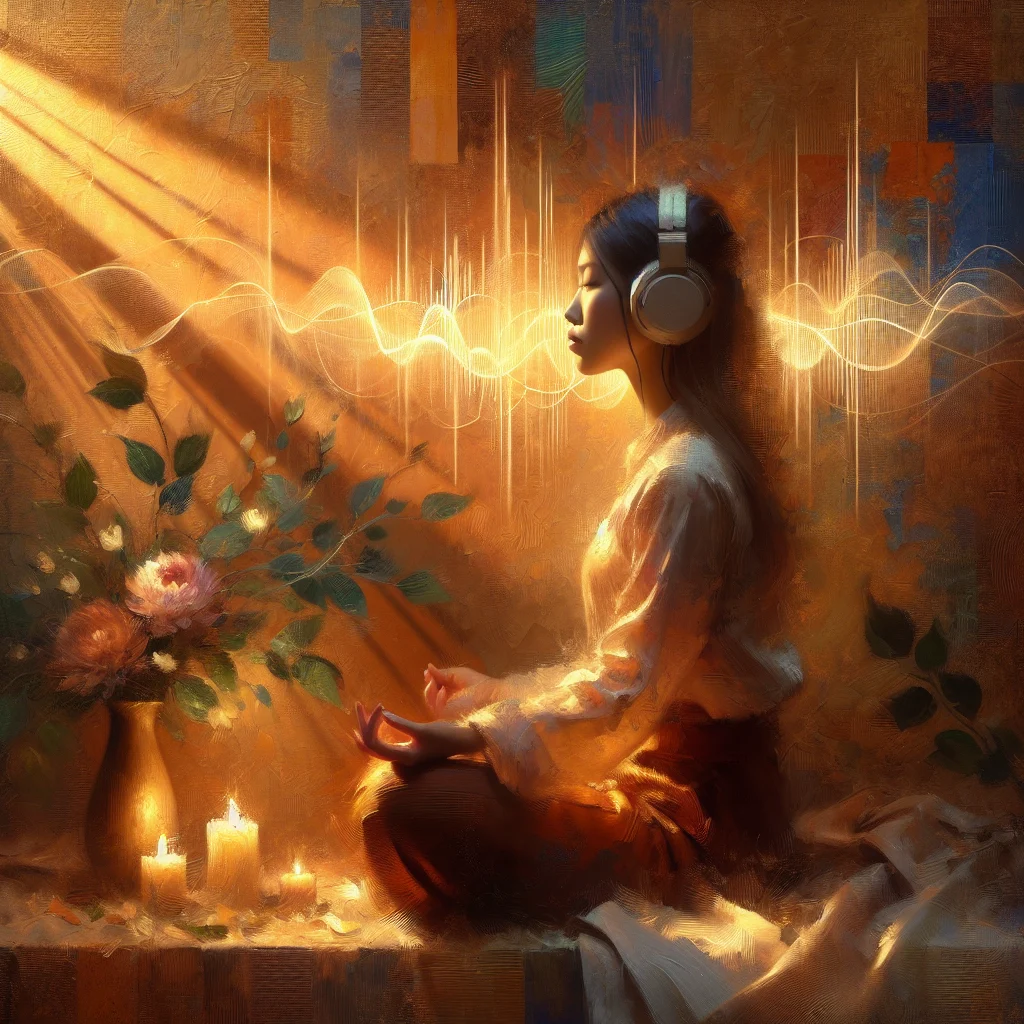
How to Incorporate Healing Frequency Hz Into Your Daily Life
Understanding healing frequencies provides a foundation, but practical application brings the real benefits. Fortunately, incorporating frequency healing into your routine doesn’t require expensive equipment or extensive training. Several accessible methods allow you to begin experimenting with therapeutic frequencies immediately.
Digital Platforms and Applications
Numerous apps and websites offer healing frequency tracks. Platforms like YouTube host thousands of frequency healing videos, many available for free. However, audio quality varies significantly, so invest in decent headphones or speakers to ensure you’re receiving the full frequency spectrum.
When selecting tracks, pay attention to several factors:
- Verify the frequency is accurately tuned (some tracks incorrectly label their frequencies)
- Consider track length—longer sessions often produce more noticeable effects
- Look for tracks without distracting overlays or excessive production
- Read user reviews to gauge effectiveness and quality
Dedicated frequency generator apps allow you to create custom frequency combinations. These apps typically let you adjust Hz measurements, layer multiple frequencies, and control volume and duration. Although they may lack the aesthetic polish of curated tracks, they offer maximum flexibility for experimentation.
Creating a Healing Frequency Practice
Consistency matters more than duration when starting a frequency healing practice. Rather than lengthy occasional sessions, aim for regular shorter exposures. Even 15-20 minutes daily can produce noticeable benefits over time.
Consider these practical suggestions for establishing your practice:
Morning energizing sessions: Start your day with higher frequencies (40 Hz or beta range) to promote alertness and mental clarity. Listening while preparing breakfast or during your morning routine helps establish consistency without requiring additional time commitment.
Midday stress relief: When afternoon stress accumulates, take a brief break with alpha frequency music (8-14 Hz). This can help reset your nervous system and restore focus. Furthermore, this practice complements mindfulness approaches found in mindfulness and meditation resources.
Evening relaxation: Lower frequencies (theta and delta ranges) support the transition into rest mode. Playing these frequencies while preparing for bed or during evening relaxation rituals may improve sleep quality and facilitate the wind-down process.
Meditation enhancement: Incorporate specific frequencies into existing meditation practices. Many practitioners find that theta frequencies (4-8 Hz) deepen meditative states and make it easier to sustain focus. Similarly, combining frequency healing with visualization techniques amplifies both practices.
Physical Frequency Healing Tools
While digital sources provide convenient access, some practitioners prefer physical instruments that generate healing frequencies. Tuning forks calibrated to specific frequencies offer precise, portable frequency therapy. When struck, these forks produce pure tones that can be applied near the body or directly on it (with appropriate technique).
Singing bowls, particularly Tibetan and crystal varieties, produce complex frequency patterns. Although they don’t generate single, precise frequencies like tuning forks, their harmonic overtones create rich acoustic environments that many find deeply therapeutic. Additionally, the tactile involvement of playing instruments adds another dimension to frequency healing practice.
Sound therapy beds and chairs represent more substantial investments. These specialized devices use embedded speakers or transducers to deliver frequencies directly through the body. Professional healing centers increasingly incorporate this technology, and some models have become available for home use.
Safety Considerations and Realistic Expectations
While generally safe, frequency healing does warrant certain precautions. Most importantly, sound therapy should complement, not replace, conventional medical treatment. If you have health concerns, consult healthcare providers before beginning frequency therapy, particularly if you have epilepsy, hearing issues, or use electronic medical devices like pacemakers.
Volume levels matter significantly. Never listen to healing frequencies at excessively loud volumes, as this can damage hearing regardless of the beneficial frequency. Comfortable listening levels produce the same frequency benefits without risk of auditory damage.
Managing Expectations and Individual Variation
Response to healing frequencies varies considerably between individuals. While some people notice immediate effects, others require weeks of consistent practice before experiencing benefits. Genetics, current health status, stress levels, and psychological factors all influence individual responses.
Skepticism is healthy and appropriate. Although many testimonials describe dramatic healing experiences, approach frequency therapy with open-minded curiosity rather than guaranteed expectations. Think of it as one tool in a comprehensive wellness toolkit rather than a miracle cure.
Moreover, negative reactions occasionally occur. Some people find certain frequencies unpleasant, anxiety-provoking, or overstimulating. If you experience discomfort, headaches, or increased anxiety with particular frequencies, discontinue use and try different Hz measurements. Your body’s feedback provides valuable guidance.
Combining Frequency Healing with Other Modalities
Frequency therapy often produces enhanced results when integrated with complementary practices. This integrative approach addresses wellbeing from multiple angles simultaneously, creating synergistic effects that exceed individual practices alone.
Meditation and Mindfulness
Healing frequencies naturally complement meditation practices. The acoustic support helps quiet mental chatter and facilitates entry into meditative states. New meditators particularly benefit from this support, as frequencies provide a concrete focal point when attention wanders.
Experienced practitioners also find value in frequency-enhanced meditation. Different frequencies facilitate different meditation types—lower frequencies support body scans and relaxation techniques, while higher frequencies might enhance insight meditation or contemplative practices.
Energy Work and Holistic Therapies
Many energy healing practitioners integrate specific frequencies into their work. Reiki practitioners, for example, might play particular frequencies during sessions to enhance energy flow. Similarly, chakra balancing often incorporates frequencies associated with each energy center.
Yoga practitioners increasingly use healing frequencies during practice. The combination of physical postures, breathwork, and therapeutic sound creates a multi-dimensional healing experience. Furthermore, this approach aligns with traditional yoga philosophy, which has always recognized sound as a transformative tool.
Those working through emotional challenges might explore how frequency healing supports emotional processing. The relationship between sound and emotional release is well-documented, making frequencies valuable additions to approaches like healing emotional permanence work.
Creative Expression
Artists, writers, and creative professionals use healing frequencies to access flow states and overcome blocks. Certain frequencies appear to enhance creative thinking and problem-solving abilities. Experimenting with different Hz measurements during creative work may reveal which frequencies best support your particular creative process.
The Future of Healing Frequency Hz Research and Application
Interest in frequency healing continues growing within both alternative wellness communities and mainstream medical research. Several promising research directions may transform how we understand and apply healing frequencies in coming years.
Personalized frequency therapy represents one exciting frontier. As we develop more sophisticated measurement tools, practitioners may eventually determine optimal frequency prescriptions based on individual biomarkers, genetic profiles, or real-time physiological feedback. This precision approach could significantly enhance therapeutic effectiveness.
Additionally, combination frequency therapy shows considerable promise. Rather than single frequencies, researchers are exploring precisely calibrated frequency sequences or simultaneous multiple frequency exposure. Early results suggest these complex protocols might produce more robust effects than individual frequencies alone.
Integration with wearable technology offers another development pathway. Devices that monitor physiological states and automatically adjust frequency output based on real-time data could make frequency therapy more responsive and effective. Several companies are already developing prototype devices along these lines.
Final Thoughts: Your Journey with Healing Frequencies
The world of healing frequency Hz offers fascinating possibilities for those seeking natural wellness approaches. While scientific understanding continues evolving, both historical use and emerging research suggest that specific frequencies can meaningfully influence our physical, mental, and emotional states.
Starting your frequency healing journey requires no special equipment or extensive knowledge. Begin with curiosity, experiment with different frequencies, and notice how your body and mind respond. Keep a journal tracking which frequencies you use and any effects you observe—this creates valuable personal data that guides your practice development.
Remember that frequency healing works best as part of a holistic wellness approach. Combine it with proper nutrition, adequate sleep, regular movement, and supportive relationships. When integrated thoughtfully with other holistic living practices, healing frequencies become a powerful tool for transformation and wellbeing.
Whether you’re drawn to the ancient Solfeggio tones, the increasingly researched 40 Hz frequency, or other therapeutic measurements, the key is consistent, mindful practice. Give yourself permission to explore, experiment, and discover which frequencies resonate most deeply with your unique constitution and needs.
Explore our Manifest Your Dreams guide to learn how to combine healing frequencies with manifestation practices for comprehensive personal transformation.
As you continue exploring healing frequency Hz, remain open to the subtle shifts these acoustic tools can facilitate. Transformation often happens gradually, accumulating through consistent practice rather than dramatic singular events. Trust the process, listen to your body’s wisdom, and allow healing frequencies to support your ongoing journey toward greater wellbeing and wholeness.

