
In our fast-paced, hyperconnected world, learning to enjoy slow living has become more than just a trend—it’s a necessary return to balance and wellbeing. While society constantly pushes us toward productivity and constant connectivity, there’s a growing movement of people choosing to step off the hamster wheel and embrace a more intentional way of life.
The philosophy behind slow living isn’t about doing everything at a snail’s pace or abandoning your responsibilities. Instead, it’s about making conscious choices that align with your values and finding joy in simplicity. When you decide to enjoy slow living, you’re essentially reclaiming your time, energy, and attention from the demands that don’t truly serve you.
This comprehensive guide will walk you through the foundations of slow living, practical strategies for implementation, and the profound benefits that come from living more deliberately. Whether you’re feeling burned out, overwhelmed, or simply curious about a different approach to life, this article offers valuable insights into creating a lifestyle that nourishes rather than depletes you.
Discover our Everyday Calm guide to support your journey toward a more peaceful, intentional life.
Understanding the Foundations of Slow Living
Before you can truly enjoy slow living, it’s essential to understand what this lifestyle philosophy actually encompasses. At its core, slow living represents a cultural shift toward intentionality and presence. Rather than rushing through life on autopilot, slow living encourages you to engage fully with each moment and activity.
The slow living definition varies slightly depending on who you ask, but most practitioners agree on several fundamental principles. These include prioritizing quality over quantity, valuing experiences over possessions, and making space for rest and reflection. Additionally, slow living emphasizes connection—to yourself, to others, and to the natural world around you.
According to Wikipedia’s overview of the Slow Movement, this cultural revolution began in Italy during the 1980s as a response to the spread of fast food. However, the philosophy has since expanded far beyond food to encompass nearly every aspect of modern life, from work to relationships to consumption patterns.
The Historical Context Behind the Movement
Understanding where slow living came from helps contextualize why it resonates so deeply today. The Japanese concept of slow living offers particularly rich insights, with practices like ikigai (finding your reason for being) and wabi-sabi (embracing imperfection) providing ancient wisdom for modern challenges.
Similarly, many slow living Bible verses reflect timeless spiritual principles about rest, contentment, and trust. These diverse cultural and spiritual traditions remind us that the yearning for a slower, more meaningful life isn’t new—it’s a recurring human need across centuries and civilizations.
Practical Ways to Enjoy Slow Living Daily
Now that we’ve explored the philosophical foundations, let’s dive into concrete strategies for incorporating slow living into your everyday routine. The beauty of this approach is that you don’t need to make dramatic overnight changes. In fact, slow living itself encourages gradual, sustainable shifts rather than radical transformations.
Morning Rituals That Set the Tone
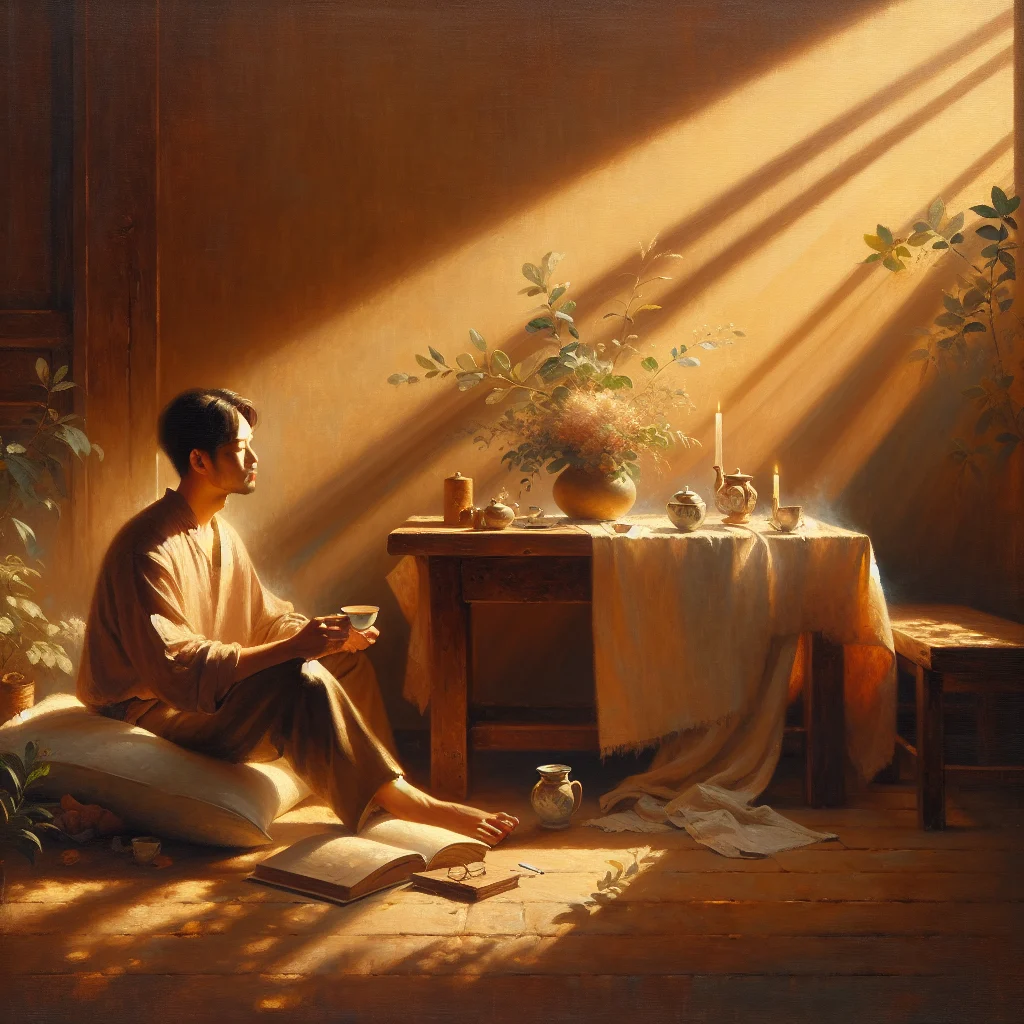
One of the most impactful ways to enjoy slow living is by redesigning your morning routine. Instead of jolting awake to a blaring alarm and immediately checking your phone, consider creating a gentler transition into your day. This might include stretching, journaling, or simply sitting quietly with your morning beverage.
Many people find that incorporating mindfulness and meditation practices into their mornings fundamentally shifts their entire day. Even five to ten minutes of intentional breathing or guided meditation can create a sense of calm that carries through to your other activities.
Furthermore, avoiding screens for the first hour of your day allows your mind to wake naturally without the immediate bombardment of information and demands. This single change can dramatically reduce anxiety and increase your capacity to be present with whatever unfolds throughout your day.
Rethinking Your Relationship with Work
For many people, slow living and work seem incompatible. However, it’s absolutely possible to apply slow living principles even within professional contexts. The key lies in establishing boundaries, clarifying priorities, and resisting the culture of constant availability.
Consider these strategies for bringing slow living into your work life:
- Batch similar tasks together rather than constantly switching contexts, which depletes mental energy
- Schedule regular breaks to reset your focus and prevent burnout throughout the workday
- Protect your deep work time by blocking calendar slots when you’re unavailable for meetings or messages
- Practice single-tasking instead of multitasking, giving your full attention to one project at a time
- Clarify your professional priorities so you can confidently say no to requests that don’t align with your core responsibilities
These adjustments don’t necessarily mean working fewer hours (though they might). Instead, they help you work more intentionally, which typically results in higher quality output and greater job satisfaction. As a result, you’ll find more energy available for the other aspects of life that matter to you.
Creating a Slow Living Home Environment
Your physical environment significantly impacts your ability to enjoy slow living. Cluttered, chaotic spaces create mental clutter and make it difficult to relax fully. Therefore, creating a home that supports slowness and presence is an essential step in this journey.
Begin by decluttering thoughtfully. Rather than embarking on an aggressive purge, slowly evaluate your possessions and keep only what genuinely serves you or brings you joy. This process itself becomes a practice in slow living—taking time to consider each item mindfully rather than making hasty decisions.
Additionally, design spaces in your home dedicated to rest and rejuvenation. This might be a cozy reading corner, a meditation cushion by a window, or a tea station where you can prepare beverages with care and attention. These designated spaces serve as physical reminders to slow down throughout your day.
The Digital Aspect of Slow Living
In today’s hyperconnected world, one of the biggest obstacles to enjoying slow living is our relationship with technology. While digital tools offer undeniable benefits, they also create constant demands on our attention and presence. Learning to use technology intentionally rather than reactively is crucial for anyone committed to slow living.
A digital detox journal can be an excellent tool for tracking your technology use and identifying patterns that don’t serve you. By becoming aware of how often you reach for your phone or how much time you spend scrolling, you can make more conscious choices about your digital consumption.
Practical Digital Boundaries
Implementing digital boundaries doesn’t mean abandoning technology altogether. Instead, it means establishing guardrails that prevent technology from dominating your time and attention. Here are some effective strategies:
- Designate tech-free times during your day, such as the first hour after waking and the last hour before bed
- Remove notifications from non-essential apps so you check them on your schedule, not theirs
- Create phone-free zones in your home, such as the bedroom or dining table
- Use app limiters to automatically restrict your time on particularly addictive platforms
- Practice the “phone stack” game during social gatherings where everyone places their phones in the center of the table
According to research from the Pew Research Center, the average person checks their phone dozens of times daily. While staying connected has value, constant connectivity fragments our attention and prevents the deep presence that slow living cultivates.
Slow Living and Community Connection
An often-overlooked aspect of slow living is its communal dimension. The slow living society movement recognizes that our wellbeing is interconnected with others. Consequently, slowing down isn’t just a personal practice—it can become a shared value that strengthens communities.
When you prioritize quality time with loved ones over constant activity, your relationships deepen. Instead of squeezing friends into your packed schedule for rushed coffee dates, slow living encourages longer, more meaningful gatherings. These might include shared meals prepared together, walks in nature, or simply sitting and talking without the pressure of other commitments.
Moreover, slow living naturally connects you with holistic living principles that recognize the importance of community support, local engagement, and mutual aid. By slowing down, you become more available to notice when others need help and to receive support when you need it.
Building Slow Living Rituals with Others
Creating regular rituals with friends or family members who share your values can reinforce your commitment to slow living. These might include:
- Weekly potluck dinners where everyone contributes a homemade dish and conversation takes center stage
- Monthly book clubs that focus on slow living, mindfulness, or personal growth literature
- Seasonal celebrations that mark the changing year with intentional gatherings rather than commercial consumption
- Craft circles or skill-sharing sessions where you learn traditional or creative practices together
- Nature walks or outdoor adventures that disconnect from devices and reconnect with the natural world
These shared practices not only enrich your own experience of slow living but also create cultural change by modeling an alternative to the rushed, isolated existence that has become normalized in modern society.

The Wellness Benefits of Slow Living
Beyond the philosophical appeal, there are tangible health and wellness benefits to embracing slow living. When you consistently prioritize rest, presence, and intentionality, your body and mind respond positively in measurable ways.
Research consistently shows that chronic stress contributes to numerous health problems, from cardiovascular disease to weakened immune function. By contrast, the practices associated with slow living—such as adequate sleep, mindful eating, regular movement, and stress management—support optimal mental health and wellbeing.
Physical Health Improvements
When you enjoy slow living, you naturally create more space for practices that support physical health. These include preparing nourishing meals from whole ingredients rather than relying on convenience foods, moving your body in ways that feel good rather than punishing exercise regimens, and getting adequate restorative sleep.
Additionally, slow living often incorporates practices like sound healing for sleep and other gentle modalities that support the body’s natural healing capacities. These approaches recognize the healing properties of rest, nature, and gentle stimulation rather than constantly pushing toward more activity and productivity.
Mental and Emotional Wellbeing
Perhaps even more significantly, slow living profoundly impacts mental and emotional health. By reducing overstimulation and creating space for reflection, you develop greater emotional regulation and self-awareness. This aligns beautifully with the principles of personal growth that emphasize knowing yourself deeply.
Furthermore, the practice of slowing down allows you to identify and challenge the internalized narratives that drive restlessness and dissatisfaction. Many people discover that their constant busyness was actually an avoidance strategy—a way of not facing difficult emotions or questions about meaning and purpose.
Through practices found in resources like slow living books, you can develop greater clarity about what truly matters to you. This clarity becomes a foundation for making aligned choices rather than simply reacting to external demands and expectations.
Overcoming Obstacles to Slow Living
While the benefits of slow living are compelling, implementing this lifestyle isn’t always straightforward. Various obstacles—both external and internal—can make it challenging to maintain your commitment to living more slowly and intentionally.
Cultural Resistance and Social Pressure
One significant challenge comes from cultural expectations around productivity and achievement. In many societies, busyness has become a status symbol, and slowing down may be perceived as laziness or lack of ambition. Consequently, you might face skepticism or criticism from others who don’t understand your choices.
However, it’s important to remember that choosing to enjoy slow living is an act of courage, not cowardice. It requires strength to resist cultural conditioning and live according to your own values. Building relationships with others who share these values—whether through the spirituality and inner work community or local slow living groups—can provide essential support.
Internal Resistance and Conditioning
Perhaps even more challenging than external pressure is the internal resistance you might encounter. Years of conditioning have taught many of us that rest is something we must earn, that our worth depends on our productivity, and that slowing down equals falling behind.
These deeply ingrained beliefs don’t disappear overnight simply because you intellectually understand slow living principles. Instead, working through this conditioning becomes part of your journey toward integrated health and wellness, addressing not just behaviors but the underlying beliefs that drive them.
Practices from affirmations and positive thinking can support this internal shift. By consciously choosing thoughts that support slow living—such as “I am enough exactly as I am” or “Rest is productive”—you gradually rewire your mental patterns.
Slow Living Throughout the Seasons
One beautiful aspect of slow living is how it reconnects you with natural rhythms and cycles. Rather than maintaining the same pace year-round, you can attune yourself to seasonal changes and adjust your activities accordingly. This seasonal approach honors the reality that energy and focus naturally fluctuate throughout the year.
During spring, you might emphasize renewal and growth, taking on new projects or clearing out what no longer serves you. Summer often brings more social energy and outdoor activities. Autumn invites reflection and preparation, while winter naturally calls for rest and introspection.
By aligning your lifestyle with these natural cycles rather than fighting against them, you create a more sustainable rhythm. This seasonal awareness also deepens your connection to place and helps you appreciate the unique gifts each time of year offers.
Creating Seasonal Rituals
Marking seasonal transitions with intentional rituals enhances your slow living practice. These might include:
- Seasonal menu shifts that emphasize local, in-season produce and traditional foods
- Wardrobe transitions done mindfully, evaluating what you actually need and love
- Home decor changes that reflect the current season’s colors and textures
- Outdoor activities specific to each season, from winter stargazing to summer berry picking
- Solstice and equinox celebrations that honor the turning of the year
These practices ground you in the present moment and create anticipation and appreciation for the natural flow of time. Rather than experiencing time as a relentless forward march, you begin to perceive its cyclical nature.
Integrating Slow Living with Modern Responsibilities
A common misconception about slow living is that it requires abandoning modern life entirely—perhaps moving to a remote cabin or drastically reducing your income. While some people do choose significant lifestyle changes, it’s entirely possible to enjoy slow living while maintaining professional responsibilities, family commitments, and urban living situations.
The key lies in integration rather than elimination. You’re not trying to remove yourself from the world but rather to engage with it more consciously. This means making deliberate choices about where you invest your time and energy rather than defaulting to society’s expectations.
Slow Living with Children
Parents often wonder how slow living works with children’s schedules and needs. In reality, slow living can profoundly benefit families by reducing overscheduling, creating more quality time together, and modeling healthy boundaries around technology and consumption.
Instead of shuttling children between numerous extracurricular activities, slow living families might prioritize unstructured play time, family meals, and outdoor exploration. These simple activities support child development more effectively than packed schedules while also creating space for genuine connection.
Financial Considerations
Another concern people express about slow living involves finances. If you’re working less or prioritizing time over money, can you still meet your financial obligations? While everyone’s situation differs, many slow living practitioners discover that their expenses naturally decrease as they consume less and prioritize experiences over possessions.
Moreover, slow living doesn’t necessarily mean earning less money. Instead, it often means finding work that aligns with your values and working more intentionally. Some people negotiate part-time schedules or remote work arrangements. Others start businesses that allow greater autonomy and flexibility.
The resources and tools available for slow living continue to expand as more people embrace this lifestyle, offering guidance for everything from simplifying finances to finding meaningful work.
The Spiritual Dimension of Slow Living
For many practitioners, slow living becomes a spiritual practice—a way of cultivating presence, gratitude, and connection to something larger than oneself. Whether you approach this through traditional religious frameworks or more secular mindfulness practices, slowing down creates space for the contemplative dimension of life.
When you’re constantly rushing from one task to the next, there’s little room for the big questions: What am I here for? What truly matters? How do I want to show up in the world? Slow living creates the spaciousness necessary for these inquiries to emerge and unfold.
This connects beautifully with practices around visualization and manifestation. When you slow down enough to get clear about your authentic desires—not what you think you should want—you can then direct your energy toward manifesting those intentions.
Contemplative Practices That Support Slow Living
Various contemplative traditions offer practices that naturally complement slow living. These include:
- Meditation in its many forms, from seated practice to walking meditation to loving-kindness cultivation
- Prayer or devotional practices that create connection with the sacred or divine
- Journaling as a tool for self-reflection and processing experiences
- Nature connection practices that foster awareness of our interdependence with the natural world
- Gratitude practices that shift attention toward abundance and appreciation
These practices don’t need to consume hours of your day. Even brief, consistent engagement with contemplative practices can profoundly shift your experience of daily life, helping you enjoy slow living more fully.
Taking Your First Steps Toward Slow Living
If you’re feeling inspired to begin your slow living journey, you might be wondering where to start. The beauty of this philosophy is that there’s no single correct path. Your slow living practice will look different from anyone else’s because it should reflect your unique circumstances, values, and desires.
However, some general principles can guide your initial steps. First, start small rather than attempting to overhaul your entire life overnight. Choose one area where you’d like to create more slowness and intentionality—perhaps mornings, meals, or evenings—and begin there. As that change becomes integrated, you can gradually expand to other areas.
Second, approach slow living with curiosity rather than rigidity. This isn’t about following rules perfectly but rather about experimenting to discover what supports your wellbeing. Some practices will resonate deeply while others won’t fit your life, and that’s completely fine.
Your 30-Day Slow Living Experiment
Consider committing to a 30-day experiment with slow living principles. This timeframe is long enough to experience genuine shifts but short enough not to feel overwhelming. Here’s a simple framework:
- Week 1: Focus on morning routines—wake up 15 minutes earlier to create a peaceful start to your day
- Week 2: Address digital habits—implement one boundary around technology use
- Week 3: Simplify your schedule—remove or reduce one commitment that doesn’t truly serve you
- Week 4: Create connection—prioritize quality time with someone important to you without distractions
Throughout this experiment, journal about your experiences. What feels challenging? What brings unexpected joy? What resistances arise? This reflection process itself embodies slow living principles by creating space for awareness and learning.
To support your journey, explore The Self-Love Reset, which offers practical guidance for reconnecting with yourself and your authentic needs—an essential foundation for slow living.
Embracing the Journey to Enjoy Slow Living
As we’ve explored throughout this article, learning to enjoy slow living represents a fundamental shift in how you relate to time, productivity, and what constitutes a meaningful life. It’s not about perfection or achieving some idealized state but rather about consistently choosing presence, intentionality, and alignment with your deepest values.
The journey toward slow living is itself slow—unfolding gradually as you release old patterns and cultivate new ones. There will be days when you fall back into rushing and reactivity, and that’s perfectly natural. What matters is your commitment to returning again and again to the practices and principles that support a slower, more conscious way of being.
Remember that slow living isn’t selfish or indulgent. By taking care of yourself and living intentionally, you become more capable of contributing meaningfully to your relationships, communities, and the broader world. You can’t pour from an empty cup, and slow living ensures you’re consistently refilling yours.
Moreover, as more individuals embrace slow living, we collectively create cultural change. Each person who chooses presence over productivity, quality over quantity, and meaning over material accumulation helps shift societal norms and expectations. Your personal practice becomes part of a larger movement toward more sustainable, humane ways of living.
Whether you’re just beginning to explore slow living or you’ve been practicing for years, there’s always deeper to go. Each season of life presents new opportunities to apply these principles, new areas where you can bring more consciousness and care. The invitation is to approach this journey with patience, self-compassion, and a sense of adventure.
As you continue on your path, remember that resources and community support are available. Whether through books, online communities, local groups, or professional guidance, you don’t have to navigate this transformation alone. Reaching out for support and inspiration is itself an act of slow living—recognizing that we’re interdependent beings who thrive through connection.
Start today with one small choice toward slowness. Put down your phone and really taste your next meal. Take three conscious breaths before responding to that stressful email. Spend five minutes watching clouds move across the sky. These tiny moments of presence accumulate into a transformed life—one where you truly enjoy slow living in all its richness and depth.
Discover how to manifest your dreams and create the slow, intentional life you’ve been longing for.
