
If you’ve ever felt your heart racing, your thoughts spiraling, or that familiar knot tightening in your stomach, you’re not alone. Anxiety affects millions of people worldwide, creating a constant state of worry that can feel overwhelming. However, meditation to calm anxiety offers a scientifically-backed, accessible solution that anyone can practice, regardless of experience level.
The beauty of meditation lies in its simplicity. Unlike medication or complex therapies, it requires nothing more than your breath, your attention, and a few quiet moments. In fact, studies show that regular meditation practice can significantly reduce anxiety symptoms while improving overall mental health and wellbeing.
This comprehensive guide will walk you through everything you need to know about using meditation to manage anxiety effectively. From understanding the science behind it to learning practical techniques you can start today, you’ll discover how this ancient practice can transform your relationship with worry and stress.
If you’re ready to begin your journey toward lasting calm, consider starting with our Everyday Calm: A Beginner’s Guide to Daily Meditation. This resource provides structured support for building a sustainable meditation practice specifically designed for anxiety relief.
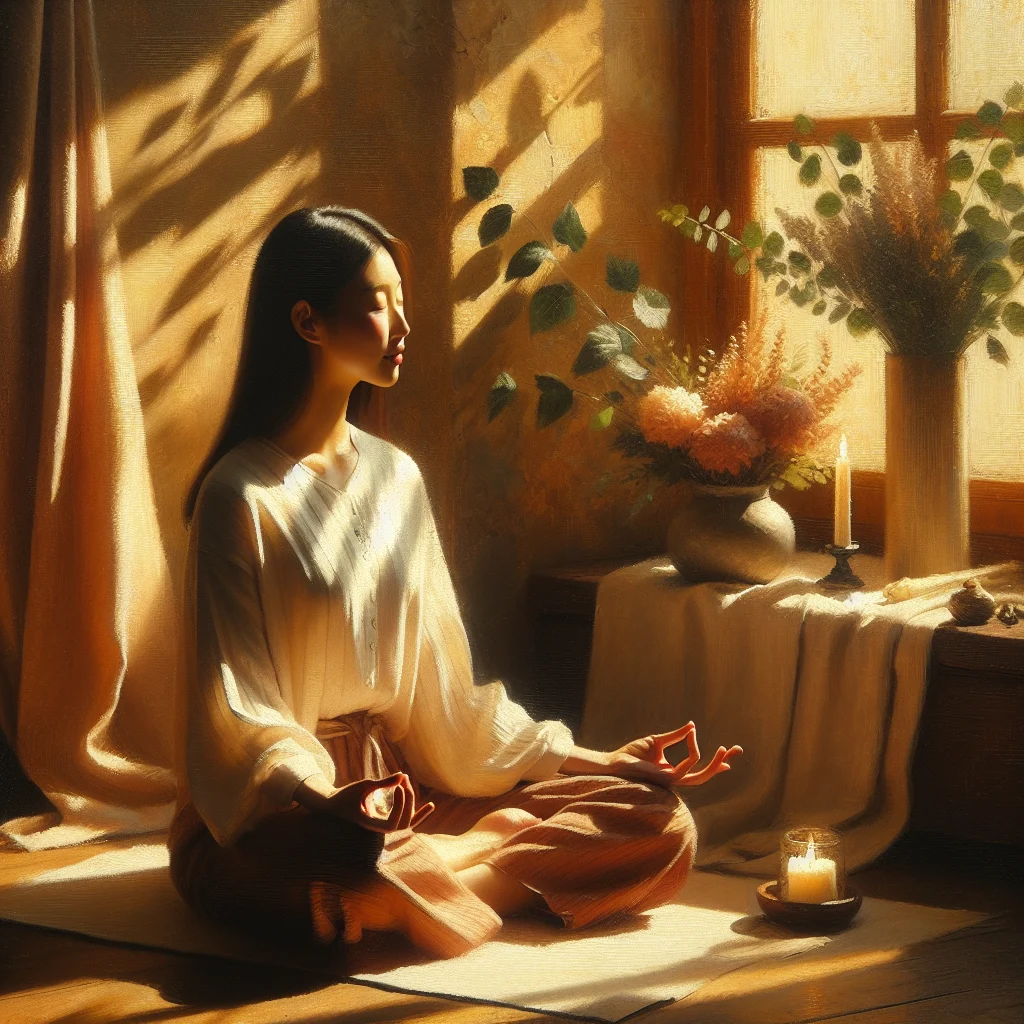
Understanding the Connection Between Meditation and Anxiety
Before diving into specific techniques, it’s essential to understand why meditation works so effectively for anxiety. The relationship between meditation and mental health has been studied extensively, revealing fascinating insights into how our brains respond to regular practice.
The Science Behind Meditation for Anxiety Relief
Research from institutions like Harvard Medical School demonstrates that meditation directly impacts the amygdala, the brain’s fear center. Regular practice actually shrinks this area while strengthening the prefrontal cortex, which governs rational thinking and emotional regulation.
Moreover, meditation activates the parasympathetic nervous system, often called the “rest and digest” response. This biological shift counteracts the “fight or flight” mode that anxiety keeps you trapped in. As a result, your body learns to return to a calm baseline more quickly after stressful events.
Additionally, meditation increases production of GABA, a neurotransmitter that promotes relaxation. Low GABA levels are commonly associated with anxiety disorders, making meditation a natural way to restore chemical balance without pharmaceutical intervention.
How Anxiety Manifests in the Body and Mind
Anxiety isn’t just a mental experience—it’s a full-body phenomenon. Physical symptoms include rapid heartbeat, shallow breathing, muscle tension, digestive issues, and fatigue. Meanwhile, mental symptoms range from racing thoughts and catastrophic thinking to difficulty concentrating and persistent worry.
Because anxiety affects both mind and body simultaneously, meditation’s holistic approach addresses all these symptoms at once. By calming the nervous system while redirecting thought patterns, it breaks the cycle that keeps anxiety alive.
Furthermore, anxiety often creates a disconnection from the present moment. You’re either worrying about the future or ruminating on the past. Meditation brings you back to now, where most feared scenarios don’t actually exist.
Essential Meditation Techniques to Calm Anxiety
Now that you understand the foundation, let’s explore specific meditation practices proven to reduce anxiety. Each technique offers unique benefits, so experiment to find what resonates most with you.
Breath-Focused Meditation for Immediate Relief
Breath awareness is the cornerstone of meditation to calm anxiety because your breath is always available and directly influences your nervous system. When anxiety strikes, your breathing becomes shallow and rapid, signaling danger to your brain.
To practice breath-focused meditation, follow these steps:
- Find a comfortable seated position or lie down if needed
- Close your eyes and bring attention to your natural breath
- Notice the sensation of air entering and leaving your nostrils
- Count slowly: inhale for four counts, hold for four, exhale for six
- Continue for 5-10 minutes, gently returning focus when your mind wanders
The extended exhale is particularly powerful because it stimulates the vagus nerve, which signals your body to relax. In addition, counting provides your anxious mind with a simple task, preventing it from spiraling into worry.
For those new to breathwork, our guide on meditation to start the day offers excellent morning breathing exercises that set a calm tone for hours ahead.
Body Scan Meditation for Physical Tension Release
Anxiety often manifests as physical tension you don’t even notice until it becomes chronic. Body scan meditation systematically releases this tension while reconnecting you with physical sensations in a safe, controlled way.
Begin by lying down comfortably. Starting at your toes, slowly move attention through each body part: feet, ankles, calves, knees, thighs, and so on. At each location, notice any tension, tightness, or sensation without judgment. Breathe into those areas, imagining the breath carrying relaxation and the exhale releasing stress.
This practice typically takes 15-30 minutes and proves especially helpful before sleep when anxiety often intensifies. However, even a five-minute abbreviated version can provide significant relief during acute anxiety episodes.
Loving-Kindness Meditation for Anxiety Rooted in Self-Criticism
Many people experience anxiety intertwined with harsh self-judgment and perfectionism. Loving-kindness meditation (also called metta meditation) cultivates compassion toward yourself and others, softening the critical inner voice that fuels anxiety.
The practice involves silently repeating phrases like:
- May I be safe
- May I be peaceful
- May I be healthy
- May I live with ease
After directing these wishes toward yourself, extend them to loved ones, neutral people, difficult people, and finally all beings. Research published in Psychology journals shows this practice significantly reduces anxiety while increasing positive emotions and social connection.
Guided Meditation for Structure and Support
When anxiety makes it difficult to focus independently, guided meditation provides external structure that keeps your attention anchored. A calming voice walks you through the practice, reducing the cognitive load that feels overwhelming during anxious periods.
Guided sessions range from five minutes to an hour, addressing specific concerns like sleep anxiety, panic attacks, or general stress. Many people find that having someone guide them feels supportive and less isolating than practicing alone.
Numerous apps and YouTube channels offer free guided meditations for anxiety. Alternatively, working with recorded sessions allows you to replay favorites whenever needed, creating reliable touchstones during difficult moments.
Building a Consistent Meditation Practice for Long-Term Anxiety Management
While meditation provides immediate relief during acute anxiety, its most profound benefits emerge through consistent practice. Building a sustainable routine requires understanding common obstacles and implementing strategies to overcome them.
Starting Small and Setting Realistic Goals
One of the biggest mistakes beginners make is attempting hour-long sessions right away. This approach typically leads to frustration and abandonment. Instead, start with just 3-5 minutes daily, gradually increasing as the habit solidifies.
Consider using the five-minute guided morning meditation approach to establish consistency without overwhelming yourself. Morning practice offers particular benefits because it sets a calm foundation before daily stressors accumulate.
Furthermore, attach your meditation practice to an existing habit—this technique, called habit stacking, dramatically increases success rates. For example, meditate immediately after brushing your teeth or before your morning coffee.
Creating a Dedicated Meditation Space
Environmental cues significantly impact habit formation. Designating a specific spot for meditation signals your brain that it’s time to practice, making the transition easier.
Your meditation space doesn’t need to be elaborate. A quiet corner with a cushion or chair works perfectly. However, adding elements like soft lighting, calming scents, or meaningful objects can enhance the experience and strengthen the ritual.
Additionally, this space becomes associated with calm over time, so simply sitting there begins to trigger relaxation even before you start meditating.
Tracking Progress Without Perfectionism
Paradoxically, anxiety often makes people perfectionistic about their meditation practice, creating stress around something designed to reduce stress. Remember that meditation isn’t about achieving a blank mind or perfect stillness—those are myths that discourage beginners.
Instead, track simple metrics like days practiced and duration. Celebrate consistency over performance. Some days will feel calm and focused; others will feel restless and distracted. Both are valuable practice.
Many practitioners benefit from keeping a meditation journal, noting how they felt before and after sessions. This record helps you recognize patterns and progress that aren’t immediately obvious, providing motivation during challenging periods.
Complementary Practices That Enhance Meditation for Anxiety
While meditation powerfully addresses anxiety on its own, combining it with complementary practices creates a comprehensive approach to mental wellbeing that addresses multiple aspects simultaneously.
Mindfulness Throughout Daily Activities
Meditation trains your attention, but mindfulness applies that skill throughout your day. Informal mindfulness means bringing full presence to routine activities: feeling the water during dishwashing, savoring each bite during meals, or noticing sensations while walking.
This extension of meditation practice prevents anxiety from building between formal sessions. Moreover, it helps you catch anxious thought patterns early, before they spiral into full-blown anxiety episodes.
The Mindfulness & Meditation resources on our blog offer extensive guidance for integrating mindfulness into various aspects of daily life.
Journaling and Self-Reflection
Combining meditation reading and journaling creates powerful synergy. After meditation, spend a few minutes writing about thoughts, feelings, or insights that emerged during practice.
This process helps externalize anxious thoughts, making them less overwhelming. Furthermore, journaling reveals thought patterns and triggers you might not consciously recognize, enabling more targeted anxiety management strategies.
Consider prompts like: What am I grateful for today? What’s one small thing I can control right now? What would I tell a friend experiencing these thoughts? These questions redirect attention toward constructive perspectives rather than anxiety’s typical catastrophizing.
Movement and Physical Exercise
Physical activity complements meditation beautifully because it releases pent-up nervous energy that meditation alone sometimes cannot address. Yoga particularly combines movement with breathwork and mindfulness, making it an ideal companion practice.
Even simple walking meditation—slowly pacing while maintaining present-moment awareness—provides both physical activity and meditative benefits. The key is choosing movement that feels enjoyable rather than adding another “should” to your list.
Research consistently shows that combining exercise with meditation produces superior anxiety reduction compared to either practice alone. The physical outlet helps discharge stress hormones while meditation retrains your mental response patterns.

Overcoming Common Challenges in Meditation Practice
Despite meditation’s proven benefits, many people encounter obstacles that make consistent practice difficult. Understanding these challenges and having strategies to address them prevents abandonment when difficulties arise.
Managing Racing Thoughts During Meditation
Perhaps the most common complaint is “I can’t meditate because my mind won’t stop racing.” However, this misunderstands meditation’s purpose. The goal isn’t stopping thoughts but changing your relationship with them.
When thoughts arise—and they will—simply notice them without judgment and gently return attention to your breath or chosen focus point. Think of thoughts like clouds passing through the sky of your awareness. You don’t need to grab them or push them away; just let them drift by.
In fact, the practice of noticing thoughts and returning attention is the meditation. Each time you do this, you’re strengthening the neural pathways that help you disengage from anxious thinking patterns.
Dealing with Physical Discomfort
Sitting still can feel uncomfortable, especially when beginning. Anxiety often manifests as restlessness, making stillness challenging. Remember that meditation doesn’t require a specific posture—you can practice lying down, sitting in a chair, or even standing.
The key is finding a position that’s comfortable enough to maintain but alert enough to prevent falling asleep. Experiment with different options: cushions, meditation benches, chairs with back support, or reclining positions.
Additionally, shorter sessions naturally involve less physical discomfort. As your body adapts and you develop the ability to relax more deeply, longer sessions become comfortable naturally.
Finding Time in a Busy Schedule
Time scarcity is perhaps the most cited barrier to meditation. However, this often reflects prioritization rather than actual time constraints. Consider that you likely spend time on social media, television, or other activities that could be replaced or reduced.
Furthermore, meditation actually creates time by improving focus, decision-making, and emotional regulation—all of which increase efficiency throughout your day. The 10-20 minutes invested in practice pays dividends in reduced time spent worrying, procrastinating, or recovering from anxiety episodes.
If mornings feel rushed, try meditation during lunch breaks, after work, or before bed. Even practicing ten minute meditation sessions provides significant benefits when done consistently.
When to Seek Professional Support Alongside Meditation
While meditation offers powerful anxiety relief, it’s important to recognize when professional help is necessary. Meditation works beautifully as part of comprehensive mental health care but shouldn’t replace professional treatment for severe anxiety disorders.
Recognizing When Additional Help Is Needed
Consider seeking professional support if anxiety significantly impairs daily functioning, prevents you from working or maintaining relationships, or includes panic attacks, phobias, or obsessive-compulsive symptoms. Additionally, if anxiety co-occurs with depression, substance use, or thoughts of self-harm, professional intervention becomes essential.
Meditation complements therapy and medication wonderfully. Many therapists incorporate mindfulness-based approaches into treatment, recognizing meditation’s evidence-based benefits. Rather than choosing between meditation and professional care, the most effective approach often combines both.
Organizations like the National Institute of Mental Health provide resources for understanding anxiety disorders and finding appropriate treatment options.
Integrating Meditation with Therapeutic Approaches
Several therapeutic modalities explicitly incorporate meditation. Mindfulness-Based Stress Reduction (MBSR), developed by Jon Kabat-Zinn, combines meditation with education about stress and coping. Mindfulness-Based Cognitive Therapy (MBCT) specifically targets depression and anxiety through meditation and cognitive techniques.
Discussing your meditation practice with your therapist allows them to support and enhance your efforts. They can suggest specific techniques for your particular anxiety patterns and help you work through difficulties that arise during practice.
For those interested in deepening their practice, exploring Mental Health & Wellbeing resources provides additional perspectives on integrating meditation into comprehensive self-care strategies.
Advanced Meditation Practices for Deeper Anxiety Relief
Once you’ve established a foundation through basic techniques, exploring advanced practices can deepen your experience and address more subtle aspects of anxiety that surface over time.
Insight Meditation for Understanding Anxiety’s Roots
Also called Vipassana, insight meditation involves observing thoughts, emotions, and sensations with investigative curiosity rather than simply focusing on breath. This approach helps you understand the conditions that trigger anxiety and recognize its impermanent nature.
During practice, you might notice that anxiety actually consists of rapidly changing thoughts, physical sensations, and emotions rather than a solid, unchanging experience. This realization creates space and reduces anxiety’s overwhelming quality.
Furthermore, insight meditation reveals how certain thought patterns perpetuate anxiety. You might notice catastrophic thinking, over-identification with thoughts, or resistance to uncomfortable feelings—all patterns you can consciously shift once aware of them.
Working with Mantras and Affirmations
Some practitioners find that repeating calming phrases during meditation provides additional support for managing anxious thoughts. Simple mantras like “I am safe,” “This too shall pass,” or “I breathe in calm, I breathe out worry” give the mind constructive focus.
This technique connects meditation with Affirmations & Positive Thinking, creating neurological pathways that support calmer default thought patterns. Repetition gradually makes these perspectives more automatic, replacing anxiety’s typical narratives.
Traditional practices like high frequency sound meditation combine mantras with vibrational healing, offering another dimension to anxiety relief for those drawn to such approaches.
Exploring Visualization Techniques
Visualization meditation involves creating detailed mental images of calming scenes or desired outcomes. For anxiety relief, you might visualize a safe, peaceful place—perhaps a beach, forest, or comfortable room—engaging all senses to make the experience vivid.
This practice works because your nervous system responds to imagined experiences similarly to real ones. By repeatedly visualizing calm, safe scenarios, you train your body to access relaxation more readily, even during stressful situations.
Additionally, visualization can address specific anxieties. If social situations trigger anxiety, you might visualize successfully navigating them while feeling calm and confident. This mental rehearsal reduces anxiety when facing similar situations in reality.
Creating a Supportive Community Around Your Practice
While meditation is an individual practice, connecting with others pursuing similar goals provides encouragement, accountability, and shared wisdom that enhances your journey with meditation to calm anxiety.
Finding Meditation Groups and Classes
Local meditation centers, yoga studios, community centers, and religious organizations frequently offer meditation classes or sitting groups. These gatherings provide structure, instruction, and the powerful experience of meditating collectively.
Group energy often helps deepen practice, and hearing others’ experiences normalizes the challenges you face. Moreover, experienced teachers can offer personalized guidance that addresses your specific obstacles.
If in-person groups aren’t accessible, online communities and virtual meditation sessions offer similar benefits. Many organizations now host live-streamed group meditations, creating connection despite physical distance.
Sharing Your Journey Mindfully
Talking about your meditation practice with trusted friends or family can strengthen commitment and create support systems. However, be selective—not everyone understands meditation’s benefits, and skeptical responses might discourage you unnecessarily.
Consider joining online forums or social media groups dedicated to meditation and anxiety management. These spaces offer understanding, practical tips, and encouragement from people navigating similar challenges.
Resources like our mindfulness newsletter provide regular inspiration and guidance, helping you stay connected to your practice even during busy or difficult periods.
Conclusion: Your Journey Toward Lasting Calm Begins Now
Meditation to calm anxiety isn’t a quick fix or magical solution—it’s a skill developed through patient, consistent practice. However, the investment of time and effort yields profound returns: reduced anxiety symptoms, improved emotional regulation, enhanced resilience, and a fundamentally different relationship with your thoughts and feelings.
The techniques and insights shared throughout this guide provide a comprehensive foundation for using meditation to manage anxiety effectively. Remember that your practice will be unique to you. What works for others might not resonate, and that’s perfectly fine. The key is experimenting, staying curious, and approaching yourself with compassion throughout the process.
Start small, be patient with yourself, and trust the process. Even a few minutes daily creates positive change that compounds over time. As you develop your practice, you’ll likely notice anxiety losing its grip, replaced gradually by greater calm, clarity, and confidence in your ability to navigate life’s challenges.
If you’re ready to commit to your wellbeing and build a structured meditation practice specifically designed for anxiety relief, explore our Everyday Calm: A Beginner’s Guide to Daily Meditation. This comprehensive resource provides step-by-step support, removing the guesswork and helping you establish the consistent practice that transforms anxiety into lasting peace.
Your journey toward inner calm begins with a single breath, a single moment of presence. That moment is available right now, whenever you’re ready to claim it.

