
When we think about self-love, it’s easy to picture a solitary practice—someone meditating alone or journaling in a quiet room. However, some of the most powerful self-love experiences happen in community. Self love group activities create spaces where people can support each other, share vulnerabilities, and grow together in ways that solo practices simply can’t match.
Building self-love isn’t always a journey we need to take alone. In fact, gathering with others who are committed to the same goal can accelerate your progress and make the process more enjoyable. Whether you’re organizing activities for friends, leading a wellness group, or participating in community events, group settings offer unique opportunities for reflection, connection, and transformation.
Because we’re social beings by nature, sharing our experiences with others helps us feel seen and validated. Through The Self-Love Reset: A Journey to Rediscover Yourself, you can discover practical exercises that work beautifully both in solo and group settings, helping everyone on their path toward greater self-acceptance.

Why Practice Self Love in Groups?
The concept of group-based self-love might seem counterintuitive at first. After all, isn’t self-love supposed to be about focusing on yourself? While that’s partially true, the reality is that community amplifies individual growth in remarkable ways.
Research from studies on social connection shows that humans thrive when they feel part of a supportive community. When we practice self-love activities together, we create accountability, receive immediate feedback, and benefit from collective wisdom. Moreover, witnessing others on their self-love journey reminds us that we’re not alone in our struggles.
Breaking the Isolation of Self-Doubt
Many people struggle with self-love because they feel isolated in their negative self-perception. They believe they’re the only ones who struggle with self-criticism or doubt. However, group activities shatter this illusion quickly.
When someone shares their insecurities in a safe group setting, others often respond with recognition and empathy. This validation is incredibly powerful. As a result, participants realize their challenges are universal rather than unique character flaws. This realization alone can be transformative for someone beginning their self-love journey.
The Mirror Effect: Learning from Others
Interestingly, group settings create what psychologists call “mirroring opportunities.” When you observe someone else practicing self-compassion or setting healthy boundaries, you learn by example. These real-time demonstrations often teach more effectively than any book or lecture could.
Furthermore, giving support to others reinforces the same principles in yourself. When you encourage someone else to be kinder to themselves, you simultaneously internalize that message. This reciprocal learning makes group activities especially valuable for those seeking help with building self-love and confidence.
Best Self Love Group Activities for Connection
Now let’s explore specific activities that work exceptionally well in group settings. These exercises have been tested in various community contexts and consistently produce meaningful results for participants.
Gratitude Circles
A **gratitude circle** is one of the simplest yet most powerful self love group activities. Participants sit in a circle and take turns sharing something they’re grateful for about themselves. This could be a personal quality, a recent accomplishment, or simply something they appreciate about their body or mind.
The structure is straightforward:
- Gather participants in a comfortable circle
- Establish a talking piece (any object passed around to indicate whose turn it is)
- Each person shares one gratitude about themselves
- Others listen without interrupting or offering advice
- Optional: After everyone shares, participants can affirm one another
This activity connects beautifully with the principles explored in gratitude practices, while focusing specifically on self-appreciation rather than external blessings.
Affirmation Exchange Workshops
In an **affirmation exchange**, participants write positive affirmations for each other based on observations and authentic appreciation. Unlike generic compliments, these affirmations focus on character qualities, strengths, and potential.
Here’s how it works:
- Participants spend time together in conversation or activities
- Each person receives notecards with others’ names
- Everyone writes a specific, meaningful affirmation for each person
- Affirmations are collected and distributed
- Time is given for private reading and reflection
Because these affirmations come from authentic observation, they often land more powerfully than self-generated ones. People discover qualities in themselves they hadn’t recognized, seeing themselves through others’ appreciative eyes.
Guided Visualization Journeys
Group **guided visualization** creates a shared experience of inner exploration. One person (or a recording) leads the group through an imaginary journey focused on self-acceptance, meeting your inner child, or envisioning your ideal self.
The group setting enhances this practice in several ways. First, the collective energy helps participants relax and go deeper into the visualization. Second, sharing experiences afterward reveals common themes and provides validation. Finally, hearing how others interpreted the same journey offers new perspectives on your own experience.
For those interested in deepening their visualization practice, the Visualization & Manifestation category offers numerous resources and techniques to explore.
Self-Compassion Letter Writing
This activity combines solo reflection with group support. Participants write letters to themselves from the perspective of a compassionate friend or mentor, then share portions with the group if they feel comfortable.
The process unfolds like this:
- Set aside 15-20 minutes for quiet writing
- Prompt participants to address a specific struggle or insecurity
- Write from a place of unconditional compassion and understanding
- Optionally share key passages with the group
- Discuss what emerged during the writing process
While the writing itself is personal, the group context provides accountability and makes it easier to access compassionate language. Additionally, hearing excerpts from others’ letters often inspires more authentic self-compassion in your own writing.
Interactive Self Love Group Activities
Some of the most memorable group experiences come from activities that get people moving, laughing, and interacting in playful ways. These exercises lower defenses and create genuine connection.
Mirror Work Pairs
**Mirror work** involves looking at yourself in a mirror while speaking affirmations or simply making eye contact with yourself. In a group setting, this can be adapted into a partnered activity that feels less intimidating than solo mirror work.
Partners sit facing each other and take turns making eye contact while the other person offers verbal affirmations. The person receiving affirmations practices simply receiving—not deflecting, minimizing, or returning compliments. This exercise teaches the crucial skill of accepting positive feedback, which many people find surprisingly difficult.
After both partners have had a turn, they discuss what came up emotionally. Most people discover resistance to receiving praise, which reveals important information about their relationship with self-love.
Strength Spotting
This activity trains participants to recognize and articulate strengths in themselves and others. The group divides into pairs or small teams and engages in a simple collaborative task—building something with materials, solving a puzzle, or planning something together.
During the activity, each person actively notices when their partner demonstrates a strength: creativity, patience, problem-solving, humor, leadership, or any other positive quality. Afterward, partners share what strengths they observed in each other.
Because these observations emerge from real interaction rather than abstract thinking, they feel authentic and specific. Furthermore, practicing strength-spotting in others develops the same skill for recognizing your own strengths—a cornerstone of sustainable self-love.
Boundary Setting Role-Plays
**Healthy boundaries** are essential for self-love, yet many people struggle to establish them. Group role-plays provide a safe space to practice boundary-setting language and receive immediate feedback.
Participants take turns practicing scenarios like:
- Declining an invitation without guilt or over-explanation
- Asking someone to stop behavior that makes you uncomfortable
- Expressing a need or preference that differs from others’
- Protecting your time and energy from excessive demands
The group setting normalizes boundary-setting as a healthy practice rather than selfishness. Moreover, witnessing others set boundaries successfully builds confidence to do the same in your own life.
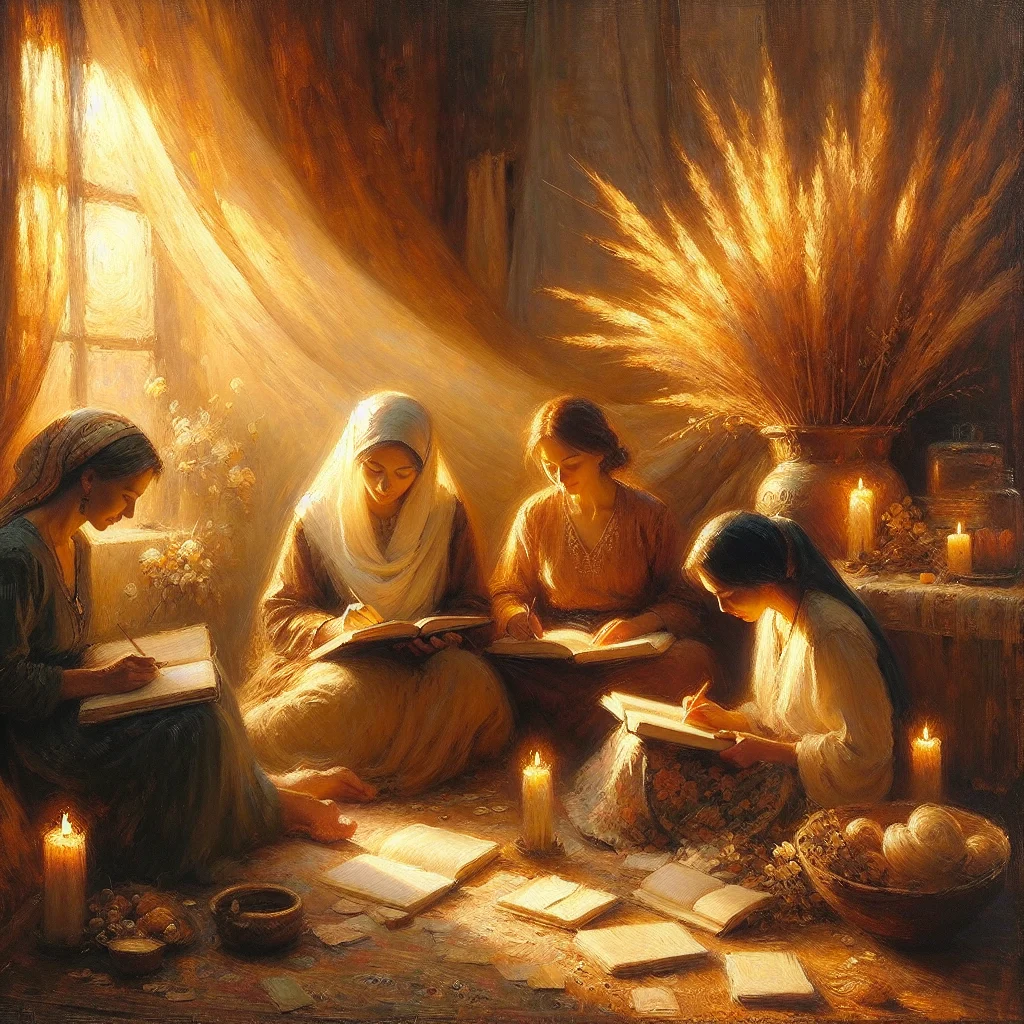
Creative Expression Activities for Self-Discovery
Creative activities bypass the analytical mind and access deeper truths about ourselves. In group settings, creative expression becomes both a personal exploration and a shared experience that builds connection.
Collage Creation Circles
**Vision collages** focused on self-love allow participants to explore their aspirations, values, and self-perception through images rather than words. Provide magazines, scissors, glue, and poster boards, then let creativity flow.
The prompt might be: “Create a collage representing who you are becoming” or “Show yourself what self-love looks like for you.” The non-verbal nature of this activity helps people access feelings and insights that might not emerge through discussion alone.
After creation time, participants share their collages with the group, explaining what they included and why. Interestingly, the act of articulating the meaning behind image choices often reveals insights that weren’t conscious during the creation process.
Movement and Dance
Embodied practices help people reconnect with their bodies as sources of wisdom rather than objects to be judged. **Intuitive movement sessions** create space for this reconnection in a supportive group context.
In these sessions, participants move to music in whatever way feels authentic, without choreography or prescribed movements. The facilitator might offer prompts like “move in a way that expresses self-acceptance” or “let your body show you what it needs.”
Because everyone moves differently, the diversity of expression normalizes individual authenticity. People who initially feel self-conscious often find freedom as they witness others moving without judgment. This practice beautifully complements the concepts explored in Holistic Living approaches to wellness.
Collaborative Art Projects
Creating art together—whether painting a mural, crafting a group sculpture, or making a collaborative mandala—builds connection while allowing individual expression. Each person contributes their unique element to a larger whole, which serves as a powerful metaphor for community.
These projects work especially well because they remove the pressure of individual performance. When the focus shifts from creating something impressive to contributing authentically, participants relax and enjoy the process. This shift from performance to presence is central to genuine self-love.
Discussion-Based Self Love Activities
Sometimes the most profound group experiences come from simply talking together with intention and structure. These activities create containers for meaningful conversation about self-love topics.
Book Club Format
Organizing a self-love book club gives participants a structured framework for exploring these concepts together. Choose books focused on self-compassion, personal growth, or related topics, then meet regularly to discuss chapters.
The key to success is creating discussion questions that go beyond summary to personal application. Instead of “What did the author say about self-compassion?” ask “When have you struggled to show yourself compassion, and what made it difficult?” This personal focus transforms a book discussion into a self-love practice.
For those leading such groups, resources like guided journals for self-love can provide excellent supplementary material and discussion prompts between meetings.
Vulnerability Circles
**Vulnerability circles** create brave spaces where participants share authentic struggles and receive compassionate witnessing rather than advice or solutions. These circles follow specific guidelines that ensure emotional safety:
- Confidentiality is absolute
- Each person shares without interruption
- No advice-giving unless specifically requested
- Responses focus on validation and shared humanity
- Silence is welcomed and honored
The power of vulnerability circles lies in their departure from typical conversation patterns. Instead of trying to fix, one-up, or redirect, participants simply hold space for each other’s experiences. This practice of witnessing and being witnessed cultivates profound self-acceptance.
Values Clarification Workshops
Understanding your core values is essential for authentic self-love. Group workshops that help participants identify and articulate their values create clarity about what matters most.
A typical values clarification activity might involve:
- Presenting a list of potential values (creativity, connection, adventure, security, etc.)
- Having participants narrow down to their top 5-7 values
- Sharing why these values resonate and how they’re currently honored
- Identifying areas where life doesn’t align with stated values
- Supporting each other in brainstorming alignment strategies
When values clarification happens in groups, participants benefit from hearing diverse perspectives on what different values mean and how they manifest in real life. This expansion of understanding helps everyone define their own values more precisely.
Organizing Successful Self Love Group Activities
If you’re interested in facilitating self love group activities, certain principles ensure success and safety for all participants. Creating the right container is just as important as the activities themselves.
Establishing Psychological Safety
**Psychological safety**—the belief that you won’t be punished or humiliated for speaking up—is fundamental to meaningful group work. As a facilitator, you build this safety through clear agreements established at the first meeting.
Essential group agreements include:
- Complete confidentiality about what’s shared
- Non-judgment of self and others
- Permission to participate at your own comfort level
- Respectful listening without interrupting
- Appreciation of diverse perspectives and experiences
Revisiting these agreements at each gathering reinforces their importance. Additionally, modeling vulnerability as a facilitator demonstrates that the space is truly safe for authentic sharing.
Managing Group Dynamics
Every group develops its own dynamics, and skillful facilitation means noticing and addressing patterns that might limit full participation. For example, if one person dominates discussions, gently redirect by using structured formats that ensure equal speaking time.
Similarly, if the group tends toward intellectualizing rather than feeling, introduce more embodied or creative activities that bypass the analytical mind. The goal is creating conditions where everyone can access genuine self-reflection and growth.
Scaling for Different Group Sizes
Many activities work across different group sizes with minor adaptations. Small groups (4-8 people) allow for deeper sharing and stronger bonds. Everyone can share fully in most activities without time becoming a limiting factor.
Medium groups (10-15 people) benefit from breaking into smaller discussion groups after collective activities. This ensures everyone still gets adequate sharing time while maintaining the energy of a larger gathering.
Large groups (20+ people) work best with structured activities that don’t require everyone to share verbally. Meditations, creative projects, and paired activities allow meaningful participation without the logistical challenges of managing speaking time for dozens of people.
Integrating Mindfulness into Group Settings
**Mindfulness practices** enhance virtually any self love group activity by bringing participants into present-moment awareness. Beginning and ending sessions with brief mindfulness exercises creates bookends that support deeper work in between.
A simple opening practice might involve three minutes of silent breathing together, with gentle guidance to notice physical sensations, thoughts, and emotions without judgment. This grounds everyone in the present moment and shifts attention from external distractions to inner experience.
Similarly, closing with a brief body scan or loving-kindness meditation helps participants integrate what emerged during the session. These practices draw from the rich tradition explored in Mindfulness & Meditation approaches to wellbeing.
For groups interested in developing a regular meditation practice alongside self-love work, Everyday Calm: A Beginner’s Guide to Daily Meditation offers accessible techniques that translate beautifully to group settings.
Virtual Self Love Group Activities
In our increasingly connected world, many self-love communities exist online. While virtual gatherings present unique challenges, they also offer remarkable advantages, particularly for people with mobility limitations, caregiving responsibilities, or geographic isolation.
Adapting Activities for Online Platforms
Most activities described above can be adapted for video conferencing with thoughtful modifications. Discussion-based activities translate most easily—vulnerability circles, book clubs, and values workshops work almost identically online and in person.
Creative activities require more adaptation. For collage-making, participants can create digital versions using online tools, or make physical collages at home and share them via screen-share. Movement activities can happen with cameras on, creating a virtual studio where everyone moves in their own space while remaining visible to the group.
The key is embracing the unique qualities of virtual space rather than trying to perfectly replicate in-person experiences. For instance, breakout rooms allow for quick partner switches that would be logistically complex in physical spaces.
Building Connection Across Distance
Online groups sometimes struggle with the sense of connection that comes naturally when physically present. However, intentional practices can bridge this gap effectively.
Starting with informal chat time before the official program begins allows organic conversation. Similarly, using chat features for silent affirmations or emoji reactions during shares helps participants feel witnessed even when not verbally responding.
Many virtual groups also create private social media groups or messaging channels where members can connect between sessions. This ongoing interaction strengthens bonds and provides continuity in the self-love journey.
Measuring Growth and Progress in Groups
While self-love is an internal journey, groups benefit from occasionally reflecting on collective and individual progress. This acknowledgment of growth reinforces commitment and celebrates transformation.
Simple check-in questions at the beginning and end of a series reveal shifts in self-perception. Questions like “On a scale of 1-10, how would you rate your self-compassion right now?” provide quantitative data, while open-ended prompts like “What has shifted for you since we began meeting?” capture qualitative insights.
Creating space for participants to name specific changes—”I’m noticing my negative self-talk more quickly” or “I actually enjoyed looking at myself in the mirror this week”—makes growth tangible. Moreover, hearing others’ progress inspires continued effort in your own practice.
Creating Sustainable Self Love Communities
The most impactful groups extend beyond time-limited programs to become ongoing communities of support. Building this sustainability requires attention to both structure and culture.
Rotating facilitation responsibilities prevents burnout and empowers multiple members to contribute their gifts. Similarly, allowing the group’s focus to evolve based on members’ needs keeps the content relevant and engaging over time.
Some groups maintain a core structure (meeting monthly, always opening with meditation, etc.) while varying specific activities. Others adopt a more fluid approach, checking in regularly about what members need most. Both models work—the key is explicit communication about structure so everyone knows what to expect.
For those seeking additional resources to bring into group settings, the Personal Growth category offers a wealth of articles and tools that complement group work beautifully.
Common Challenges and Solutions
Even well-designed groups encounter challenges. Anticipating common issues helps facilitators respond skillfully when they arise.
Managing Difficult Emotions
Self-love work can bring up painful emotions—grief, anger, shame. When someone experiences intense feelings during a group session, the facilitator’s calm presence is crucial. Acknowledge that these emotions are welcome and natural, offer tissues and water, and ask what the person needs in that moment.
Sometimes the most supportive response is simply silent witnessing. Other times, a brief break or the option to step out temporarily helps. The key is neither rushing to fix the emotion nor making it mean something has gone wrong.
Addressing Dominance and Silence
Groups often include both people who readily share and those who prefer listening. While honoring different participation styles is important, facilitators should ensure dominant voices don’t inadvertently silence quieter members.
Structured formats help with this balance. Using a talking piece ensures everyone gets equal opportunity to speak. Similarly, occasionally asking, “Who haven’t we heard from yet?” invites quieter members without putting them on the spot uncomfortably.
Maintaining Boundaries
As groups become close, boundaries can blur. Members might begin treating the group as therapy or develop expectations of availability outside meeting times that aren’t sustainable. Clear, kind communication about boundaries prevents resentment and burnout.
Reminding participants that the group offers peer support rather than therapy helps maintain appropriate boundaries. If someone consistently needs more support than the group can provide, gently suggesting professional counseling demonstrates care while protecting the group’s capacity.
Taking Your Group Practice Further
As your group develops, you might want to deepen your collective practice through extended experiences. Day-long retreats, weekend workshops, or even week-long intensives create space for transformation that weekly meetings can’t quite achieve.
These extended gatherings allow for longer activities, more integration time, and deeper relationship building. The change of environment—perhaps meeting in nature or a retreat center rather than your usual space—also signals to participants’ nervous systems that something special is happening.
Planning such events requires more logistics, but the impact often justifies the effort. Many groups find that an annual retreat becomes the highlight that sustains energy throughout the rest of the year.
For groups wanting to incorporate structured manifestation work into their practice, Manifest Your Dreams: A Practical Guide to the Law of Attraction offers frameworks that work beautifully in both individual and group contexts.
The Ripple Effect of Group Self-Love Work
Perhaps the most beautiful aspect of self love group activities is how the benefits extend far beyond participants. When someone develops genuine self-love, they naturally interact with others differently—with more patience, compassion, and authenticity.
These individuals then influence their families, workplaces, and communities, creating ripples of positive change. The person who learns to set boundaries in your group might teach this skill to their children. The participant who discovers self-compassion might bring that quality to their work as a teacher, healthcare provider, or leader.
In this way, your small group becomes a seed of cultural transformation. By gathering regularly to practice self-love together, you’re not only supporting individual healing—you’re contributing to a world where self-compassion is normalized and celebrated.
This collective approach to personal growth aligns beautifully with the principles explored in Mental Health & Wellbeing resources, which increasingly recognize the importance of community in healing and growth.
Whether you’re just beginning to explore self love group activities or are a seasoned facilitator looking for fresh ideas, remember that the most important element is your sincere intention to create space for authentic connection and growth. The specific activities matter less than the quality of presence and compassion you bring to the gathering.
As you continue your journey—both individually and in community—may you discover that self-love flourishes when shared, deepens through connection, and ultimately becomes the foundation for a more compassionate world for everyone.

