
If you’ve been searching for a place where time moves differently, where the rush of modern life fades into gentle ocean breezes and mountain quietude, slow living Funchal might just be your answer. Nestled on the Portuguese island of Madeira, Funchal offers more than picturesque landscapes and subtropical climate—it provides a lifestyle philosophy that encourages mindfulness, presence, and intentional living.
The concept of slow living has gained momentum worldwide as people seek alternatives to the relentless pace of contemporary existence. In Funchal, this isn’t just a trend; it’s woven into the fabric of daily life. From the leisurely café culture to the unhurried strolls through botanical gardens, this Atlantic gem invites you to recalibrate your relationship with time itself.
Throughout this guide, we’ll explore how Funchal embodies the principles of slow living, what makes this city uniquely suited for those seeking a more balanced existence, and practical ways you can embrace this lifestyle whether you’re visiting or considering a more permanent change. Moreover, understanding what is the concept of slow living will help frame your experience in this remarkable destination.
For those ready to deepen their mindfulness practice while exploring slow living principles, consider starting with Everyday Calm: A Beginner’s Guide to Daily Meditation, which complements the contemplative lifestyle Funchal naturally encourages.
Why Funchal Is Perfect for Slow Living
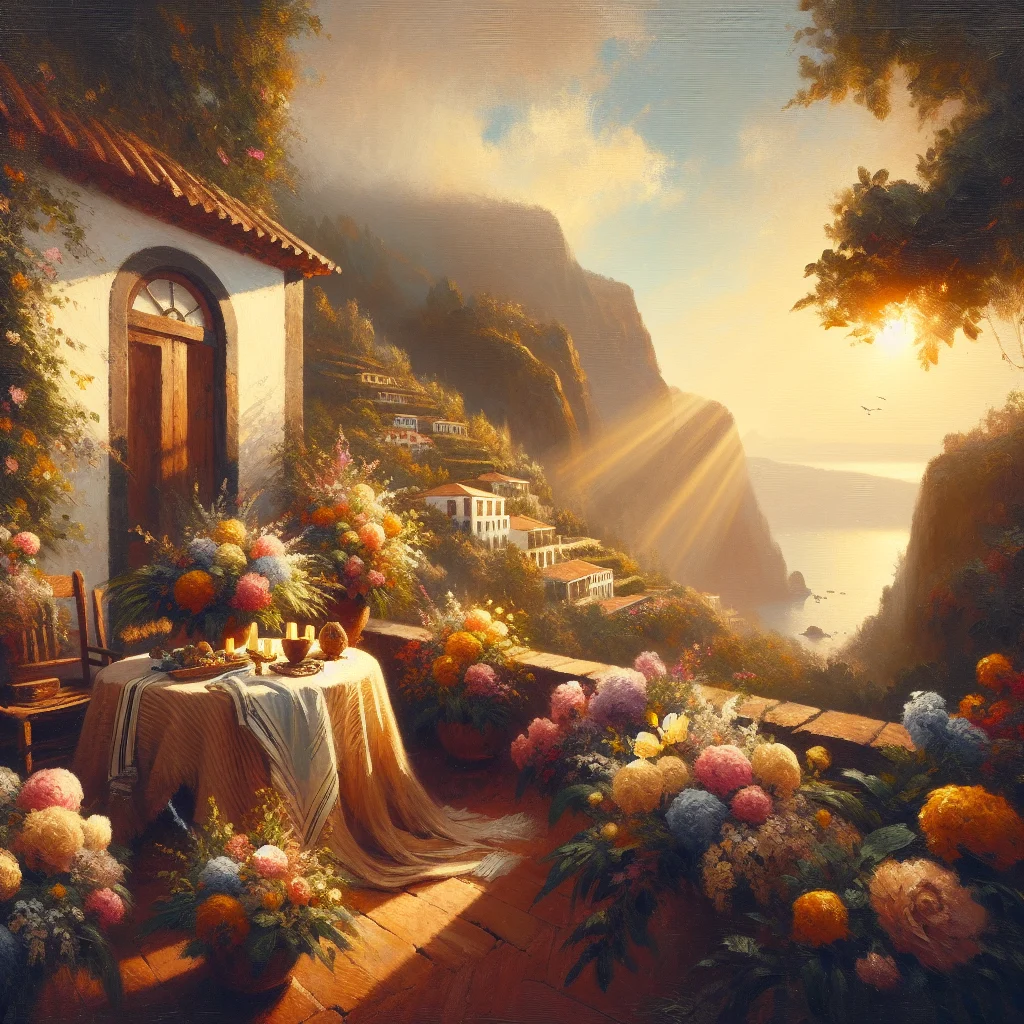
Funchal’s geography alone encourages a different pace of life. The city cascades down mountainsides toward the Atlantic, creating natural barriers that limit sprawling development and preserve intimate neighborhoods. Because of this topography, walking becomes not just transportation but a meditative practice through cobblestone streets and levada paths.
The subtropical climate maintains year-round temperatures between 16°C and 25°C, eliminating the seasonal urgency that drives behavior in more extreme climates. Consequently, outdoor living becomes accessible every day, allowing residents and visitors to maintain consistent routines that connect them with nature.
The Cultural Foundation of Slow Living in Funchal
Madeirans have cultivated traditions that naturally align with slow living culture long before the term gained international recognition. The island’s historical isolation fostered self-sufficiency, community interdependence, and respect for natural rhythms—values that persist today despite modern connectivity.
Free Guided Meditation · Day 1
You Are Safe Right Now.
5 min · Breathwork & body scan · Stress release
Liked it? Get the full audio.
Enter your email and we'll send you the complete 5-minute meditation — free, straight to your inbox.
Zero spam. Unsubscribe anytime.
Check Your Inbox.
Your full 5-minute meditation is on its way. Open the email and hit play — your reset starts now.
Can't find it? Check your spam folder.
Local markets like Mercado dos Lavradores exemplify this philosophy. Vendors arrive with seasonal produce harvested that morning, engaging customers in unhurried conversations about preparation methods and family recipes. In addition, this marketplace serves as a social hub where relationships matter more than transactions.
Traditional festivals follow the agricultural calendar rather than commercial schedules. For example, the Flower Festival in spring celebrates Madeira’s botanical abundance with handmade carpets of petals laid along streets—a labor-intensive art form that demands time, patience, and collective effort.
Natural Spaces That Encourage Mindfulness
Funchal provides extraordinary access to environments that naturally slow your internal pace. The Laurisilva forest, a UNESCO World Heritage site, covers about 20% of the island with ancient trees that predate human settlement.
Walking through these primeval woods shifts your awareness to immediate sensory experience:
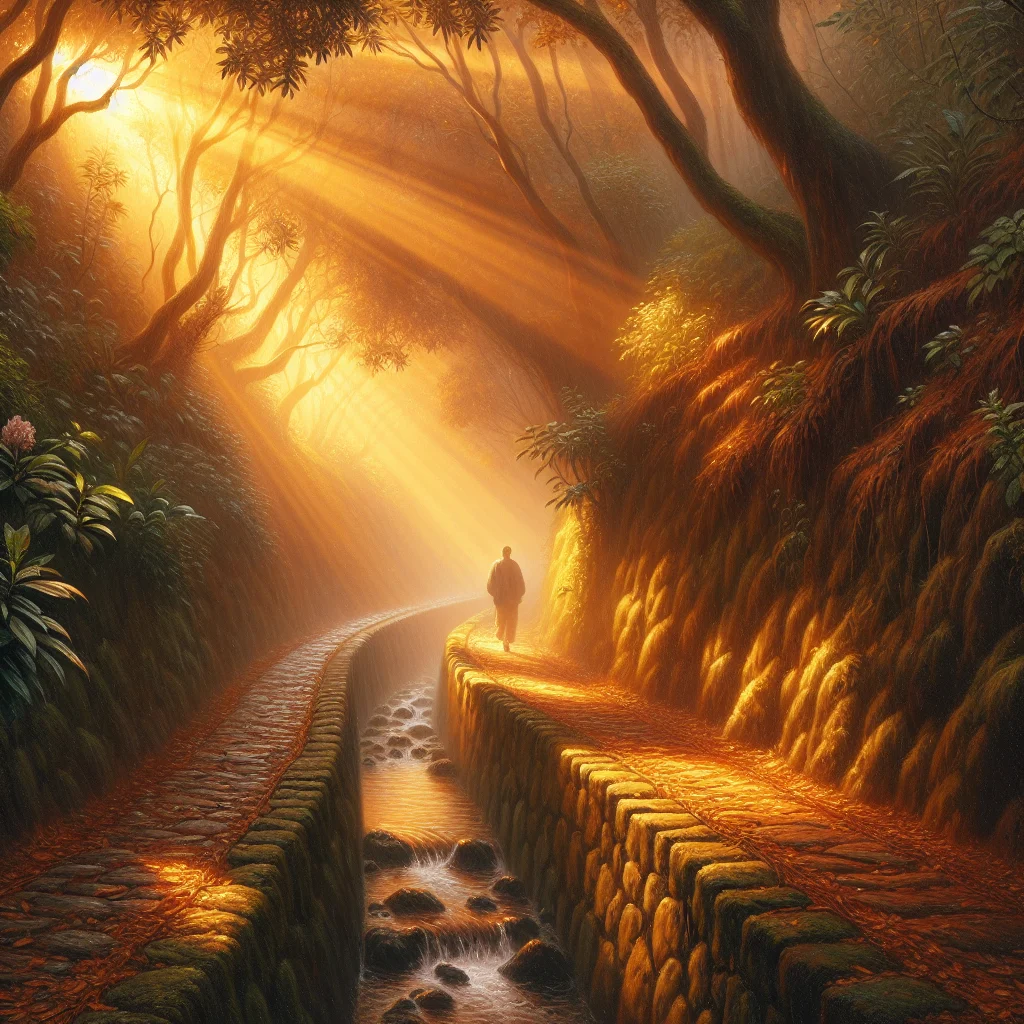
- The sound of water trickling through levadas (irrigation channels)
- The scent of moss and endemic plant species found nowhere else
- The sight of filtered sunlight creating constantly changing patterns
- The feel of cool, moisture-rich air against your skin
These experiences activate present-moment awareness without requiring formal meditation techniques. As a result, even casual hikers report feeling mentally refreshed and emotionally balanced after forest walks.
Slow Living Funchal: Daily Practices and Rhythms
Adopting slow living principles in Funchal doesn’t require dramatic lifestyle overhauls. Instead, it involves aligning your daily patterns with the city’s natural rhythms and cultural traditions. The following practices help residents and long-term visitors cultivate this mindful approach.
Morning Rituals That Set a Calm Tone
Funchal mornings begin gently. Unlike cities where rush hour creates morning chaos, here the day unfolds gradually. Many locals start with a galão (Portuguese latte) at neighborhood cafés, reading the newspaper or chatting with familiar faces before work begins.
Consider establishing your own slow living routine by incorporating these elements:
- Wake without alarms when possible, allowing natural light cycles to guide your sleep patterns
- Prepare breakfast mindfully using fresh ingredients from local markets
- Take a morning walk through your neighborhood, noticing architectural details and seasonal changes
- Practice gratitude for simple pleasures—the warmth of sunlight, the taste of fresh fruit, the sound of birdsong
These practices don’t require additional time; rather, they transform time you’re already spending into opportunities for presence and appreciation.
Midday Breaks and the Lost Art of Pausing
Traditional Portuguese culture honors the midday pause, though globalization has eroded this practice in larger cities. However, Funchal maintains remnants of this wisdom, with many businesses closing between 1:00 and 3:00 PM.
This break serves multiple purposes beyond rest. It acknowledges human biological rhythms, as circadian energy naturally dips in early afternoon. Furthermore, it creates space for substantial meals enjoyed without rushing, supporting both digestion and social connection.
Even if your schedule doesn’t permit extended breaks, incorporating brief pauses creates similar benefits:
- Step outside for ten minutes to disconnect from screens
- Eat lunch away from your workspace, focusing on flavors and textures
- Practice breathing exercises to reset your nervous system
- Engage in brief conversations with colleagues about non-work topics
While these adjustments may seem small, they compound over time, significantly impacting your overall wellbeing and stress levels.
Evening Transitions and Social Connection
Funchal’s evening culture emphasizes gradual transitions rather than abrupt shifts from work to leisure. The passeio (evening stroll) remains a cherished tradition, with families and friends walking along the seafront promenade as the day cools.
This practice serves as a natural decompression ritual, creating space between professional obligations and personal time. Moreover, it facilitates casual social encounters, strengthening community bonds that buffer against isolation and stress.
Restaurants and tavernas fill slowly, with diners arriving between 8:00 and 10:00 PM for meals that extend over hours. Conversations matter more than efficiency, and servers never rush patrons to vacate tables. Consequently, dining becomes an experience of connection rather than mere fuel consumption.
Practical Aspects of Slow Living Funchal
Transitioning to slow living in Funchal involves practical considerations beyond philosophical alignment. Whether you’re planning an extended visit or permanent relocation, understanding these elements helps create realistic expectations and smoother adjustments.
Cost of Living and Financial Sustainability
Funchal offers relatively affordable living compared to mainland European cities, though costs have increased with growing tourism and digital nomad interest. Housing varies significantly depending on location, with central areas commanding premium prices while hillside neighborhoods offer better value.
Typical monthly expenses for a single person include:
- Apartment rental: €600-€1,200 (one-bedroom, varying by location and amenities)
- Groceries: €200-€300 (emphasizing fresh, local ingredients)
- Utilities: €80-€120 (electricity, water, internet)
- Transportation: €40-€60 (public transit or occasional taxis)
- Dining out: €150-€300 (depending on frequency and venue choice)
The slow living approach naturally reduces certain expenses. Because entertainment centers on nature, social connection, and cultural experiences rather than consumption, many activities cost little or nothing. Additionally, mindful purchasing habits eliminate impulse spending on unnecessary items.
Work-Life Integration for Remote Professionals
Funchal has attracted increasing numbers of remote workers who can maintain careers while embracing a slower lifestyle. The city offers reliable internet infrastructure, numerous coworking spaces, and a growing community of international professionals.
However, successful work-life integration requires intentional boundaries. The relaxed local pace can conflict with demanding work schedules, creating tension rather than balance. Therefore, consider these strategies:
- Establish clear working hours that allow participation in local rhythms
- Create dedicated workspace separate from living areas to maintain psychological boundaries
- Communicate timezone differences proactively with clients and colleagues
- Schedule work around energy peaks rather than arbitrary nine-to-five expectations
Many remote professionals find that holistic living principles help maintain productivity while avoiding burnout in this unique environment.
Healthcare and Wellness Infrastructure
Quality healthcare supports the slow living lifestyle by addressing both acute needs and preventive wellness. Funchal offers public healthcare through Portugal’s national system (SNS) plus private options with reasonable costs compared to other Western countries.
The island’s wellness infrastructure extends beyond conventional medicine. Numerous practitioners offer complementary therapies aligned with slow living philosophy:
- Acupuncture and traditional Chinese medicine
- Yoga studios offering various styles and experience levels
- Meditation centers providing group sessions and individual instruction
- Naturopathy and herbal medicine utilizing Madeira’s endemic plants
For those interested in emotional wellness through natural approaches, exploring essential oils for emotional healing complements the island’s abundant botanical resources.
Seasonal Rhythms and Slow Living in Funchal
Although Funchal’s climate remains mild year-round, subtle seasonal variations create natural rhythm changes that slow living practitioners can honor and celebrate. These shifts offer opportunities to deepen your connection with place and time.
Spring: Renewal and Botanical Abundance
Spring transforms Funchal into a floral showcase, with jacarandas painting streets purple and bird-of-paradise flowers blooming in abundance. The Flower Festival in April or May celebrates this botanical wealth with elaborate displays and community participation.
This season invites activities focused on growth and renewal:
- Visiting botanical gardens to observe seasonal changes in detail
- Starting a container garden with herbs and vegetables for your balcony
- Participating in community festivals that honor traditional practices
- Taking longer hikes as daylight extends and temperatures moderate
Spring’s energy naturally supports new beginnings, making it an ideal time to establish slow living practices or deepen existing commitments to intentional living.
Summer: Outdoor Living and Social Connection
Summer in Funchal means extended evenings perfect for outdoor dining, beachside relaxation, and festival attendance. While tourist numbers increase during these months, locals maintain their unhurried approach despite the bustle.
The season emphasizes social connection and outdoor presence:
- Beach days at nearby locations like Calheta or Machico
- Outdoor concerts featuring traditional Madeiran music
- Evening swims in natural ocean pools carved from volcanic rock
- Al fresco dining at neighborhood restaurants with outdoor seating
Because daylight extends past 9:00 PM, summer naturally expands time for leisure without requiring schedule adjustments. Consequently, this season demonstrates how environmental factors influence our perception and use of time.
Autumn: Harvest and Gratitude
Autumn brings grape harvests for Madeira’s famous fortified wine, chestnut gathering in mountain villages, and the gradual return of cooler temperatures. This season invites reflection on abundance and preparation for quieter months ahead.
Traditional autumn activities include:
- Participating in grape harvests (vindimas) at local quintas
- Foraging for chestnuts in the Laurisilva forest
- Preserving seasonal produce through traditional methods
- Attending wine festivals celebrating the year’s production
These practices connect you with agricultural cycles and food sources, fostering appreciation for the labor and time required to produce what we consume—a cornerstone of slow living philosophy.
Winter: Introspection and Indoor Comfort
Winter in Funchal remains mild by northern European standards, but shorter days and occasional rain create natural invitations for indoor activities and introspection. This season supports different slow living practices than summer’s outdoor focus.
Winter activities emphasize comfort and inner work:
- Reading by the fireplace in traditional Madeiran houses with wood-burning stoves
- Cooking hearty traditional dishes like espetada (beef skewers) or bolo do caco (traditional bread)
- Indoor meditation and yoga practices during rainy afternoons
- Cultural activities like museum visits and theater performances
Additionally, winter offers the perfect opportunity to engage with resources like The Self-Love Reset: A Journey to Rediscover Yourself, supporting the introspective energy this season naturally provides.
Building Community in Funchal’s Slow Living Scene
While slow living can be practiced individually, community connection amplifies its benefits and sustainability. Funchal offers various opportunities to connect with like-minded individuals who value intentional, mindful living.
Local Organizations and Groups
Several organizations in Funchal promote sustainable living, cultural preservation, and community wellness—values that align closely with slow living principles. Joining these groups provides structure, accountability, and social connection.
Consider exploring:
- Environmental conservation groups working to protect Madeira’s unique ecosystems
- Cultural associations preserving traditional crafts, music, and practices
- Food cooperatives connecting members with local, organic producers
- Wellness communities offering yoga, meditation, and holistic health approaches
These organizations often welcome newcomers and provide excellent introductions to local culture beyond tourist experiences. Furthermore, volunteering creates meaningful contribution opportunities that deepen your connection to place.
Creating Your Own Slow Living Circle
If existing organizations don’t meet your specific interests, creating your own gathering can attract others with similar values. Simple formats work well for building community around slow living principles.
Successful community-building approaches include:
- Potluck dinners where participants share home-cooked dishes and conversation
- Walking groups exploring different neighborhoods or levada paths weekly
- Book clubs focusing on slow living, mindfulness, or sustainability topics
- Skill-sharing circles where members teach traditional crafts or practical skills
These gatherings need not be elaborate or highly structured. In fact, simplicity often better serves slow living values than complex organization. As a result, your community can grow organically based on genuine connection rather than forced programming.
Challenges and Realistic Expectations
While Funchal offers exceptional conditions for slow living, honest discussion requires acknowledging challenges alongside benefits. Realistic expectations prevent disillusionment and support successful long-term integration.
Island Limitations and Resource Availability
Madeira’s island geography creates certain limitations that mainland residents take for granted. Although Funchal offers good infrastructure for its size, selection remains more limited than major cities.
Practical challenges include:
- Imported goods cost more due to transportation expenses
- Specialized services may require waiting for professionals who visit periodically
- Medical specialists for rare conditions might necessitate mainland travel
- Cultural events and entertainment options are fewer than metropolitan areas
However, these limitations can support slow living by reducing consumption options and encouraging appreciation for what’s available locally. Moreover, constraints often spark creativity and self-reliance—valuable slow living skills.
Balancing Tourism and Residential Life
Funchal’s growing popularity as a tourist destination creates occasional tension between visitors and residents. Peak season brings crowded attractions, increased prices, and disrupted local rhythms that can challenge slow living practices.
Strategies for maintaining balance include:
- Exploring neighborhoods beyond central tourist areas
- Timing activities for early morning or evening when tourism quiets
- Building relationships with local businesses that prioritize residents
- Practicing patience and compassion when tourist activity creates inconvenience
Remembering that tourism supports Funchal’s economy helps maintain perspective when crowds feel overwhelming. Additionally, tourist presence creates opportunities to share slow living values with visitors seeking alternatives to rushed vacation experiences.
Weather Variability and Microclimates
Despite Madeira’s reputation for stable weather, microclimates create surprising variability. Coastal Funchal might be sunny while mountains receive rain, and conditions can change rapidly throughout the day.
This variability requires flexibility—a valuable slow living skill. Rather than fighting weather fluctuations, adapting plans demonstrates acceptance and present-moment responsiveness. For example, an unexpected rainy afternoon might redirect you from a planned hike to a cozy café where you discover a new favorite spot.
Slow Living Funchal for Visitors
You don’t need to relocate permanently to experience slow living in Funchal. Extended visits or regular returns allow you to practice these principles while maintaining commitments elsewhere. In fact, many people find that periodic immersion in slow living environments helps sustain mindful practices when they return home.
Planning a Slow Living Visit
Slow living visits differ fundamentally from typical vacations packed with attractions and activities. Instead, they emphasize depth over breadth, presence over accomplishment, and connection over consumption.
Consider these planning principles:
- Stay longer in fewer places rather than rushing between locations
- Rent an apartment instead of hotels to engage with neighborhood life
- Establish simple routines like morning market visits or evening walks
- Leave space in your schedule for spontaneous discoveries
- Prioritize experiences that connect you with local culture and nature
Three weeks represents a minimum duration for truly experiencing slow living in Funchal. This timeframe allows you to move beyond tourist novelty into actual rhythm with the place and its people.
Integrating Slow Living Practices at Home
Perhaps the greatest value of slow living Funchal experiences lies in practices you can transport home. While you can’t replicate the climate or landscape, core principles translate across contexts.
Transportable practices include:
- Morning rituals that prioritize calm preparation over rushed efficiency
- Midday pauses that honor natural energy rhythms
- Evening walks creating transitions between work and personal time
- Seasonal awareness connecting you with natural cycles wherever you live
- Community meals emphasizing connection over convenience
Additionally, exploring concepts through resources like Manifest Your Dreams: A Practical Guide to the Law of Attraction helps maintain the intentional mindset that slow living cultivates, even when life’s pace increases.
The Future of Slow Living in Funchal
As global interest in alternative lifestyles grows, Funchal faces both opportunities and challenges in maintaining its slow living character. Understanding these dynamics helps visitors and residents participate thoughtfully in the community’s evolution.
Sustainable Tourism Development
Funchal’s government and business community increasingly recognize that sustainable tourism aligns better with local values than mass tourism models. Initiatives promoting longer stays, cultural immersion, and environmental protection support slow living principles while generating economic benefits.
According to Visit Portugal, strategic tourism development emphasizes quality over quantity, attracting visitors who respect local culture and contribute meaningfully to communities. This approach preserves the authentic character that makes Funchal attractive while preventing the degradation that often accompanies tourism growth.
Digital Infrastructure and Remote Work
Improving digital infrastructure creates opportunities for remote professionals to base themselves in Funchal while maintaining global careers. This demographic often values slow living principles and brings economic resources without requiring traditional employment infrastructure.
However, rapid remote worker influx can strain housing markets and alter community character. Consequently, thoughtful policies balancing economic opportunity with community preservation become increasingly important. Engaging with mindfulness and meditation practices helps both newcomers and long-term residents navigate these changes with awareness and compassion.
Preserving Cultural Authenticity
Funchal’s slow living appeal rests on authentic cultural practices rather than manufactured experiences. Preserving traditions like the passeio, midday breaks, and community festivals requires conscious effort as modernization pressures increase.
Local organizations work to document traditional knowledge, support artisan crafts, and transmit cultural practices to younger generations. Visitors and new residents can support these efforts by:
- Patronizing traditional businesses rather than international chains
- Learning basic Portuguese to engage more deeply with local culture
- Participating in cultural events respectfully and authentically
- Advocating for policies that protect community character
These actions demonstrate that slow living extends beyond personal benefit to encompass community stewardship and cultural preservation.
Conclusion: Embracing Slow Living Funchal
Slow living Funchal offers more than scenic beauty and pleasant climate—it provides a living laboratory for intentional living in harmony with natural and cultural rhythms. Whether you’re considering relocation, planning an extended visit, or simply seeking inspiration for mindful living wherever you are, Funchal demonstrates that alternatives to hurried modern existence remain not only possible but profoundly rewarding.
The practices discussed throughout this guide—morning rituals, community connection, seasonal awareness, and mindful consumption—don’t require perfect execution. Instead, they invite ongoing experimentation and adjustment based on your unique circumstances and values. Furthermore, slow living represents a direction rather than a destination, with each small choice contributing to broader life transformation.
Funchal’s greatest lesson may be that slow living isn’t about doing less but about being more present with whatever you’re doing. A simple meal becomes nourishment for body and soul when eaten mindfully. A walk transforms into meditation when attention focuses on immediate sensory experience. Conversation deepens into genuine connection when both parties offer unhurried attention.
As you explore slow living principles, remember that this journey unfolds gradually. The same patience you extend toward unhurried afternoons and long meals applies equally to your own development. Each day offers fresh opportunities to choose presence over distraction, connection over isolation, and meaning over mere productivity.
For additional support in establishing sustainable practices that complement slow living philosophy, explore Everyday Calm: A Beginner’s Guide to Daily Meditation. This resource provides practical techniques that deepen your capacity for presence—the foundation of slow living regardless of location.
Funchal awaits those ready to step off the treadmill of constant acceleration and discover what becomes possible when life flows at a human pace. The question isn’t whether you can afford to slow down, but whether you can afford not to.
Silence the Chaos in Your Head —
in 5 Minutes Flat.
Get instant access to a free guided meditation audio that rewires your nervous system for calm, kills anxiety at the root, and resets your entire day — no experience needed.
- Instantly drop cortisol levels — feel the shift before the 5 minutes is up
- Unlock razor-sharp focus — designed for high-achievers who can't afford brain fog
- Break the anxiety loop for good — a repeatable reset, every single morning
- 100% free, zero fluff — no apps, no subscriptions, just results
You're In.
Check Your Inbox.
Your free 5-minute guided meditation is on its way.
Open the email and hit play — your first reset starts now.
Can't find it? Check spam and mark us as safe.

