
If you’ve been searching for a reliable resource to begin or deepen your meditation journey, the meditation handbook approach offers a structured path forward. Unlike scattered online articles or random YouTube videos, having a comprehensive guide can transform your practice from sporadic attempts into a sustainable daily habit.
Meditation has evolved from ancient spiritual traditions into a scientifically-backed practice embraced by millions worldwide. However, many beginners feel overwhelmed by the sheer volume of information available. This is where a well-structured meditation handbook becomes invaluable, providing clear instructions, practical techniques, and answers to common questions that arise during practice.
In this article, we’ll explore what makes an effective meditation handbook, essential techniques every practitioner should know, and how to build a sustainable practice. Whether you’re completely new to meditation or looking to refine your existing routine, this comprehensive guide will serve as your roadmap to inner peace and mental clarity.
If you’re ready to start your journey with expert guidance, check out Everyday Calm: A Beginner’s Guide to Daily Meditation, which provides structured lessons for establishing your practice.

What Makes a Quality Meditation Handbook?
Not all meditation resources are created equal. A truly effective meditation handbook should offer more than just basic breathing techniques. It needs to provide a comprehensive framework that addresses the physical, mental, and emotional aspects of practice.
Essential Components of the Meditation Handbook
First and foremost, a quality handbook should include clear, step-by-step instructions for various meditation techniques. Because everyone’s mind works differently, having multiple approaches ensures you’ll find methods that resonate with your personality and lifestyle. For example, some people thrive with short 5-minute meditation sessions, while others prefer longer, more immersive practices.
Additionally, the best handbooks address common obstacles that practitioners encounter. These include dealing with distracting thoughts, physical discomfort during sitting meditation, finding time in busy schedules, and maintaining motivation during dry periods. A comprehensive guide acknowledges these challenges and offers practical solutions rather than glossing over difficulties.
Scientific Foundation and Traditional Wisdom
Modern meditation handbooks should bridge ancient wisdom with contemporary neuroscience. Research from institutions like Harvard Medical School has demonstrated meditation’s profound effects on brain structure, stress reduction, and emotional regulation. Therefore, a credible handbook incorporates this scientific evidence while respecting the traditional roots of contemplative practices.
Moreover, understanding the “why” behind meditation techniques helps practitioners stay committed. When you know that regular practice can increase gray matter density in brain regions associated with memory and emotional processing, you’re more likely to persist through initial difficulties.
Core Meditation Techniques Every Handbook Should Cover
The meditation handbook you choose should introduce you to a variety of techniques, allowing you to discover which methods work best for your needs and circumstances. Let’s explore the fundamental approaches that form the foundation of most meditation practices.
Breath Awareness Meditation
Breath-focused meditation serves as the cornerstone of many contemplative traditions. This technique involves simply observing your natural breathing pattern without trying to control it. As a result, practitioners develop concentration skills while anchoring awareness in the present moment.
To practice breath awareness effectively:
- Find a comfortable seated position with your spine naturally straight
- Close your eyes or maintain a soft downward gaze
- Bring attention to the physical sensations of breathing
- Notice where you feel the breath most prominently—nostrils, chest, or abdomen
- When your mind wanders, gently return focus to the breath without judgment
This foundational practice appears simple, yet it cultivates powerful concentration abilities. Furthermore, breath awareness meditation can be practiced anywhere, making it ideal for busy lifestyles. Many practitioners find that starting with just meditation for calmness and focus creates noticeable benefits within weeks.
Body Scan Meditation
Body scan meditation systematically moves attention through different parts of the body, promoting relaxation and somatic awareness. This technique proves particularly helpful for people who carry tension in their bodies or struggle with chronic pain.
During a body scan, you typically start at the toes and gradually work upward, noticing sensations without trying to change them. Consequently, this practice helps develop a non-reactive relationship with physical experiences. It also enhances the mind-body connection that modern lifestyles often diminish.
Loving-Kindness Meditation (Metta)
While breath and body-based practices develop concentration, loving-kindness meditation cultivates positive emotions and compassion. This technique involves silently repeating phrases of goodwill, initially toward yourself and then expanding to include others.
Traditional metta phrases include:
- May I be safe and protected
- May I be healthy and strong
- May I be happy and peaceful
- May I live with ease
Research published in psychological journals demonstrates that regular loving-kindness practice increases positive emotions, reduces self-criticism, and enhances social connections. Therefore, any comprehensive meditation handbook should include detailed instructions for this transformative technique.
Building Your Personal Meditation Practice
Understanding techniques represents only the beginning. The real challenge lies in establishing a consistent practice that fits your life. A practical meditation handbook provides strategies for creating sustainable habits rather than just theoretical knowledge.
Starting Small and Building Gradually
One of the biggest mistakes beginners make involves attempting to meditate for extended periods immediately. Instead, start with just five to ten minutes daily. This modest commitment feels achievable and prevents the overwhelm that leads many people to abandon their practice prematurely.
As consistency develops, gradually extend your sessions. However, remember that quality matters more than quantity. Ten minutes of focused, sincere practice surpasses thirty minutes of distracted sitting. Additionally, shorter sessions performed reliably create more substantial long-term benefits than sporadic lengthy practices.
Creating Your Meditation Space
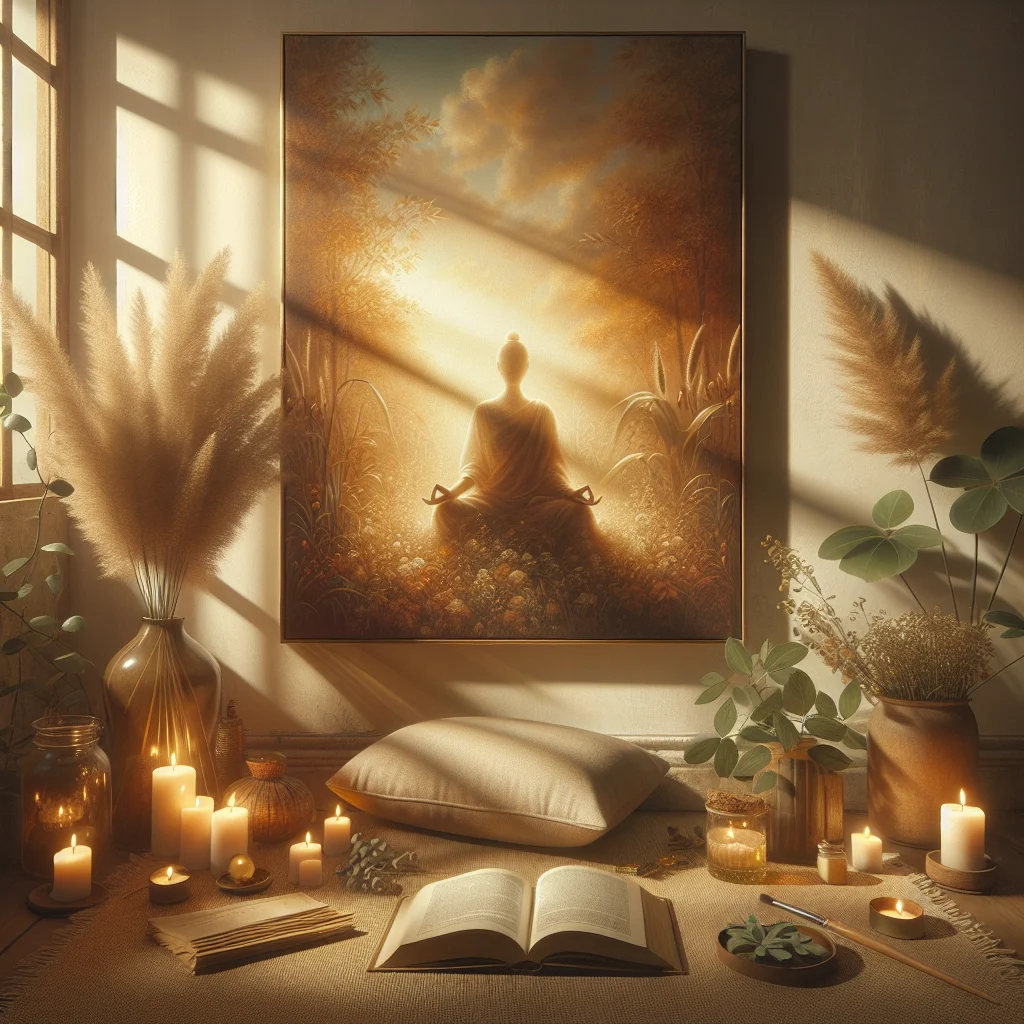
While meditation can happen anywhere, designating a specific area for practice helps establish the habit. This space doesn’t need to be elaborate—a quiet corner with a cushion or chair suffices. Nevertheless, personalizing your meditation area with meaningful objects can enhance your practice.
Consider including elements such as:
- A comfortable cushion or meditation bench
- A simple timer or meditation app
- Soft lighting or candles for ambiance
- Inspiring images or quotes
- Items from nature like stones or plants
Some practitioners incorporate singing bowls meditation or other sound elements to deepen their practice. These tools can help signal to your mind that it’s time to shift into a meditative state.
Establishing a Consistent Schedule
Consistency matters more than perfection when building a meditation habit. Choose a specific time each day—early morning often works best because fewer distractions compete for your attention. Furthermore, morning meditation sets a calm, centered tone for the entire day.
That said, the “best” time is whenever you’ll actually practice. If evenings work better for your schedule, commit to that time. The key involves treating your practice appointment as non-negotiable, just like any important meeting or commitment.
Overcoming Common Meditation Challenges
Every meditation handbook should address the obstacles practitioners inevitably encounter. Understanding that challenges are normal—not signs of failure—helps maintain motivation through difficult periods.
Dealing with Distracting Thoughts
Perhaps the most common complaint among beginners is “I can’t stop thinking.” However, this misconception reveals a fundamental misunderstanding of meditation’s purpose. Meditation doesn’t eliminate thoughts; instead, it changes your relationship with them.
When thoughts arise during practice, simply notice them without judgment and return attention to your chosen focus point. Think of thoughts like clouds passing through the sky—you don’t need to chase them or push them away. Through repeated practice, this simple action of noticing and returning strengthens attention muscles.
Moreover, developing this skill during formal practice translates into daily life. You’ll find yourself less caught up in worry spirals and more able to choose where to direct attention. This capacity represents one of meditation’s most practical benefits.
Physical Discomfort and Restlessness
Physical discomfort during meditation frustrates many practitioners. While some discomfort can provide opportunities for cultivating patience, you shouldn’t endure pain that feels harmful. A good meditation handbook offers various posture options to accommodate different body types and physical conditions.
Remember that you can meditate:
- Sitting on a chair with feet flat on the floor
- Kneeling on a meditation bench
- Cross-legged on a cushion
- Lying down (though this increases drowsiness risk)
- Even walking slowly with awareness
The essential factor involves maintaining alertness while staying relatively comfortable. Experiment with different positions until you find what works for your body. Additionally, consider that some restlessness naturally decreases as your nervous system learns to settle into stillness.
Maintaining Motivation Through Plateaus
Most practitioners experience periods where meditation feels boring or pointless. These plateaus represent natural parts of the journey, not indicators that you’re doing something wrong. In fact, continuing through these dry spells often precedes significant breakthroughs.
During challenging periods, try varying your practice. If you typically practice breath meditation, experiment with guided meditation for mental healing or explore different techniques. Furthermore, connecting with a meditation community—either online or in person—provides encouragement when individual motivation wanes.
Deepening Your Practice Over Time
Once you’ve established basic consistency, a comprehensive meditation handbook guides you toward deeper practices. This progression prevents stagnation and continues to challenge your growing abilities.
Exploring Different Meditation Styles
As your practice matures, exploring various meditation traditions enriches your experience. Each tradition offers unique perspectives and techniques. For instance, Zen Buddhism emphasizes just sitting (*zazen*), while Tibetan traditions incorporate visualization practices and mantra recitation.
Vipassana or insight meditation focuses on observing mental and physical phenomena with precise awareness. This technique, rooted in Theravada Buddhism, teaches practitioners to see the impermanent, unsatisfactory, and impersonal nature of experience. Consequently, this understanding reduces suffering and increases equanimity.
Exploring the best hertz for meditation can also enhance your practice by incorporating sound frequencies that promote specific brainwave states. These tools complement traditional techniques and offer new dimensions to explore.
Incorporating Mindfulness into Daily Activities
While formal sitting practice provides essential training, the ultimate goal involves bringing meditative awareness into everyday life. A complete meditation handbook explains how to cultivate mindfulness during routine activities.
Mindful living means:
- Eating meals without distraction, fully tasting each bite
- Walking with awareness of physical sensations and surroundings
- Listening to others with complete attention
- Performing household tasks with full presence
- Noticing emotional states without immediately reacting
These informal practices extend meditation’s benefits throughout your day. Moreover, they help bridge the gap between cushion and life, making meditation practical rather than escapist.
Developing Concentration and Insight
Advanced meditation training typically develops two primary qualities: concentration (*samadhi*) and insight (*vipassana*). Concentration practices involve sustained focus on a single object, creating mental stability and calm. In contrast, insight practices investigate the nature of experience itself.
Both qualities support each other. Strong concentration provides the stability needed for clear investigation, while insight prevents concentration from becoming merely pleasant but unproductive trance states. Therefore, a balanced practice incorporates both elements according to your temperament and goals.
The Role of Teachers and Communities
While self-study through a meditation handbook provides an excellent foundation, guidance from experienced teachers accelerates progress and helps avoid common pitfalls. Many traditions emphasize the importance of working with qualified instructors, especially as practice deepens.
Finding Qualified Guidance
A good teacher offers personalized instruction based on your specific challenges and temperament. They can identify subtle mistakes you might not notice alone and suggest adjustments to enhance your practice. Furthermore, teachers provide encouragement during difficult periods when solitary practice feels overwhelming.
When seeking a teacher, look for someone with:
- Substantial personal practice experience (typically many years or decades)
- Proper training in their tradition’s teaching methods
- Ethical conduct and transparent operations
- An approach that resonates with your values and needs
- Reasonable fees that don’t create financial hardship
Many qualified teachers now offer online instruction, making authentic guidance accessible regardless of geographic location. However, be cautious of individuals making extraordinary claims or demanding unquestioning devotion.
Joining Meditation Communities
Practicing with others provides motivation, support, and collective wisdom. Meditation communities—whether in-person sanghas or online groups—offer opportunities to discuss challenges, celebrate progress, and learn from others’ experiences. Additionally, group practice often feels more powerful than solo sessions due to shared intention and energy.
Even private meditation practices benefit from occasional community connection. The balance between solitary practice and group participation varies based on personality, but most practitioners find value in both dimensions.
Understanding the Science Behind Meditation
Modern neuroscience has validated what contemplative traditions have known for millennia—meditation produces measurable changes in brain structure and function. Understanding these mechanisms enhances appreciation for the practice and provides motivation during challenging periods.
Neuroplasticity and Brain Changes
Regular meditation literally reshapes your brain through neuroplasticity—the brain’s ability to form new neural connections. Studies using MRI technology reveal that consistent practice increases gray matter density in regions associated with learning, memory, emotional regulation, and perspective-taking.
Conversely, meditation decreases volume in the amygdala, the brain’s alarm center responsible for fear and stress responses. As a result, long-term meditators demonstrate enhanced emotional resilience and reduced reactivity to stressful situations. These changes don’t require years of practice—measurable differences can appear after just eight weeks of regular meditation.
Stress Reduction and Health Benefits
Perhaps meditation’s most researched benefit involves stress reduction. The practice activates the parasympathetic nervous system, counteracting the chronic stress response that plagues modern life. Consequently, regular meditators experience lower blood pressure, improved immune function, and reduced inflammation markers.
Health benefits extend beyond stress management. Research documented by the National Center for Complementary and Integrative Health shows meditation helps manage:
- Anxiety and depression through emotional regulation improvements
- Chronic pain by changing pain perception and reducing suffering
- Insomnia through relaxation and reduced mental rumination
- Substance abuse by increasing self-control and awareness of triggers
- ADHD symptoms through enhanced attention and impulse control
While meditation shouldn’t replace medical treatment, it serves as a powerful complementary therapy for numerous conditions.
Meditation for Different Life Stages and Circumstances
A truly comprehensive meditation handbook addresses how practice adapts across different life circumstances. What works for a college student might not suit a busy parent or retired individual.
Meditation for Busy Professionals
Working professionals often struggle to find time for meditation. However, the benefits—improved focus, better decision-making, reduced stress—directly enhance professional performance. Therefore, even brief practices yield significant returns on time invested.
Strategies for busy schedules include:
- Starting with just five minutes before the workday begins
- Using commute time for meditation podcasts or guided practices
- Taking mindful moments between meetings to reset attention
- Practicing walking meditation during lunch breaks
- Ending the workday with a brief transition meditation
The key involves viewing meditation as productivity enhancement rather than another task competing for limited time.
Family and Children’s Meditation
Introducing children to meditation provides lifelong tools for emotional regulation and stress management. However, approaches must be age-appropriate and engaging. Young children benefit from movement-based practices, visualization exercises, and very brief sessions that match their attention spans.
Parents practicing meditation often find that children naturally become curious about the practice. Meditating together creates bonding opportunities while modeling healthy coping strategies. Furthermore, family meditation can transform household dynamics by increasing patience and reducing conflict.
Meditation in Later Life
Older adults discover unique benefits from meditation practice. Research suggests meditation may slow cognitive decline, enhance quality of life during chronic illness, and provide existential comfort when confronting mortality. Additionally, retirement often provides the time for deeper practice that career and family responsibilities previously prevented.
Adaptations for older practitioners might include chair-based practices, shorter but more frequent sessions, and emphasizing compassion practices that process life experiences with wisdom and acceptance.
Integrating Meditation with Other Wellness Practices
Meditation works synergistically with other holistic health practices. A comprehensive handbook explores these complementary approaches that enhance overall wellbeing.
Meditation and Physical Exercise
Combining meditation with physical practices like yoga creates powerful mind-body integration. Yoga’s emphasis on breath awareness and present-moment attention during movement naturally complements sitting meditation. Similarly, practices like tai chi and qigong blend meditative awareness with gentle physical activity.
Even conventional exercise becomes meditation when performed with full awareness. Running, swimming, or cycling can transform into moving meditation by maintaining attention on physical sensations and breath rather than getting lost in mental chatter.
Nutritional Awareness and Mindful Eating
Meditation naturally increases awareness of how food affects your body and mind. Many practitioners discover their dietary preferences shifting toward healthier choices without forced restriction. Mindful eating—savoring meals slowly with full attention—enhances satisfaction while often reducing overconsumption.
Furthermore, some meditation traditions incorporate fasting practices that deepen mental clarity. While not necessary for everyone, periodic fasting can complement meditation by reducing mental dullness and increasing awareness.
Creative Expression and Contemplative Arts
Meditation enhances creativity by quieting the critical inner voice and accessing deeper intuition. Many artists, writers, and musicians incorporate meditation into their creative processes. Conversely, artistic practices performed mindfully become forms of meditation themselves.
Contemplative arts include:
- Calligraphy combining breath awareness with brushwork
- Mandala creation focusing attention through repetitive patterns
- Mindful photography seeing the world with fresh perception
- Music practice with complete presence and attention
- Poetry writing expressing meditation insights
These practices offer alternative entry points for people who struggle with traditional sitting meditation.
Resources for Continuing Your Journey
While this article provides comprehensive guidance, your meditation journey continues far beyond any single resource. Building a personal library of references supports ongoing development.
Essential Reading
Beyond the meditation handbook you initially choose, consider exploring classic and contemporary texts that deepen understanding. Important works include:
- Wherever You Go, There You Are by Jon Kabat-Zinn for practical mindfulness
- The Mind Illuminated by Culadasa for systematic concentration training
- Radical Acceptance by Tara Brach for self-compassion practices
- Peace Is Every Step by Thich Nhat Hanh for everyday mindfulness
- Traditional texts like the Dhammapada for wisdom teachings
Each tradition offers valuable perspectives, and reading widely prevents becoming overly rigid in approach.
Digital Tools and Apps
Technology, when used wisely, supports meditation practice. Quality meditation apps provide guided sessions, progress tracking, and community features. However, avoid becoming dependent on technology—the goal remains developing internal resources rather than external dependencies.
Useful digital tools include timer apps with interval bells, binaural beat generators, and online courses from reputable teachers. Additionally, exploring topics like social emotional learning mindfulness reveals how meditation principles apply to education and personal development.
Retreats and Intensive Practice
Periodic intensive practice through meditation retreats accelerates development significantly. Retreats remove daily distractions and allow deeper states of concentration and insight than typical daily practice permits. Even weekend retreats provide valuable intensive experiences, though longer retreats of one to two weeks offer more profound transformation.
When choosing retreats, research the teaching style, schedule intensity, and environmental setting. Some retreats maintain complete silence, while others incorporate discussion periods. Match the retreat structure to your current capacity and intentions.
If you’re ready to deepen your practice with comprehensive guidance, consider Everyday Calm: A Beginner’s Guide to Daily Meditation for structured daily practices, or explore Manifest Your Dreams: A Practical Guide to the Law of Attraction to integrate meditation with intentional manifestation practices.
Conclusion: Your Personal Meditation Journey
The meditation handbook serves as a map for your inner journey, but ultimately you must walk the path yourself. While comprehensive guides provide invaluable direction, meditation remains an experiential practice that unfolds through consistent engagement rather than intellectual understanding alone.
Remember that your practice will evolve through various phases. Initial enthusiasm might give way to doubt or boredom, then deepen into genuine insight and peace. These fluctuations are normal—even experienced practitioners move through cycles of ease and difficulty. What matters most is showing up consistently with sincere intention, regardless of immediate results.
Additionally, avoid comparing your practice to others’. Each person’s meditation journey follows a unique trajectory influenced by temperament, life circumstances, and karmic patterns. What takes one person months might take another years, and vice versa. The only meaningful comparison involves noting your own progress over time.
Finally, approach meditation with patience and self-compassion. You’re training the mind in fundamentally new ways after decades of conditioning. Progress happens gradually through accumulation of small, almost imperceptible shifts. Trust the process, maintain consistent practice, and allow transformation to unfold in its own time.
Whether you’re just beginning with a basic meditation handbook or deepening an established practice, the journey toward greater awareness, compassion, and peace continues one breath at a time. For more resources on building your practice, explore our Mindfulness & Meditation and Resources & Tools sections.
