
Understanding What Represents Inner Peace
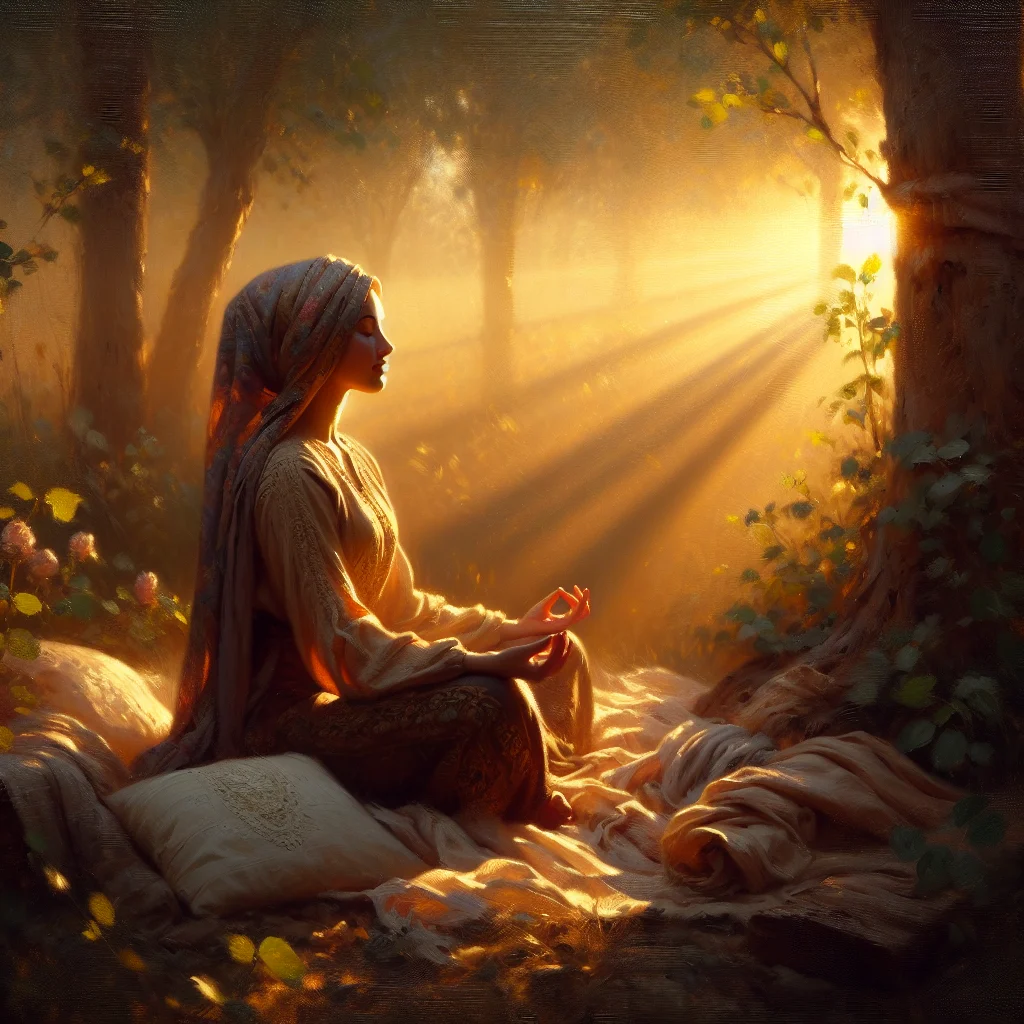
What represents inner peace is more than just a tranquil smile or a moment of silence. It is a lasting emotional and mental calm, found not in the absence of chaos, but amid it. Inner peace speaks of living authentically, staying grounded, and nurturing harmony within yourself, even as the world continues to move at its own pace. Whether you’re just beginning your spiritual journey or looking to deepen your connection with yourself, understanding the signs and representations of inner peace can help light the way.
Need guidance to get started on the path to calm? Check out our Everyday Calm: A Beginner’s Guide to Daily Meditation – a perfect companion on your journey.
Signs That Represent Inner Peace
1. Emotional Stability in Difficult Times
One of the clearest signs of inner peace is the capacity to stay centered even during emotional turmoil. While external peace is situational, inner peace is a personal constant. When you’re able to experience difficult emotions without being overwhelmed or reactive, it’s a strong indicator that inner peace is rooted within you. This doesn’t mean avoiding problems but facing them with clarity and mindfulness.
2. Letting Go of the Need for Control
Trying to control every detail in life can often lead to frustration and stress. Inner peace involves acceptance—of the present moment, of uncertainty, and of change. People who have found peace within stop trying to micromanage life. They trust that life will unfold as it should, which dramatically reduces anxiety and stress.
3. Living in the Present Moment
Living in the here and now is both a practice and a mindset. Inner peace is best represented by mindfulness—the ability to observe, experience, and accept the present moment without judgment. This doesn’t mean you ignore the past or future but rather that you don’t dwell on them unnecessarily. Read more about the difference between inner and outer peace for a deeper understanding.
What Inner Peace Feels Like
Have you ever walked through a forest and felt a deep sense of calm wash over you? Or perhaps silently sipped tea while listening to soft rain and felt perfectly content? That gentle stillness—that calm awareness without tension or urgency—is how inner peace feels.
People often describe it as:
- A sense of balance, regardless of external events
- An absence of excessive mental chatter
- A quiet confidence in oneself
- An ability to enjoy small, simple pleasures
What’s Missing When Inner Peace Is Lacking?
When inner peace is distant, people might experience irritability, compulsive thinking, sleep disturbance, or a general sense of discontent—even when everything seems “fine” from the outside. As the article Why Does Spiritual Awakening Hurt? explores, sometimes what seems like discomfort is the very invitation to deeper peace.
Spiritual Symbols of Inner Peace
Cultures across the globe have long linked inner peace with symbols and practices. For example, the lotus flower in Hindu and Buddhist traditions represents purity and enlightenment rising out of murky waters. Similarly, the color blue often symbolizes tranquility across various art forms and spiritual practices.
Meditation, prayer, mantras, and even nature walks have become modern symbols for people looking to align with internal tranquility. If you’re curious, our post on Instagram Captions for Inner Peace captures this beautifully in a contemporary way.
Practical Tools That Foster Inner Peace
1. Meditation & Breathwork
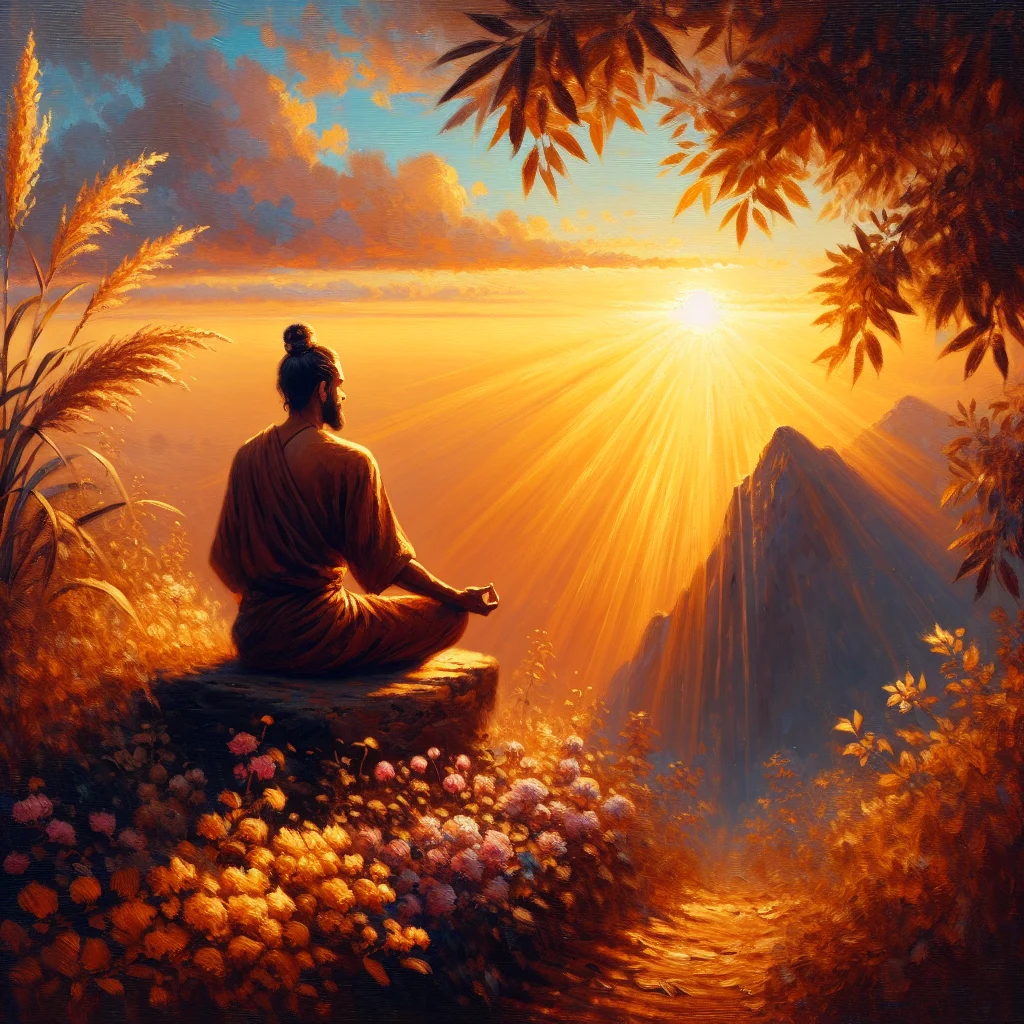
One of the most transformative practices representing inner peace is meditation. It teaches the mind to quiet down, focus inward, and cultivate non-reactivity. Starting your day with even five minutes of mindful breathing can make a world of difference.
2. Mindful Routines
Bringing attention to everyday tasks—like brushing your teeth, washing dishes, or driving—creates a powerful sense of grounding. When you’re fully present, you’re less likely to be caught up in raging thoughts or hypothetical fears.
3. Crystals and Stones as Anchors
Healing crystals such as amethyst, rose quartz, and lapis lazuli are often used to represent and induce inner peace. These stones carry symbolic and energetic properties that many believe help calm the nervous system. Read more in our posts on best crystals for inner peace and which gemstone is best for balance.
4. Emotional Awareness Journaling
Writing out your thoughts and feelings releases mental clutter and brings subconscious patterns to the surface. This simple habit creates space for clarity and connection with your authentic self—an essential aspect of inner peace.
How Inner Peace Transforms Daily Life
Living from a place of peace affects every part of your day. Your relationships become more compassionate, your work feels less overwhelming, and even challenges are approached with grace rather than fear. You find yourself reacting less and listening more, rushing less but accomplishing more.
Peace allows space—for joy, for health, and for deep connection with life itself. According to Wikipedia’s definition of Inner Peace, it is closely tied to aspects like mental harmony, emotional well-being, and freedom from disturbance, making it essential for holistic health.
If you’re helping a younger soul navigate life’s emotions, check out our heartfelt resources: Inner Peace for Children and Inner Peace for Kids.
Final Thoughts on What Represents Inner Peace
At the heart of it all, inner peace is about connection—to yourself, life, and the present moment. It’s not an achievement you check off a list but a lifelong journey of self-awareness, acceptance, and love. Whether you’re meditating in solitude or embracing chaos with calm, every step you take toward your authentic self is a step deeper into peace.
If you’re ready to further nurture your inner landscape and tap into powerful manifestation tools, don’t miss our guidebook Manifest Your Dreams: A Practical Guide to the Law of Attraction.

