
Understanding Zikr for Inner Peace
In today’s overwhelmed and overstimulated world, achieving inner peace feels more like a luxury than a basic need. Yet, an ancient spiritual practice known as zikr for inner peace may hold the key to calmness in a chaotic life. Zikr (also spelled dhikr or zhikr) is the Islamic spiritual practice of remembering God through repetition—whether aloud or silently—of divine names or verses. While it has deep roots in Islamic Sufism, its practice can offer benefits to anyone seeking to attain calmness, balance, and mental clarity in everyday life.
For those interested in complementing their spiritual journey with mindfulness practices, our Everyday Calm: A Beginner’s Guide to Daily Meditation provides step-by-step guidance for building a serene routine.
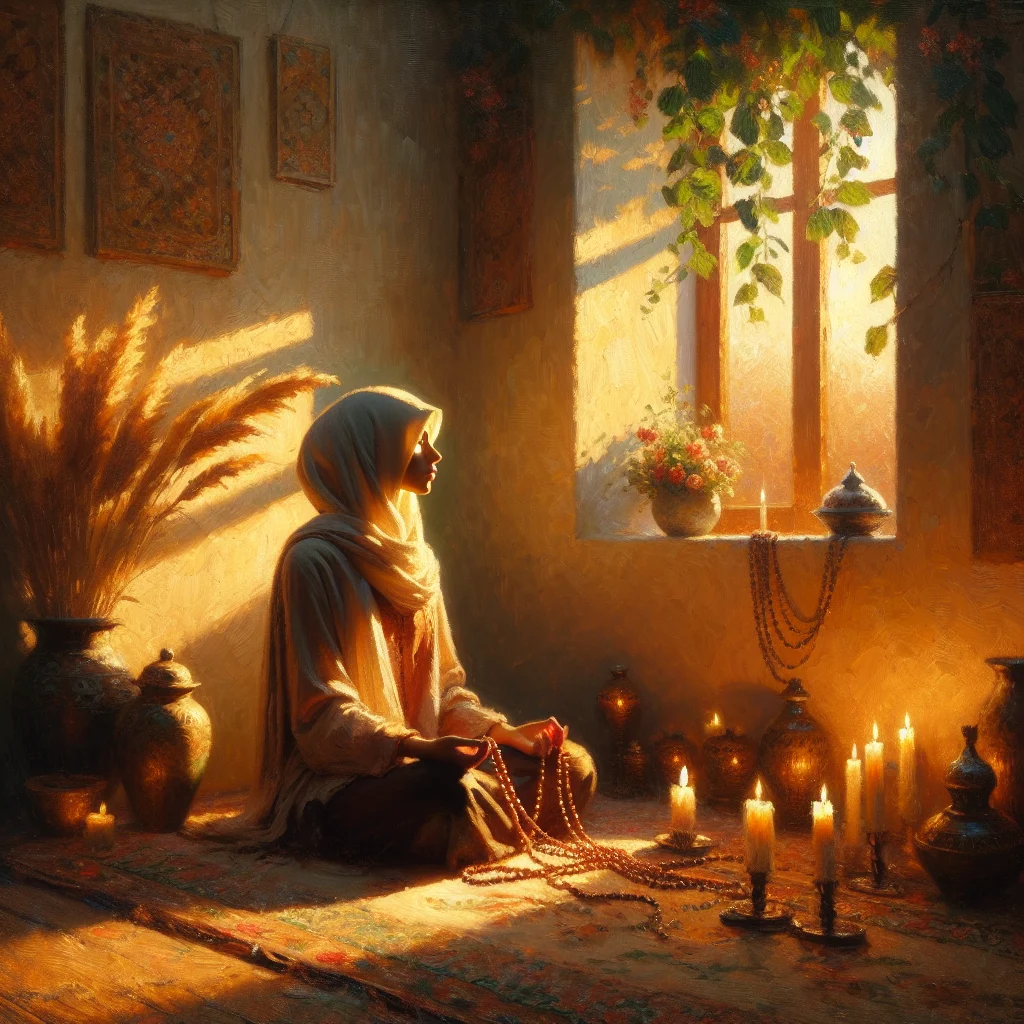
What Exactly Is Zikr?
Zikr, which literally means “remembrance” in Arabic, is a spiritual exercise that reminds the one who performs it of the presence and greatness of God (Allah). Traditionally practiced in a meditative setting, zikr can involve the repetition of one or more of the 99 names of Allah, short prayers (duas), or Quranic verses. These are often recited in rhythmic sequences, and frequently accompanied by the use of prayer beads (known as masbahas or tasbihs).
There are different forms of zikr: silent and spoken, individual and communal. Although spiritual in nature, zikr is not bound exclusively to religious rituals; many people adopt the practice simply to tap into a deeper state of presence and mindfulness.
Why Inner Peace Matters More Than Ever
We live in an era of hyperconnectivity, constant notifications, and relentless busyness. As a result, mental health struggles like anxiety, burnout, and depression are increasingly common. Practices that guide us toward what represents inner peace aren’t just helpful—they’re essential.
Inner peace isn’t about escaping stress forever. Instead, it’s about learning how to be centered within, even when the outside world is unpredictable. And this is exactly where zikr shines.
How Zikr Supports Mental and Emotional Wellbeing
1. Grounding Through Repetition
Much like the hypnotic quality of a mantra in other meditative practices, the repetitive nature of zikr calms the nervous system. Each word or phrase acts like an anchor, drawing your wandering mind back to the present moment. Over time, this practice helps build mental resilience and a deep sense of centeredness.
Free Guided Meditation · Day 1
You Are Safe Right Now.
5 min · Breathwork & body scan · Stress release
Liked it? Get the full audio.
Enter your email and we'll send you the complete 5-minute meditation — free, straight to your inbox.
Zero spam. Unsubscribe anytime.
Check Your Inbox.
Your full 5-minute meditation is on its way. Open the email and hit play — your reset starts now.
Can't find it? Check your spam folder.
2. Neurological Benefits of Sound and Vibration
Science supports the idea that certain repetitive spiritual practices positively impact brain chemistry. The rhythmic chanting of zikr may stimulate the vagus nerve, which plays a crucial role in regulating anxiety and inflammation. When activated, it can trigger a parasympathetic (relaxation) response in the body.
3. Spiritual Nourishment
While physical and mental health are essential, spiritual nourishment often gets overlooked. Zikr allows practitioners to connect to something greater than themselves, whether one identifies as religious or not. This connection often leads to a deeper sense of purpose and fulfillment—a cornerstone of lasting inner peace.
Incorporating Zikr into Your Daily Life
You don’t have to set aside hours each day for zikr. Even small, consistent moments of remembrance can have transformative impacts on your mindset and emotional state. Here’s how to get started:
Create a Peaceful Environment
Choose a quiet room or a tranquil outdoor space. Dim the lighting, eliminate distractions, and perhaps light a candle or burn a calming incense. The goal is to create a nurturing space where your mind can slow down.
Set an Intention
As with meditation or prayer, intention matters. Before beginning your zikr, take a moment to set an inner goal—whether it’s reducing anxiety, feeling gratitude, or deepening your connection with your inner self.
Start with Simple Repetitions
If you’re new to the practice, begin by repeating simple phrases such as “La ilaha illallah” (There is no deity but God), or “Ya Salaam” (O Source of Peace). Repeat these slowly, consciously, and with presence. Using a string of 33 or 99 prayer beads can help track repetitions and deepen focus.
Be Consistent but Gentle
Like any calming ritual, zikr for inner peace requires consistency to truly make an impact. However, avoid treating it as a chore. Some days may be easier than others, and that’s perfectly okay.
Making Zikr a Family or Community Practice
Many Sufi traditions encourage congregational zikr, where groups gather—either silently or vocally—to experience the collective elevation that remembrance can bring. Even performing zikr with your children or partner can spark shared peace and reconnect you emotionally.
You might also enjoy exploring how people integrate inner peace into various family dynamics through guides like Inner Peace for Children or Inner Peace for Kids.
Complementary Practices: Meditation, Crystals & More
While zikr stands powerfully on its own, many people find deeper results when combining it with other holistic practices. For instance, using peace-promoting crystals like amethyst or lepidolite can amplify your vibrations while doing zikr. If you’re curious, discover the best crystal for inner peace to support your journey.
Likewise, pairing zikr with daily guided meditations can deepen your grounding practices. You’ll find that in time, these rituals reinforce each other, building an unshakable foundation of calm in your life.
Common Mistakes to Avoid in Zikr Practice
One of the main challenges beginners face is feeling detached or distracted during zikr. This is totally normal. The mind naturally resists slowing down, especially in the beginning. Instead of pushing away distracting thoughts, let them pass like clouds and gently return to the words.
Another mistake is trying to perfect the practice too early. Zikr isn’t about perfection—it’s about presence. Every moment spent in remembrance is a step closer to your center, even if it feels messy.
Start Your Inner Peace Journey Today
Spiritual practices like zikr offer not only peace in the present moment, but long-term tools for resilience, gratitude, and clarity. Whether you’re spiritual, religious, or simply seeking sanctuary from the daily grind, zikr can be your silent ally.
For a guided companion in your journey of calm and intention setting, check out our transformative guide Manifest Your Dreams: A Practical Guide to the Law of Attraction. It ties in beautifully with the spiritual foundation built through zikr and remembrance.
Further Reading
- How to Find Inner Peace After Being Cheated On
- Difference Between Inner and Outer Peace
- Spirituality & Inner Work
- Mindfulness & Meditation
Silence the Chaos in Your Head —
in 5 Minutes Flat.
Get instant access to a free guided meditation audio that rewires your nervous system for calm, kills anxiety at the root, and resets your entire day — no experience needed.
- Instantly drop cortisol levels — feel the shift before the 5 minutes is up
- Unlock razor-sharp focus — designed for high-achievers who can't afford brain fog
- Break the anxiety loop for good — a repeatable reset, every single morning
- 100% free, zero fluff — no apps, no subscriptions, just results
You're In.
Check Your Inbox.
Your free 5-minute guided meditation is on its way.
Open the email and hit play — your first reset starts now.
Can't find it? Check spam and mark us as safe.

