
After a long day of meetings, responsibilities, and endless to-do lists, finding ways to truly unwind in the evening can feel like a luxury. However, creating a peaceful evening routine isn’t just about comfort—it’s essential for your mental health, physical wellbeing, and overall quality of life. In this article, we’ll explore practical and enjoyable activities that answer the question: what to do in the evening to relax?
Whether you’re dealing with stress from work, navigating hormonal changes, or simply seeking a better night’s sleep, the right evening practices can transform your nights from restless to restorative. Let’s dive into proven methods that help you transition from the chaos of daytime to the calm of nighttime.
Before we explore these relaxation techniques, take just five minutes to experience immediate calm with this free guided meditation—no card required, no strings attached. It’s the perfect starting point for building your evening relaxation practice.

Why Evening Relaxation Matters for Your Health
Understanding the importance of evening relaxation helps motivate us to prioritize it. Our bodies operate on a natural circadian rhythm, which regulates sleep-wake cycles, hormone release, and even body temperature. When we fail to signal to our bodies that it’s time to wind down, we disrupt this delicate system.
According to the Sleep Foundation, poor evening habits contribute to insomnia, anxiety, and decreased immune function. Furthermore, chronic stress from not properly unwinding can lead to elevated cortisol levels, which affects everything from weight management to cardiovascular health.
For women over 45, this becomes even more critical. Hormonal fluctuations during perimenopause and menopause can already interfere with sleep quality, making a solid evening ritual for better sleep absolutely essential. Therefore, knowing what to do in the evening to relax isn’t just about feeling good—it’s about protecting your long-term health.
Create a Technology-Free Wind-Down Zone
One of the most impactful changes you can make is establishing a digital sunset. The blue light emitted from smartphones, tablets, and computers suppresses melatonin production, the hormone responsible for making you feel sleepy.
Setting Boundaries with Screens
Aim to turn off electronic devices at least one hour before bedtime. Instead of scrolling through social media or watching intense television shows, replace screen time with activities that genuinely help you decompress. This might feel challenging at first, but the benefits are remarkable.
Consider creating a charging station outside your bedroom. As a result, you’ll remove the temptation to check your phone one last time. Additionally, this simple change can significantly improve your body temperature regulation, which is crucial for falling asleep.
Alternative Evening Entertainment
- Reading physical books instead of e-readers
- Listening to calming podcasts or audiobooks
- Engaging in creative hobbies like knitting or drawing
- Having meaningful conversations with loved ones
While technology has its place, learning how to wind down in the evening without screens opens up a world of more restful possibilities.
Gentle Movement and Stretching Practices
Physical activity doesn’t have to mean intense workouts. In fact, vigorous exercise too close to bedtime can be counterproductive. However, gentle movement helps release physical tension accumulated throughout the day.
Evening Yoga Sequences
Restorative yoga poses are perfect for evening relaxation. Poses like *Child’s Pose*, *Legs-Up-the-Wall*, and *Reclined Butterfly* activate your parasympathetic nervous system, which promotes rest and digestion. Because these poses require minimal effort, they’re accessible regardless of fitness level.
Spend 15-20 minutes moving through slow, deliberate stretches. Focus on your breath, allowing each exhale to release a bit more tension. This practice not only relaxes your muscles but also quiets your mind.
Progressive Muscle Relaxation
This technique involves systematically tensing and releasing different muscle groups. Starting with your toes and moving upward to your head, you consciously contract muscles for five seconds before releasing. Consequently, this practice helps you become more aware of where you hold stress and teaches your body to let go.
For example, clench your fists tightly, hold, then release completely. Notice the difference between tension and relaxation. This awareness is powerful for understanding what to do in the evening to relax both physically and mentally.
Mindfulness and Meditation Techniques
Meditation is perhaps one of the most effective tools for evening relaxation. It doesn’t require special equipment, costs nothing, and can be practiced anywhere. Moreover, consistent meditation practice has been shown to reduce anxiety, improve sleep quality, and enhance overall wellbeing.
Guided Evening Meditations
If you’re new to meditation, guided sessions provide structure and direction. These typically last between 5-20 minutes and focus on breath awareness, body scans, or visualization. Many women find that meditation for menopause anxiety specifically addresses their unique challenges.
You might explore loving-kindness meditation, which cultivates compassion toward yourself and others. Alternatively, try mindfulness meditation for focus, which trains your attention on the present moment rather than tomorrow’s worries.
Creating a Meditation Space
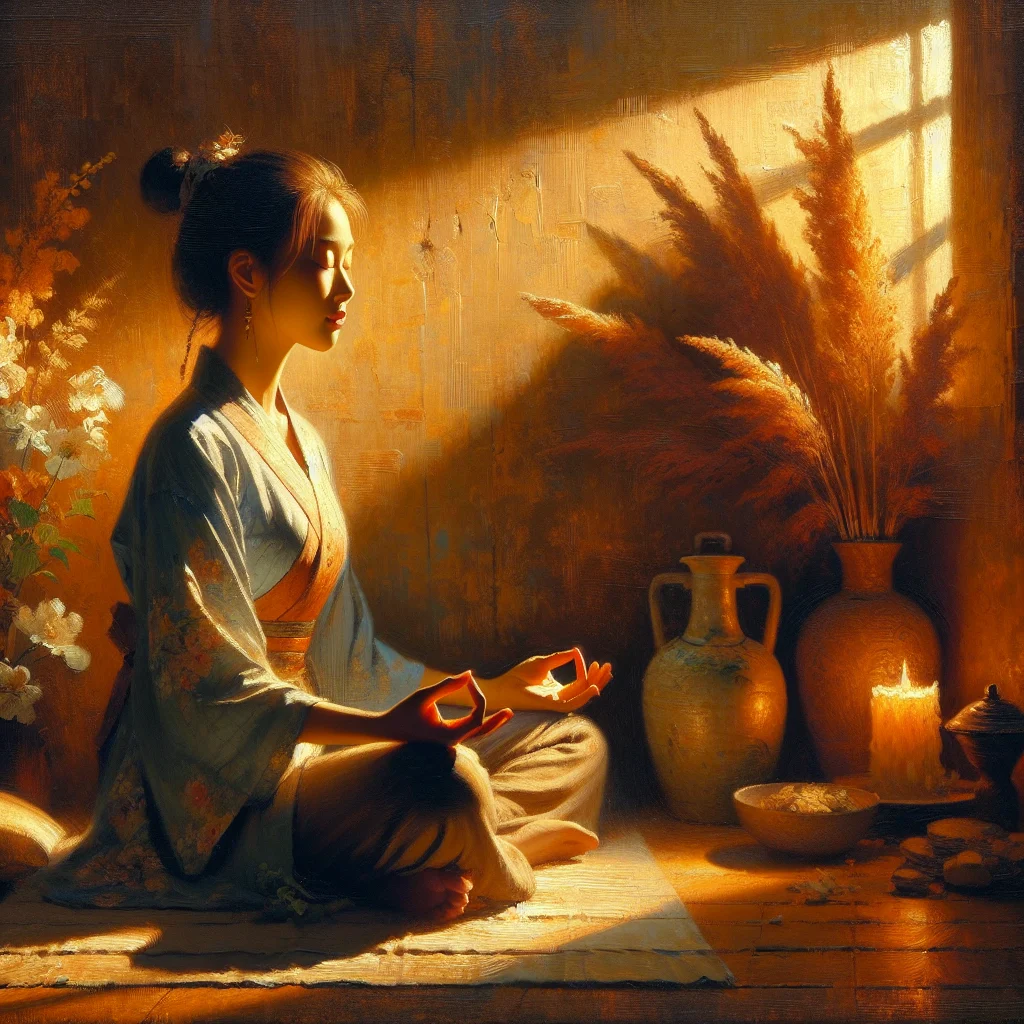
Designate a quiet corner of your home for meditation. Add elements that signal relaxation: a comfortable cushion, soft lighting, perhaps a candle or essential oil diffuser. Although this space doesn’t need to be elaborate, having a consistent location helps establish the habit.
Even five minutes of quiet reflection can make a significant difference. In addition to formal meditation, simply sitting in silence while observing your thoughts can be deeply restorative.
Soothing Sensory Experiences
Engaging your senses in calming ways is another excellent answer to what to do in the evening to relax. Our sensory experiences directly impact our nervous system, either activating or calming it.
Aromatherapy for Evening Calm
Certain scents have proven relaxation properties. Lavender, for instance, has been extensively studied for its ability to reduce anxiety and improve sleep quality. Other calming essential oils include chamomile, bergamot, and sandalwood.
Use a diffuser in your bedroom about an hour before sleep, or add a few drops to a warm bath. Because smell is closely linked to memory and emotion, these scents can become powerful triggers for relaxation over time.
The Power of a Warm Bath
A warm bath does more than clean your body—it’s a therapeutic ritual. The temperature drop that occurs after you get out signals to your body that it’s time for sleep. Furthermore, adding Epsom salts provides magnesium, which many people are deficient in and which supports muscle relaxation.
Create a spa-like atmosphere with candles, soft music, and perhaps a face mask. This dedicated self-care time sends a clear message that you’re prioritizing your wellbeing.
Calming Soundscapes
- Nature sounds like rain, ocean waves, or forest ambience
- Binaural beats designed for relaxation
- Soft instrumental music without lyrics
- White noise or pink noise for blocking distractions
Experiment with different sounds to discover what works best for you. Some people find complete silence ideal, while others need gentle background noise to feel calm.
Nourishing Evening Rituals
What you consume in the evening affects your ability to relax and sleep well. Both food and drink choices matter significantly during these crucial hours.
Herbal Teas for Relaxation
Swap your evening coffee or wine for calming herbal teas. Chamomile is perhaps the most well-known sleep aid, but passionflower, valerian root, and lemon balm also promote relaxation. These herbs work gently with your body’s natural processes rather than forcing drowsiness.
Create a tea ritual: selecting your blend, heating water mindfully, and savoring each sip without distraction. This simple practice becomes a form of meditation in itself.
Light Evening Snacks
If you’re hungry before bed, choose foods that support sleep rather than disrupt it. Options like a small bowl of oatmeal, a banana with almond butter, or yogurt with cherries provide nutrients that aid melatonin production.
However, avoid heavy meals, spicy foods, or anything high in sugar within three hours of bedtime. These can cause digestive discomfort and energy spikes that interfere with falling asleep.
Journaling and Reflective Practices
Many people find that their minds race at bedtime, cycling through tomorrow’s tasks or replaying the day’s events. Evening journaling provides a constructive outlet for these thoughts, clearing your mental space for rest.
Types of Evening Journaling
A gratitude journal shifts your focus from stress to appreciation. Write down three things you’re grateful for each evening. Research from positive psychology shows this simple practice increases happiness and reduces depression.
Alternatively, try a worry dump journal. Write out everything concerning you, then physically close the book, symbolically setting those worries aside until morning. This externalization helps prevent rumination.
You might also maintain a reflection journal, noting what went well today, what you learned, and what you’d like to do differently tomorrow. This promotes self-awareness and continuous growth.
Creative Expression
Beyond traditional journaling, any creative activity can serve as relaxation. Sketching, coloring in adult coloring books, or writing poetry allows for self-expression without judgment. Because these activities engage different parts of your brain, they provide a break from analytical thinking.
The key is approaching these activities without pressure for perfection. The process itself is therapeutic, regardless of the outcome.
Building Your Personalized Evening Routine
Now that you’ve explored various options for what to do in the evening to relax, it’s time to create your own evening routine for calm. Remember, there’s no one-size-fits-all approach—your perfect routine depends on your lifestyle, preferences, and specific needs.
Start Small and Build Gradually
Don’t try to implement everything at once. Instead, choose one or two practices that resonate most with you. Perhaps start with a technology curfew and a 10-minute meditation. Once these become habits, layer in additional elements.
Consistency matters more than duration. A 15-minute routine you do every night is far more beneficial than an elaborate hour-long ritual you only manage once a week.
Sample Evening Routine Timeline
- 8:00 PM – Finish dinner and light cleanup
- 8:30 PM – Digital sunset; turn off all screens
- 8:45 PM – Gentle stretching or restorative yoga
- 9:00 PM – Warm bath with essential oils
- 9:30 PM – Herbal tea and journaling
- 10:00 PM – Guided meditation or reading
- 10:30 PM – Lights out
Adjust these times based on your schedule and natural rhythms. The important thing is creating a predictable sequence that signals to your body it’s time to relax.
Adapting to Different Needs
Your evening routine might need to vary on different nights. For instance, after particularly stressful days, you might benefit from a longer meditation session. On evenings when you’re physically tired, a gentle walk might be more appropriate than yoga.
Listen to what your body and mind need rather than rigidly following a script. This flexibility ensures your routine remains sustainable and genuinely helpful.
Addressing Common Obstacles
Even with the best intentions, creating a consistent evening routine can be challenging. Let’s address some common obstacles and practical solutions.
When You Have Limited Time
If you’re juggling family responsibilities or working late, you might feel you don’t have time for relaxation. However, even brief practices make a difference. A five-minute breathing exercise, a quick body scan, or simply sitting quietly with tea counts as self-care.
Remember that investing in your evening relaxation actually improves your efficiency and energy the next day. It’s not selfish—it’s essential maintenance.
Dealing with Resistance
Sometimes we resist relaxation because we feel we should be productive. Challenge this thinking by recognizing that rest *is* productive. Your body and mind require downtime to function optimally.
If you struggle with guilt, reframe your evening routine as an investment in your health, relationships, and long-term goals. You can’t pour from an empty cup.
When Sleep Issues Persist
If you’ve implemented good evening habits but still struggle with sleep, consider exploring specialized resources. Programs like insomnia relief meditation for midlife women address specific challenges that standard advice might miss.
Additionally, consulting with healthcare providers can help rule out underlying conditions like sleep apnea or hormonal imbalances that require medical attention.
The Long-Term Benefits of Evening Relaxation
Consistently practicing evening relaxation creates compound benefits over time. Initially, you might notice better sleep and reduced nighttime anxiety. However, the advantages extend far beyond the bedroom.
Regular relaxation practices strengthen your overall mental health and wellbeing. They improve your ability to manage stress during the day, enhance emotional regulation, and increase resilience when facing challenges.
Moreover, these practices often inspire broader lifestyle changes. Many people find that prioritizing evening calm naturally leads to healthier choices throughout the day—better nutrition, more movement, and improved mindfulness and meditation practices.
For women navigating the complexities of menopause and perimenopause, these evening rituals become anchors of stability during a time of significant transition. They provide a sense of control and self-compassion when bodies feel unpredictable.
Final Thoughts on Evening Relaxation
Understanding what to do in the evening to relax is ultimately about honoring your need for rest in a culture that glorifies busyness. It’s about recognizing that you deserve peace, comfort, and rejuvenation at the end of each day.
The practices we’ve explored—from gentle movement to meditation, from sensory experiences to journaling—offer multiple pathways to evening calm. Experiment with different approaches, combining elements that feel natural and enjoyable for you.
Remember that building new habits takes time and patience. Be gentle with yourself on evenings when your routine falls apart. Simply return to your practices the next night without judgment. Each evening offers a fresh opportunity to care for yourself.
Start tonight with just one small change. Perhaps it’s taking a meditation, brewing a cup of chamomile tea, or simply turning off your phone an hour earlier. That single step begins your journey toward more peaceful, restorative evenings.
Ready to experience deep relaxation right now? Try this free 5-minute guided meditation designed to help you feel safe and calm—perfect for starting your evening wind-down routine today.

