
In today’s fast-paced world, the concept of slow living has emerged as a powerful antidote to constant hustle and burnout. At the heart of this movement stands Ophelia Wilde, a voice that resonates with those seeking a more intentional, mindful approach to everyday life. Her philosophy encourages us to step back, breathe deeply, and rediscover what truly matters.
The slow living movement isn’t about doing everything at a snail’s pace. Rather, it’s about being deliberate with our time and energy, choosing quality over quantity, and finding joy in simplicity. Through her work, Ophelia Wilde has become synonymous with this lifestyle transformation, inspiring thousands to embrace a calmer, more centered existence.
If you’re ready to begin your own journey toward inner peace and mindful living, consider exploring Everyday Calm: A Beginner’s Guide to Daily Meditation, which provides practical tools for cultivating daily tranquility.
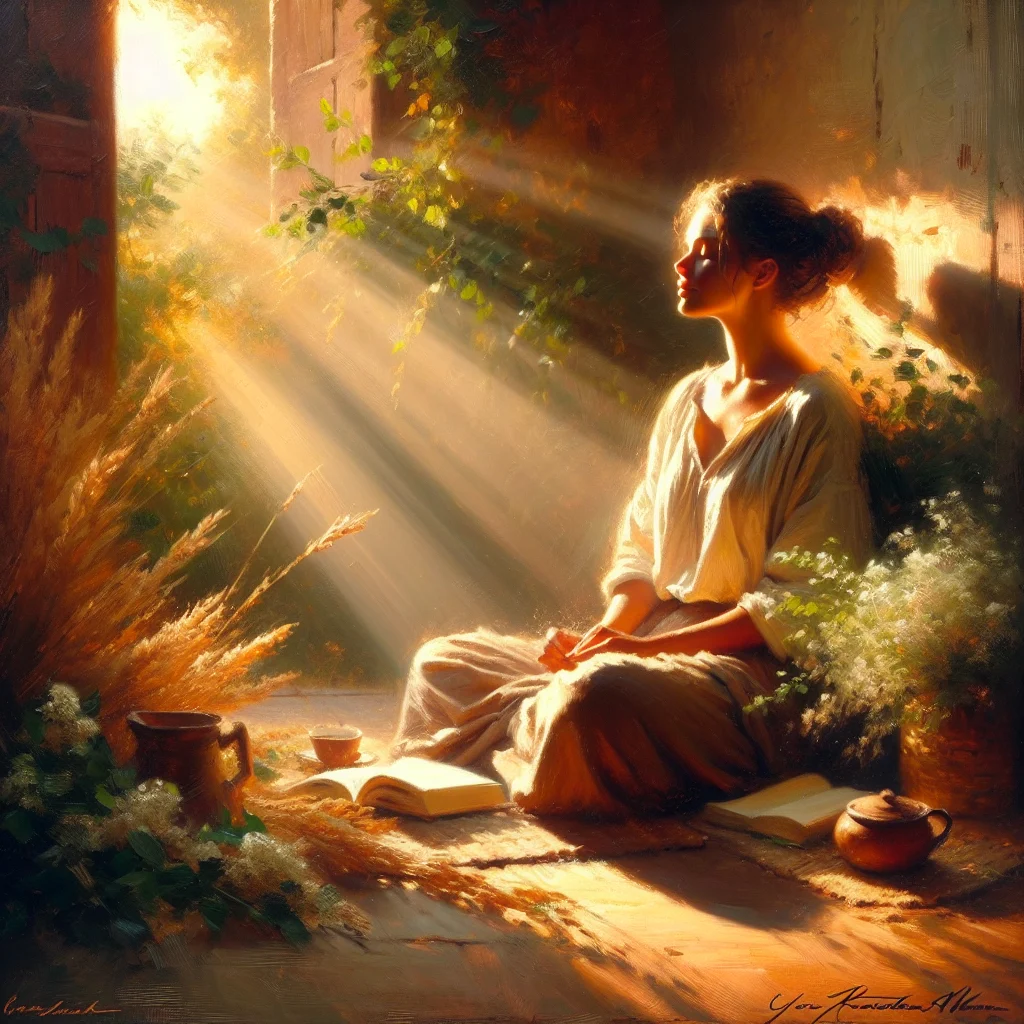
Who Is Ophelia Wilde?
Ophelia Wilde has carved out a unique space in the wellness and holistic living community. Her approach combines timeless wisdom with contemporary challenges, making slow living accessible to modern audiences. Unlike many influencers who promote quick fixes, Wilde emphasizes sustainable change through gradual shifts in mindset and habits.
Her journey toward slow living wasn’t instantaneous. After experiencing burnout from a demanding career, she began questioning society’s obsession with productivity and speed. This personal crisis became a catalyst for transformation, leading her to explore alternative ways of being in the world.
Today, Wilde shares her insights through various platforms, teaching others how to cultivate presence and intentionality. Her message resonates particularly strongly with those feeling overwhelmed by digital overload and societal pressures. For instance, she often discusses the importance of a digital detox as a foundational practice.
The Philosophy Behind Her Message
At the core of Ophelia Wilde’s slow living philosophy lies a simple yet profound truth: we are human beings, not human doings. She encourages followers to question the narrative that constant busyness equals success or worthiness. Instead, she advocates for measuring life by moments of connection, creativity, and contentment.
Her teachings draw from various traditions, including mindfulness practices, minimalism, and nature-based wisdom. However, she presents these concepts without dogma, allowing individuals to adapt principles according to their unique circumstances. This flexibility makes her approach both practical and sustainable for diverse lifestyles.
Core Principles of Slow Living According to Ophelia Wilde
Understanding slow living through Ophelia Wilde’s lens requires examining several interconnected principles. These aren’t rigid rules but rather guideposts for creating a more balanced, fulfilling life. Each principle builds upon the others, creating a comprehensive framework for intentional living.
Mindful Consumption and Minimalism
Wilde emphasizes that mindful consumption forms the foundation of slow living. This means questioning every purchase, subscription, and commitment before saying yes. She encourages asking: “Does this add genuine value to my life, or am I acquiring it out of habit or social pressure?”
Her approach to minimalism isn’t about deprivation. Rather, it focuses on creating space—both physical and mental—for what truly matters. By reducing clutter and unnecessary possessions, we free ourselves from the burden of maintenance and decision fatigue.
- Buy fewer items but choose higher quality pieces that last
- Invest in experiences rather than accumulating material goods
- Practice gratitude for what you already own
- Regularly declutter and donate items no longer serving you
Because our environment shapes our mental state, creating simplified spaces allows for greater clarity and peace. This principle extends beyond physical objects to include digital clutter, commitments, and relationships that drain rather than nourish us.
Presence Over Productivity
One of Ophelia Wilde’s most counterculture teachings involves prioritizing presence over endless productivity. In a world that glorifies multitasking and packed schedules, she advocates for single-tasking and intentional pauses. This shift can feel uncomfortable initially, especially for those conditioned to equate worth with output.
She teaches that being fully present during activities—whether cooking dinner, conversing with a friend, or walking in nature—creates richer experiences than rushing through ten tasks half-heartedly. Quality of attention matters more than quantity of accomplishments.
Moreover, this principle connects deeply with mindfulness and meditation practices. By training our minds to stay anchored in the present moment, we cultivate awareness that permeates all aspects of life.
Connection to Nature and Seasons
Wilde frequently discusses the importance of aligning our rhythms with natural cycles. Modern life often disconnects us from seasonal changes and circadian rhythms, leading to feelings of disorientation and exhaustion. She encourages followers to notice how nature’s pace varies throughout the year and adjust accordingly.
For example, winter naturally invites rest and introspection, while summer energizes expansion and social connection. By honoring these natural patterns rather than maintaining constant intensity year-round, we work with our biology instead of against it. This approach mirrors practices found in regions known for slower lifestyles, such as Greek slow living traditions.
Practical Ways to Embrace Slow Living with Ophelia Wilde’s Approach
Translating philosophy into action can feel daunting. However, Ophelia Wilde emphasizes that slow living begins with small, manageable changes rather than dramatic overhauls. The following practices provide concrete entry points for those ready to embrace this lifestyle shift.
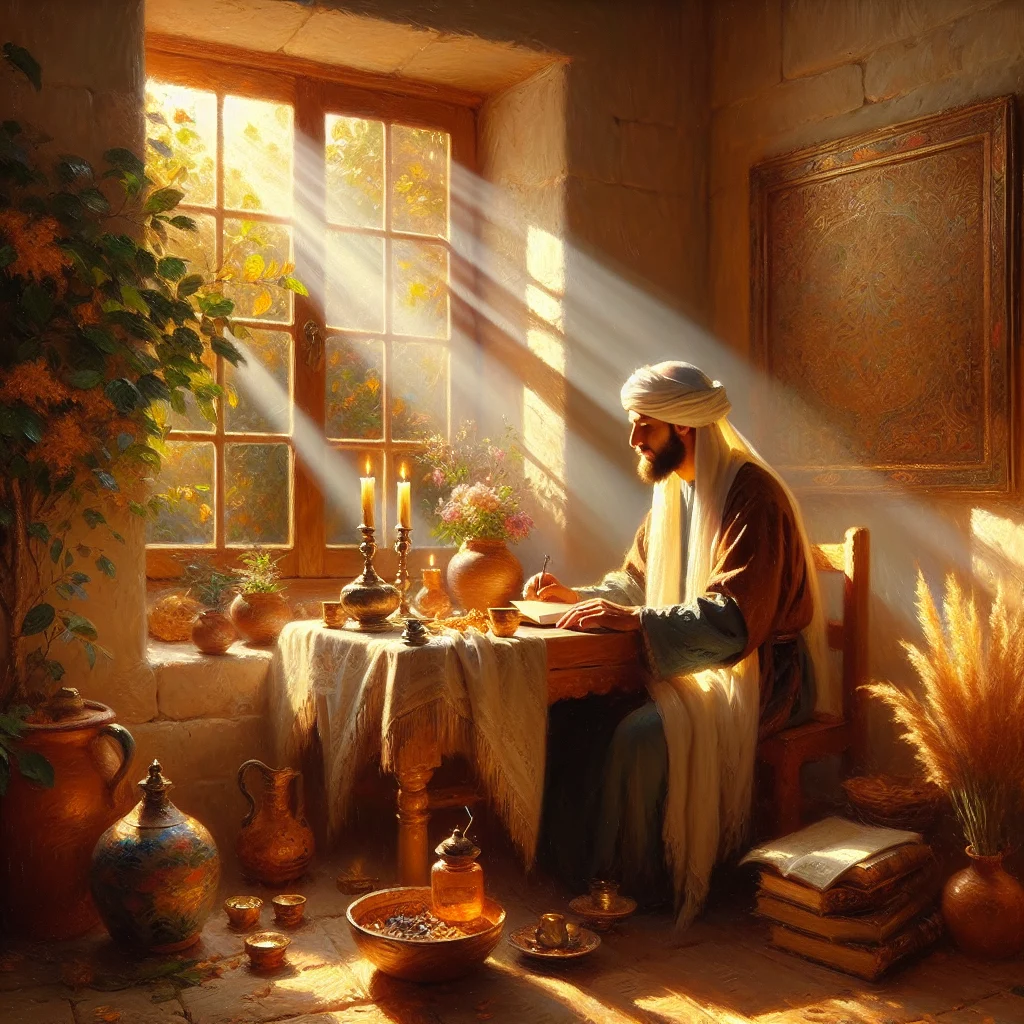
Redesigning Your Morning Routine
How we begin each day sets the tone for everything that follows. Instead of immediately checking phones or rushing into obligations, Wilde suggests creating a morning ritual that grounds and centers you. This might include:
- Waking naturally without an alarm when possible, or using gentle sounds
- Spending ten minutes in quiet reflection, meditation, or gentle stretching
- Enjoying breakfast mindfully without screens or distractions
- Setting one to three meaningful intentions rather than an overwhelming task list
These practices don’t require hours of time. Even fifteen minutes of intentional morning space can dramatically shift your daily experience. As a result, you’ll likely find yourself approaching challenges with greater calm and clarity throughout the day.
Creating Boundaries with Technology
Although technology offers valuable tools, it often hijacks our attention and disrupts slow living principles. Ophelia Wilde advocates for establishing clear boundaries around device usage. This might involve designated phone-free hours, removing social media apps from your home screen, or creating a charging station outside the bedroom.
She particularly emphasizes the importance of protecting morning and evening hours from digital stimulation. Because our nervous systems are most impressionable during these transitions, filling them with scrolling or email checking can create persistent stress patterns.
Furthermore, regular periods of complete disconnection—whether for a few hours weekly or longer retreats—allow our minds to reset and reconnect with what matters beyond the screen. This practice of intentional unplugging supports both mental health and wellbeing.
Cultivating Slow Food Practices
The slow food movement aligns beautifully with Ophelia Wilde’s broader philosophy. This involves choosing whole, seasonal ingredients; preparing meals from scratch when possible; and savoring food without rushing. She encourages viewing cooking not as a chore but as a meditative, creative practice.
Additionally, eating slowly and mindfully transforms meals into nourishing rituals rather than fuel stops. By chewing thoroughly and noticing flavors, textures, and aromas, we develop deeper appreciation for food while supporting better digestion. This simple shift exemplifies how slow living enhances both pleasure and health simultaneously.
Slow Living and Personal Relationships
Ophelia Wilde recognizes that relationships form the heart of meaningful living. However, in our hurried culture, connections often become transactional or superficial. She advocates for applying slow living principles to how we engage with others, prioritizing depth over breadth in our social circles.
Quality Over Quantity in Friendships
Rather than maintaining large networks of acquaintances, Wilde suggests nurturing a smaller circle of genuine relationships. This means investing time and energy in people who reciprocate care, share values, and support mutual growth. While this might feel exclusive, it actually creates space for authentic connection.
She encourages long, uninterrupted conversations without multitasking—putting phones away and truly listening. These deep exchanges satisfy our need for belonging far more than dozens of surface-level interactions. Consequently, we feel less lonely despite potentially having fewer contacts.
Slow Parenting Approaches
For those raising children, Ophelia Wilde offers guidance on slow living parenting that resists over-scheduling and constant stimulation. She advocates allowing children unstructured time for imagination and play, recognizing that boredom often precedes creativity.
This approach also involves modeling present-moment awareness rather than just teaching it. When parents demonstrate slowing down and savoring simple pleasures, children naturally absorb these values. Although societal pressure to fill every moment with activities can feel intense, slow parenting ultimately supports healthier child development.
Overcoming Challenges in Adopting Slow Living
Transitioning to slow living rarely happens seamlessly. Ophelia Wilde openly discusses common obstacles and offers strategies for navigating them. Acknowledging these challenges helps prevent discouragement when difficulties arise.
Dealing with External Pressure
One significant challenge involves pushback from others who may not understand or support lifestyle changes. Family members might question why you’re declining invitations, colleagues may pressure you to maintain previous work intensity, or friends might interpret boundaries as rejection.
Wilde suggests communicating your values clearly while respecting others’ different choices. You don’t need to convince everyone—simply maintain firm boundaries while staying open to genuine questions. Over time, many people notice positive changes in you and become curious rather than critical.
Managing Financial Realities
Some critics argue that slow living represents a privilege unavailable to those with financial constraints. However, Ophelia Wilde emphasizes that this lifestyle doesn’t require wealth. In fact, many principles—like reducing consumption, finding contentment in simplicity, and prioritizing relationships over possessions—naturally support financial wellbeing.
Nevertheless, she acknowledges that certain circumstances limit choices. Someone working multiple jobs to meet basic needs faces different constraints than someone with financial security. Her approach focuses on applying slow living principles within your unique situation rather than adopting an idealized version requiring resources you don’t have.
Navigating the Transition Period
Initially, slowing down can feel uncomfortable or even anxiety-provoking. Years of conditioning toward constant busyness don’t disappear overnight. Wilde normalizes this adjustment period, encouraging patience with yourself during the transition.
She recommends starting with one area—perhaps morning routines or technology boundaries—rather than attempting to transform everything simultaneously. As you experience benefits in one domain, motivation naturally builds for extending principles elsewhere. This gradual approach prevents overwhelm and supports sustainable change.
The Intersection of Slow Living and Spirituality
For Ophelia Wilde, slow living intertwines deeply with spirituality and inner work. While not prescribing specific religious beliefs, she recognizes that slowing down creates space for connecting with something beyond our individual egos—whether we call this nature, consciousness, or the divine.
Mindfulness as Spiritual Practice
By cultivating present-moment awareness, we access states of being that transcend constant mental chatter. This practice doesn’t require special equipment or settings. Simple activities like washing dishes or walking become spiritual when performed with full attention and appreciation.
Wilde often references practices similar to ikigai slow living, the Japanese concept of finding purpose through the intersection of what you love, what you’re good at, what the world needs, and what you can be compensated for. This framework helps align daily activities with deeper meaning.
Solitude and Self-Discovery
Another spiritual dimension of slow living involves embracing solitude. In our hyper-connected world, being alone can feel uncomfortable or frightening. However, Wilde teaches that regular periods of solitude support self-discovery and inner knowing that group settings cannot provide.
Through practices like journaling, meditation, or simply sitting quietly in nature, we access wisdom that constant external stimulation drowns out. These moments of stillness reveal what truly matters to us beyond conditioning and expectations.
Slow Living in Different Contexts
While Ophelia Wilde’s core teachings remain consistent, she acknowledges that slow living manifests differently across various environments and cultures. Understanding these variations helps us adapt principles authentically rather than imposing a one-size-fits-all approach.
Urban Versus Rural Settings
Practicing slow living in bustling cities presents different challenges than in quiet rural areas. Urban dwellers might focus more on creating sanctuary spaces within their homes, establishing boundaries against overstimulation, and seeking pockets of nature in parks or community gardens.
Conversely, those in rural settings already enjoy natural quiet and slower pace but might face isolation or limited access to community. Their slow living practice might emphasize maintaining these benefits while consciously building connection. Regardless of location, the underlying principles of intentionality and presence remain applicable.
Cultural Variations in Slow Living
Different cultures have long-standing traditions that embody slow living principles. From slow living in New Zealand to Mediterranean lifestyles, regional approaches offer rich inspiration. Wilde encourages learning from these traditions while adapting rather than appropriating practices removed from cultural context.
For instance, the Scandinavian concept of hygge, emphasizing cozy contentment, or the Italian tradition of lengthy communal meals both exemplify slow living values. Exploring how various cultures honor rest, celebration, and connection can inspire your personal practice.
Measuring Success in Slow Living
One paradox of slow living involves our tendency to turn it into another achievement to pursue. Ophelia Wilde addresses this pattern by reframing how we measure success in this lifestyle shift. Rather than checking accomplishments off lists, she suggests noticing subtle internal changes.
Internal Indicators of Progress
Signs that slow living principles are taking root include feeling less reactive to stressors, experiencing greater satisfaction in ordinary moments, and noticing increased energy rather than constant depletion. You might find yourself naturally choosing slower activities—reading instead of scrolling, walking instead of rushing, cooking instead of ordering takeout.
Additionally, relationships often deepen as you bring more presence to interactions. People may comment that you seem calmer or more grounded. These qualitative shifts matter more than quantitative metrics like how many practices you’ve adopted.
Embracing Non-Linear Progress
Wilde emphasizes that growth rarely follows a straight line. You’ll have days when old patterns resurface or when life circumstances require temporarily setting aside certain practices. This doesn’t represent failure but rather the natural ebb and flow of sustainable change.
By releasing perfectionism around slow living, we paradoxically embody its principles more fully. The goal isn’t flawless execution but gradually orienting our lives toward greater alignment with values and wellbeing.
Resources for Deepening Your Practice
As you explore slow living inspired by Ophelia Wilde’s teachings, various resources can support your journey. While she emphasizes that you already possess everything needed for this lifestyle shift, external tools and communities can provide valuable guidance and encouragement.
Books on minimalism, simple living, and mindfulness offer different perspectives that complement Wilde’s approach. Communities—both online and local—create spaces for sharing challenges and celebrating progress with others on similar paths.
Moreover, practices like sound healing or yoga for emotional balance can deepen the embodied aspects of slow living. These modalities help release stored tension and cultivate the nervous system regulation that supports sustainable lifestyle changes.
Creating Your Personal Slow Living Blueprint
Ultimately, Ophelia Wilde encourages each person to design a slow living practice that honors their unique circumstances, values, and aspirations. Rather than following prescriptive rules, she invites you to experiment with different elements and notice what creates genuine shifts in your wellbeing.
Start by identifying one or two areas causing the most stress or disconnection in your current life. Perhaps you feel overwhelmed by constant notifications, rushed through meals, or disconnected from loved ones. Choose practices addressing these specific pain points rather than attempting comprehensive transformation immediately.
As you implement changes, maintain curiosity rather than judgment about what unfolds. Some adjustments will feel immediately beneficial; others might require time or modification. Trust your own experience as the ultimate guide in this process.
If you’re seeking structured support for developing practices that complement slow living, Manifest Your Dreams: A Practical Guide to the Law of Attraction offers tools for aligning your daily life with deeper intentions and aspirations.
The Ripple Effect of Slow Living
Beyond personal benefits, Ophelia Wilde highlights how individual slow living choices create broader positive impacts. When we consume less mindlessly, we reduce environmental strain. As we prioritize presence with loved ones, we strengthen community bonds that have frayed under modern pressures.
Furthermore, modeling alternative ways of being gives others permission to question dominant narratives around productivity and success. Your choice to leave work on time, decline unnecessary commitments, or simply be present might inspire colleagues, friends, or family members to examine their own patterns.
While slow living begins as a personal practice, its effects naturally radiate outward. This ripple effect represents the movement’s quiet power—not through aggressive evangelism but through the magnetic quality of people living more aligned, peaceful lives.
Conclusion: Beginning Your Slow Living Journey
Ophelia Wilde’s approach to slow living offers a compassionate, practical pathway for anyone feeling overwhelmed by modern life’s relentless pace. Her teachings remind us that we have permission—and indeed, the responsibility—to live differently than prevailing cultural scripts suggest.
The journey toward slower, more intentional living doesn’t require perfection or dramatic life upheavals. It begins with small, conscious choices repeated until they become new patterns. One mindful meal, one technology-free evening, one meaningful conversation at a time, we reclaim our lives from autopilot mode.
As you explore these principles, remember that slow living isn’t about adding more to your plate but rather clearing space for what truly nourishes you. It’s about quality over quantity, presence over productivity, and meaning over mere busyness.
Whether you’re just discovering this philosophy or deepening an existing practice, resources like The Self-Love Reset: A Journey to Rediscover Yourself can support the inner work that makes sustainable lifestyle changes possible. Because ultimately, slow living flows from self-compassion and the belief that you deserve a life of peace and purpose.
The world needs people who have stepped off the treadmill of constant doing to model alternative possibilities. Your decision to embrace slow living, inspired by teachers like Ophelia Wilde, contributes to this quiet revolution—one intentional moment at a time.

