
If you’ve been dreaming of slowing down and reconnecting with what truly matters, Umbria might just be calling your name. Nestled in central Italy, this enchanting region embodies the essence of slow living in ways that few other places can match. While Tuscany draws the crowds, Umbria remains delightfully understated—a place where time seems to move at its own gentle pace, inviting visitors and residents alike to breathe deeply and savor each moment.
Unlike the frenetic energy of modern metropolitan life, slow living in Umbria isn’t just a trend—it’s a way of being that’s woven into the very fabric of daily existence. From rolling hills covered in ancient olive groves to medieval hilltop towns that have stood for centuries, this region offers a masterclass in living intentionally. Here, people still gather in piazzas for evening conversations, farmers tend their land using time-honored methods, and meals are celebrated events rather than rushed necessities.
In this article, we’ll explore what makes Umbria such a perfect destination for embracing slow living principles, how you can experience this transformative lifestyle during your visit, and why this often-overlooked region deserves a prominent place on your journey toward a more mindful existence. Whether you’re planning a short visit or considering a longer stay, understanding the rhythm of Umbrian life can profoundly shift your perspective on what truly matters.
As you begin exploring these concepts, you might find value in Everyday Calm: A Beginner’s Guide to Daily Meditation, which can help you develop the mindfulness practices that complement the slow living philosophy beautifully.
Understanding the Slow Living Philosophy in Umbria
The concept of slow living originated from the Slow Food movement, which itself was born in Italy as a response to the homogenization of fast food culture. However, in Umbria, this philosophy extends far beyond the dinner table. It permeates every aspect of daily life, creating a holistic approach to existence that prioritizes quality over quantity, presence over productivity, and connection over consumption.
In Umbrian culture, slow living isn’t something people consciously practice—it’s simply how life unfolds. The rhythm of agricultural seasons dictates much of the annual calendar, creating a natural ebb and flow that keeps residents grounded in the present moment. Because of this deep connection to the land, people here understand intuitively that some things cannot and should not be rushed.
The Historical Roots of Slow Paced Life
Umbria’s relationship with unhurried living stretches back centuries. As one of Italy’s few landlocked regions, it developed somewhat apart from the major trade routes that accelerated life in coastal areas. This geographic isolation, rather than being a disadvantage, allowed Umbria to preserve traditions and ways of life that might have otherwise been swept away by modernization.
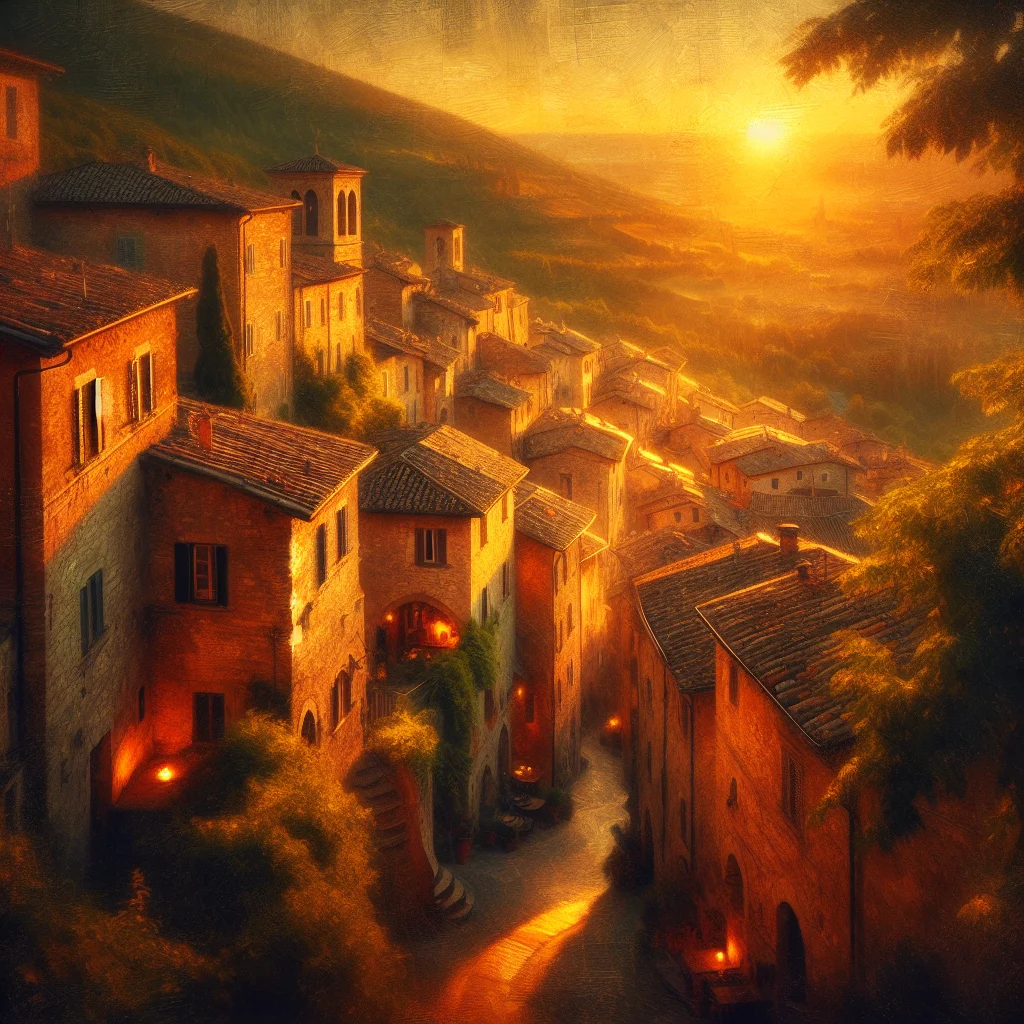
The region’s numerous medieval towns, such as Assisi, Perugia, and Orvieto, still retain their historical layouts and architecture. Walking these ancient streets, you’re literally following paths that have been trodden for hundreds of years. Moreover, this physical continuity with the past creates a psychological connection that naturally slows your pace and deepens your awareness.
Saint Francis of Assisi, perhaps Umbria’s most famous historical figure, exemplified many principles that align with contemporary slow living values. His emphasis on simplicity, connection with nature, and mindful appreciation of life’s smallest wonders continues to influence the region’s spiritual and cultural identity today.
What Sets Umbria Apart from Other Italian Regions
While all of Italy embraces a more relaxed lifestyle compared to many Western countries, Umbria stands out even among Italian regions. For instance, unlike Tuscany’s wine country, which has become increasingly commercialized and tourist-focused, Umbria retains an authentic character that feels less performative and more genuinely rooted in tradition.
Additionally, the region’s relative obscurity works in its favor. Without the overwhelming tourist infrastructure of more famous destinations, Umbria has maintained its soul. You’ll find family-run agriturismos rather than international hotel chains, local trattorias serving recipes passed down through generations rather than restaurants catering to tourist expectations, and communities that genuinely welcome visitors as guests rather than viewing them as revenue sources.
The landscape itself encourages slowness. Unlike dramatic mountain ranges or sweeping coastlines that inspire awe, Umbria’s beauty is gentle and unassuming. Its rolling hills, quiet forests, and meandering rivers invite contemplation rather than conquest. As a result, the region naturally attracts those seeking restoration rather than stimulation.
For more insights on how holistic living practices can enhance your journey, explore resources that align with slow living principles.
Daily Life: How Umbrians Embrace Slow Living
Observing how locals actually live provides the most authentic understanding of slow living in Umbria. Their daily routines might seem unremarkable at first glance, but closer examination reveals an intentional approach to time and presence that contrasts sharply with modern hustle culture.
Morning Rituals and the Art of Starting Slowly
In Umbria, mornings unfold gradually. Rather than jolting awake to alarm clocks and rushing through abbreviated morning routines, people here often begin their days with rituals that honor the transition from sleep to wakefulness. A proper breakfast isn’t grabbed on the go—it’s a seated affair, perhaps at a local bar where the barista knows your usual order and might share a few words about yesterday’s football match or tomorrow’s weather.
For those living in rural areas, mornings might involve tending to gardens or animals before the heat of the day intensifies. This connection to immediate, tangible work creates a grounding effect that no amount of meditation apps can fully replicate. Furthermore, because these activities follow natural rhythms rather than arbitrary schedules, they foster an embodied understanding of patience and timing.
The Sacred Lunch Break
Perhaps nothing illustrates Umbrian slow living more clearly than the traditional lunch break. From approximately 1 PM to 4 PM, many businesses close completely. This isn’t merely a break for food—it’s a daily reset, a chance to return home, share a meal with family, and perhaps rest before the afternoon’s activities.
While this custom frustrates some tourists accustomed to round-the-clock consumer access, it reflects a profound prioritization of human needs over economic productivity. The message is clear: people matter more than profits, and maintaining energy and connection throughout life requires regular pauses.
During these extended breaks, town centers often become nearly silent. Meanwhile, homes fill with conversation, the aroma of home-cooked meals, and sometimes the gentle sound of afternoon rest. This collective slowing creates a shared rhythm that binds communities together.
Evening Passeggiata: Community as Practice
As the day cools, another quintessentially Italian ritual takes place: the passeggiata, or evening stroll. In towns throughout Umbria, people of all ages emerge to walk the main streets, greet neighbors, window shop without pressure to purchase, and simply be present in the public sphere.
This practice, which might seem frivolous to efficiency-minded observers, actually serves multiple important functions. It provides gentle exercise, facilitates social connection, offers visual stimulation through changing seasons and community activities, and creates a transition between the work day and evening relaxation. Consequently, the passeggiata demonstrates how slow living isn’t about doing less—it’s about doing things that genuinely nourish human wellbeing.
The slow living approach shares many principles with Misiyo’s gentle path to intentional life, emphasizing presence and authentic connection.
Umbria’s Landscapes: Nature as a Teacher of Slowness
The physical environment of Umbria actively encourages a slower pace of life. Unlike destinations that promise adventure and adrenaline, Umbria’s landscapes invite quiet observation and patient exploration.
The Rolling Hills and Agricultural Rhythms
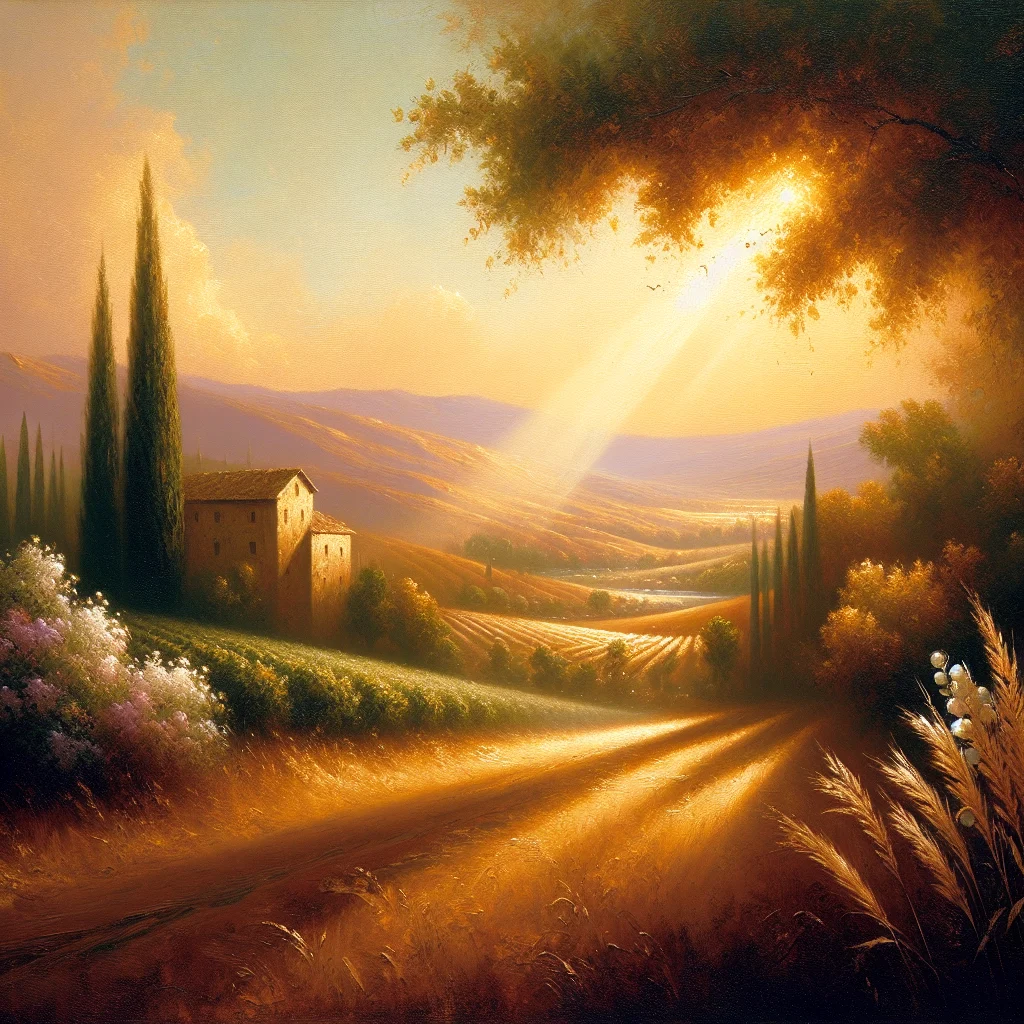
Umbria’s signature landscape—gentle hills covered in olive groves, vineyards, and grain fields—changes subtly with the seasons. In spring, bright green growth covers the hillsides. Summer brings golden wheat and ripening grapes. Autumn showcases the olive harvest and turning leaves. Winter strips the landscape to its essential forms, revealing the bones of the land.
Because agriculture remains central to Umbrian life, these seasonal changes dictate much of the annual rhythm. Harvest festivals, wine-making traditions, and olive oil production all follow schedules set by nature rather than human convenience. As such, living in or visiting Umbria means accepting that some experiences are only available at certain times—a lesson in patience and appreciation for the present moment.
Hidden Valleys and Quiet Trails
Beyond the famous hilltop towns, Umbria hides countless quiet valleys, forest paths, and rural roads that see minimal traffic. These spaces offer opportunities for walking meditation, nature observation, and the kind of solitude that’s increasingly rare in our hyperconnected world.
Unlike dramatic hiking destinations where the goal is reaching a summit or covering distance, walking in Umbria tends to be more contemplative. The terrain rarely demands intense physical effort, allowing attention to shift from athletic achievement to sensory awareness. You might notice the particular quality of light filtering through oak leaves, hear the distant sound of church bells marking the hour, or catch the scent of wild herbs crushed underfoot.
Sacred Spaces and Spiritual Presence
Throughout Umbria, churches, monasteries, and hermitages dot the landscape. Many of these sacred spaces remain active, while others stand as quiet witnesses to centuries of devotion. Regardless of your religious beliefs, these places carry a palpable sense of contemplation and timelessness.
Visiting the Basilica of Saint Francis in Assisi, the Duomo of Orvieto, or the lesser-known abbey of Sant’Antimo, you enter spaces designed specifically to shift consciousness, to create conditions for reflection and transcendence. Similarly, these architectural achievements from centuries past remind us that humans have long understood the value of creating spaces that facilitate slowness and depth.
Food Culture: Savoring Every Bite
No discussion of slow living in Umbria would be complete without exploring the region’s extraordinary food culture. Here, eating isn’t merely fuel consumption—it’s a form of communion, creativity, and connection to place.
From Farm to Table: Understanding Your Food
In Umbria, the connection between land and table remains remarkably direct. Many restaurants source ingredients from nearby farms, often ones they have relationships with spanning generations. This isn’t farm-to-table as marketing strategy—it’s simply how things have always been done.
Consequently, menus change with the seasons because that’s when ingredients are available at their peak. You won’t find tomatoes in winter or truffles in summer. This seasonal eating connects diners to the natural cycles of growth and harvest, creating awareness of time passing and the gifts each season brings.
Moreover, many Umbrians maintain home gardens or have connections to family land where they grow vegetables, herbs, and perhaps keep a few animals. This direct involvement with food production creates appreciation for the labor, time, and attention required to bring food to the table—an antidote to the disconnection that characterizes much modern eating.
Meals as Events Worth Savoring
A traditional Umbrian meal unfolds in multiple courses over several hours. This isn’t gluttony—it’s pacing. Antipasti might include local salami and cheese. A first course (primi) brings pasta with seasonal ingredients. The second course (secondi) features protein, perhaps wild boar or freshwater fish. Vegetables follow as a separate course. Finally, dessert and coffee conclude the meal.
Between courses, conversation flows. Wine is sipped, not gulped. Pauses allow digestion and anticipation to build. As a result, a meal becomes an experience that engages all senses and creates space for genuine connection among diners.
This approach to eating aligns perfectly with slow living principles. It requires setting aside adequate time, being fully present during the meal, and prioritizing quality and enjoyment over efficiency and quantity.
Learning Through Cooking
Many agriturismos and cooking schools throughout Umbria offer classes where visitors can learn traditional preparation methods. Making pasta by hand, learning to select the right wild herbs, or understanding how to properly cure olives—these skills connect you to centuries of accumulated wisdom.
Furthermore, cooking classes in Umbria emphasize process over perfection. The goal isn’t replicating restaurant presentations but understanding techniques, developing sensory awareness, and gaining confidence to improvise with available ingredients. This learning approach itself embodies slow living values: patience, presence, and appreciation for traditional knowledge.
This mindful approach to food parallels the intentionality found in other slow living and home practices that create sanctuary in everyday spaces.
Experiencing Slow Living Umbria as a Visitor
You don’t need to relocate permanently to experience the benefits of slow living in Umbria. However, approaching a visit with the right mindset and making certain choices can dramatically deepen your experience.
Choosing Your Base Wisely
Where you stay significantly influences your ability to embrace slow living during your visit. While hotels in city centers offer convenience, staying at an agriturismo—a working farm that hosts guests—provides a more immersive experience.
At an agriturismo, you’ll wake to roosters rather than traffic, breakfast on homemade preserves and fresh eggs, and have opportunities to observe or participate in farm activities. The pace naturally slows because there’s nowhere you need to rush to and nothing demanding your immediate attention.
Alternatively, renting an apartment in a small hilltop town puts you in proximity to daily Italian life. Shopping at the local market, picking up bread from the same bakery each morning, and becoming a familiar face at your neighborhood café all create a sense of belonging that transforms you from tourist to temporary resident.
Resisting the Urge to See Everything
Many travelers approach vacations with a completionist mentality, determined to see every sight mentioned in guidebooks. However, this approach directly contradicts slow living principles. Instead of rushing from one attraction to another, consider spending more time in fewer places.
Spend a morning doing nothing but sitting in a piazza with a book and coffee. Take a long, aimless walk through olive groves. Visit a small church without historic significance simply because it’s there. Allow boredom to emerge, then notice what appears on the other side of it—often a deeper presence and appreciation than any planned activity could provide.
This approach might feel uncomfortable initially, especially if you’re accustomed to maximizing every vacation moment. Nevertheless, the gift of time spent slowly often reveals itself only in retrospect, in memories that carry more emotional richness than a checklist of visited attractions.
Engaging with Local Rhythms
To truly experience slow living in Umbria, synchronize your schedule with local patterns. This means accepting that many businesses close for several hours midday, that Sundays are truly days of rest when most shops are closed, and that dinner happens late by American standards.
Rather than viewing these customs as inconveniences, recognize them as opportunities to adjust your own rhythm. Use the midday closure time to rest, read, or enjoy a long meal. On Sundays, appreciate the quiet that descends when commerce pauses. Eat dinner late and notice how evening light transforms the landscape during the extended pre-dinner hours.
Additionally, attend local festivals and markets when possible. These events, which happen regularly throughout the year celebrating everything from wine and truffles to historical events and patron saints, offer windows into community life and shared cultural identity.
Similar principles of cultural immersion apply to slow living in Mexico, where embracing local rhythms deepens the experience.
Practical Tips for Your Slow Living Umbria Journey
Transitioning to a slower pace, even temporarily, requires some practical considerations. These tips can help you maximize the restorative potential of time spent in Umbria.
Transportation Considerations
While having a car provides flexibility in rural Umbria, consider how your transportation choices affect your experience. Driving from place to place maintains a certain pace and distance from the landscape. In contrast, walking and cycling force slower movement that reveals details you’d otherwise miss.
When you must drive, treat the journey as part of the experience rather than merely transit between destinations. Pull over at roadside overlooks. Take the smaller provincial roads rather than highways. Allow extra time so you’re never rushing.
Technology and Connection
One of slow living’s greatest gifts is the opportunity to disconnect from digital overwhelm. Consider establishing boundaries around technology use during your visit. Perhaps designate phone-free mornings, turn off all notifications, or leave devices behind entirely during walks and meals.
Many agriturismos have limited or no WiFi, which initially might seem like a drawback but actually supports deeper presence and connection with your surroundings. Without the constant pull of digital distraction, you’ll find it easier to settle into slower rhythms.
Learning Key Italian Phrases
While many Umbrians in tourist areas speak English, especially younger generations, making an effort with Italian creates warmer interactions. Learning basic phrases like “Buongiorno” (good morning), “Grazie mille” (thank you very much), and “Per favore” (please) demonstrates respect and often opens doors to more authentic connections.
Furthermore, the act of learning and using a new language requires slowing down and being more intentional with communication—itself a slow living practice. The awkwardness of language barriers can actually facilitate presence and attentiveness that smoothly efficient communication sometimes bypasses.
When to Visit
Each season in Umbria offers distinct experiences. Spring (April-May) brings blooming flowers and comfortable temperatures. Summer (June-August) can be hot but is festival season. Autumn (September-October) features harvest activities and spectacular color. Winter (November-March) sees fewer tourists and a quieter, more introspective atmosphere.
For the most relaxed experience with fewer crowds, consider visiting during shoulder seasons—late spring or early autumn. These periods offer pleasant weather without the peak summer tourist presence, making it easier to connect with local life and rhythms.
Lessons from Umbria: Bringing Slow Living Home
Perhaps the most valuable aspect of experiencing slow living in Umbria is recognizing which elements can be integrated into daily life after you return home. While you can’t transplant the entire Umbrian lifestyle, certain principles and practices travel well.
Creating Rituals and Rhythms
One of Umbria’s greatest lessons is the power of daily rituals—the morning coffee, the afternoon pause, the evening walk. These practices don’t require special conditions or geographic location. You can establish your own versions adapted to your context.
Consider what small rituals might anchor your days and create moments of presence. Perhaps a morning period without screens, a lunch break away from your desk, or an evening walk before dinner. The specifics matter less than the consistency and intention behind them.
Prioritizing Quality Relationships
Umbrian life demonstrates how prioritizing time with others creates richness that no amount of individual achievement can match. The hours spent in conversation over meals, the community gatherings, the maintained connections across generations—all reflect an understanding that relationships are life’s primary currency.
How might you allocate more time and attention to relationships that matter? This might mean scheduling regular meals with family without devices present, creating space for unhurried conversations with friends, or simply being more present during interactions rather than mentally multitasking.
Reconnecting with Food and Cooking
Even if you can’t source everything from local farms, you can approach food with more mindfulness. Shopping at farmers markets when available, learning to cook seasonal recipes, taking time to properly prepare and savor meals rather than eating while distracted—all honor the spirit of Umbrian food culture.
Additionally, growing even small amounts of food—herbs on a windowsill, tomatoes in containers, lettuce in a small garden bed—creates a tangible connection to growth cycles and the patience required to bring food from seed to table.
Embracing Seasonal Awareness
Modern life often exists in climate-controlled, artificially lit spaces where seasons barely register. However, developing awareness of seasonal changes—even in urban environments—creates a connection to natural rhythms that supports slower, more grounded living.
Notice how light quality changes throughout the year. Observe which flowers bloom when. Pay attention to temperature shifts and how they affect your energy and mood. This awareness doesn’t require living rurally—it simply requires attention.
These practices align beautifully with mindfulness and meditation approaches that cultivate present-moment awareness.
The Deeper Transformation: Why Slow Living Matters
Beyond the immediate pleasure of experiencing Umbria’s beauty and lifestyle, slow living offers something more profound: an antidote to the anxiety, disconnection, and exhaustion that characterize so much of modern existence.
Reclaiming Attention
In our attention economy, where countless forces compete for mental space, slow living represents an act of resistance. By deliberately choosing to focus on immediate experience rather than constantly consuming content or pursuing the next thing, you reclaim sovereignty over your own consciousness.
Umbria demonstrates that life can be deeply satisfying without constant stimulation or achievement. A day spent largely doing simple, unhurried things—preparing food, walking, conversing, resting—can feel more complete and fulfilling than a day packed with accomplishments and entertainment.
Building Resilience Through Rootedness
Slow living cultivates resilience not through more doing but through deeper being. By establishing rituals, maintaining connections, and aligning with natural rhythms, you create stability that external circumstances cannot easily disrupt.
The Umbrian approach—where identity connects to place, tradition, and community rather than primarily to career or consumption—offers a model for building this kind of resilient rootedness even in mobile, modern contexts.
Rediscovering Joy in the Ordinary
Perhaps slow living’s greatest gift is revealing how much beauty and meaning exist in everyday experiences when we grant them proper attention. A perfectly ripe tomato, the play of light on stone walls, genuine laughter with friends—these simple moments constitute life’s actual texture, yet they’re easily overlooked in the rush toward supposedly more significant experiences.
Umbria teaches that extraordinary experiences aren’t necessarily rare or expensive—they emerge when we bring full presence to ordinary moments. This shift in perspective can transform daily life from something to endure until the next vacation into something inherently worthwhile.
To further develop your mindful awareness practices, consider exploring Manifest Your Dreams: A Practical Guide to the Law of Attraction, which complements slow living principles with intentional manifestation.
Resources for Continued Exploration
If you’re inspired to learn more about slow living in Umbria or slow living philosophy generally, numerous resources can deepen your understanding and support your practice.
Books and Reading
Several excellent books explore both Umbria specifically and slow living more broadly. Carl Honoré’s “In Praise of Slowness” provides a comprehensive look at the slow movement across various life domains. Frances Mayes’ memoirs, while focused on Tuscany, capture the spirit of rural Italian life that applies to Umbria as well.
For Umbria-specific reading, travel narratives by writers who’ve spent extended time in the region offer valuable perspectives beyond typical guidebooks. Additionally, Wikipedia’s Umbria article provides historical and cultural context.
Online Communities
Various online communities connect slow living enthusiasts worldwide. While virtual connection might seem paradoxical for a philosophy emphasizing presence, these spaces can provide support, inspiration, and practical advice, especially when you’re surrounded by a culture that doesn’t share these values.
Social media accounts focused on slow living Instagram aesthetics can offer daily visual reminders of the lifestyle, though be mindful of the irony of consuming slow living content in the fast-paced scroll of social media.
Additional Resources
The official Umbria Tourism website offers practical information for planning visits, including event calendars, accommodation directories, and suggested itineraries. For understanding the broader slow movement, the Slow Food organization’s website provides valuable context and resources.
Moreover, organizations like WWOOF (World Wide Opportunities on Organic Farms) offer opportunities for extended stays on working farms throughout Umbria, providing immersive experiences in agricultural life and slow living practices.
Conclusion: Your Invitation to Slowness
Slow living in Umbria isn’t about romanticizing the past or rejecting modernity wholesale. Rather, it’s about recognizing that the pace and priorities of contemporary life often work against human flourishing, and that alternative approaches exist—approaches rooted in centuries of accumulated wisdom about what makes life meaningful.
Umbria offers a living laboratory where these principles remain visible and accessible. Whether you visit for a week or make it your home, the region invites you to question assumptions about speed, success, and satisfaction that often go unexamined in modern life.
You might discover that the things you thought you’d miss during slower periods—constant connectivity, packed schedules, endless options—were actually sources of depletion rather than enrichment. Conversely, experiences you might have dismissed as insufficiently remarkable—a long meal, an aimless walk, an afternoon spent reading—reveal unexpected depth when granted proper time and attention.
The invitation is simple: slow down. Notice what’s actually present rather than constantly reaching for what’s next. Prioritize quality over quantity in all domains—relationships, experiences, food, work. Create rituals that anchor your days and connect you to rhythms larger than individual ambition.
Umbria demonstrates that this way of living is not only possible but deeply satisfying. The question isn’t whether you can adopt these practices—it’s whether you’re willing to challenge the cultural narratives that insist speed, constant growth, and perpetual striving are the only paths to a good life.
As you consider your own journey toward slower, more intentional living, resources like The Self-Love Reset: A Journey to Rediscover Yourself can support the inner work that makes external changes sustainable.
Ultimately, slow living in Umbria teaches us that the good life isn’t something to achieve in the future through enough effort and accomplishment. It’s available now, in the present moment, when we grant ourselves permission to fully inhabit our actual lives rather than perpetually preparing for some imagined better version. That permission, and the transformation it enables, is perhaps the greatest gift this remarkable region offers.

