
If you’ve ever found yourself scrolling endlessly through streaming platforms, searching for something that actually soothes your soul rather than just filling time, you’re not alone. In our hyperconnected world, many of us are discovering the profound appeal of a japanese movie about slow living – films that embrace quieter narratives, minimal dialogue, and the beauty of everyday moments.
Japanese cinema has long mastered the art of capturing stillness on screen. While Hollywood often prioritizes explosive action and rapid-fire dialogue, Japanese filmmakers have developed a distinct cinematic language that celebrates patience, contemplation, and the rhythms of daily life. These films invite us to breathe deeply and rediscover what it means to simply be present.
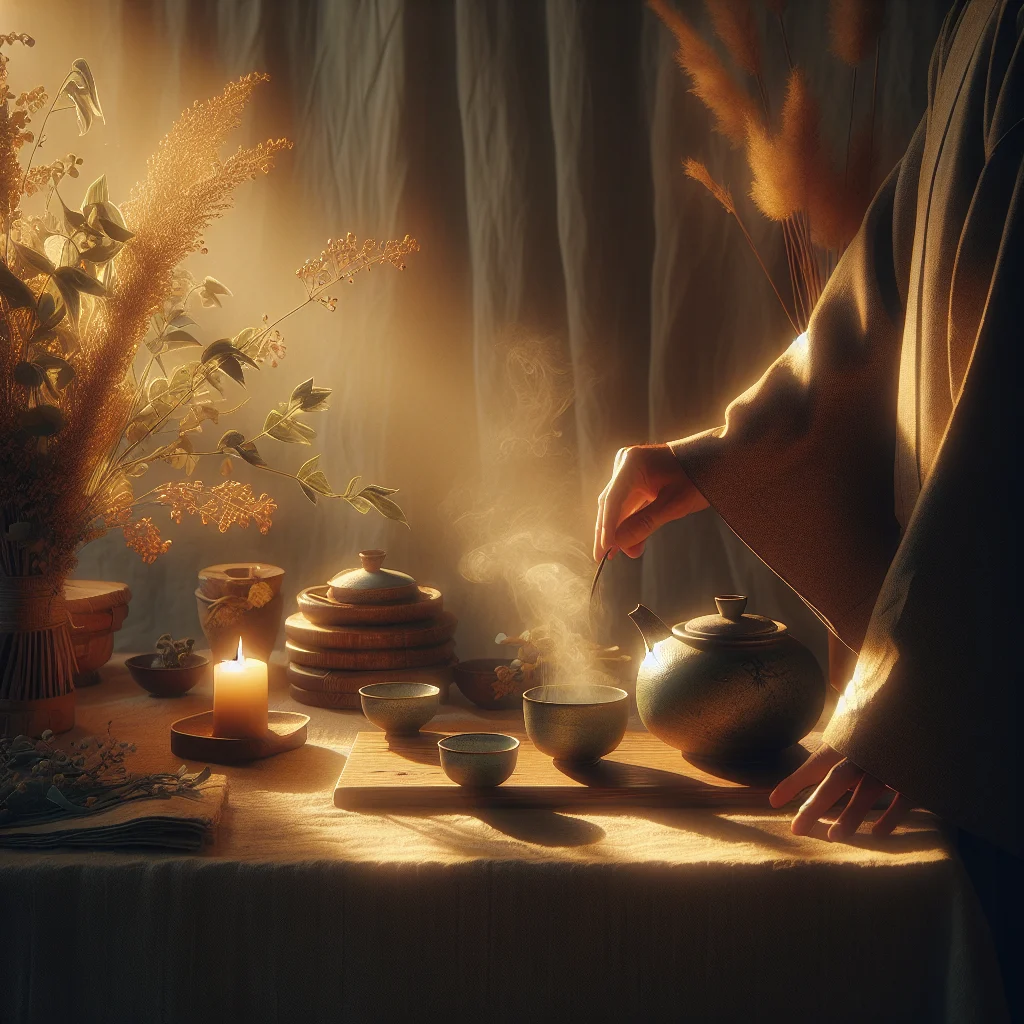
Because modern life moves at such a relentless pace, these movies offer something increasingly rare: permission to slow down. They remind us that drama doesn’t always require conflict, and that beauty often resides in the mundane – a cup of tea being poured, light filtering through window blinds, or the quiet satisfaction of preparing a meal with intention.
If you’re looking to cultivate more mindfulness in your daily routine, consider exploring Everyday Calm: A Beginner’s Guide to Daily Meditation, which complements the contemplative spirit these films embody.
Understanding the Philosophy Behind Japanese Slow Living Cinema
The concept of slow living in Japanese film isn’t merely an aesthetic choice – it’s deeply rooted in cultural philosophy. Ma, the Japanese concept of negative space and meaningful silence, permeates these cinematic works. Unlike Western storytelling that often seeks to fill every moment with action or dialogue, Japanese directors understand that what’s *not* shown can be just as powerful as what is.
Furthermore, these films draw from centuries-old traditions like wabi-sabi, which finds beauty in imperfection and impermanence. This philosophy transforms ordinary moments into profound meditations on existence. When a character in one of these films spends five minutes silently observing falling leaves, it’s not boring – it’s an invitation to recalibrate our attention.
The Influence of Zen Buddhism
Many Japanese films about slow living incorporate principles from Zen Buddhism, particularly the practice of mindfulness and being fully present in each moment. Directors like Yasujirō Ozu pioneered this approach, using static cameras and “pillow shots” – extended scenes of empty spaces that allow viewers to pause and reflect.
As a result, watching these films becomes a form of meditation itself. The viewing experience mirrors the mindfulness and meditation practices that many people are now incorporating into their wellness routines.
Essential Japanese Movies That Celebrate Slow Living
While there are countless examples of contemplative Japanese cinema, certain films have become particularly beloved for their embodiment of slow living principles. These aren’t necessarily movies *about* slow living in an explicit sense; rather, they embody it through their pacing, visual language, and thematic concerns.
Little Forest (2014 & 2015)
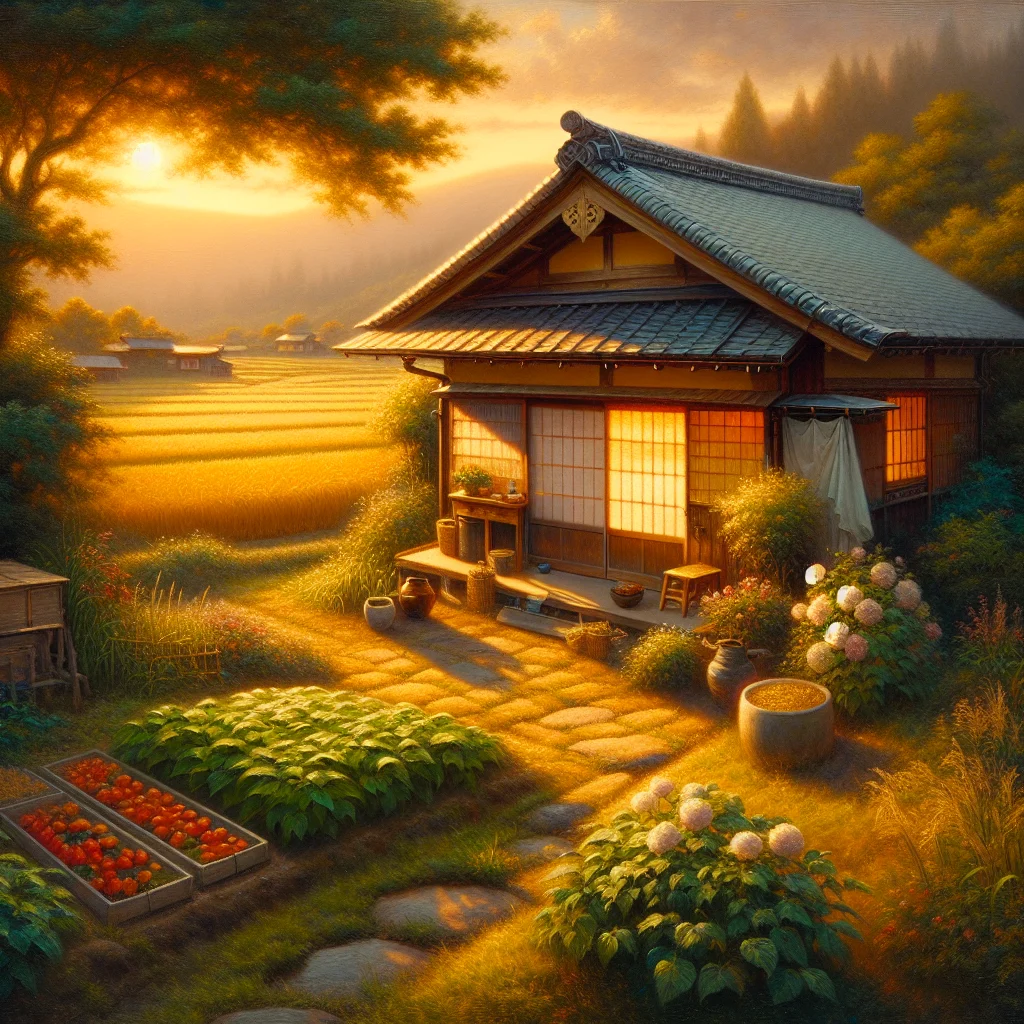
Perhaps no film captures the essence of a japanese movie about slow living better than “Little Forest.” This two-part series follows Ichiko, a young woman who returns to her rural hometown after feeling overwhelmed by city life. The narrative unfolds across the four seasons, with Ichiko growing, harvesting, and cooking her own food.
What makes this film remarkable is its meditative focus on the processes of daily life. However, it never becomes didactic or preachy. Instead, viewers are simply invited to observe as Ichiko kneads bread dough, pickles vegetables, and finds healing through connection with nature and tradition.
The film beautifully illustrates concepts explored in slow living philosophy, showing how returning to simpler rhythms can restore emotional balance.
Kamome Diner (2006)
Set in Helsinki, Finland, “Kamome Diner” tells the story of Sachie, a Japanese woman who opens a small diner serving traditional Japanese food. The film’s gentle pacing allows viewers to appreciate the ritualistic aspects of food preparation and the quiet joy of hospitality.
Although challenges arise, they’re never dramatized with artificial tension. Instead, the film maintains its contemplative tone throughout, demonstrating that meaningful stories don’t require manufactured conflict. This approach aligns with the principles of holistic living, where peace comes from accepting life’s natural flow rather than constantly struggling against it.
Still Walking (2008)
Hirokazu Kore-eda’s “Still Walking” unfolds over a single day as a family gathers to commemorate their deceased son. While the subject matter might sound heavy, the film treats its characters with such tenderness and patience that the experience feels restorative rather than draining.
The camera observes mundane activities – preparing meals, sharing watermelon, taking baths – with equal attention to supposedly “important” dramatic moments. In addition, Kore-eda allows conversations to breathe, with natural pauses and overlapping dialogue that reflects how people actually communicate.
The Zen Diary (2022)
This more recent entry follows a writer living alone in rural Kyoto, spending his days writing, cooking elaborate meals for one, and observing nature. “The Zen Diary” takes slow cinema to an almost radical extreme, with minimal dialogue and extended sequences of everyday activities.
For some viewers, this might feel too slow. However, for those willing to adjust their expectations, the film offers a deeply calming experience that mirrors actual meditative practice. It’s essentially a feature-length demonstration of what life could feel like when stripped of unnecessary complexity.
Why We’re Drawn to Slow Living Films Now More Than Ever
The growing popularity of Japanese slow living cinema isn’t coincidental – it reflects a deeper cultural shift. As our lives become increasingly fragmented by technology and constant demands on our attention, these films offer a form of resistance.
According to research on attention span, the average person’s ability to focus has decreased significantly in recent years. Consequently, watching a film that requires patience and sustained attention becomes a form of mental training, helping us rebuild our capacity for deep focus.
The Antidote to Hustle Culture
While much of modern media celebrates productivity, optimization, and constant growth, slow living films present an alternative value system. They suggest that a life well-lived might not be measured by accomplishments but by the quality of attention we bring to ordinary moments.
This philosophy resonates with the principles found in slow living era concepts, which emphasize intentionality over speed. Because we’re so accustomed to rushing, simply watching someone prepare tea mindfully can feel revolutionary.
Digital Detox Through Cinema
Interestingly, one of the best ways to disconnect from our devices is to use them intentionally – specifically, to watch films that model a different relationship with time. A japanese movie about slow living creates a temporary sanctuary from the dopamine-driven algorithms that typically govern our screen time.
These films don’t just tell us to slow down; they force us to by their very structure. There’s no way to multitask while watching them – you either commit to their pace or you’ll miss the entire point. In this way, they function as a gentle intervention against our fractured attention.
Key Characteristics of Slow Living Cinema
If you’re interested in exploring this genre further, certain elements distinguish authentic slow living films from movies that are simply slow-paced. Understanding these characteristics will help you identify films that truly embody the philosophy.
Visual Storytelling Over Dialogue
Slow living films rely heavily on visual language rather than exposition. Directors like Naomi Kawase and Kiyoshi Kurosawa (in his more contemplative work) use long takes and careful composition to convey emotional states without explicit explanation.
For example, rather than having a character say “I’m finding peace in nature,” we might watch them walk through a forest for several minutes, the camera capturing subtle shifts in light and the character’s body language. This approach requires more from viewers but offers richer rewards.
Emphasis on Daily Rituals
These films find drama in routine. The preparation of meals, cleaning rituals, gardening, and other seemingly mundane activities receive substantial screen time. This focus reflects a belief that meaning emerges through repetition and attention to detail.
As a result, viewers often report feeling inspired to bring more mindfulness to their own daily routines after watching these films. The experience parallels what practitioners discover through whole wellness therapy – that transformation happens through small, consistent practices rather than dramatic overhauls.
Seasonal Awareness
Many Japanese slow living films are structured around the changing seasons, reflecting the traditional Japanese calendar and the cultural importance of seasonal awareness. This structure creates a natural rhythm while emphasizing humanity’s connection to natural cycles.
Films like “Little Forest” explicitly organize their narratives by season, while others incorporate seasonal markers more subtly. This attention to nature’s rhythms encourages viewers to become more aware of seasonal changes in their own environments.
Minimal Conflict Resolution
Unlike Western narrative traditions that typically build toward climactic confrontations and clear resolutions, slow living films often leave tensions unresolved. Life continues, relationships remain complicated, and characters find ways to coexist with uncertainty.
While this might feel unsatisfying initially, it actually reflects reality more accurately than tidy endings. Moreover, it teaches viewers to become comfortable with ambiguity – a valuable skill in our complex world.
How to Watch Slow Living Films Mindfully
Getting the most from these films requires a different viewing approach than you might use for typical entertainment. Here are some strategies to enhance your experience:
Create the Right Environment
First, eliminate distractions before starting the film. Put your phone in another room, dim the lights, and perhaps light a candle or incense. These small rituals signal to your brain that you’re entering a different mode of attention.
In addition, consider the time of day you watch. Many people find that slow living films work best in the morning or early evening when energy is calmer. Late night viewing, when you’re exhausted, might lead to frustration or simply falling asleep.
Adjust Your Expectations
Don’t expect plot twists or dramatic revelations. Instead, approach the film as you might approach a meditation session – with openness and without specific goals. The “point” of these films is often the experience itself rather than the destination.
Furthermore, give yourself permission to watch in shorter segments if needed. While ideally you’d watch uninterrupted, it’s better to watch half a film with full attention than the whole thing while distracted.
Reflect Afterward
After watching, take a few minutes to sit quietly before immediately returning to other activities. Notice how you feel – physically, emotionally, mentally. Many viewers report a sense of calm alertness, as if their nervous system has been gently recalibrated.
You might also journal about the experience or discuss it with others who appreciate this style of cinema. Processing the film helps integrate its lessons into your own approach to daily life.
Beyond Movies: Living the Philosophy
While watching films about slow living can be inspiring, the real transformation happens when we begin incorporating these principles into our actual lives. Japanese cinema provides a blueprint, but implementation requires intention and practice.
Start With One Daily Ritual
Choose a single daily activity – perhaps your morning coffee or tea – and commit to doing it with full attention. Notice the temperature of the cup, the aroma, the taste. This simple practice can become an anchor of mindfulness throughout your day.
Many people find that concepts from slow living environments can be adapted to any setting, regardless of where you live. The key is intention rather than location.
Simplify Your Space
Japanese slow living aesthetics emphasize simplicity and functionality. Consider which objects in your home actually serve you and which merely create visual noise. Gradually removing excess can create the kind of calm environments depicted in these films.
However, this isn’t about perfectionism or achieving some Instagram-worthy minimalism. Rather, it’s about creating space – physical and mental – for what truly matters.
Practice Seasonal Eating
One of the most accessible ways to embrace slow living is through seasonal, local eating. Like the characters in “Little Forest,” you can develop a relationship with your food by paying attention to what’s naturally available in each season.
This practice connects you to your local environment while often resulting in more flavorful, nutritious meals. In addition, it encourages patience – understanding that strawberries taste better when you wait for their natural season rather than buying them year-round.
The Cultural Context: Understanding Japanese Approaches to Time
To fully appreciate a japanese movie about slow living, it helps to understand broader Japanese cultural attitudes toward time, work, and leisure. While contemporary Japan is famous for intense work culture, traditional values offer a counterbalance.
Ma: The Value of Negative Space
The concept of ma extends beyond cinema into Japanese architecture, music, and daily life. It refers to the space between things – the pause between notes, the empty room in a house, the silence between words. This space isn’t emptiness but rather a container for possibility and meaning.
Western culture tends to fear empty space, filling every gap with activity, noise, or stimulation. Japanese aesthetics suggest that the space between is where beauty and meaning actually reside. Consequently, slow living films use silence and stillness not as absence but as presence.
Mono no Aware: The Pathos of Things
This concept, roughly translated as “the pathos of things,” describes a gentle sadness at the impermanence of life. Rather than denying mortality or change, mono no aware suggests that beauty is enhanced by its transience.
Many slow living films embody this awareness, celebrating ordinary moments precisely because they’re fleeting. Cherry blossoms appear in countless Japanese films not despite but *because* they fall so quickly. This philosophy encourages us to treasure what we have while we have it.
Finding Your Path Through Slow Cinema
As you explore Japanese slow living cinema, you’ll discover that different films resonate at different life stages. A movie that feels boring at 25 might become revelatory at 40. Trust your instincts about what speaks to you now.
Moreover, remember that this isn’t about forcing yourself to enjoy something you genuinely don’t. Some people naturally connect with contemplative pacing, while others find more peace in different forms of media. The goal isn’t to appreciate slow cinema but to find practices and art that genuinely support your wellbeing.
If you’re drawn to deepen your practice of presence and intentionality, resources like Manifest Your Dreams: A Practical Guide to the Law of Attraction can complement the mindset shifts that slow living films inspire.
The Future of Slow Living Cinema
Interestingly, while mainstream cinema becomes increasingly fast-paced and effects-driven, there’s been a quiet renaissance of slow living films from Japan and beyond. Directors like Ryusuke Hamaguchi (“Drive My Car”) have brought contemplative pacing to international audiences, proving that there’s appetite for cinema that respects viewers’ intelligence and attention spans.
Streaming platforms, despite their association with binge-watching and constant content consumption, have paradoxically made these films more accessible. Viewers worldwide can now discover Japanese cinema that might never have received theatrical distribution in their countries.
This increased accessibility means that the philosophy embedded in these films can reach people who desperately need alternatives to hustle culture and constant stimulation. As more viewers discover the restorative power of slow cinema, we might see further growth in this genre.
Conclusion: Embracing Slowness as Resistance
In a world that profits from our distraction and exhaustion, choosing to watch a japanese movie about slow living becomes a quiet act of resistance. These films don’t just entertain – they offer a different blueprint for existence, one where value comes from attention rather than achievement.
Whether you start with the gentle food rituals of “Kamome Diner,” the seasonal wisdom of “Little Forest,” or the contemplative solitude of “The Zen Diary,” you’re embarking on more than just a viewing experience. You’re practicing a different relationship with time, attention, and meaning.
As you integrate these lessons, remember that slow living isn’t about doing everything slowly or rejecting all modern conveniences. Rather, it’s about conscious choice – deciding what deserves your full attention and what doesn’t. It’s about creating pockets of presence in an otherwise rushed life.
The films discussed here are just starting points. As you explore this cinematic tradition, you’ll discover your own favorites and develop your personal understanding of what slow living means. The journey itself – much like the films – is more important than any particular destination.
For those seeking to deepen their self-awareness and cultivate more intentional living practices, The Self-Love Reset: A Journey to Rediscover Yourself offers practical guidance that complements the wisdom found in these films.
Finally, consider that watching these films is itself a practice. Each viewing session is an opportunity to train your attention, to resist the pull of constant stimulation, and to rediscover what it feels like to simply be present. In this way, Japanese slow living cinema offers not just entertainment or inspiration, but genuine transformation – one quiet, mindful moment at a time.

