
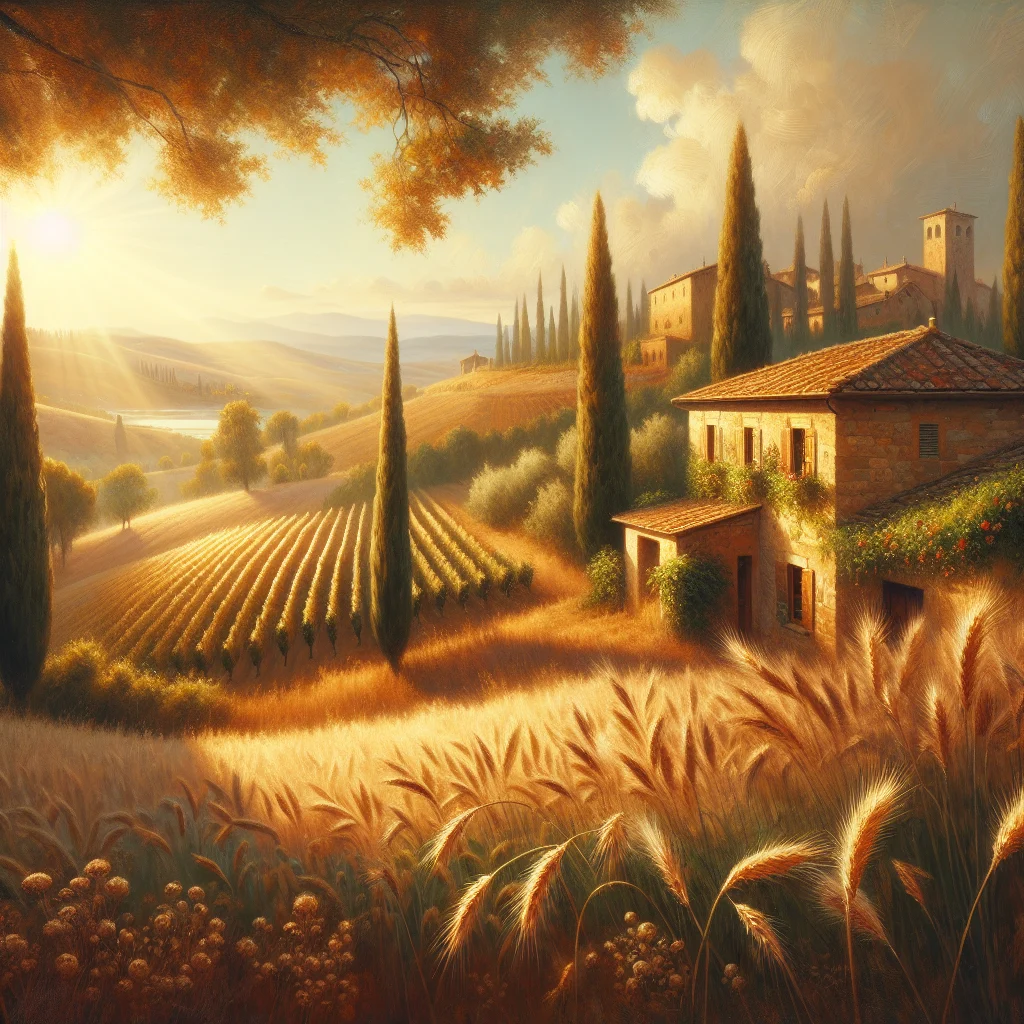
There’s something profoundly magical about slow living Tuscany that captures the hearts of travelers and dreamers worldwide. The rolling hills dotted with cypress trees, ancient stone farmhouses bathed in golden light, and the unhurried pace of village life create a landscape where time seems to pause. In an era dominated by constant connectivity and relentless schedules, Tuscany offers more than just picturesque scenery—it presents a philosophy of life worth embracing.
The concept of slow living has gained momentum as people seek meaningful alternatives to the exhausting pace of modern existence. However, nowhere does this lifestyle manifest more authentically than in the heart of Italy’s most beloved region. Tuscany doesn’t merely practice slow living; it embodies it through centuries-old traditions, seasonal rhythms, and a deep appreciation for life’s simple pleasures.
Before we dive deeper into understanding this transformative approach to daily life, consider exploring Everyday Calm: A Beginner’s Guide to Daily Meditation to complement your journey toward a more intentional lifestyle.
Understanding the Essence of Slow Living in Tuscany
The philosophy behind slow living Tuscany style isn’t about doing everything at a snail’s pace. Rather, it’s about being intentional with your time and energy. Tuscans have mastered the art of prioritizing what truly matters: meaningful connections, quality food, creative expression, and moments of genuine rest.
For instance, the traditional Tuscan *passeggiata*—an evening stroll through village streets—serves as a daily ritual connecting communities. Neighbors exchange greetings, families gather, and generations intermingle without the pressure of schedules or digital distractions. This simple practice exemplifies how slow living creates space for human connection.
The Historical Roots of Tuscan Lifestyle
Tuscany’s relationship with slow living extends back centuries. The region’s history as an agricultural heartland shaped its cultural values around seasonal cycles, artisanal craftsmanship, and community interdependence. Because survival depended on respecting nature’s rhythms, generations developed practices that modern slow living movements now celebrate.
Medieval Tuscan towns were designed for walking, with central piazzas serving as communal gathering spaces. These architectural choices weren’t aesthetic preferences but practical necessities that inadvertently promoted slower, more connected ways of living. Today, these same spaces continue fostering the unhurried interactions that define Tuscan culture.
The Connection Between Landscape and Lifestyle
The Tuscan landscape itself encourages contemplation and presence. Rolling hills create natural vistas that invite pausing and appreciating. Ancient olive groves and vineyards follow contours established over millennia, demonstrating patience and long-term thinking.
Furthermore, the agricultural calendar still governs much of rural life. Grape harvests, olive pressing, and seasonal festivals mark time in meaningful ways rather than arbitrary dates on a calendar. This connection to natural cycles provides a grounding influence that many urban dwellers desperately crave.
Core Principles of Slow Living Tuscany Style
Although slow living manifests differently in each Tuscan village, certain principles remain consistent throughout the region. These foundational values create a framework that anyone can adapt to their own circumstances, regardless of geographic location.
Prioritizing Quality Over Quantity
Tuscans apply this principle across all life domains. In addition to famous cuisine emphasizing fresh, local ingredients prepared simply, the same philosophy extends to relationships, work, and leisure activities. A single perfectly ripe tomato from a backyard garden holds more value than a dozen shipped from distant locations.
This commitment to quality appears in artisanal traditions preserved for generations. Leather workers in Florence, pottery makers in Montelupo, and marble sculptors in Carrara maintain centuries-old techniques because excellence requires time and dedication. Their approach stands in stark contrast to mass production’s emphasis on speed and volume.
Building Community Connections
The concept of community represents another cornerstone of slow living Tuscany style. Village squares serve as social hubs where people naturally congregate. Local markets become weekly rituals rather than mere shopping trips, creating opportunities for conversation and connection.
As a result, Tuscans often maintain multigenerational relationships with neighbors, shopkeepers, and service providers. These sustained connections create social networks that provide practical support and emotional fulfillment. The butcher knows your family’s preferences; the baker saves your favorite bread; relationships matter more than transactions.
Honoring Traditional Rhythms
The traditional afternoon riposo exemplifies how Tuscany honors natural human rhythms. While modern efficiency experts might criticize closing businesses mid-day, this practice acknowledges that productivity shouldn’t override wellbeing. The pause allows for proper digestion, rest, and family time before resuming work refreshed.
Similarly, seasonal eating patterns reflect respect for natural cycles. Because Tuscans celebrate what’s currently abundant rather than demanding year-round availability, meals become markers of changing seasons. Spring’s fresh fava beans, summer’s tomatoes, autumn’s porcini mushrooms, and winter’s hearty soups each have their moment.
For more insights into embracing slower rhythms in modern life, check out our exploration of slow living practices from various cultural perspectives.
Daily Practices That Define Tuscan Slow Living
Understanding principles matters, but implementation transforms concepts into lived experience. Tuscan daily life incorporates numerous practices that anyone can adapt to cultivate more intentional living.
The Art of the Morning Ritual
Tuscans typically start their day without rushing. A proper Italian breakfast—cappuccino and cornetto at a local bar—provides more than sustenance. It offers a moment of transition between sleep and work, often shared with neighbors in casual conversation.
Moreover, this morning pause sets a different tone than gulping coffee while checking emails. The practice communicates that you deserve a gentle beginning, that community connection matters, and that enjoying simple pleasures constitutes a legitimate use of time.
Market Shopping as Meditation
Weekly market visits represent another practice embodying slow living values. Rather than efficiently collecting items from supermarket shelves, market shopping involves conversation with vendors, careful selection of ingredients, and spontaneous menu planning based on seasonal availability.
Consequently, what might take thirty minutes at a grocery store becomes a two-hour experience engaging multiple senses. You smell fresh herbs, feel fruit ripeness, taste samples, hear local gossip, and see neighbors. Shopping transforms from chore to enriching ritual.
The Sacred Lunch Hour
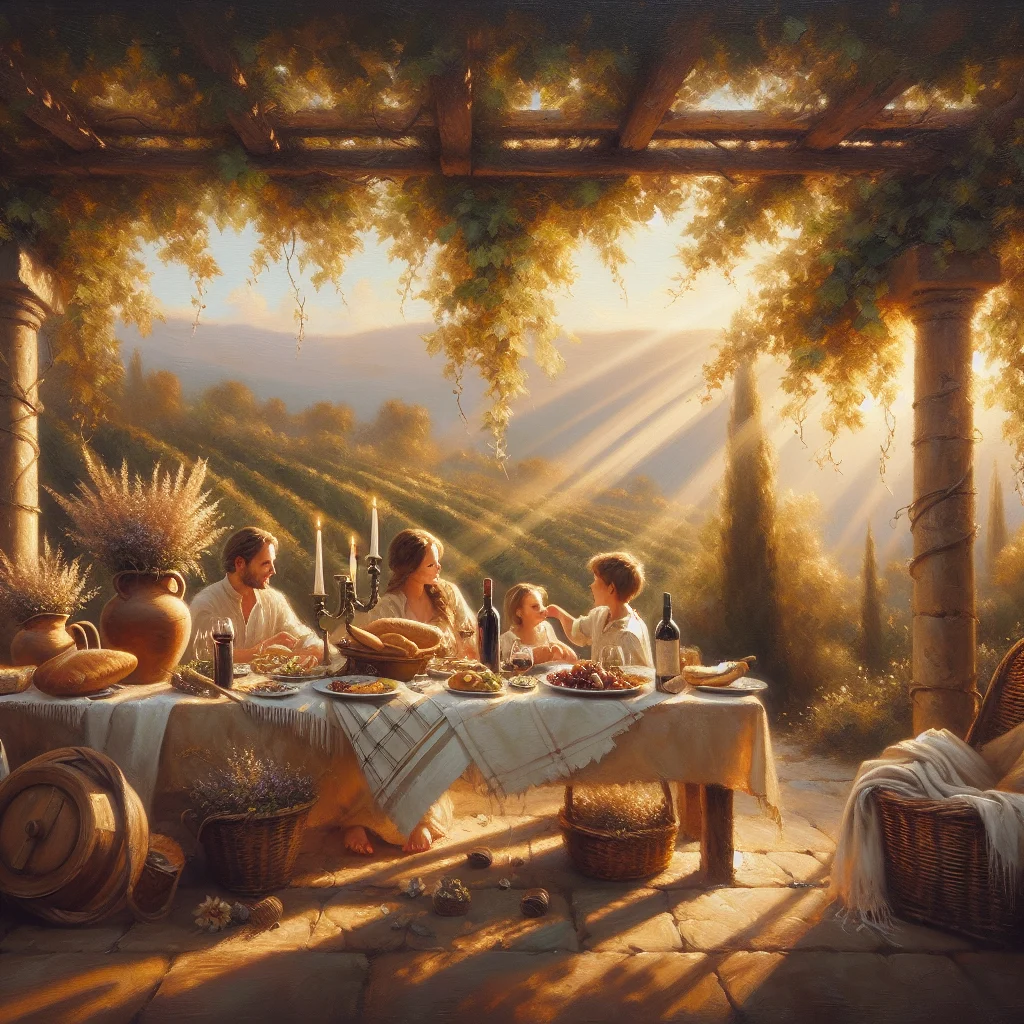
Perhaps no practice better illustrates slow living Tuscany principles than the proper lunch. This isn’t eating at your desk or grabbing fast food. Lunch represents the day’s main meal, ideally shared with family or friends, featuring multiple courses, good wine, and extended conversation.
While modern pressures have shortened some lunch breaks, the value remains. Even a simplified version prioritizes sitting down, savoring food, and connecting with others. The practice acknowledges that nourishment encompasses more than calories—it includes pleasure, relationship, and restoration.
Creating Your Own Tuscan-Inspired Slow Living Practice
You don’t need to relocate to Tuscany to embrace its slow living principles. Although the Italian setting provides inspiration, the underlying values translate across cultures and circumstances. Several strategies can help you incorporate Tuscan wisdom into your current life.
Start With Your Food Culture
Food offers an accessible entry point for slow living practice. Begin by shopping at farmers’ markets when possible, prioritizing seasonal produce. Learn to prepare simple meals using quality ingredients rather than complex recipes requiring exotic components.
Additionally, make dining a deliberate act. Set the table, eliminate digital distractions, and extend meal times. Even if eating alone, treat yourself with the respect you’d offer guests. This single change can fundamentally shift your relationship with nourishment and time.
Consider these actionable steps:
- Designate one evening weekly for a slow dinner with multiple courses
- Visit local producers to understand where food originates
- Learn three traditional recipes and perfect them over time
- Grow herbs or vegetables, even in small containers
- Create a seasonal eating pattern reflecting local availability
Design Rituals That Ground Your Day
Tuscans structure days around meaningful rituals rather than purely functional schedules. You can design personal rituals that provide similar grounding effects. Morning coffee becomes meditation rather than caffeine delivery. Evening walks offer transition time between work and rest.
For example, establish a consistent morning practice that signals intention rather than urgency. This might include gentle stretching, journal writing, or simply sitting with your beverage while watching the sunrise. The specific activity matters less than the consistent, mindful approach.
Those interested in deepening mindfulness practices might explore resources on mindfulness and meditation to complement their slow living journey.
Cultivate Your Community Connections
While modern life fragments communities, intentional effort can rebuild connections. Frequent the same local businesses, greeting owners by name. Attend community events, even when initially uncomfortable. Host gatherings focusing on conversation rather than entertainment.
Because genuine community develops gradually, patience matters. Start small—chat with cashiers, acknowledge neighbors, join local groups aligned with your interests. These seemingly minor interactions accumulate into the social fabric that makes life richer and more meaningful.
The Intersection of Slow Living and Personal Wellness
The slow living Tuscany approach naturally promotes holistic wellness. By reducing chronic stress, encouraging physical activity through daily life, and prioritizing nourishment, this lifestyle addresses root causes of many modern health issues.
Mental Health Benefits of Slower Rhythms
Research consistently demonstrates that rushed lifestyles contribute to anxiety, depression, and burnout. In contrast, slower rhythms provide nervous system regulation. When days include pauses for rest, connection, and pleasure, mental health naturally improves.
The Tuscan practice of dolce far niente—the sweetness of doing nothing—directly challenges productivity obsession. Permitting yourself unstructured time without guilt represents radical self-care in contemporary culture. These moments allow creative inspiration, emotional processing, and genuine rest.
For those exploring holistic living approaches, slow living provides a comprehensive framework integrating various wellness dimensions.
Physical Wellness Through Natural Movement
Tuscan lifestyles incorporate movement naturally rather than compartmentalizing exercise. Walking to markets, tending gardens, preparing food from scratch, and maintaining homes all provide physical activity integrated into daily life. Consequently, movement becomes functional rather than obligatory.
This approach contrasts sharply with sitting all day then forcing gym sessions. The constant, varied movement throughout Tuscan days promotes cardiovascular health, maintains flexibility, and builds functional strength without requiring dedicated workout time.
Nutritional Wisdom of Traditional Eating
The Mediterranean diet, exemplified by Tuscan cuisine, ranks among the world’s healthiest eating patterns. However, the benefits extend beyond ingredient choices. The practice of sharing meals, eating seasonally, and savoring food slowly all contribute to better health outcomes.
Furthermore, this eating style emphasizes whole foods rather than processed alternatives. Olive oil, vegetables, legumes, whole grains, and moderate amounts of wine and meat create nutritional balance without complicated rules or restrictions. The approach feels abundant rather than depriving.
Slow Living Tuscany: Seasonal Living and Natural Cycles
One fundamental aspect of slow living Tuscany involves aligning with seasonal rhythms rather than fighting them. This connection to natural cycles provides both practical benefits and psychological grounding often missing in climate-controlled, artificially-lit modern environments.
Spring: Renewal and Fresh Beginnings
Tuscan spring brings new growth, longer days, and renewed energy. Markets fill with artichokes, fava beans, and wild asparagus. Farmers prepare fields for planting while winemakers tend young vines. This season emphasizes fresh starts and lighter activities after winter’s inward focus.
Adapting this seasonal awareness means noticing your environment’s changes. What grows locally in spring? How does increased daylight affect your energy? Aligning activities with seasonal qualities creates harmony between internal and external rhythms.
Summer: Abundance and Celebration
Summer in Tuscany overflows with abundance. Tomatoes, zucchini, basil, and stone fruits reach peak ripeness. Village festivals celebrate patron saints with communal feasts and traditional music. Long evenings encourage outdoor gatherings and unhurried conversations under star-filled skies.
Although Tuscan summers can be intensely hot, afternoon riposo provides escape from harsh midday sun. Work happens during cooler morning and evening hours. This seasonal adaptation demonstrates wisdom in working with conditions rather than against them.
Autumn: Harvest and Gratitude
Autumn brings perhaps the most celebrated Tuscan season. Grape harvests, olive pressing, and truffle hunting dominate attention. Markets showcase porcini mushrooms, chestnuts, and pumpkins. The hard work of summer reaches fruition as families preserve harvests for winter.
This season emphasizes gratitude and preparation. The frenetic pace of harvest contrasts with summer’s leisure, reminding us that slow living doesn’t mean constant relaxation. Rather, it means working intensely when needed while balancing with adequate rest.
Winter: Rest and Reflection
Winter in Tuscany encourages turning inward. Shorter days and cooler weather naturally reduce outdoor activities. Hearty soups, braised meats, and robust wines provide warming comfort. Families gather around fireplaces, maintaining social connections despite reduced mobility.
Embracing winter’s contemplative energy might involve personal reflection, creative projects, or simply accepting that rest serves necessary purposes. Modern culture often treats winter like any other season, fighting natural inclinations toward introspection and restoration.
Overcoming Obstacles to Slow Living
While slow living Tuscany style appears idyllic, implementing these principles within modern life presents real challenges. However, understanding common obstacles helps develop realistic strategies for sustainable change.
Economic Pressures and Time Scarcity
Perhaps the most significant barrier involves economic reality. Many people work multiple jobs, leaving little time for leisurely lunches or market shopping. However, slow living doesn’t require wealth or unlimited free time. It requires intentional choices about using available time.
For instance, even busy people can designate one meal weekly for slow preparation and mindful consumption. Small rituals—morning coffee without screens, five-minute garden observation—create pockets of presence within demanding schedules. Start where you are rather than waiting for ideal circumstances.
Cultural Expectations and Social Pressure
Modern culture often equates busyness with importance. Choosing slower rhythms can trigger judgment from others or internal guilt about “wasting” time. Consequently, maintaining commitment to slow living requires conviction about your values despite external pressure.
Building community with like-minded individuals helps sustain practice. Seek out others interested in personal growth through intentional living. Share challenges and celebrate small victories. Community support makes counter-cultural choices more sustainable.
Technology’s Constant Pull
Digital devices present perhaps the most insidious obstacle to slow living. Notifications interrupt presence, social media creates comparison, and endless content tempts constant consumption. However, technology itself isn’t the problem—our relationship with it requires examination.
Establishing clear boundaries helps reclaim attention. Designate device-free times and spaces. Delete apps that drain without nourishing. Use technology intentionally rather than habitually. These choices restore agency over your time and attention.
Tuscan Destinations for Slow Living Inspiration
While you can practice slow living anywhere, visiting Tuscany provides powerful inspiration and direct experience of these principles in action. Certain areas particularly embody the region’s unhurried essence.
The Chianti Region
The Chianti hills between Florence and Siena exemplify pastoral Tuscan beauty. Small villages like Greve, Radda, and Castellina maintain traditional rhythms despite tourism. Vineyards, olive groves, and cypress-lined roads create landscapes that invite contemplation and appreciation.
Spending time in Chianti allows observation of agricultural cycles, traditional winemaking, and village life. Many agriturismos (farm stays) offer immersive experiences where guests participate in daily activities like olive harvesting or bread making.
Val d’Orcia’s Timeless Beauty
The Val d’Orcia region showcases Tuscany at its most photogenic. Rolling hills dotted with isolated farmhouses, medieval towns perched on hilltops, and stunning vistas create scenes virtually unchanged for centuries. Towns like Pienza, Montalcino, and San Quirico d’Orcia offer slow-paced exploration.
This area’s relative isolation from major cities has preserved traditional lifestyles. Markets, festivals, and daily routines continue much as they have for generations. Visiting Val d’Orcia provides perspective on how life functions when not dominated by urban urgency.
The Tuscan Coast
While less iconic than hill towns, Tuscany’s coastal areas offer different slow living insights. Fishing villages maintain daily rhythms governed by tides and seasons. The slower pace of coastal life, combined with Mediterranean climate and cuisine, creates ideal conditions for understanding slow living principles.
Towns like Porto Ercole, Castiglione della Pescaia, and smaller villages along the coast provide relaxed atmospheres where time seems measured differently. Ocean views, fresh seafood, and beach culture offer alternative perspectives on Tuscan lifestyle.
If you’re captivated by the idea of dedicated slow living environments, explore what makes slow living resorts unique destinations for those seeking intentional rest and restoration.
Integrating Slow Living Values Into Modern Work
One common misconception suggests slow living opposes productivity or professional success. However, Tuscan artisans demonstrate that quality work requires adequate time, focused attention, and sustainable pace. These principles apply equally to modern professions.
The Craftsperson’s Approach to Work
Tuscan craftspeople—whether leather workers, stone masons, or cheese makers—approach work with devotion to excellence rather than speed. They understand that mastery develops over years, that quality requires patience, and that reputation matters more than volume.
Translating this attitude to modern work means prioritizing deep focus over constant availability. It means delivering excellence rather than meeting arbitrary deadlines with mediocre results. It means building sustainable work rhythms rather than burning out through overextension.
Creating Boundaries and Sustainable Pace
Implementing slow living principles at work requires establishing clear boundaries. Define work hours and protect personal time. Batch similar tasks to enable deep focus rather than constantly switching contexts. Communicate limits respectfully but firmly.
Additionally, recognize that sustainable pace produces better long-term results than unsustainable sprints. Athletes understand periodization—alternating intense training with recovery. Knowledge workers benefit from similar rhythms, though modern work culture often ignores this wisdom.
Measuring Success Beyond Productivity Metrics
Slow living challenges conventional success definitions. Rather than measuring worth through output volume, consider quality, impact, and sustainability. How does your work contribute meaningfully? Does your pace support long-term health? Do you find satisfaction in the process itself?
These questions shift perspective from external validation to intrinsic fulfillment. Success becomes about alignment between values and actions rather than comparison with others or accumulation of conventional markers like titles or income.
The Spiritual Dimension of Slow Living Tuscany
Beyond practical benefits, slow living Tuscany style offers spiritual dimensions often overlooked in materialistic culture. The emphasis on presence, gratitude, and connection creates conditions for deeper meaning and purpose.
Presence as Spiritual Practice
When you slow down sufficiently to notice your surroundings—truly see the olive tree’s gnarled trunk, taste each element in a simple meal, feel sunshine warming your skin—ordinary moments become portals to presence. This awareness represents the foundation of most spiritual traditions.
Tuscans might not frame daily life in explicitly spiritual terms, yet their practices cultivate presence nonetheless. The evening passeggiata encourages noticing your village, your neighbors, the changing light. Market shopping engages senses fully. These practices naturally anchor awareness in the present moment.
For those interested in deepening spiritual practices, explore resources on spirituality and inner work that complement slow living values.
Gratitude and Simple Pleasures
Slow living naturally cultivates gratitude by creating space to appreciate what you already have. When you savor a perfectly ripe peach, you experience abundance. When you share an unhurried conversation, you recognize relationship’s value. These moments of recognition transform perspective.
Moreover, finding joy in simple pleasures builds resilience against consumerism’s constant dissatisfaction. The marketing industry profits from convinced inadequacy—telling you current circumstances aren’t enough. Genuine appreciation for simple moments undermines this manipulation.
Connection to Something Larger
Living in alignment with seasonal cycles, maintaining traditions across generations, and participating in community rituals all connect individuals to something beyond themselves. This sense of participation in larger patterns provides meaning that pure individualism cannot.
Tuscan festivals celebrating patron saints, harvest completions, or seasonal changes create shared experiences binding communities across time. While you may not adopt specific Tuscan traditions, finding or creating rituals that connect you to nature, community, or lineage serves similar purposes.
Bringing It All Together: Your Slow Living Journey
Embracing slow living Tuscany principles doesn’t require perfection or radical life overhaul. Instead, think of it as a gradual reorientation toward what truly matters. Small, consistent changes compound over time, creating significant transformation.
Start by identifying one area where slowing down would enhance your life. Perhaps it’s meal preparation, morning routines, or evening wind-down. Focus on establishing one sustainable practice before adding others. Build gradually rather than overwhelming yourself with simultaneous changes.
Remember that slow living looks different for everyone. A single parent working full-time implements these principles differently than a retiree. Honor your circumstances while gently pushing toward greater intentionality. The goal isn’t replicating Tuscan village life exactly but adopting underlying values in ways that fit your reality.
Key principles to remember:
- Quality over quantity in all life domains
- Connection to community, nature, and self
- Presence with current moment rather than constant future focus
- Respect for natural rhythms including rest and restoration
- Appreciation for simple pleasures and ordinary beauty
- Intentionality in choosing how you spend time and energy
The journey toward slower, more intentional living brings challenges. You’ll encounter resistance—internal and external. However, the rewards of increased presence, deeper connections, and genuine satisfaction make the effort worthwhile. Each small step toward alignment with your values creates positive momentum.
To support your journey toward more intentional living and personal transformation, consider exploring Manifest Your Dreams: A Practical Guide to the Law of Attraction for additional insights on creating the life you envision.
Ultimately, slow living Tuscany style offers not an escape from reality but a more humane approach to navigating it. By prioritizing presence, quality, connection, and natural rhythms, you create space for what makes life genuinely meaningful. The rolling Tuscan hills, ancient villages, and unhurried days remind us that another way of living remains possible—one that nourishes rather than depletes, connects rather than isolates, and celebrates rather than merely endures.

