
Introduction: Why Getting a Meditation Certification Matters
As mindfulness continues to gain traction in wellness, workplaces, and healthcare settings, many people are naturally wondering how to get meditation certification. Whether you’re a passionate practitioner looking to deepen your own understanding or someone inspired to guide others on their mindfulness journey, becoming a certified meditation teacher is a powerful step.
The process might seem overwhelming at first—after all, there are so many programs, credentials, and philosophies. But don’t worry. In this guide, we will break down everything you need to know to confidently pursue meditation certification.
Ready to start your journey with a solid foundation? Explore Everyday Calm: A Beginner’s Guide to Daily Meditation to build your daily practice.

What Is Meditation Certification?
A meditation certification is a credential that verifies your training and knowledge as a meditation teacher. It prepares you not only with theory but also with practical skills to guide individuals and groups through meditation sessions. It also often includes ethical considerations, communication techniques, and an understanding of different traditions and styles.
Although there is no central governing body (like a yoga alliance equivalent) overseeing meditation certifications worldwide, many programs are well-respected due to their lineage, teaching methods, and instructor credibility.
Is Certification Necessary?
Technically, no legal requirement mandates a certification to teach meditation. However, if you intend to teach professionally—in wellness centers, schools, corporate settings, or even online—a proper certification adds credibility to your work and helps you stand out in a competitive field.
How to Get Meditation Certification: Step-by-Step
Step 1: Clarify Your Intentions
Begin by asking yourself why you want to become a certified meditation teacher. Are you seeking personal growth, planning to teach casually, or looking to create a business or integrate mindfulness into your current occupation? Clarifying your intentions will help you choose a suitable program aligned with your goals.
Free Guided Meditation · Day 1
You Are Safe Right Now.
5 min · Breathwork & body scan · Stress release
Liked it? Get the full audio.
Enter your email and we'll send you the complete 5-minute meditation — free, straight to your inbox.
Zero spam. Unsubscribe anytime.
Check Your Inbox.
Your full 5-minute meditation is on its way. Open the email and hit play — your reset starts now.
Can't find it? Check your spam folder.
Step 2: Build a Strong Personal Practice
Before you can teach others, you need a solid personal practice. This means meditating regularly, experimenting with different techniques such as analytical meditation or somatic exercises, and engaging in self-study or retreats. A good teacher leads by example—and experience is your greatest asset.
Step 3: Research Accredited or Reputable Programs
Look for meditation teacher training programs that are recognized in the industry, have experienced instructors, and offer comprehensive curriculums. Some respected schools include:
- Mindfulness Exercises Certification Program
- Sounds True Mindfulness Certification
- UMass Center for Mindfulness
Each program has a unique curriculum. Some focus on secular mindfulness, others lean into traditional Buddhist teachings, while others offer a New Age blend of techniques.
Step 4: Meet Prerequisites
Depending on the program, you may need a minimum of 1–3 years of consistent meditation experience. Some courses may ask for references or testimonials, while others allow open enrollment to committed practitioners. Long story short—be honest about your level and commit to where you are.
Step 5: Enroll and Complete Your Training
Training programs vary in length. Some are short and intensive (4–8 weeks) while others span 6–12 months with live calls, peer teaching practice, and mentorship. Throughout the course, you’ll dive into:
- Science and philosophy of meditation
- Diverse styles (e.g., mindfulness, loving-kindness, Transcendental)
- Ethics and cultural sensitivity
- Trauma-informed guidance
- Practice teaching with feedback
Upon completion, you’ll usually receive a certificate of training and sometimes ongoing access to alumni groups or teaching opportunities.
Popular Types of Meditation Certification
Depending on your focus, there are specialized certifications that might align more closely with your passions:
Mindfulness-Based Stress Reduction (MBSR)
MBSR is widely accepted in healthcare and academic institutions. Developed by Jon Kabat-Zinn, it’s an evidence-based program for managing stress, pain, and anxiety through mindfulness.
Spirituality-Based or Faith-Oriented Training
Some certifications blend meditation with spiritual traditions, such as Christian meditation, yoga philosophy, or Tibetan Buddhism. These offer a more holistic and soul-centered path for teachers and students alike.
Children’s or Trauma-Informed Certification
If you aim to work with children or sensitive populations, look for programs focused on ethical and trauma-informed approaches. This specialization requires extra awareness but is deeply rewarding.
What Can You Do With a Meditation Certification?
Once you become certified, the opportunities are both practical and fulfilling. Many graduates go on to:
- Start group meditation classes or 1:1 coaching
- Integrate mindfulness teaching into therapy, yoga, or education
- Create digital content, courses, and podcasts
- Collaborate with organizations to promote wellness in the workplace
If you’re not sure where to begin, consider reading How to Guide Someone Through Meditation for a practical breakdown of how to lead a impactful session.
Common Pitfalls and How to Avoid Them
While starting your certification journey is exciting, keep in mind a few common pitfalls:
- Choosing low-quality programs: Not all online courses are created equal; vet your instructor and understand the materials included.
- Skipping the personal practice: A paper certificate without genuine experience makes it difficult to embody what you’re teaching.
- Thinking certification means the end: In reality, it’s just the beginning. Keep learning, practicing, and evolving.
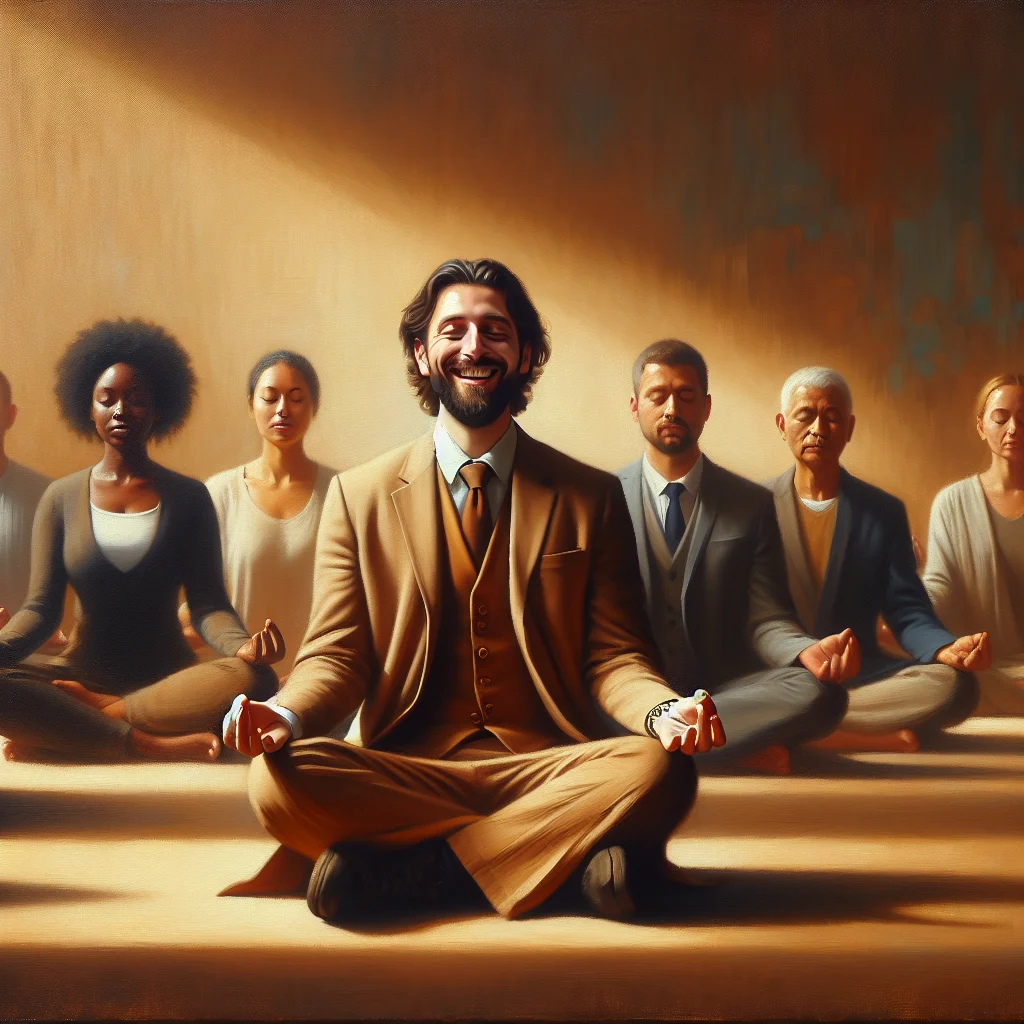
Start Today: Your First Steps to Becoming a Certified Teacher
To wrap it up—getting your meditation certification doesn’t have to feel mysterious. A bit of clarity, research, and intention will place you on the path of sharing mindfulness with heart and effectiveness.
Among other related reads, you might enjoy diving deeper into the topic through our article on What Happens If You Meditate for 3 Hours? which shows the power of regular practice.
And finally, don’t forget—this journey is as much about you as it is about your future students. Keep evolving, stay curious, and never stop breathing mindfully.
Take the next step now with Manifest Your Dreams: A Practical Guide to the Law of Attraction and align your practice with purpose.
For more on growth and training programs, take a look at our Resources & Tools category and explore related content in Mindfulness & Meditation.
Silence the Chaos in Your Head —
in 5 Minutes Flat.
Get instant access to a free guided meditation audio that rewires your nervous system for calm, kills anxiety at the root, and resets your entire day — no experience needed.
- Instantly drop cortisol levels — feel the shift before the 5 minutes is up
- Unlock razor-sharp focus — designed for high-achievers who can't afford brain fog
- Break the anxiety loop for good — a repeatable reset, every single morning
- 100% free, zero fluff — no apps, no subscriptions, just results
You're In.
Check Your Inbox.
Your free 5-minute guided meditation is on its way.
Open the email and hit play — your first reset starts now.
Can't find it? Check spam and mark us as safe.

