
Open mindfulness represents a transformative approach to meditation that moves beyond rigid techniques and formal sitting practices. Instead of focusing on a single object like your breath or a mantra, this practice encourages you to remain openly aware of whatever arises in your experience—thoughts, sensations, sounds, and emotions—without judgment or attachment.
This fluid style of awareness practice has gained considerable attention in recent years, particularly among those who find traditional meditation methods too restrictive. However, understanding what makes open mindfulness distinct and how to practice it effectively requires exploring its foundations, benefits, and practical applications in daily life.
Whether you’re new to meditation or looking to expand your existing practice, open mindfulness offers a flexible and accessible path toward greater presence and awareness. In addition, this approach aligns beautifully with modern lifestyles that demand adaptability rather than rigid routines.
If you’re ready to begin your journey with structured guidance, consider exploring Everyday Calm: A Beginner’s Guide to Daily Meditation, which provides practical frameworks for developing sustainable mindfulness habits.

Understanding What Open Mindfulness Really Means
Open mindfulness, sometimes called choiceless awareness or open monitoring meditation, represents a non-directive form of meditation practice. Unlike focused attention meditation where you concentrate on a specific anchor, this approach invites you to maintain broad, receptive awareness of your present-moment experience.
The practice originates from various contemplative traditions, including insight meditation in Buddhism, where practitioners develop panoramic awareness of all arising phenomena. Because it doesn’t require forcing attention onto any particular object, many people find it more natural and less effortful than concentration-based practices.
The Core Principles of Open Awareness
At its foundation, open mindfulness rests on several key principles that distinguish it from other meditation approaches:
- Non-selective attention: Rather than choosing what to focus on, you remain receptive to whatever enters your awareness naturally
- Equanimity: You observe experiences without labeling them as good or bad, pleasant or unpleasant
- Spaciousness: Instead of narrowing attention, you cultivate a sense of mental openness and receptivity
- Present-moment orientation: Your awareness remains anchored in the here and now, without dwelling on past or future
Research published in scientific studies on mindfulness demonstrates that open monitoring meditation activates different neural networks compared to focused attention practices. As a result, practitioners develop enhanced cognitive flexibility and emotional regulation over time.
How Open Mindfulness Differs From Focused Meditation
While both approaches cultivate awareness, they operate through distinct mechanisms. Focused attention meditation, such as breath-focused practices, strengthens your ability to sustain concentration on a chosen object. Conversely, open mindfulness develops your capacity to remain present with the full spectrum of experience without fixation.
Think of focused meditation as using a spotlight—illuminating one specific area with intensity. Open mindfulness, however, resembles ambient lighting that reveals the entire landscape without highlighting any particular feature. This distinction matters because different people resonate with different approaches based on their temperament and needs.
The Science-Backed Benefits of Open Mindfulness Practice
Extensive research over the past two decades has revealed numerous benefits associated with open mindfulness meditation. These advantages extend across psychological, cognitive, and even physiological domains, making this practice appealing for various wellness goals.
Mental Health and Emotional Wellbeing
Studies consistently show that open awareness practices reduce symptoms of anxiety and depression. By learning to observe thoughts and emotions without becoming entangled in them, practitioners develop what psychologists call metacognitive awareness—the ability to recognize mental events as temporary phenomena rather than absolute truths.
Furthermore, this practice enhances emotional regulation by creating psychological distance between you and your reactive patterns. Instead of immediately responding to difficult emotions, you cultivate the capacity to witness them with curiosity and compassion. For additional strategies on emotional wellness, explore our Mental Health & Wellbeing category.
Cognitive Enhancement and Focus
Although open mindfulness doesn’t involve focused concentration in the traditional sense, it actually improves attention and cognitive performance. Research indicates that practitioners develop enhanced abilities in:
- Task-switching: Moving fluidly between different activities without mental residue from previous tasks
- Divergent thinking: Generating creative solutions and novel ideas
- Working memory: Holding and manipulating information more effectively
- Attentional control: Choosing where to place awareness rather than being hijacked by distractions
These cognitive benefits emerge because open mindfulness trains the brain to maintain awareness without rigid control. Consequently, the mind becomes both more flexible and more stable—seemingly opposite qualities that actually complement each other beautifully.
Physical Health Advantages
Beyond mental benefits, regular open mindfulness practice influences physical health markers. Research documented by institutions like the American Psychological Association shows improvements in immune function, blood pressure regulation, and stress hormone levels among consistent practitioners.
The mind-body connection becomes particularly evident in open awareness practices because you’re tuning into bodily sensations as part of the broader field of experience. This enhanced interoceptive awareness—sensitivity to internal bodily states—helps you recognize stress signals earlier and respond more skillfully.
Getting Started With Your Open Mindfulness Practice
Beginning an open mindfulness practice doesn’t require special equipment, extensive training, or perfect conditions. However, understanding some foundational elements will help you establish a sustainable and effective practice from the start.
Creating the Right Environment
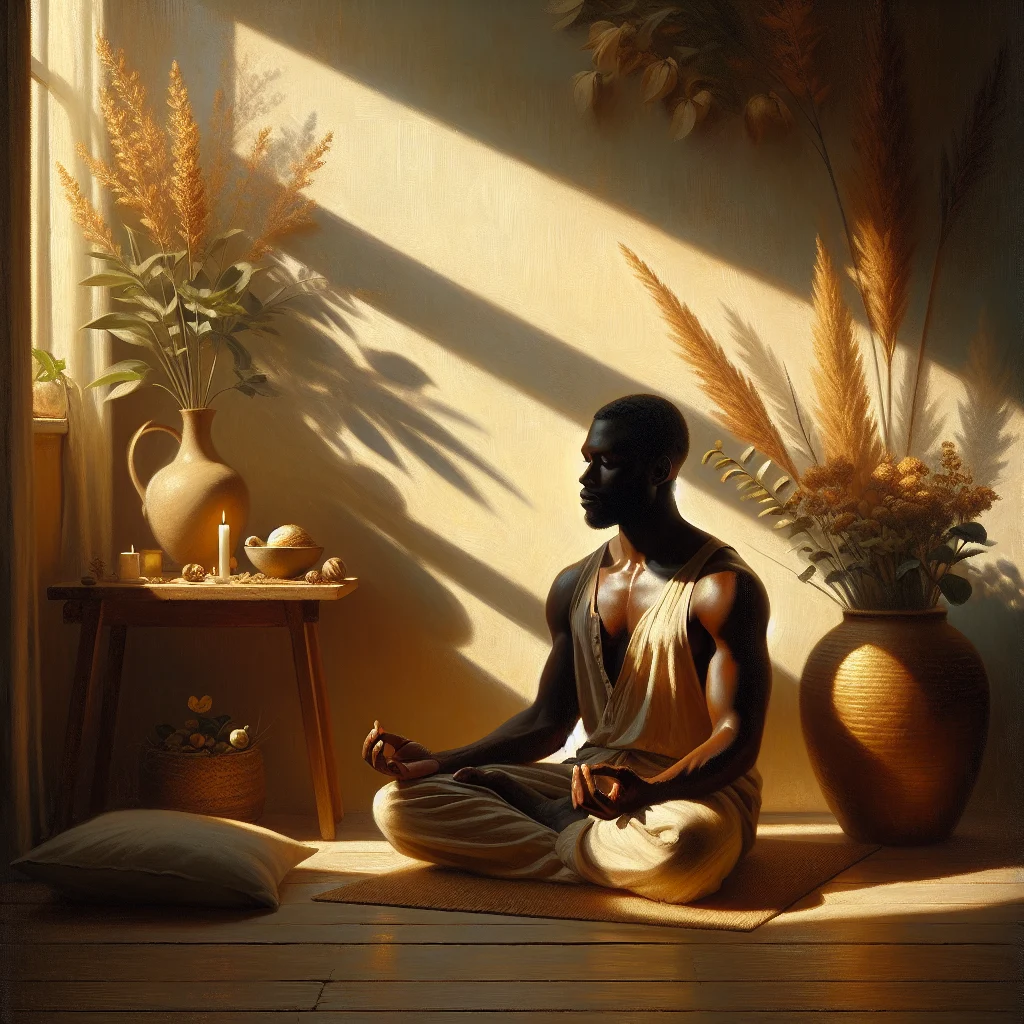
While open mindfulness can be practiced anywhere, setting up a conducive space supports consistency, especially when you’re first developing the habit. Choose a location where you feel comfortable and relatively free from interruptions. The space doesn’t need to be completely silent; in fact, incorporating ambient sounds into your awareness can enhance the practice.
Consider these environmental factors:
- Temperature that allows you to remain alert but comfortable
- Seating that supports an upright posture without strain
- Lighting that feels neither too stimulating nor sleep-inducing
- Minimal visual clutter to reduce unnecessary distractions
Nevertheless, remember that open mindfulness emphasizes working with whatever arises, including less-than-ideal conditions. Therefore, don’t wait for perfect circumstances before beginning your practice.
Basic Posture and Physical Setup
Your physical position influences your mental state more than you might realize. An alert yet relaxed posture signals to your nervous system that you’re engaged but not tense, present but not rigid.
Traditional sitting positions work well, but you can also practice while standing, walking, or even lying down (though this may lead to drowsiness). The key is maintaining gentle awareness of your body throughout the session, allowing physical sensations to be part of your open field of awareness.
A Simple Open Mindfulness Technique for Beginners
Start with these straightforward steps to establish your practice:
- Settle into your chosen position and take a few natural breaths to transition from activity mode into awareness mode
- Expand your attention from a single focus point to include the entire field of your experience—sounds, sensations, thoughts, emotions
- Maintain receptive awareness without trying to control or manipulate what arises; simply notice whatever appears in consciousness
- When you find yourself fixated on a particular element, gently return to broad, open awareness without self-criticism
- Continue for your chosen duration, whether that’s five minutes or thirty, maintaining this quality of spacious presence
Many practitioners find it helpful to begin sessions with a brief period of focused attention on the breath before transitioning into open awareness. This approach, detailed in resources like Mindfulness Made Simple, provides an anchor before expanding into choiceless awareness.
Common Challenges and How to Navigate Them
Like any skill worth developing, open mindfulness presents certain challenges, particularly in the early stages. Understanding these obstacles beforehand helps you approach them with patience rather than frustration.
The “Doing Nothing” Paradox
One of the most common difficulties practitioners encounter is the sense that they’re “not doing anything” during open mindfulness. Because there’s no specific focal point or technique to apply, the mind sometimes interprets this as laziness or lack of proper practice.
In reality, maintaining choiceless awareness requires significant mental effort—just a different kind than concentration practices demand. You’re actively sustaining openness and receptivity, which is quite different from passive mind-wandering. Recognizing this distinction helps you appreciate the subtle work happening during practice.
Getting Lost in Thought Streams
Without a specific anchor like the breath, beginners often find themselves swept away by thoughts without realizing it until minutes have passed. This is completely normal and doesn’t indicate failure. In fact, the moment you recognize you’ve been lost in thought represents a moment of mindfulness itself.
The key is developing what teachers call recurrence—repeatedly returning to open awareness whenever you notice you’ve drifted. Each return strengthens your mindfulness muscle, gradually extending the periods of clear awareness between distractions.
Physical Discomfort and Restlessness
During open mindfulness practice, bodily sensations—including discomfort—become part of your field of awareness rather than something to ignore. This can initially feel challenging because you’re not directing attention elsewhere as a distraction strategy.
However, this direct relationship with physical experience teaches valuable lessons about the nature of sensation. You begin to notice that discomfort isn’t constant but fluctuates, appearing and dissolving within your awareness. This understanding gradually reduces reactive patterns around unpleasant sensations both on and off the cushion.
Integrating Open Mindfulness Into Daily Life
The true power of open mindfulness emerges when it extends beyond formal meditation sessions into your everyday activities. After all, life doesn’t pause to accommodate designated practice periods, so cultivating continuous awareness offers tremendous practical value.
Informal Practice Opportunities
Nearly any routine activity can become an opportunity for open mindfulness practice. Consider these everyday moments as potential practice times:
- Commuting: Rather than scrolling through your phone, maintain open awareness of your surroundings, bodily sensations, and thoughts
- Waiting in lines: Instead of feeling impatient, practice spacious awareness of the full experience—sounds, people, your internal reactions
- Eating meals: Engage all senses without fixating on any particular aspect, noticing tastes, textures, smells, and visual elements simultaneously
- Conversations: Listen with open awareness, noticing not just words but tone, body language, and your own reactions without judgment
These informal practices don’t require additional time in your schedule but transform ordinary moments into opportunities for presence. As a result, mindfulness becomes woven into the fabric of your life rather than remaining isolated in formal sessions.
Open Mindfulness for Difficult Emotions
One of the most valuable applications of open awareness involves working with challenging emotional states. When anxiety, anger, or sadness arises, the instinct is often to resist, suppress, or distract yourself from these feelings. Open mindfulness offers a radically different approach.
By maintaining spacious awareness around difficult emotions, you create room for them to be present without being overwhelmed. The emotion exists within a larger field of awareness that includes many other elements—sounds, sensations, thoughts. This perspective prevents the emotion from monopolizing your entire experience.
For deeper work with emotional patterns, The Self-Love Reset: A Journey to Rediscover Yourself offers comprehensive guidance on developing compassionate awareness toward all aspects of your inner experience.
Workplace Applications of Open Awareness
Professional environments present unique opportunities for applying open mindfulness principles. The constant stream of inputs—emails, meetings, projects, interpersonal dynamics—can either fragment your attention or become material for practice.
Professionals who incorporate open mindfulness report several workplace benefits:
- Enhanced ability to handle interruptions without losing productivity momentum
- Improved listening skills leading to better collaboration and reduced conflicts
- Greater creativity through less constrained thinking patterns
- Reduced stress reactivity in high-pressure situations
Brief 10-minute meditation breaks throughout the workday can reset your awareness and prevent the accumulation of mental tension that often builds during busy periods.
Advanced Dimensions of Open Mindfulness Practice
As your practice matures, open mindfulness reveals increasingly subtle dimensions. What begins as a technique for managing stress and improving focus gradually transforms into a profound investigation of consciousness itself.
The Observer and the Observed
Experienced practitioners often report a fascinating shift in perception: the distinction between the observer (awareness itself) and the observed (thoughts, sensations, emotions) becomes increasingly clear. You begin to recognize yourself not as your thoughts or emotions but as the conscious space in which these phenomena arise and dissolve.
This metacognitive awareness doesn’t create detachment from life but rather freedom within it. You remain fully engaged with experiences while no longer being imprisoned by them. Consequently, responses become more intentional and less reactive.
Spacious Awareness and Non-Duality
In advanced practice, some meditators experience what contemplative traditions describe as non-dual awareness—a sense that the boundary between self and other, internal and external, becomes less solid. This isn’t a mystical state requiring years of retreat but a natural deepening available to committed practitioners.
These insights align with findings from Spirituality & Inner Work traditions across cultures, which consistently point toward the constructed nature of our usual sense of separation. Open mindfulness provides a practical methodology for exploring these territories firsthand.
Combining Open Mindfulness With Other Practices
Open awareness doesn’t exist in isolation but complements various other contemplative and personal development practices. Many practitioners successfully integrate it with:
- Visualization techniques for manifestation and goal-setting, as explored in Visualization & Manifestation approaches
- Loving-kindness meditation where open awareness creates space for compassion toward all beings
- Body scan practices that move systematically through physical sensations
- Movement practices like yoga, tai chi, or walking meditation
The flexibility of open mindfulness makes it an excellent foundation that enhances virtually any other practice you incorporate into your wellness routine.
Resources to Deepen Your Open Mindfulness Journey
While personal practice forms the core of any meditation path, quality resources can significantly accelerate your progress and deepen your understanding. Fortunately, numerous tools now exist to support practitioners at every level.
Guided Practices and Audio Resources
For many people, especially beginners, guided meditations provide invaluable structure and encouragement. Teachers can walk you through the subtleties of open awareness in ways that reading alone cannot convey. Exploring the best YouTube guided meditation channels offers free access to experienced teachers from various traditions.
Additionally, understanding the purpose of guided meditation helps you use these resources effectively rather than becoming dependent on external guidance. The goal is developing autonomous practice capacity while using guidance as skillful support along the way.
Books and Written Teachings
Classical texts from contemplative traditions provide profound insights into open awareness practices. Works by teachers like Jon Kabat-Zinn, who pioneered mindfulness-based stress reduction, offer both theoretical foundations and practical instructions accessible to modern practitioners.
Contemporary authors continue expanding our understanding of how these ancient practices apply to current challenges. Reading diverse perspectives prevents your practice from becoming stagnant or overly narrow in interpretation.
Community and Ongoing Support
While meditation is often portrayed as a solitary endeavor, community support significantly enhances long-term sustainability. Whether through local meditation groups, online forums, or social media communities like those found on mindfulness Twitter, connecting with fellow practitioners provides encouragement, perspective, and shared learning.
Many practitioners also benefit from periodic guidance with experienced teachers who can address specific challenges and confirm insights. This mentorship doesn’t need to be formal or expensive—even occasional check-ins can prove tremendously valuable.
Creating a Sustainable Long-Term Practice
The ultimate measure of any meditation approach isn’t the peak experiences it occasionally produces but the sustainable habits it supports over months and years. Open mindfulness, with its inherent flexibility, lends itself well to long-term practice precisely because it adapts to changing life circumstances.
Establishing Realistic Expectations
One of the quickest ways to abandon meditation practice involves setting unrealistic expectations about rapid transformation. While some people experience dramatic shifts quickly, most practitioners notice gradual, cumulative changes that become apparent only when looking back over weeks or months.
Therefore, approach your practice with patience and curiosity rather than achievement orientation. Each session offers value regardless of whether it feels particularly peaceful or insightful. The consistency matters far more than any individual session’s quality.
Adapting Practice to Life Transitions
Life inevitably brings periods of upheaval—career changes, relationship transitions, health challenges, relocations. Rather than viewing these as interruptions to practice, consider them opportunities to test and refine your open mindfulness skills under varying conditions.
During intense periods, even brief moments of open awareness—literally thirty seconds of spacious presence—maintain continuity and prevent the “all or nothing” thinking that often derails meditation habits. As circumstances settle, you can naturally expand practice duration again.
Tracking Progress Without Attachment
While remaining non-attached to outcomes represents an important principle, periodically reflecting on how your practice influences daily life provides valuable feedback. Notice changes in areas like:
- Reactivity levels during stressful situations
- Quality of relationships and communication
- Physical tension and stress-related symptoms
- Overall sense of wellbeing and life satisfaction
- Ability to remain present during mundane activities
These observations inform practice adjustments while celebrating genuine progress that might otherwise go unrecognized. For additional guidance on developing sustainable habits, explore comprehensive resources from Resources & Tools designed to support long-term practice.
Conclusion: Embracing the Openness of Being
Open mindfulness represents far more than another meditation technique to add to your wellness toolkit. At its deepest level, this practice invites you into a fundamentally different relationship with experience itself—one characterized by receptivity, spaciousness, and non-judgmental presence.
Unlike goal-oriented approaches that promise specific outcomes, open awareness simply asks you to show up fully for life as it unfolds, moment by moment. Paradoxically, this goalless approach often delivers benefits that targeted interventions cannot, precisely because it addresses the root patterns of how you relate to experience rather than attempting to manipulate specific symptoms.
The journey with open mindfulness unfolds uniquely for each practitioner. Some discover profound peace, others develop remarkable clarity, and still others find liberation from long-held patterns of suffering. Whatever arises in your practice deserves the same open, accepting awareness you’re cultivating—including doubts, difficulties, and perceived setbacks.
As you continue exploring this path, remember that every moment offers a fresh opportunity to return to open presence. You haven’t failed when awareness collapses into distraction or reactivity; you’ve simply been given another invitation to practice. This infinitely forgiving quality makes open mindfulness accessible regardless of your starting point or past experiences with meditation.
For those ready to deepen their practice with structured guidance and proven frameworks, Manifest Your Dreams: A Practical Guide to the Law of Attraction shows how open awareness combines powerfully with intentional creation, allowing you to remain present while moving toward meaningful goals.
Ultimately, open mindfulness isn’t about becoming someone different or achieving a special state. It’s about recognizing the awareness that’s already present—the spacious, knowing quality that’s been with you all along, simply waiting for recognition. In that recognition lies a freedom that no external circumstance can provide or remove, a peace that persists regardless of life’s inevitable changes.
Begin where you are, with whatever conditions currently exist. Open to this moment with curiosity and kindness. That simple act of presence contains everything the practice offers, now and always.

