
When you think about slow living, bustling Indonesian cities might not immediately come to mind. However, slow living at Jogja (Yogyakarta) offers a unique blend of cultural richness, spiritual depth, and mindful pace that makes it an unexpected haven for those seeking a more intentional lifestyle. This ancient city, nestled between volcanic peaks and pristine beaches, invites visitors and residents alike to embrace a gentler rhythm of life.
Unlike the frenetic energy of Jakarta or Bali’s tourist hotspots, Jogja maintains a distinctive character rooted in Javanese tradition and philosophical wisdom. The city’s atmosphere encourages reflection, community connection, and appreciation for life’s simple pleasures. Because of this authentic cultural foundation, many people discover that slow living here isn’t just a lifestyle choice—it’s a natural response to the environment itself.
In this comprehensive guide, we’ll explore how Yogyakarta’s unique characteristics support a slow living philosophy, practical ways to embrace this lifestyle whether you’re visiting or relocating, and why this Indonesian gem deserves recognition as a world-class destination for mindful living.
Everyday Calm: A Beginner’s Guide to Daily Meditation

Understanding Slow Living at Jogja
Yogyakarta, affectionately called Jogja by locals and visitors, serves as Indonesia’s cultural and intellectual capital. This special region retains its sultanate, making it the only province in Indonesia still governed by a monarchy. As a result, traditional values and customs remain deeply woven into daily life, creating natural conditions for slow living practices.
The Cultural Foundation of Mindful Living
Javanese philosophy emphasizes harmony, balance, and respect for natural rhythms. These principles align perfectly with concepts found in other slow living traditions around the world. The local concept of “nrimo” teaches acceptance and contentment with what life offers, while “rukun” encourages harmonious relationships within communities.
Furthermore, the spiritual landscape of Jogja supports contemplative practices. Ancient temples like Borobudur and Prambanan serve not only as tourist attractions but as active sites for meditation and reflection. Local residents regularly participate in spiritual ceremonies that connect them to ancestors, nature, and community—all essential elements of slow living.
Why Jogja Supports a Slower Pace
Several practical factors make slow living at Jogja particularly accessible and sustainable:
- Affordable cost of living reduces financial stress and work pressure
- Walkable neighborhoods encourage physical activity and community interaction
- Rich artistic traditions provide creative outlets and cultural engagement
- Agricultural surroundings offer access to fresh, local produce
- Academic atmosphere fosters intellectual growth and curiosity
In addition, Jogja’s relatively small size means you can traverse the main areas within 30 minutes by bicycle. This scale allows residents to maintain meaningful connections rather than becoming lost in urban anonymity. The prevalence of traditional markets, neighborhood food stalls, and community gathering spaces naturally facilitates the social bonds that holistic living requires.
Daily Practices for Slow Living at Jogja
Embracing slow living in Yogyakarta involves both adapting to local rhythms and consciously structuring your daily routines. While the environment supports this lifestyle, intentional choices amplify the benefits you’ll experience.
Morning Rituals Aligned with Nature
Jogja awakens early, with sunrise around 5:30 AM year-round due to its equatorial location. Local residents often begin their days with quiet activities before the heat intensifies. You might adopt similar practices to align your rhythm with the natural environment.
Consider starting your mornings with a walk through your neighborhood. Watch vendors setting up their warungs (small food stalls), observe children heading to school in their uniforms, and greet neighbors beginning their day. This simple practice grounds you in community and present-moment awareness. Moreover, morning markets offer fresh ingredients picked that very dawn, connecting you directly to food sources—a cornerstone of slow living psychology.
Following your walk, many practitioners of slow living at Jogja incorporate meditation or yoga. The cooler morning temperatures make these practices comfortable, and the general quietness supports deeper concentration. Because spiritual practice is normalized in Javanese culture, you’ll find numerous community spaces, studios, and temples where group meditation occurs regularly.
Embracing Traditional Transportation
One of the most transformative aspects of slow living here involves changing how you move through space. Instead of rushing by motorbike or car, consider these alternatives:
- Cycling: Flat terrain and relatively calm traffic make bicycles practical for daily errands
- Walking: Compact neighborhoods place most necessities within reasonable walking distance
- Becak (pedicab): Traditional cycle rickshaws offer unhurried transportation while supporting local drivers
- Public transport: The Trans Jogja bus system provides affordable, eco-friendly options
When you slow your physical movement, you naturally notice more details—architectural elements, small gardens, neighborhood interactions. This heightened awareness transforms mundane tasks into opportunities for mindfulness. Additionally, walking or cycling provides gentle exercise without requiring dedicated gym time, integrating physical wellness seamlessly into your routine.
Culinary Mindfulness and Local Food Culture
Food culture in Jogja naturally supports slow living principles. Traditional meals emphasize fresh, minimally processed ingredients prepared with care. The local specialty gudeg (young jackfruit stew) requires hours of patient cooking, exemplifying the value placed on time and attention in food preparation.
Participating in this food culture might involve:
- Shopping at traditional markets where vendors know regular customers by name
- Learning to cook Javanese dishes from neighbors or cooking classes
- Growing herbs and vegetables in your home garden or balcony
- Eating at neighborhood warungs where food is prepared to order
- Attending community gatherings where meals are shared collectively
Furthermore, the practice of eating mindfully is culturally embedded. Traditional Javanese etiquette emphasizes eating slowly, savoring flavors, and showing gratitude for food. These practices naturally align with the principles you’ll find discussed in resources about enjoying slow living in various contexts.
Community and Social Connections in Jogja
Perhaps the most valuable aspect of slow living at Jogja involves the social fabric that still thrives here. In contrast to many modern cities where anonymity prevails, Jogja maintains neighborhood structures that foster genuine relationships.
The Kampung System
Jogja’s neighborhoods, called kampung, function as semi-autonomous communities with their own leadership and regular gatherings. Monthly meetings called arisan bring neighbors together for rotating savings groups combined with social time. These gatherings create natural opportunities for connection without requiring elaborate planning.
Because these community structures exist organically, newcomers can integrate relatively easily. Showing interest in local customs and attending neighborhood events opens doors to authentic relationships. As a result, even foreign residents often report feeling genuinely welcomed rather than perpetually viewed as outsiders.
Creative Communities and Collaborative Spaces
Jogja’s reputation as Indonesia’s arts capital means creative communities flourish here. Numerous galleries, artist collectives, and maker spaces provide venues for collaborative work and skill-sharing. Whether you’re interested in traditional batik making, contemporary visual arts, music, or craftwork, you’ll find communities passionate about these pursuits.
These creative spaces naturally support slow living values by emphasizing process over product, mastery through patient practice, and sharing knowledge across generations. In addition, many operate on cooperative principles, creating alternatives to competitive, profit-driven work environments. This collaborative approach reflects the broader personal growth philosophy that values contribution and connection over individual achievement.
Natural Environments Supporting Slow Living at Jogja
While Jogja itself is urban, its location provides immediate access to diverse natural environments. This proximity to nature makes regular outdoor immersion practical—a key component of sustainable slow living.
Sacred Mountains and Volcanic Landscapes
Mount Merapi, one of Indonesia’s most active volcanoes, looms over northern Jogja. Despite its volatility, the mountain holds sacred significance in Javanese spirituality. Hiking its slopes (when safe) or exploring villages on its flanks offers perspective-shifting experiences that remind us of nature’s power and our humble place within it.
To the south, the Menoreh Hills provide gentler terrain for hiking, with waterfalls, caves, and rural villages maintaining traditional lifestyles. Day trips to these areas offer respite from urban energy without requiring extensive travel planning. Moreover, witnessing communities living close to the land reinforces slow living principles through direct example.
Coastal Retreats and Beach Communities
Jogja’s southern coast, though rougher than Bali’s beaches, offers dramatic landscapes and fishing villages that maintain traditional rhythms. Places like Pantai Drini, Pantai Indrayanti, and Pantai Wediombo provide quiet spaces for reflection, sunset watching, and connection with maritime communities whose livelihoods depend on reading natural cycles.
Regular visits to these coastal areas can become part of your slow living practice. The sound of waves naturally induces relaxed states, while the expansive ocean horizon encourages broader perspective. Many practitioners incorporate sound healing elements from nature into their wellness routines, finding coastal environments particularly restorative.
Practical Considerations for Slow Living at Jogja
While the philosophical and cultural elements of slow living in Yogyakarta are compelling, practical matters require consideration—especially for those planning extended stays or relocation.
Housing and Neighborhood Selection
Choosing where you live significantly impacts your slow living experience. Traditional Javanese homes feature open layouts connecting interior spaces with small gardens or courtyards. These designs naturally encourage indoor-outdoor living and provide private green spaces even in dense neighborhoods.
When selecting accommodation, consider these factors:
- Proximity to daily needs: Can you walk to markets, banks, and health services?
- Community character: Does the neighborhood have active social structures?
- Green space access: Are there parks, gardens, or natural areas nearby?
- Noise levels: Will you find the peace necessary for contemplative practices?
- Cultural atmosphere: Does the area maintain traditional character or lean toward modern development?
Popular neighborhoods for slow living enthusiasts include areas around Prawirotaman (southern Jogja), neighborhoods near Gajah Mada University (central areas), and villages just outside the city proper like Bantul or Sleman. Each offers different balances of urban convenience and traditional atmosphere.
Financial Planning for Sustainable Living
One of Jogja’s greatest advantages for slow living involves its affordable cost structure. Housing, food, and transportation remain remarkably inexpensive compared to Western cities or even other Indonesian urban centers. This affordability creates possibilities for working less while maintaining comfortable standards.
Many slow living practitioners in Jogja adopt alternative work arrangements such as:
- Freelance or remote work: Lower expenses make part-time income sufficient
- Teaching opportunities: English teaching or specialized skills instruction
- Creative pursuits: Selling artwork, crafts, or creative services
- Small business ventures: Cafes, guesthouses, or specialized shops serving both locals and visitors
Because less income is required to meet basic needs, you can prioritize meaningful work over maximum earnings. This financial freedom supports the time flexibility that genuine slow living requires. However, it’s worth consulting resources on integrated approaches to wellness that include financial health alongside other dimensions.
Healthcare and Wellness Resources
Jogja offers a range of healthcare options from traditional Javanese healing practices to modern medical facilities. For slow living practitioners, this diversity provides choices aligned with holistic health philosophies.
Traditional jamu (herbal medicine) remains widely practiced, with specialized shops and practitioners offering remedies for various conditions. Many residents combine conventional medicine for acute issues with traditional approaches for prevention and chronic conditions. Furthermore, the city hosts numerous yoga studios, meditation centers, and wellness spaces supporting preventive health practices.
Seasonal Rhythms and Annual Cycles
Living in Jogja for extended periods reveals annual rhythms that deepen slow living practices. Unlike temperate climates with dramatic seasonal shifts, Jogja experiences subtle variations between dry and wet seasons, each offering distinct experiences.
Embracing the Monsoon Cycle
The wet season (roughly November through March) brings afternoon rains that cool the air and green the landscape. Rather than viewing rain as an inconvenience, slow living at Jogja involves welcoming these patterns as natural rhythms requiring adaptation. Rainy afternoons provide perfect opportunities for indoor creative work, reading, or contemplative practices.
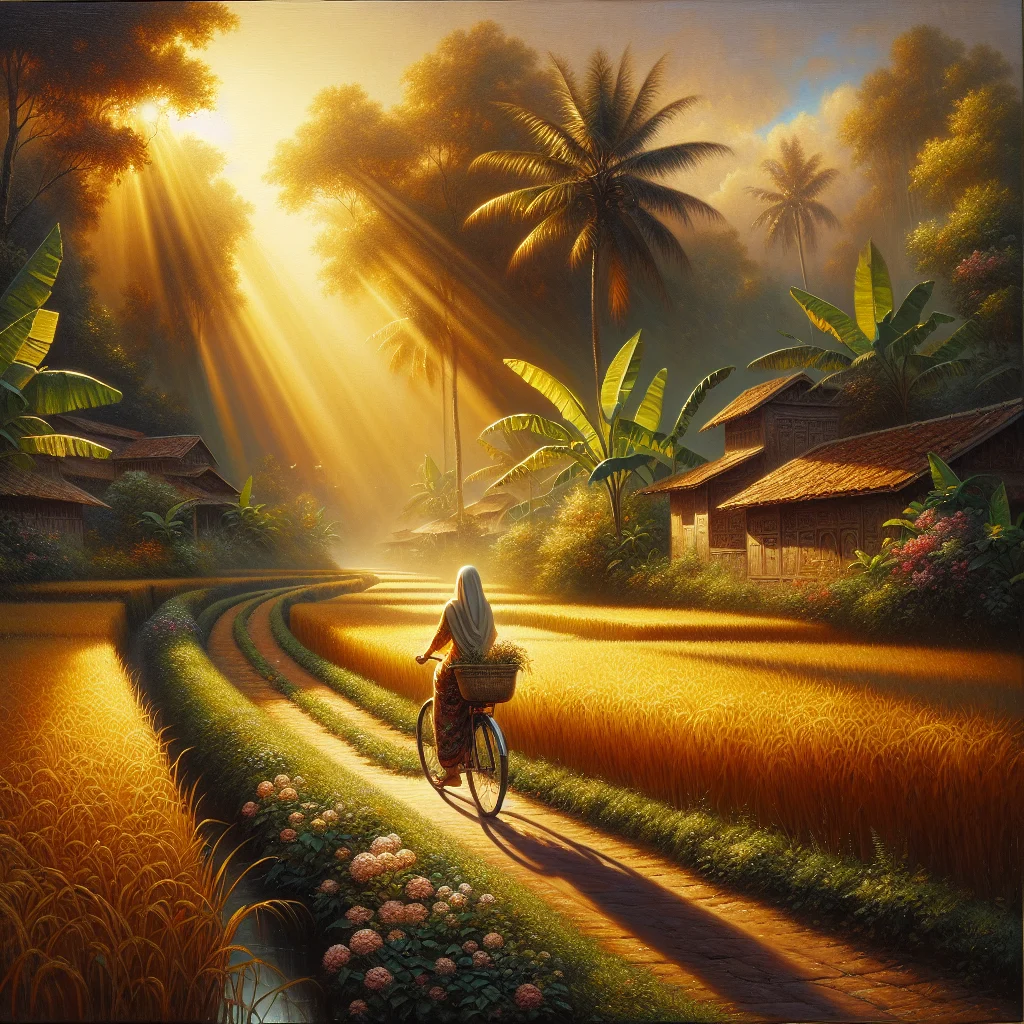
The dry season (April through October) facilitates outdoor activities, harvest celebrations, and temple festivals. Rice fields turn golden before harvest, creating stunning landscapes for walks or bicycle rides. Aligning your activities with these natural cycles rather than maintaining constant routines year-round deepens your connection to place and environment.
Cultural Festivals and Ceremonial Observances
Jogja’s ceremonial calendar provides regular punctuation to the year, marking time through cultural rather than purely commercial celebrations. Major observances include:
- Sekaten: Week-long festival celebrating the Prophet Muhammad’s birthday with traditional gamelan performances
- Grebeg: Quarterly processions from the Sultan’s palace distributing blessed rice mountains
- Waisak: Buddhist celebration at Borobudur during the full moon in May
- Independence Day celebrations: Neighborhood competitions and traditional games throughout August
Participating in these events, even as an observer, connects you to community identity and historical continuity. These celebrations emphasize collective experience over individual consumption, embodying slow living values through shared cultural participation. Additionally, they often involve traditional arts, music, and crafts that slow living literature identifies as essential for meaningful existence.
Challenges and Realistic Expectations
While slow living at Jogja offers tremendous benefits, honest discussion requires acknowledging challenges you might encounter. Realistic expectations help you navigate difficulties rather than becoming disillusioned.
Infrastructure Limitations
Despite many advantages, Jogja’s infrastructure shows gaps compared to more developed cities. Internet connectivity, while generally adequate, experiences occasional disruptions. Public transportation, though improving, doesn’t reach all areas conveniently. During heavy rains, flooding can affect certain neighborhoods.
However, these limitations often prove less problematic for slow living practitioners than they might seem initially. Because you’re not rushing between appointments or dependent on constant connectivity, infrastructure gaps create fewer disruptions. In fact, forced disconnections during internet outages can become unexpected opportunities for digital detox experiences that deepen your practice.
Cultural Adjustment and Language Barriers
Foreign residents may experience adjustment challenges related to cultural differences and language barriers. While many younger Indonesians speak some English, daily transactions often occur in Javanese or Indonesian. Traditional customs around hierarchy, indirect communication, and social obligations require understanding to navigate respectfully.
Nevertheless, these challenges provide growth opportunities aligned with slow living values. Learning the language gradually, studying cultural norms, and building relationships with patient teachers develops humility, curiosity, and adaptability. The process itself becomes part of your contemplative practice rather than an obstacle to overcome quickly.
Integrating Spiritual Practices into Daily Life
Jogja’s spiritual atmosphere supports diverse contemplative traditions beyond its predominant Islamic and Javanese syncretism. Buddhist, Hindu, and Christian communities maintain active presence, while increasing numbers of practitioners explore meditation, yoga, and other mindfulness disciplines.
Temple Visits and Sacred Site Pilgrimages
Beyond their tourist appeal, Jogja’s ancient temples function as active spiritual sites. Visiting Borobudur at sunrise for meditation, attending ceremonies at Prambanan, or exploring smaller temples scattered throughout the region provides opportunities for reflection and wonder.
These practices need not require religious belief—the architectural grandeur, historical continuity, and contemplative atmosphere offer benefits regardless of your spiritual orientation. Many practitioners incorporate regular temple visits into their routines, finding that these spaces naturally induce the mental states conducive to insight and peace. The experience connects you to something larger than individual concerns, a perspective shift central to slow living philosophy.
Learning from Local Wisdom Traditions
Javanese culture contains sophisticated philosophical traditions addressing life’s fundamental questions. Concepts like rasa (intuitive feeling), batin (inner life), and kejawen (Javanese spiritual tradition) offer frameworks for understanding consciousness and cultivating wisdom.
Engaging these traditions might involve studying with teachers, reading translated texts, or simply conversing with thoughtful locals willing to share their perspectives. This intellectual and spiritual exploration aligns with the inner work that sustainable slow living requires. Moreover, it prevents slow living from becoming merely aesthetic lifestyle branding and grounds it in substantive philosophical inquiry.
Building Your Personal Slow Living Practice
While Jogja’s environment supports slow living, creating a sustainable personal practice requires intentional structure. The following framework helps you design rhythms that work for your unique circumstances and temperament.
Daily Non-Negotiables
Identify three to five practices you’ll maintain regardless of other demands. These might include:
- 20 minutes of morning meditation or contemplative prayer
- One meal prepared from scratch with attention and gratitude
- 30 minutes of movement (walking, cycling, yoga, or other gentle exercise)
- Evening journaling to process the day’s experiences
- Technology-free time before sleep for reading or quiet reflection
These non-negotiables create stability within your routine while leaving flexibility for spontaneity and response to circumstances. Because Jogja’s pace doesn’t pressure constant productivity, maintaining these practices becomes surprisingly manageable once established.
Weekly Intentions and Community Engagement
Beyond daily practices, establish weekly rhythms that deepen community connections and creative engagement. Perhaps you’ll attend Sunday morning meditation at a local temple, participate in neighborhood gatherings, take a weekly art class, or volunteer with community organizations.
These regular commitments prevent slow living from becoming isolated or self-focused. True slow living, as explored in various cultural contexts, balances personal contemplation with community contribution. Your weekly intentions should reflect both dimensions, ensuring you’re nourishing relationships alongside your inner life.
Seasonal Projects and Long-term Learning
Finally, embrace longer-term projects that unfold over months or years. Learning Javanese language, studying traditional arts, developing a creative practice, or deepening spiritual understanding all require sustained attention impossible within hurried lifestyles.
Jogja’s environment particularly supports these extended learning journeys. Affordable master classes, patient teachers, and community support make skill development accessible. Moreover, the cultural value placed on craft mastery and traditional knowledge transmission creates encouraging environments for committed students.
Manifest Your Dreams: A Practical Guide to the Law of Attraction
Conclusion: Your Invitation to Slow Living at Jogja
Yogyakarta offers something increasingly rare in our accelerated world—a functional urban environment where slow living remains not only possible but culturally supported. The combination of affordable living costs, rich cultural traditions, spiritual depth, and community structures creates ideal conditions for those seeking alternatives to conventional modern lifestyles.
Whether you’re considering a visit, temporary relocation, or permanent move, slow living at Jogja provides opportunities for transformation that extend beyond vacation relaxation. By engaging authentically with the place, people, and practices that define this remarkable city, you can develop sustainable rhythms that support wellbeing, creativity, and genuine fulfillment.
The journey begins simply: arrive with curiosity rather than rigid expectations, open yourself to local wisdom, and allow Jogja’s particular magic to reveal itself gradually. Trust that slowing down here isn’t about doing less but about experiencing more—more depth, more connection, more presence, and ultimately more life in each lived moment.
As you explore this path, remember that resources like The Self-Love Reset: A Journey to Rediscover Yourself can support your transition toward more intentional living. The practice of slow living anywhere, but especially in a culturally rich environment like Jogja, fundamentally involves rediscovering who you are beneath the layers of hurry and external demands.
Yogyakarta awaits those ready to embrace its gentle rhythms and profound teachings. The question isn’t whether you can afford to slow down—it’s whether you can afford not to.

