
Zurich, Switzerland’s largest city, may be known for its bustling financial district and efficient public transportation, but beneath the surface lies a growing movement toward a more intentional way of life. Slow living Zurich represents a beautiful contradiction – finding peace and mindfulness in one of Europe’s most productive cities. This approach to daily life encourages residents and visitors alike to pause, breathe, and appreciate the present moment, even amid urban efficiency.
In recent years, more people have discovered that Zurich’s compact size, abundant green spaces, and deep connection to nature make it an ideal place to practice slow living principles. The city’s commitment to quality over quantity aligns perfectly with this lifestyle philosophy. Whether you’re a long-time resident or planning a visit, understanding how to embrace this slower pace can transform your experience of the city.
For those just beginning their journey toward a more mindful lifestyle, Everyday Calm: A Beginner’s Guide to Daily Meditation provides an excellent foundation for incorporating contemplative practices into your daily routine.
Understanding Slow Living in Zurich’s Context
The concept of slow living might seem counterintuitive in a city famous for precision watches and banking efficiency. However, Zurich has quietly cultivated spaces and traditions that honor a different rhythm. The Swiss value of Gemütlichkeit – a sense of warmth, comfort, and belonging – permeates the city’s culture in unexpected ways.
Unlike other major European cities, Zurich maintains strict regulations about shop opening hours and Sunday closures. While this might initially frustrate newcomers, these boundaries actually protect space for rest and community connection. Furthermore, the city’s design naturally encourages slower movement, with pedestrian zones, waterfront promenades, and neighborhood centers that invite lingering.
The Swiss Approach to Work-Life Balance
Switzerland consistently ranks among the countries with the best work-life balance, and Zurich exemplifies this principle. Although the city hosts major international corporations, Swiss labor laws protect employee wellbeing through mandatory vacation time and reasonable working hours. As a result, people have time to engage in hobbies, spend time in nature, and nurture relationships.
This cultural foundation makes Zurich fertile ground for slow living practices. The integration of slow living and work becomes more achievable when societal structures support it. Moreover, the high cost of living, while challenging, often pushes residents toward more intentional consumption patterns.
Natural Spaces for Slow Living Zurich Enthusiasts
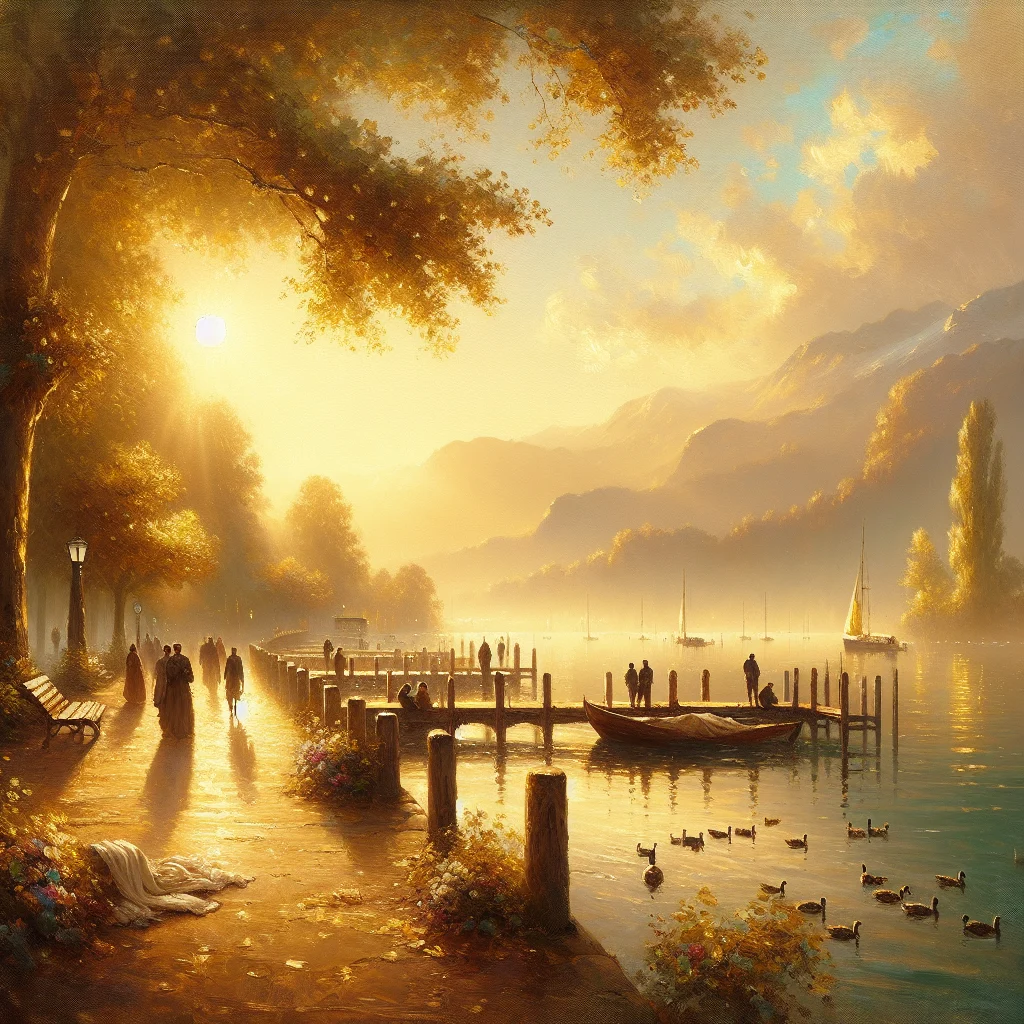
One of Zurich’s greatest assets for slow living practitioners is its remarkable access to nature. The city seamlessly blends urban infrastructure with green spaces, creating opportunities for daily connection with the natural world. Lake Zurich (Zürichsee) serves as the city’s centerpiece, offering a tranquil escape just steps from the financial district.
During warmer months, locals practice slow living by swimming in the lake’s public bathing areas or simply sitting along the promenade watching swans glide across the water. This proximity to water has profound calming effects, as documented by environmental psychologists studying blue space benefits.
Parks and Gardens for Contemplation
Zurich boasts numerous parks that invite slow exploration and mindful presence. The Chinese Garden in Zürichhorn offers a specifically designed space for meditation and reflection. In addition, the Botanical Garden provides seasonal beauty and quiet corners for journaling or contemplation.
- Lindenhof: An elevated park with historical significance and panoramic city views
- Rieterpark: Features Villa Wesendonck and expansive lawns perfect for picnics
- Arboretum: A tree collection along the lake ideal for mindful walking
- Üetliberg Mountain: Accessible by train, offering forest trails and mountain air
These spaces encourage what the Japanese concept of slow living might call shinrin-yoku or forest bathing – the practice of immersing oneself in nature for health and wellbeing.
Slow Food and Mindful Eating in Zurich
The slow food movement has found a welcoming home in Zurich, where quality ingredients and traditional preparation methods are highly valued. Farmers’ markets occur regularly throughout the city, allowing residents to connect directly with food producers. Consequently, these markets become social spaces where community bonds strengthen over shared appreciation for seasonal produce.
Zurich’s restaurant scene includes numerous establishments committed to local sourcing and unhurried dining experiences. Traditional Swiss cuisine, with its emphasis on cheese, bread, and seasonal vegetables, naturally aligns with slow food principles. For instance, enjoying a traditional fondue requires patience and presence – you cannot rush the experience.
Coffee Culture and Conversation
Coffee shops in Zurich serve as third places between home and work, where slow living naturally unfolds. Unlike grab-and-go coffee culture elsewhere, Zurich cafés encourage sitting, reading, and conversation. Many establishments roast their own beans and employ baristas who view coffee-making as a craft worth savoring.
The Swiss tradition of Znüni (mid-morning break) and Zvieri (afternoon break) builds pauses into the daily rhythm. These moments for tea, coffee, or a small snack create natural opportunities for mindfulness and social connection. Because these breaks are culturally normalized, they don’t carry the guilt often associated with pausing during work hours.
Cultural Practices Supporting Slow Living Zurich
Zurich’s cultural institutions provide rich opportunities for slow, contemplative engagement with art, history, and ideas. The Kunsthaus Zurich houses an impressive art collection that rewards patient viewing. Similarly, the numerous smaller galleries throughout the city invite unhurried exploration.
The city’s cultural calendar includes festivals and events that celebrate tradition and community. The Sechseläuten spring festival, for example, connects residents to centuries-old customs and seasonal rhythms. These celebrations remind participants of time’s cyclical nature rather than its linear progression.
Libraries and Quiet Spaces
Public libraries throughout Zurich offer free access to quiet spaces conducive to reading, studying, or simply being. The central library features beautiful reading rooms with high ceilings and natural light. Additionally, many neighborhoods have smaller branch libraries that serve as community gathering points.
These spaces support the mindfulness and meditation aspects of slow living by providing refuge from commercial pressures and digital noise. Furthermore, they democratize access to slow living practices, making them available regardless of economic status.
Slow Mobility: Moving Through Zurich Mindfully
Transportation choices significantly impact our ability to practice slow living. Fortunately, Zurich excels in providing alternatives to car-dependent rushing. The city’s public transportation system, while efficient, actually supports slower living by removing the stress of driving and parking.
Taking trams and trains creates opportunities for observation, reading, or simply watching the city pass by. Because connections are reliable, there’s less anxiety about timing. Moreover, many residents choose cycling as their primary transportation method, which provides exercise, fresh air, and a pace that allows noticing details.
Walking as a Daily Practice
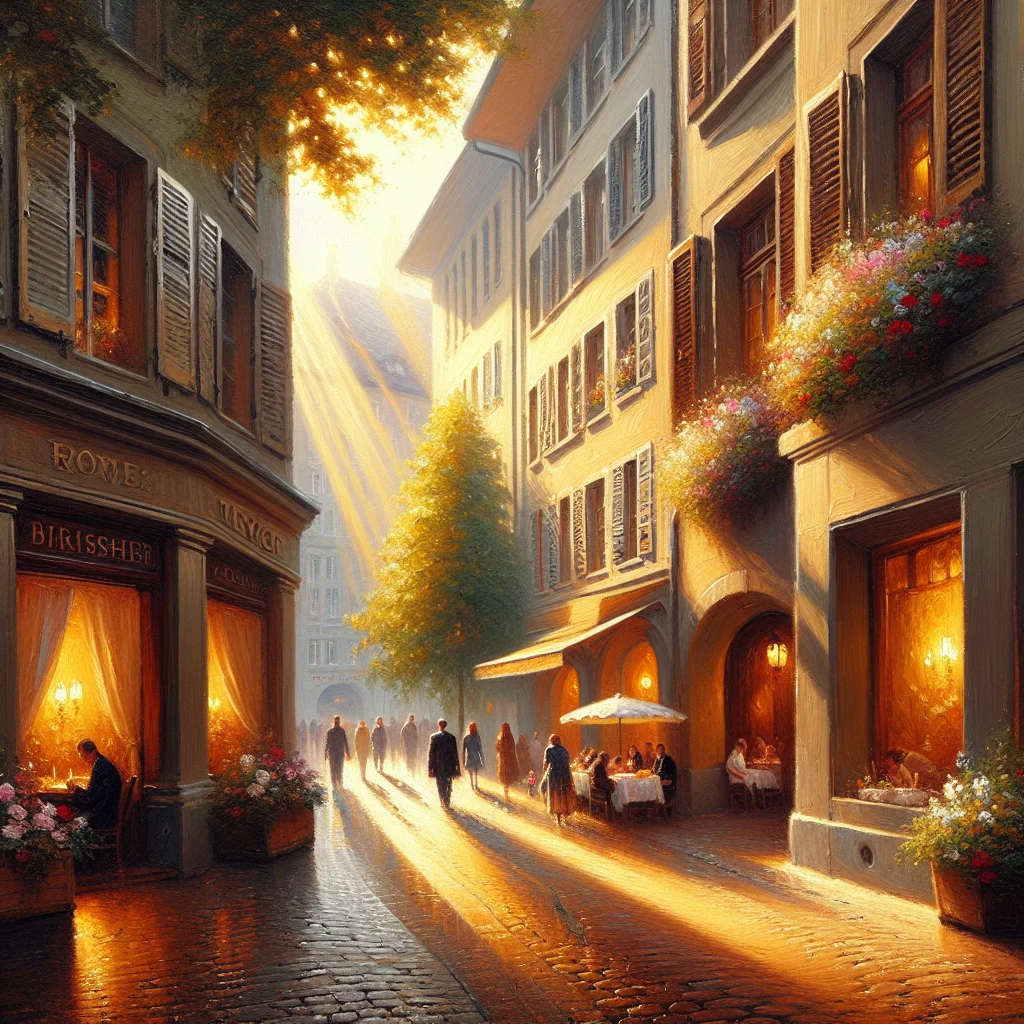
Zurich’s compact size and pedestrian-friendly infrastructure make walking a viable option for daily activities. The old town (Altstadt) features narrow cobblestone streets where cars are restricted, creating a naturally slower environment. Walking these historic lanes becomes a form of moving meditation.
Many residents practice the Swiss tradition of the Sunday walk (Sonntagsspaziergang), which combines exercise with family time and nature connection. These walks aren’t about fitness goals or destination – they’re about process and presence. Similarly, the concept of digital detox during these walks enhances their restorative quality.
Community and Connection in Slow Living Zurich
While Zurich sometimes struggles with a reputation for being reserved, the city actually offers numerous opportunities for meaningful community connection. The neighborhood culture remains strong, with local shops, community centers, and associations fostering belonging.
The slow living society concept manifests in Zurich through various community initiatives. Urban gardens allow residents to grow food collectively while building relationships. Similarly, repair cafés and tool libraries promote sharing resources rather than individual ownership.
Zurich’s Verein Culture
The Swiss tradition of Vereine (associations or clubs) provides structure for pursuing shared interests. Whether focused on singing, hiking, chess, or countless other activities, these groups create regular opportunities for face-to-face interaction. Consequently, they counter the isolation that can accompany modern urban life.
These associations often meet in local restaurants or community spaces, further strengthening neighborhood bonds. Because membership typically costs little, they remain accessible to diverse participants. The commitment to regular meetings creates rhythm and anticipation in members’ lives.
Seasonal Living in Zurich
Switzerland’s distinct seasons encourage residents to attune themselves to natural cycles. Winter in Zurich brings opportunities for ice skating, warming drinks in cozy cafés, and indoor cultural activities. However, spring transforms the city with blooming trees and outdoor café seating.
Summer invites swimming, barbecuing by the lake, and open-air events. Meanwhile, autumn offers harvest festivals, forest walks among changing leaves, and preparations for winter. This seasonal variation naturally creates different rhythms throughout the year, preventing monotony while honoring cyclical time.
Adapting Your Practice Through the Year
Slow living practitioners in Zurich learn to adapt their activities to seasonal opportunities. Rather than fighting against winter darkness, they embrace hygge-inspired coziness. Similarly, they maximize summer’s long daylight hours for outdoor activities without feeling guilty about reduced productivity.
This seasonal approach contrasts with the “always the same” mentality of climate-controlled, artificially-lit modern life. By acknowledging and honoring seasonal differences, residents maintain connection to larger natural rhythms. Furthermore, this variation provides natural renewal as each season brings fresh experiences.
Challenges of Slow Living in Zurich
Despite its advantages, practicing slow living in Zurich presents challenges. The city’s high cost of living creates pressure to work long hours and maximize earnings. Additionally, the international nature of many workplaces sometimes imports faster-paced cultural expectations.
Social pressure can also work against slow living principles. When surrounded by high achievers, choosing simplicity over advancement may feel countercultural. Moreover, Zurich’s efficiency can become its own form of pressure – even slow living might feel like something to optimize.
Balancing Tradition and Innovation
Zurich constantly negotiates between preserving tradition and embracing innovation. While this tension creates cultural richness, it can also generate uncertainty about which values to prioritize. However, the city’s approach generally favors thoughtful change over disruption for its own sake.
For slow living practitioners, this balance means having access to modern conveniences without being overwhelmed by them. You can choose technology that serves your values while opting out of constant connectivity. The holistic living approach helps integrate various aspects of life into a coherent whole.
Practical Steps for Embracing Slow Living Zurich
If you’re ready to incorporate slow living principles into your Zurich life, start with small, sustainable changes. Because transformation happens gradually, patience with yourself is essential. Consider beginning with one area of life rather than attempting to change everything simultaneously.
- Establish a morning routine that doesn’t involve immediately checking devices
- Choose one meal daily to eat without distraction, savoring each bite
- Take a weekly nature walk on Üetliberg or along the lake
- Visit a farmers’ market and talk with at least one vendor about their products
- Join a local Verein related to something you enjoy
- Create a tech-free zone in your home for reading or conversation
- Practice saying no to commitments that don’t align with your values
Each of these practices reinforces the others, creating a lifestyle that feels increasingly natural over time. Additionally, connecting with others on similar paths provides encouragement and accountability. The journey toward slow living is itself a practice in patience and self-compassion.
Resources and Support for Your Journey
Zurich offers various resources for those interested in deepening their slow living practice. Meditation centers like the Zen Center Zurich provide instruction in contemplative practices. Similarly, yoga studios throughout the city offer classes emphasizing mindfulness over performance.
Books available at local libraries and bookshops provide both inspiration and practical guidance. The slow living books available through various publishers offer diverse perspectives on this lifestyle. Furthermore, online communities connect Zurich residents interested in these principles.
For those seeking structured support in their personal development journey, The Self-Love Reset: A Journey to Rediscover Yourself provides valuable guidance for building a life aligned with your authentic values and needs.
The Future of Slow Living Zurich
As global awareness of burnout, environmental limits, and mental health grows, slow living principles are gaining mainstream acceptance. Zurich’s existing infrastructure and cultural values position it well to lead in demonstrating sustainable urban living. However, continued success requires intentional choices from individuals, businesses, and policymakers.
The next generation of Zurich residents will likely demand even greater work flexibility, green spaces, and community connection. Because technology enables remote work, some people may choose slower-paced surrounding villages while maintaining Zurich connections. This could strengthen regional slow living culture while reducing urban density pressure.
Ultimately, slow living in Zurich isn’t about rejecting modernity or productivity. Rather, it’s about choosing presence over busyness, quality over quantity, and connection over isolation. In a world that often feels too fast, Zurich demonstrates that another way is possible – even in the heart of a major financial center.

